What is the reason for ectopic pregnancy: A Complete Medical Guide for Patients

An ectopic pregnancy happens when a fertilized egg implants outside the uterus, usually in a fallopian tube. The most common reason is disruption of normal egg transport, often from scarring, blockage, or changes in tubal function.
Key Takeaways
- An ectopic pregnancy happens when a fertilized egg implants outside the uterus, usually in a fallopian tube.
- The most common reason is disruption of normal egg transport, often from scarring, blockage, or changes in tubal function.
- Early symptoms may include pelvic pain, vaginal bleeding, shoulder pain, dizziness, or fainting.
- Diagnosis typically uses blood tests and transvaginal ultrasound.
- Treatment may involve medication or surgery, depending on symptoms, test results, and overall stability.
- Urgent medical care is needed for severe pain, heavy bleeding, fainting, or signs of internal bleeding.
The reason for ectopic pregnancy is usually that a fertilized egg cannot travel normally into the uterus and instead implants outside it, most often in a fallopian tube. This is commonly linked to tubal damage, inflammation, prior surgery, or other factors that affect how the egg moves through the reproductive tract.
Overview: why ectopic pregnancy happens
What is the reason for ectopic pregnancy? In most cases, it happens because a fertilized egg does not move into the uterus as expected. Instead, it implants outside the uterus, most often in a fallopian tube, where it cannot grow normally.
The underlying issue is usually a problem with transport through the tube. This may be due to scarring, inflammation, a partial blockage, or changes in how the tube contracts and moves the egg. Less often, an ectopic pregnancy can occur in the ovary, cervix, cesarean scar, or abdominal cavity.
An ectopic pregnancy is not caused by anything a person did intentionally. It is a medical condition that requires timely diagnosis because the pregnancy tissue can continue to grow in a place that cannot safely support it. Early recognition helps protect health and future fertility.
How a normal pregnancy differs from an ectopic pregnancy
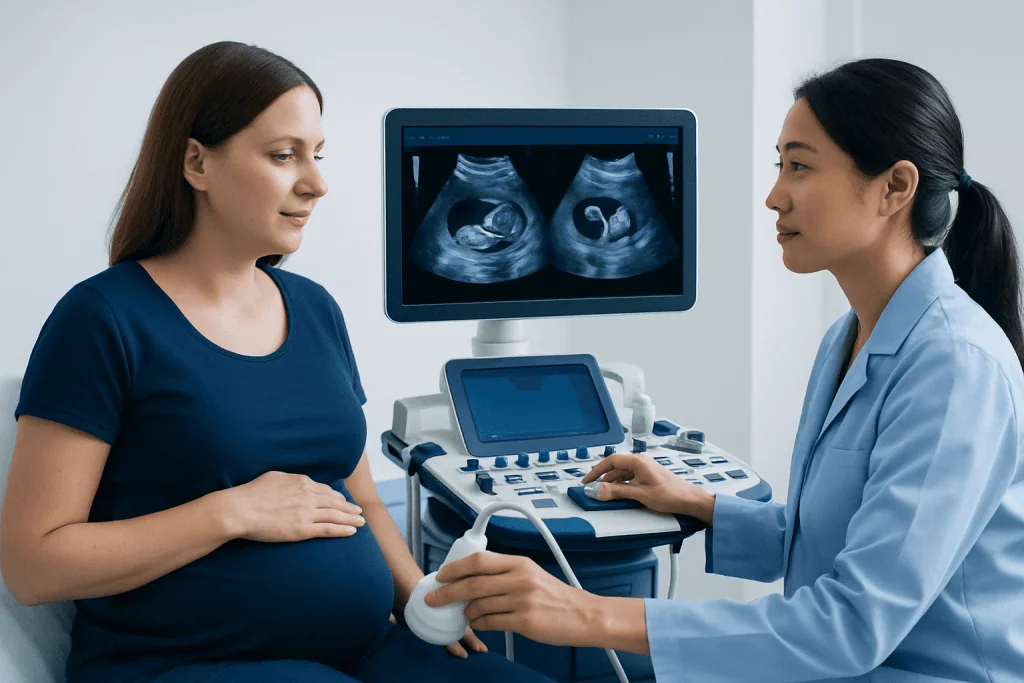
In a typical pregnancy, fertilization usually takes place in a fallopian tube. The fertilized egg then travels to the uterus, where it implants in the uterine lining and develops. This journey depends on healthy tube structure, normal cilia movement, and coordinated muscular contractions.
When that journey is interrupted, implantation may occur before the embryo reaches the uterus. The fallopian tube is the most common site because it is narrow and delicate. Unlike the uterus, it is not designed to expand for an ongoing pregnancy.
This difference is why ectopic pregnancy cannot continue as a normal pregnancy. As it grows, it can stretch or rupture nearby tissue and cause internal bleeding. That is why symptoms that may seem mild at first should not be ignored, especially in early pregnancy.
Main causes and risk factors
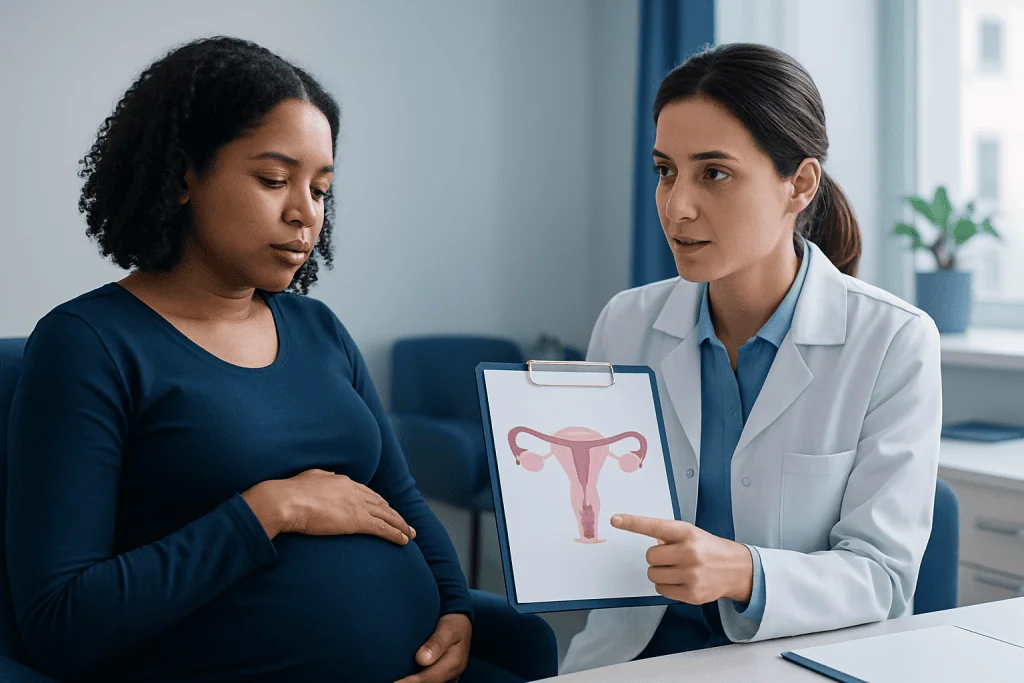
The most common reason for ectopic pregnancy is damage or dysfunction in a fallopian tube. Previous pelvic infection, including sexually transmitted infections that can lead to pelvic inflammatory disease, may leave scar tissue that narrows the tube. Prior surgery involving the tubes, pelvis, or lower abdomen can also affect how the egg moves.
Other recognized risk factors include a previous ectopic pregnancy, endometriosis, congenital differences in tubal shape, smoking, and becoming pregnant with an intrauterine device in place. Fertility treatment can increase the chance of unusual implantation in some situations, although most pregnancies after treatment are not ectopic. For readers exploring broader reproductive concerns, infertility and tubal health are often evaluated together.
Sometimes, no clear risk factor is found. A person can have an ectopic pregnancy even without prior infection, surgery, or known reproductive problems. This is one reason why symptoms in early pregnancy should be assessed carefully rather than dismissed.
- Previous ectopic pregnancy
- Pelvic inflammatory disease or tubal infection
- Fallopian tube or pelvic surgery
- Endometriosis
- Smoking
- Pregnancy with an IUD in place
- Some fertility-related conditions or treatments
Symptoms and warning signs
Early ectopic pregnancy symptoms can resemble those of a normal early pregnancy. A missed period, breast tenderness, nausea, or a positive pregnancy test may occur first. The symptoms that raise concern are usually one-sided pelvic or lower abdominal pain and light vaginal bleeding or spotting.
As the pregnancy grows, pain may become sharper or more constant. Some people notice pain in the shoulder tip, which can be a sign of internal bleeding irritating the diaphragm. Weakness, dizziness, fainting, or a sense of severe unwellness may suggest rupture and require emergency care.
Symptoms vary from person to person. In some cases, an ectopic pregnancy causes very few symptoms at first and is found during evaluation for pain, bleeding, or an ultrasound that does not show a pregnancy in the uterus. Because symptoms can overlap with miscarriage and other gynecologic conditions, medical assessment is important.
Conditions with similar symptoms may need to be ruled out, including ovarian cyst complications or other causes of acute pelvic pain.
How doctors diagnose ectopic pregnancy
Diagnosis usually begins with a history, symptom review, pelvic examination when appropriate, and pregnancy testing. Blood tests are commonly used to measure human chorionic gonadotropin, or hCG, over time. In a normal early pregnancy, hCG typically rises in a predictable pattern, while abnormal changes may suggest a problem.
Transvaginal ultrasound is the main imaging test used to look for a pregnancy inside the uterus and to examine the tubes and ovaries. If no intrauterine pregnancy is seen and hCG levels are above the expected range for visibility, an ectopic pregnancy becomes a stronger concern. Sometimes the findings are not clear right away, and repeat blood tests and scans are needed over several days.
Prompt evaluation is especially important because early diagnosis may allow treatment before rupture occurs. In some settings, clinicians may also assess for internal bleeding or signs of instability. Imaging used in gynecologic emergencies may overlap with ultrasound services commonly used in women’s health care.
Treatment options and recovery
Treatment depends on symptoms, hCG levels, ultrasound findings, and whether there are signs of rupture. If the ectopic pregnancy is diagnosed early and the patient is stable, medication may be used to stop the pregnancy tissue from growing. This approach requires close follow-up with repeat blood tests until hCG returns to a non-pregnant level.
When there is severe pain, internal bleeding, rupture, or the ectopic pregnancy is less suitable for medication, surgery may be needed. This is often performed using minimally invasive techniques, depending on the situation and the extent of damage. Some patients may need removal of the ectopic pregnancy alone, while others may need part or all of the affected tube removed to control bleeding and protect health. Surgical care may involve laparoscopy in appropriate cases.
Recovery varies based on the treatment used and the stage at diagnosis. Emotional recovery also matters, as an ectopic pregnancy can bring grief, uncertainty, and concerns about future fertility. Follow-up appointments are important to confirm that treatment is complete and to discuss timing and planning for future pregnancy.
In specialized centers, evaluation may include broader reproductive planning and, when needed, IVF counseling for people with significant tubal disease or repeat ectopic pregnancy.
Future fertility, prevention, and self-care
Many people go on to have healthy pregnancies after an ectopic pregnancy, but future risk can be higher, especially if there has been tubal damage or a prior ectopic pregnancy. A clinician may recommend early monitoring in the next pregnancy, including blood tests and ultrasound, to confirm that implantation is in the uterus.
Not all ectopic pregnancies can be prevented, but some steps may reduce risk. Preventing sexually transmitted infections, seeking early treatment for pelvic infections, stopping smoking, and following up after pelvic surgery or fertility concerns may help preserve tubal health. People with endometriosis or prior tubal problems may benefit from pre-pregnancy counseling.
Self-care after treatment includes resting as advised, attending follow-up visits, and asking about when it is medically safe to try to conceive again. Emotional support from loved ones, counseling, or support groups can also be helpful. Near the end of the care pathway, some international patients choose centers such as Acibadem International, where multidisciplinary specialists in JCI-accredited hospitals diagnose and treat ectopic pregnancy and related reproductive conditions.
When to seek medical care
Anyone with a positive pregnancy test and pelvic pain or vaginal bleeding should contact a doctor promptly. Early medical review is especially important for those with a previous ectopic pregnancy, tubal surgery, pelvic infection, or fertility treatment history.
Emergency care is needed right away for severe abdominal pain, shoulder pain, heavy bleeding, fainting, marked dizziness, or signs of shock such as extreme weakness or confusion. These symptoms may suggest rupture and internal bleeding.
Even if symptoms seem mild, it is safest not to wait if there is concern about an early pregnancy problem. Quick evaluation can clarify the cause, guide treatment, and reduce the risk of serious complications.
Frequently asked questions
What is the most common reason for ectopic pregnancy?
The most common reason is that a fertilized egg cannot travel normally through the fallopian tube into the uterus. This is often related to scarring, inflammation, or partial blockage of the tube.
Can ectopic pregnancy happen without any known risk factors?
Yes. Although previous infection, surgery, smoking, or a prior ectopic pregnancy can increase risk, some people have no clear risk factors at all. That is why early pregnancy pain or bleeding should always be evaluated.
Does ectopic pregnancy always cause pain and bleeding?
Not always at first. Some people have mild symptoms or none early on, and the condition is found during testing or ultrasound. As it progresses, pain and abnormal bleeding become more common.
Can an ectopic pregnancy be saved or moved into the uterus?
No. An ectopic pregnancy cannot be moved into the uterus and cannot continue safely in its abnormal location. Treatment is necessary to protect the patient's health.
Will one ectopic pregnancy affect future fertility?
It can, but many people still have healthy pregnancies later. The effect on fertility depends on the health of the fallopian tubes, the treatment needed, and whether there are other reproductive conditions present.
How soon should someone see a doctor if they suspect ectopic pregnancy?
They should seek medical advice promptly if they have a positive pregnancy test with pelvic pain or vaginal bleeding. Severe pain, fainting, dizziness, shoulder pain, or heavy bleeding requires emergency care immediately.
References
- American College of Obstetricians and Gynecologists
- National Health Service
- Mayo Clinic
- Royal College of Obstetricians and Gynaecologists
- World Health Organization
This article is for general information only and is not a substitute for professional medical advice. Please consult a qualified doctor about your individual situation.
Explore treatments in Turkey — costs, top hospitals & a free quote
JCI-accredited · board-certified surgeons · reply within 24h
Add us as a Preferred Source to see more of our trusted health content across Google Search, AI Overviews and Discover.