What Is the Recommended Age for Shingles Injection?

Adults aged 50 years and older are commonly advised to receive the recombinant shingles vaccine, even if they feel healthy. Adults aged 19 years and older with immunocompromise may be eligible earlier because their risk of shingles is higher.
Key Takeaways
- Adults aged 50 years and older are commonly advised to receive the recombinant shingles vaccine, even if they feel healthy.
- Adults aged 19 years and older with immunocompromise may be eligible earlier because their risk of shingles is higher.
- Having had chickenpox, shingles, or an older shingles vaccine does not usually remove the need for current vaccination.
- The recombinant shingles vaccine is not a live vaccine and is generally given as a two-dose series.
- Vaccination helps prevent shingles and its complications but does not treat an active shingles rash.
- People with a severe allergy to a vaccine component or who are currently moderately or severely unwell should seek individual medical advice before vaccination.
The usual age for shingles injection is 50 years and older for adults with a normal immune system. Adults aged 19 years and older may also need vaccination if a disease or treatment has weakened their immune system; recommendations can vary by country and should be confirmed with a clinician.
Overview: What Is the Right Age for a Shingles Injection?
The age for shingles injection is generally 50 years and older for adults with a typical immune system. Adults aged 19 years and older may be advised to have it sooner if they have a weakened immune system due to a health condition or immune-suppressing treatment. National vaccination schedules differ, so a doctor or vaccination provider can confirm what applies in the person’s country.
Shingles is caused by reactivation of the varicella-zoster virus, the same virus that causes chickenpox. After chickenpox, the virus remains inactive in nerve tissue and can reactivate later in life. Risk rises with age because immune responses naturally become less effective over time.
The vaccine most widely used in current guidance is a recombinant, non-live shingles vaccine. It trains the immune system to recognize the virus without using a live weakened virus. It is designed to reduce the likelihood of shingles and complications such as persistent nerve pain after the rash has healed.
Why Age Matters for Shingles Prevention
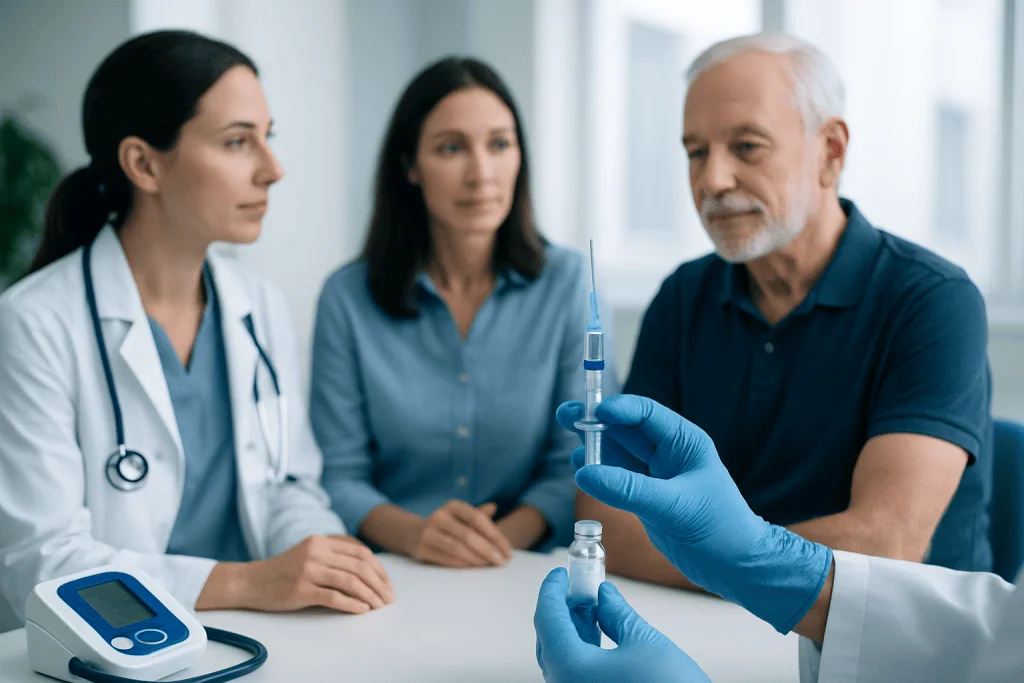
Age is an important consideration because shingles becomes more common as people get older, and complications can be more difficult to manage in later life. One of the most significant complications is postherpetic neuralgia, a long-lasting nerve pain that may continue for months or, less commonly, longer after the skin rash resolves.
However, age is not the only factor. A younger adult whose immune system is suppressed may have a higher risk of shingles than an otherwise healthy person of the same age. This is why many public health authorities recommend vaccination from age 19 for people with certain immune-related risks.
Examples include people receiving chemotherapy, high-dose or long-term immune-suppressing medicines, some treatments for autoimmune disease, organ or stem-cell transplant care, advanced kidney disease, HIV, or blood cancers. Eligibility depends on the person’s diagnosis, treatment plan, immune status, and local recommendations. The treating specialist can help determine the most suitable timing.
Vaccination is preventive rather than a response to a current rash. It is not intended to treat shingles once symptoms have begun, but it may help lower the chance of a future episode after recovery.
Who Should Consider Vaccination Earlier Than Age 50?

Adults aged 19 years and older with immunocompromise may be recommended to receive a shingles injection before age 50. Immunocompromise means that the body’s ability to fight infections is reduced, either because of a medical condition or because of medicines that intentionally lower immune activity.
A clinician may recommend earlier vaccination for a person preparing for an organ transplant, starting chemotherapy, or beginning a medicine that affects immune function. When possible, vaccination may be planned before immune-suppressing treatment starts, as the immune response may be stronger then. This decision must be individualized, since treatment should not be delayed solely for vaccination unless the care team advises it.
People should not assume that all chronic illnesses require earlier shingles vaccination. Diabetes, heart disease, chronic lung disease, and other long-term conditions may increase the importance of preventive care, but the age and eligibility criteria still depend on national policy and individual health circumstances.
- Ask whether a condition or treatment affects immune function.
- Discuss the best time for vaccination around planned treatments.
- Bring a record of previous vaccinations and major health conditions to the appointment.
What If Someone Has Had Chickenpox, Shingles, or an Older Vaccine?
Most adults who had chickenpox can still develop shingles later, including if the chickenpox illness occurred in childhood. For this reason, a remembered history of chickenpox is not usually a reason to skip shingles vaccination when a person reaches the recommended age or has an immune-related indication.
A previous episode of shingles also does not guarantee lifelong protection. Shingles can recur, so people who have recovered may still benefit from vaccination. In general, vaccination is considered after the acute illness has resolved and the rash has healed, but the appropriate timing should be discussed with a doctor, particularly for people with ongoing symptoms or reduced immunity.
People who received an older live shingles vaccine may still be advised to receive the newer recombinant vaccine, according to local guidance. The same is commonly true for people who are unsure of their chickenpox history; routine blood testing to check varicella immunity is not usually needed before vaccination in adults who meet age-based recommendations.
The newer recombinant vaccine is different from a live vaccine. This distinction is particularly relevant for people with impaired immunity, who should always discuss their vaccination plan with the clinician managing their condition.
How the Shingles Injection Is Given and What to Expect
The recombinant shingles vaccine is generally given as a series of two injections in the upper arm. For most adults, the second dose is scheduled several months after the first. For people who are immunocompromised and need earlier protection, the interval may sometimes be shorter, following the recommendations of a healthcare professional and local immunization guidance.
Temporary side effects are common and usually settle within a few days. These can include pain, redness, or swelling at the injection site, tiredness, headache, muscle aches, fever, chills, nausea, or stomach upset. These effects reflect immune activation and do not mean that the person has shingles.
Planning a quieter day after vaccination may be helpful for some people, especially after the second dose. Usual measures such as rest, fluids, and advice from a pharmacist or clinician about suitable symptom relief can help. A person should seek urgent medical help for signs of a severe allergic reaction, such as difficulty breathing, swelling of the face or throat, widespread hives, or faintness.
It is important to complete both doses unless a clinician advises otherwise. Receiving only one dose may provide less reliable protection than completing the recommended series.
Safety, Reasons to Delay, and Questions for a Doctor
The recombinant shingles vaccine is not a live vaccine, but it is not appropriate for every person at every moment. Someone who had a severe allergic reaction to a previous dose or to a known component of the vaccine should not receive another dose without specialist advice. A healthcare professional can review allergy history carefully.
Vaccination is commonly postponed during a moderate or severe acute illness, including an active shingles episode, until recovery. A mild cold without significant fever may not always require postponement, but the vaccination provider can assess the situation. Pregnancy and breastfeeding decisions should also be discussed with an obstetric or healthcare professional because recommendations can differ between health systems.
Before the appointment, it can be useful to ask which shingles vaccine is available locally, whether two doses are required, when the second dose should be booked, and whether current medicines affect timing. People taking anticoagulants, immune-suppressing medicines, or medicines for cancer should mention them, even though these do not automatically prevent vaccination.
Keeping an accurate vaccination record helps avoid missed doses and supports coordinated care between primary care doctors and specialists.
When to Seek Medical Care
Anyone who develops a new painful, burning, tingling, or blistering rash on one side of the body or face should contact a healthcare professional promptly. Antiviral treatment for suspected shingles is most helpful when started early, and a clinician can confirm the diagnosis and advise on symptom control.
Urgent assessment is especially important if the rash is near an eye, on the nose, forehead, or ear, or if there are eye symptoms such as redness, pain, light sensitivity, blurred vision, or vision changes. Shingles affecting the face can sometimes involve the eye and requires timely specialist care.
Medical advice should also be sought promptly for severe pain, a widespread rash, fever with significant illness, confusion, weakness, or shingles symptoms in a person who is pregnant or immunocompromised. People who are uncertain whether they meet the age for shingles injection can discuss their individual risk factors with a qualified clinician.
Acibadem International’s multidisciplinary specialists and JCI-accredited hospitals can assess shingles-related concerns and vaccination suitability for international patients as part of individualized medical care.
Frequently asked questions
What is the usual age for shingles injection?
For adults with a normal immune system, shingles vaccination is commonly recommended from age 50. Adults aged 19 and older with a weakened immune system may be eligible earlier. The exact recommendation depends on national guidance and individual health circumstances.
Can a healthy person under 50 get the shingles vaccine?
In many settings, routine vaccination for healthy adults begins at age 50. A healthy person under 50 may not routinely be included in public recommendations, although policies vary by country. A doctor can explain whether there is an individual reason to consider vaccination earlier.
Should someone get the shingles vaccine after having shingles?
Yes, people may still be advised to get vaccinated after having shingles because the illness can occur more than once. Vaccination is usually considered after the acute rash and illness have resolved. The best timing may differ for people with immune suppression or ongoing medical treatment.
Does having chickenpox mean a person needs the shingles injection?
Chickenpox is the reason shingles can develop later, because the virus remains in the body after the original infection. Therefore, a history of chickenpox does not usually remove the need for shingles vaccination at the recommended age. Most adults do not need a blood test for past chickenpox before receiving the vaccine.
How many shingles injections are needed?
The recombinant shingles vaccine is generally given in two doses. The spacing between doses depends on age, immune status, and local vaccination guidance. Completing both doses is important for the intended level of protection.
Can the shingles vaccine cause shingles?
The recombinant shingles vaccine does not contain a live virus, so it cannot cause shingles. Some people have short-term effects such as arm soreness, fatigue, feverishness, or muscle aches after the injection. These reactions usually improve within a few days.
This article is for general information only and is not a substitute for professional medical advice. Please consult a qualified doctor about your individual situation.
Shingles in Turkey — costs, top hospitals & a free quote
JCI-accredited · board-certified surgeons · reply within 24h
Add us as a Preferred Source to see more of our trusted health content across Google Search, AI Overviews and Discover.

More from the Health Library

Opisthotonos: What Patients Need to Know

Cheyne Stokes Breathing: What Patients Need to Know

Sun Protection Tanning: A Complete Medical Overview

Excised: What Patients Need to Know

Dementia and Being Mean to Family — Explained by Medical Evidence, Not Myths