What Organs Are on Your Left Side? Here Is What the Evidence Says
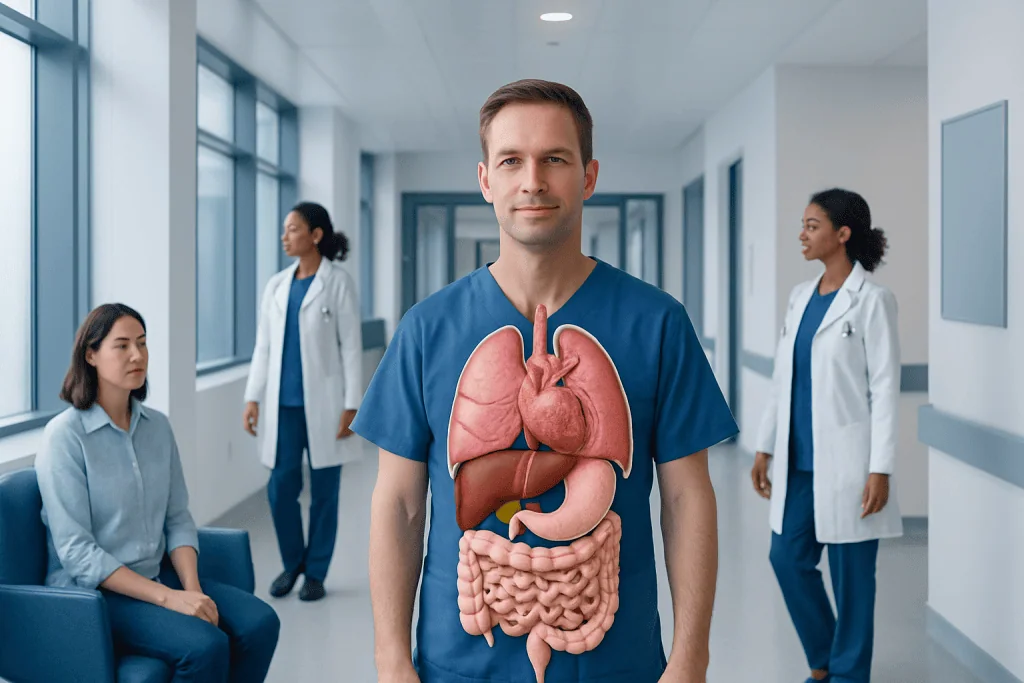
The left side of the chest and abdomen contains several important organs, but many are partly central rather than entirely left-sided. Common left-sided discomfort is often related to digestion, muscle strain, or trapped gas rather than a dangerous condition.
Key Takeaways
- The left side of the chest and abdomen contains several important organs, but many are partly central rather than entirely left-sided.
- Common left-sided discomfort is often related to digestion, muscle strain, or trapped gas rather than a dangerous condition.
- Red flags include chest pain, trouble breathing, fainting, fever, vomiting, blood in stool or urine, or severe ongoing pain.
- Doctors assess left-sided symptoms by combining a medical history, examination, and tests such as blood work, ultrasound, X-ray, CT, or ECG when needed.
- Knowing which organs are on the left can help a person describe symptoms more accurately, but it does not replace medical evaluation.
What organs are on your left side? The left side of the body contains parts of the heart and left lung in the chest, and the stomach, spleen, pancreas, left kidney, and part of the large intestine in the abdomen. Most occasional awareness or mild discomfort on the left side is not serious, but persistent pain, severe symptoms, or warning signs should be assessed by a doctor.
Overview: Which organs are on the left side?
When people ask what organs are on your left side, the short answer is that the left side of the chest contains part of the heart and the left lung, while the left side of the abdomen contains the stomach, spleen, pancreas, left kidney, and parts of the small and large intestines. Some structures are entirely on the left, while others sit more centrally but can still cause symptoms felt on the left.
This question often comes up when someone notices pain, pressure, bloating, or a pulling sensation on the left. In many cases, the cause is harmless and temporary, such as indigestion, constipation, muscle strain, or trapped gas. Still, symptoms should be interpreted in context, because the same area can also reflect problems involving the chest, abdomen, urinary system, or even the skin and nerves.
The body is not arranged in perfectly separate left and right compartments. For example, the heart sits slightly left of center, the pancreas stretches across the upper abdomen, and parts of the colon cross the abdomen before descending on the left side. This is why left-sided symptoms can sometimes be difficult to identify without a proper medical assessment.
A closer look at the left-sided organs
In the chest, the main organs associated with the left side are the left lung and much of the heart. The heart lies behind the breastbone with its apex pointing leftward, which is why heart-related discomfort is often described on the left side of the chest, shoulder, arm, or jaw. The left lung fills the left chest cavity and helps with breathing, while the thin lining around the lung and chest wall can also become irritated.
In the upper left abdomen, the stomach is the best-known organ. It helps store and break down food and can cause bloating, nausea, burning, or cramping when irritated. Nearby is the spleen, an organ involved in filtering blood and supporting immune function. The pancreas also extends into this region and plays a role in digestion and blood sugar regulation.
Farther back is the left kidney, located toward the back of the upper abdomen under the rib cage. It filters the blood and makes urine. The left side of the colon, including the descending colon and sigmoid colon, occupies the lower abdomen and pelvis and commonly causes symptoms related to constipation, gas, or inflammation. In people assigned female at birth, the left ovary and fallopian tube are also important pelvic structures that may cause left lower abdominal pain.
- Left chest: heart, left lung, pleura, chest wall muscles and ribs
- Left upper abdomen: stomach, spleen, pancreas, left kidney, part of the colon
- Left lower abdomen/pelvis: descending colon, sigmoid colon, loops of small bowel, ureter, and in some people the left ovary and fallopian tube
What symptoms may come from the left side?
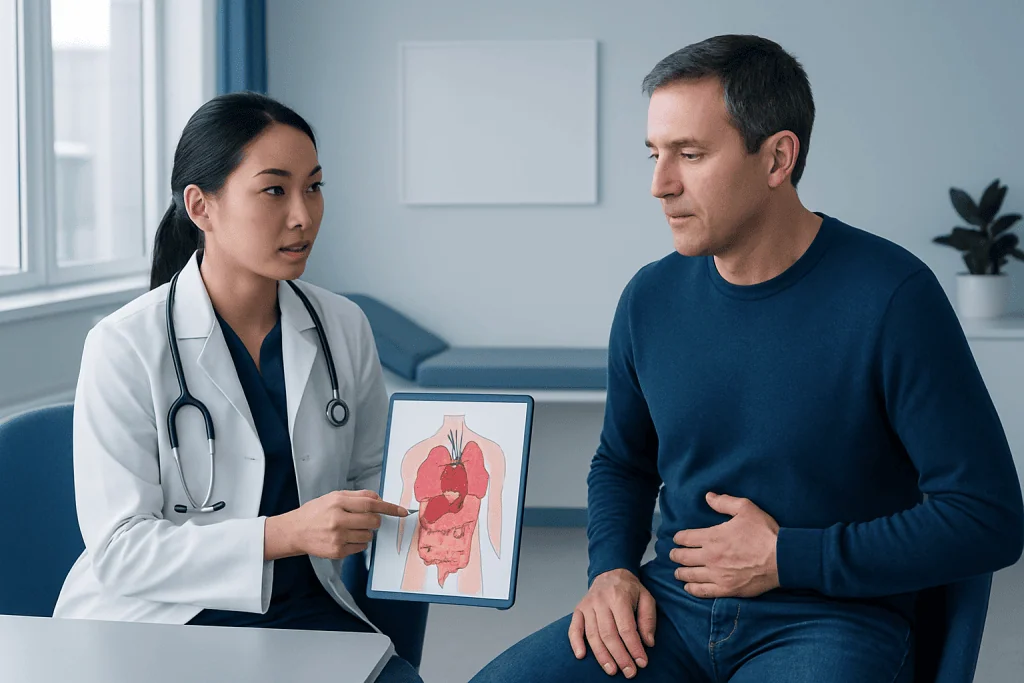
Symptoms linked to left-sided organs vary widely. A person may feel sharp pain, dull aching, burning, cramping, fullness, bloating, pressure, tenderness, or pain that spreads to the back, shoulder, arm, or groin. Some symptoms are clearly digestive, while others suggest breathing, heart, urinary, or musculoskeletal causes.
For example, stomach-related symptoms may include nausea, early fullness, heartburn, or pain after eating. Colon-related symptoms may include bloating, constipation, diarrhea, or cramping that improves after passing stool or gas. Kidney-related problems may cause flank pain, urinary burning, fever, or blood in the urine. Chest symptoms such as tightness, shortness of breath, or pain with exertion need more urgent attention because they can sometimes reflect heart or lung problems.
Not all left-sided discomfort comes from an internal organ. Strained muscles, rib irritation, shingles, pinched nerves, and referred pain from the back can also create symptoms in the same area. This is one reason symptoms are more informative when considered along with their timing, triggers, severity, and associated signs.
Common causes of pain or discomfort on the left side
The most common causes are often not dangerous. Digestive issues are frequent and include constipation, trapped gas, indigestion, acid reflux, gastritis, and irritable bowel syndrome. Muscle strain after exercise, coughing, awkward movement, or lifting can also cause soreness along the left ribs or abdominal wall. Mild symptoms that settle within a short time are often related to these everyday causes.
There are also organ-specific conditions that can cause left-sided symptoms. Stomach ulcers, inflammation of the pancreas, kidney stones, kidney infection, enlarged spleen, and inflammation of the colon may all affect the left side. A doctor may also consider diverticulitis when left lower abdominal pain is paired with fever, tenderness, or bowel habit changes. People with chronic digestive complaints may sometimes be evaluated for irritable bowel syndrome when structural disease is not found.
Chest discomfort on the left may come from the heart, lung, or chest wall. Causes can include angina, heart attack, inflammation around the heart, pneumonia, pleurisy, or a collapsed lung, as well as non-cardiac causes such as reflux or muscle strain. In younger people, chest pain is often benign, but severe or unexplained chest symptoms should never be ignored.
In the pelvis, left-sided pain may relate to the bowel, urinary tract, or reproductive organs. For some women, ovarian cysts, ovulation pain, or pelvic infection may be possibilities. During pregnancy, pelvic or abdominal pain deserves prompt medical review because the range of possible causes changes.
How doctors work out the cause
A medical assessment starts with a careful history. The doctor will ask where the discomfort is felt, how long it has lasted, whether it is constant or comes and goes, and what makes it better or worse. They will also ask about bowel movements, urination, appetite, fever, nausea, shortness of breath, menstrual history when relevant, injuries, medications, and past medical conditions.
The physical examination helps narrow down the likely source. The doctor may listen to the heart and lungs, check blood pressure and pulse, press on the abdomen to look for tenderness or guarding, and assess the back, ribs, and skin. In some cases, pelvic or rectal examination may be relevant, depending on the symptoms.
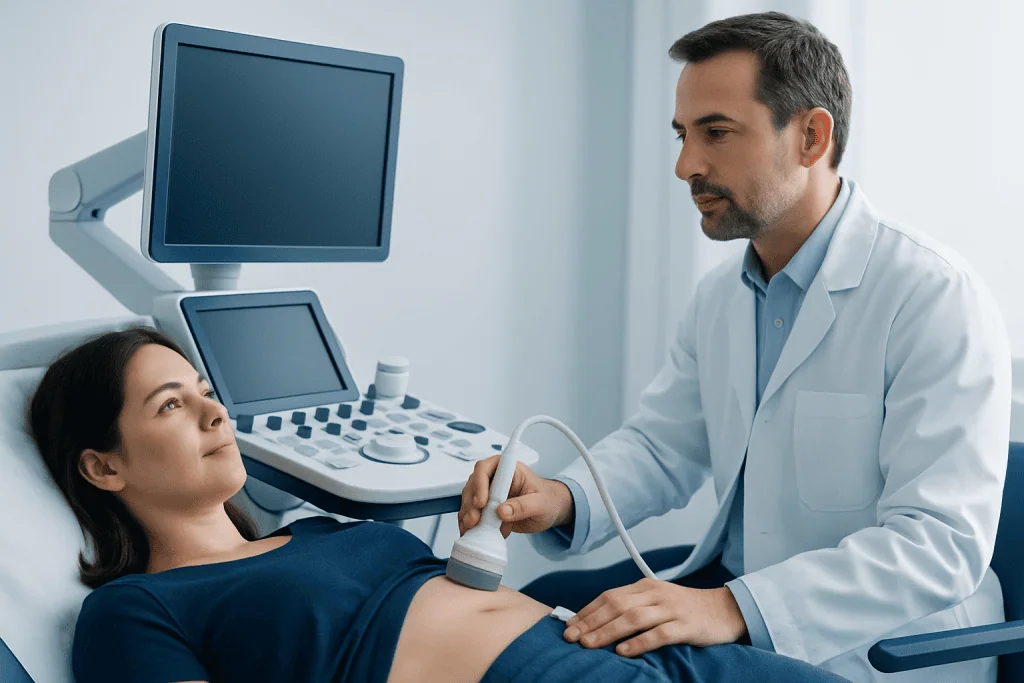
Tests are chosen based on the most likely causes rather than done routinely for everyone. These may include blood tests, urine tests, pregnancy testing, stool testing, chest X-ray, abdominal ultrasound, CT scan, or an ECG if chest symptoms are present. If the problem appears digestive, a person may be referred for endoscopy or colonoscopy to examine the lining of the digestive tract more closely.
The goal is to identify whether the symptoms are coming from the digestive system, urinary tract, heart, lungs, muscles, or another nearby structure. Many cases can be clarified with a straightforward evaluation, which is often reassuring for the patient as well as clinically useful.
When to seek medical care
It is sensible to seek urgent medical care for severe left-sided chest pain, chest pressure, trouble breathing, fainting, sudden weakness, new confusion, or pain that spreads to the arm, shoulder, back, or jaw. These symptoms can have several causes, but they should be assessed promptly to rule out serious heart or lung conditions.
Medical care is also important if left abdominal or flank pain is intense, lasts more than a short period, keeps returning, or comes with fever, repeated vomiting, black stools, blood in the stool, blood in the urine, jaundice, marked abdominal swelling, or inability to pass stool or gas. Pain after a fall or injury, or pain during pregnancy, also deserves prompt review.
Even when symptoms are milder, a routine medical appointment is appropriate if they persist, interfere with eating or sleeping, are associated with weight loss, or keep recurring without a clear explanation. Knowing what organs are on your left side can help a person describe the location, but a diagnosis depends on the whole clinical picture.
Treatment and self-care depend on the cause
Treatment is guided by the diagnosis rather than by location alone. Mild digestive symptoms may improve with hydration, regular meals, avoiding trigger foods, and short-term supportive measures advised by a clinician. Constipation-related discomfort often responds to increased fluid intake, movement, and dietary fiber when appropriate. Muscle strain may improve with rest, gentle activity, and local heat or cold.
More specific treatment may be needed when a doctor identifies a condition such as infection, kidney stones, ulcers, inflammatory bowel disease, or heart disease. Some people with persistent reflux symptoms may be assessed through gastroenterology evaluation, while chest symptoms may need urgent heart and lung testing. In more complex cases, specialist care helps match treatment to the underlying problem.
Self-care should remain cautious. It is reasonable to monitor mild, short-lived symptoms, but people should avoid repeated self-diagnosis if the pattern changes or warning signs appear. New, severe, or unexplained pain is always better assessed than ignored.
For international patients who need further evaluation, Acibadem International’s multidisciplinary specialists in JCI-accredited hospitals diagnose and treat a wide range of digestive, urinary, chest, and abdominal conditions.
Why left-sided pain is often harmless but still worth understanding
Left-sided sensations are common because this area contains active digestive organs, moving bowel, muscles between the ribs, and joints of the chest wall and spine. Everyday factors such as posture, diet, exercise, stress, and bowel habits can all affect how the area feels. That is why many episodes of mild discomfort settle without treatment or turn out to be due to a minor cause.
At the same time, left-sided symptoms should not be dismissed automatically. The same region can reflect a broad range of conditions, from gas and indigestion to problems involving the spleen, kidney, heart, or lung. The key practical message is balance: many symptoms are benign, but persistent, severe, or clearly unusual symptoms deserve professional assessment.
Understanding what organs are on your left side can make it easier to explain symptoms accurately and notice patterns, such as pain after meals, with deep breathing, with movement, or during urination. That information can help a doctor decide whether the cause is likely to be digestive, urinary, musculoskeletal, gynecologic, or cardiopulmonary.
Frequently asked questions
What organs are on your left side under the ribs?
Under the left ribs, the main organs include the stomach, spleen, part of the pancreas, part of the colon, and the upper portion of the left kidney farther toward the back. The left lung and the lower part of the heart are also above this area in the chest.
Is pain on the left side usually serious?
Not usually. Many cases are caused by gas, constipation, indigestion, or muscle strain. However, severe pain, persistent symptoms, or pain with chest pressure, trouble breathing, fever, vomiting, or bleeding should be assessed by a doctor.
Can the heart cause pain on the left side?
Yes. The heart sits slightly left of center, and heart-related pain may be felt on the left side of the chest, shoulder, arm, back, or jaw. Chest pain should be taken seriously, especially if it occurs with shortness of breath, sweating, nausea, or fainting.
What organ is in the lower left abdomen?
The lower left abdomen commonly includes the descending colon, sigmoid colon, and loops of small intestine. In women, the left ovary and fallopian tube are also in this region, and the ureter may also cause pain there.
Can gas cause pain on the left side?
Yes. Trapped gas in the stomach or colon can cause bloating, pressure, cramping, or sharp discomfort on the left side. This type of pain often changes after eating, passing gas, or having a bowel movement.
How do doctors check what is causing left-sided pain?
Doctors usually begin with questions about the exact location, timing, and associated symptoms, followed by a physical examination. Depending on the situation, they may use blood tests, urine tests, ECG, ultrasound, X-ray, CT, or digestive investigations to confirm the cause.
References
- MedlinePlus
- National Institute of Diabetes and Digestive and Kidney Diseases
- National Heart, Lung, and Blood Institute
- American College of Gastroenterology
- Mayo Clinic
This article is for general information only and is not a substitute for professional medical advice. Please consult a qualified doctor about your individual situation.
Persistent digestive symptoms? Get evaluated in Turkey
JCI-accredited · board-certified surgeons · reply within 24h
Add us as a Preferred Source to see more of our trusted health content across Google Search, AI Overviews and Discover.