What to Expect Before, During, and After Neuromodulation Treatment
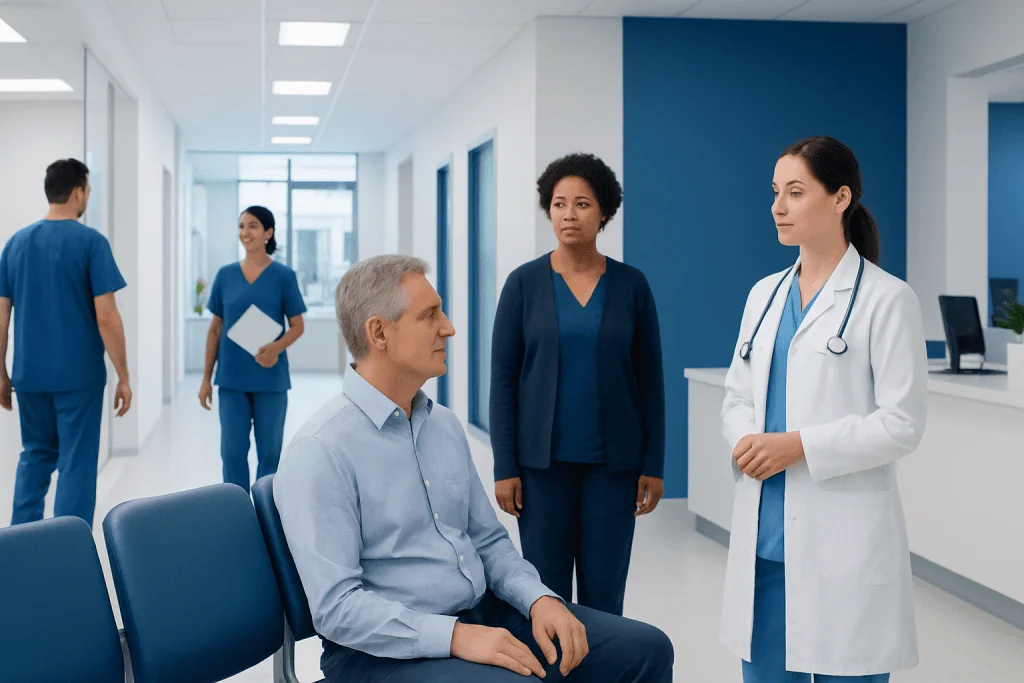
Neuromodulation treatment is a broad term that includes several therapies, so each care plan is individualized. Preparation usually involves a specialist assessment, imaging or other tests, medication review, and discussion of goals and risks.
Key Takeaways
- Neuromodulation treatment is a broad term that includes several therapies, so each care plan is individualized.
- Preparation usually involves a specialist assessment, imaging or other tests, medication review, and discussion of goals and risks.
- During treatment, the exact steps depend on whether the therapy is noninvasive, minimally invasive, or implant-based.
- Recovery often includes follow-up visits, device or setting adjustments, symptom tracking, and activity guidance.
- Patients should contact their doctor promptly for worsening symptoms, signs of infection, severe pain, or device-related concerns.
Neuromodulation treatment uses targeted electrical or chemical signals to change how nerves communicate, which may help certain pain, movement, or neurological conditions. Knowing what happens before, during, and after treatment can help patients feel more prepared and take an active role in recovery.
Overview of Neuromodulation Treatment
Neuromodulation treatment refers to therapies that change nerve activity in a controlled way. The goal is to improve symptoms by influencing how the brain, spinal cord, or peripheral nerves send and receive signals. Depending on the condition, this may reduce pain, improve movement, support bladder or bowel control, or help manage certain neurological symptoms.
It is not one single procedure. Neuromodulation includes a range of approaches, from noninvasive treatments performed through the skin to implantable devices placed near specific nerves. Examples may include spinal cord stimulation, deep brain stimulation, vagus nerve stimulation, sacral neuromodulation, and other forms of targeted nerve stimulation. For some people, it is considered when symptoms have not improved enough with medicines, physical therapy, or other treatments.
Doctors usually recommend neuromodulation only after a careful evaluation. The right option depends on the diagnosis, symptom pattern, overall health, previous treatments, and personal goals. A patient may also hear it discussed as part of broader care for conditions such as chronic pain, epilepsy, movement disorders, or certain pelvic floor problems.
Who May Benefit and Why It Is Used
Neuromodulation treatment may be considered for people with symptoms linked to abnormal nerve signaling. This can include selected cases of chronic pain, tremor, Parkinson’s disease, dystonia, epilepsy, headache disorders, spasticity, and bladder dysfunction. In some situations, it may also be part of care for digestive or pelvic conditions when conventional therapies have not provided enough relief.
Its purpose is usually symptom control rather than a cure. By adjusting nerve pathways, neuromodulation may help reduce pain intensity, decrease medication reliance, improve movement, or make daily activities easier. The expected benefit varies from person to person, and a specialist will usually explain what level of improvement is realistic for the specific condition.
Because many symptoms can have overlapping causes, diagnosis matters. For example, a person being assessed for tremor or movement problems may first need evaluation for Parkinson's disease or other neurological conditions. Likewise, a person with persistent nerve-related discomfort may undergo a broader review of pain sources before a treatment plan is made.
What to Expect Before Treatment
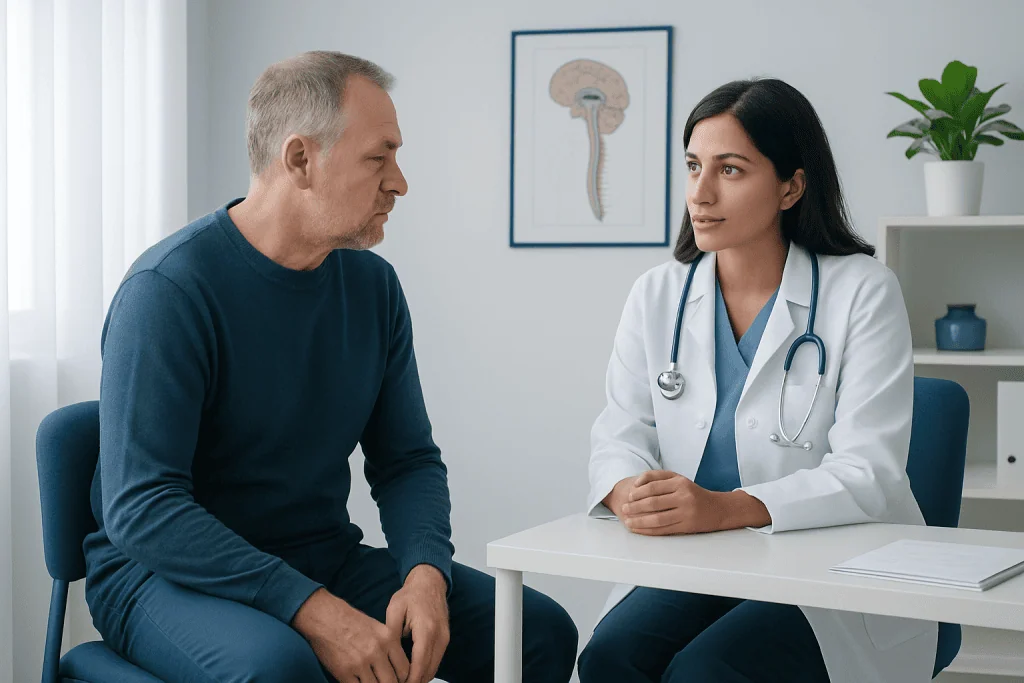
Before neuromodulation treatment, patients usually have a detailed consultation with a neurologist, neurosurgeon, pain specialist, or another relevant doctor. This visit often includes a review of symptoms, past treatments, medications, allergies, and overall medical history. The care team typically asks what symptoms are most disruptive and what the patient hopes to improve, such as walking, sleep, pain control, or independence in daily life.
Testing may be needed to confirm that neuromodulation is appropriate. Depending on the situation, this can include imaging, blood tests, nerve studies, heart evaluation, or neuropsychological assessment. Some implant-based therapies require a trial phase first, while others require careful surgical planning. Patients may also receive instructions about fasting, stopping certain medicines such as blood thinners, or arranging transportation and help at home after the procedure.
Education is an important part of preparation. The doctor should explain the benefits, limitations, possible side effects, and practical issues such as follow-up visits, battery charging, or future device adjustments. Many people find it helpful to bring a family member to the appointment and write down questions in advance.
- Ask what symptoms the treatment is most likely to improve.
- Discuss alternatives if neuromodulation is not suitable.
- Review medication changes carefully before the procedure.
- Find out how long recovery and follow-up may take.
What Happens During Neuromodulation Treatment
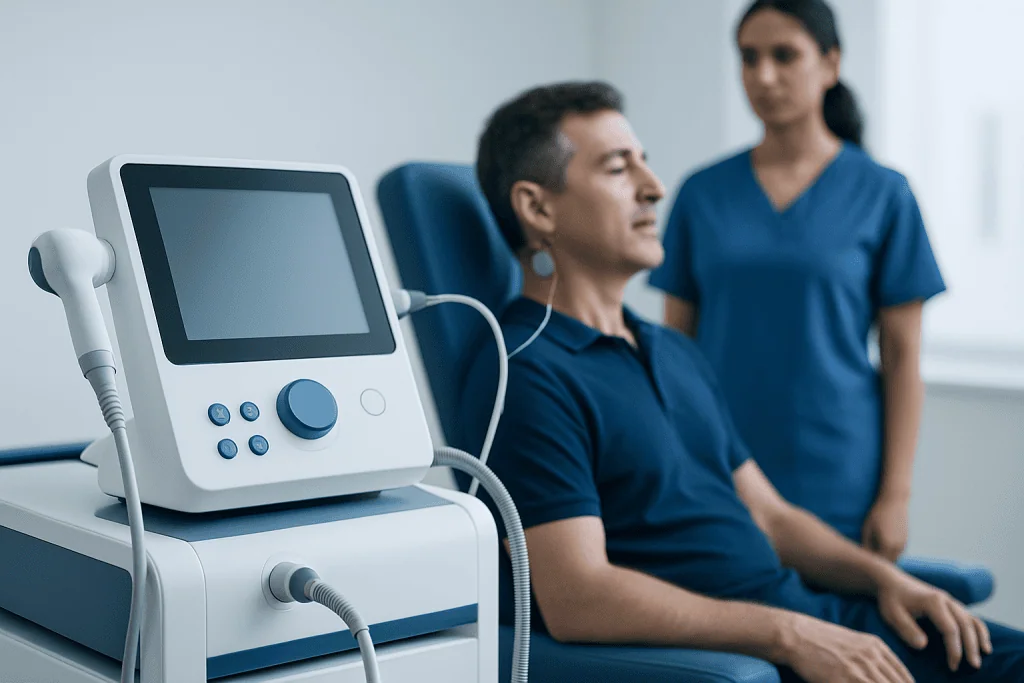
What happens during neuromodulation treatment depends on the type being used. Noninvasive forms may be performed in an outpatient setting and can involve external equipment placed on the skin or scalp. These sessions are usually shorter and do not require surgical incisions, although repeated visits may be needed over days or weeks.
Minimally invasive or implant-based procedures are more involved. They are often done in a procedure room or operating room with local anesthesia, sedation, or general anesthesia, depending on the device and the area being treated. The doctor places leads, electrodes, or a pulse generator in a carefully chosen location so stimulation can target the intended nerves. In some therapies, test stimulation is used to help confirm that the placement is effective before the system is finalized.
Patients may notice pressure, positioning changes, or mild discomfort depending on the procedure, but the team aims to keep them comfortable throughout. The length of treatment can vary widely. Some patients return home the same day, while others stay longer for observation, especially after a more complex implant procedure such as deep brain stimulation or other advanced therapies.
After Treatment and Early Recovery
After neuromodulation treatment, the immediate focus is recovery and monitoring. The care team checks for pain control, wound healing if there was an incision, and any early side effects such as temporary soreness, swelling, dizziness, or changes in sensation. If a device has been implanted, patients are usually given practical instructions on how to care for the incision site, when to bathe, and which activities to avoid during healing.
It is common for improvement to take time. Some people notice benefit soon after activation or initial sessions, while others need several programming adjustments before the full effect becomes clearer. Device-based therapies often require follow-up appointments to fine-tune settings for the best balance between symptom relief and side effects. This adjustment phase is a normal part of treatment rather than a sign that the therapy has failed.
Activity restrictions may be temporary. Patients may be asked to avoid heavy lifting, sudden twisting, or strenuous exercise for a period after implantation so the leads or device can settle properly. Keeping a symptom diary can be very useful during this stage because it helps the team understand how symptoms change across different settings, times of day, and activities.
Possible Risks, Side Effects, and Follow-Up Care
As with any medical treatment, neuromodulation treatment has possible risks and side effects. These depend on the specific method used. Noninvasive treatments may cause scalp discomfort, tingling, skin irritation, or headache. Implant-based therapies can also carry risks linked to procedures, such as bleeding, infection, lead movement, pain at the implant site, or the need for later revision or battery replacement.
Not every patient responds in the same way. Some people experience excellent symptom relief, while others have only partial improvement. Side effects may sometimes be reduced by reprogramming the device rather than removing it. Because of this, ongoing communication with the care team is important, especially during the first weeks or months after treatment.
Follow-up care is a key part of success. Appointments may include wound checks, device programming, medication review, rehabilitation, or reassessment of goals. In a multidisciplinary center, neurology, neurosurgery, pain management, rehabilitation, and psychology may work together to support longer-term outcomes. For selected patients, neuromodulation may be one part of broader care that can also include brain and nerve surgery or treatment for related causes of symptoms.
Self-Care, Daily Living, and When to See a Doctor
Good self-care after neuromodulation treatment starts with following the medical team’s instructions closely. Patients should take medicines as prescribed, attend all follow-up visits, and ask before resuming strenuous exercise, driving, or returning to work. If a rechargeable device is used, understanding the charging routine and device precautions is an important part of daily life.
In many cases, rehabilitation or supportive therapies continue after the procedure. Physical therapy, occupational therapy, counseling, or structured pain management can help patients get the most from treatment. Healthy sleep, regular movement within allowed limits, and stress management may also support symptom control. For people receiving neuromodulation as part of pain care, doctors may combine it with approaches such as pain management to improve overall function.
Patients should contact a doctor promptly if they develop fever, increasing redness or drainage at an incision site, severe or unusual pain, sudden worsening of neurological symptoms, device malfunction, or a clear loss of benefit. Emergency care is needed for serious symptoms such as chest pain, severe shortness of breath, confusion, or a sudden major change in strength, speech, or consciousness. Near the end of the treatment journey, some international patients choose centers such as Acibadem International, where multidisciplinary specialists in JCI-accredited hospitals diagnose and treat complex neurological conditions with coordinated follow-up.
Frequently asked questions
Is neuromodulation treatment surgery?
Sometimes, but not always. Neuromodulation includes both noninvasive therapies and implant-based procedures. The exact approach depends on the condition being treated and the type of stimulation recommended.
How long does it take to recover after neuromodulation treatment?
Recovery time varies widely. Noninvasive treatments may allow a return to normal activities the same day, while implant procedures often require a healing period and temporary activity restrictions. Many patients also need follow-up visits for device adjustment before the full benefit is clear.
Will neuromodulation treatment cure the condition?
In most cases, neuromodulation is used to manage symptoms rather than cure the underlying condition. Its goal is to improve function, comfort, or quality of life. A specialist can explain what degree of improvement is realistic for an individual patient.
Does neuromodulation treatment hurt?
Discomfort depends on the type of treatment. Noninvasive sessions may cause mild tingling, pressure, or temporary scalp discomfort, while implant-based procedures can lead to short-term soreness during recovery. The medical team works to keep patients as comfortable as possible and can suggest ways to manage symptoms.
What are the most common side effects?
Common side effects vary by therapy but may include temporary soreness, tingling, headache, skin irritation, or swelling near a treatment or implant site. Implant-based therapies may also have procedure-related risks such as infection or lead movement. Many issues can be managed with follow-up care and device adjustments.
Can a neuromodulation device be adjusted after implantation?
Yes, many implanted neuromodulation systems are designed to be programmed and adjusted over time. This helps tailor treatment to symptom changes and reduce side effects. Regular follow-up is important because the best settings may change as recovery progresses.
References
- World Health Organization
- National Institute of Neurological Disorders and Stroke
- National Institute for Health and Care Excellence
- International Neuromodulation Society
- American Association of Neurological Surgeons
This article is for general information only and is not a substitute for professional medical advice. Please consult a qualified doctor about your individual situation.
Neuromodulation in Turkey — costs, top hospitals & a free quote
JCI-accredited · board-certified surgeons · reply within 24h
Add us as a Preferred Source to see more of our trusted health content across Google Search, AI Overviews and Discover.