What to Expect From a Migraine Diagnosis: Tests, Triggers, and Next Steps

Migraine is often diagnosed from a careful medical history and symptom pattern. Imaging or blood tests may be used to rule out other causes, but they do not diagnose most migraines directly.
Key Takeaways
- Migraine is often diagnosed from a careful medical history and symptom pattern.
- Imaging or blood tests may be used to rule out other causes, but they do not diagnose most migraines directly.
- Keeping a headache diary can help identify triggers and improve treatment decisions.
- Treatment may include acute medicines, preventive therapies, and lifestyle changes.
- Medical review is important if headaches are new, unusually severe, or linked to neurologic warning signs.
Migraine diagnosis usually starts with a detailed discussion of symptoms, headache patterns, and possible triggers rather than a single definitive test. Understanding what to expect can help patients feel more prepared for evaluation, treatment planning, and long-term self-management.
Overview: how migraine is diagnosed
A migraine diagnosis is usually made by listening carefully to a person’s symptoms and reviewing their medical history. Unlike some conditions, migraine does not usually have one single blood test, scan, or procedure that confirms it. Instead, doctors look for a pattern of headache attacks and associated features such as nausea, sensitivity to light or sound, and visual changes.
Many people worry that diagnosis will be complicated or invasive. In most cases, the first and most important step is a detailed conversation. A doctor may ask when headaches began, how long they last, where the pain is felt, what the pain feels like, and whether symptoms interfere with work, school, or sleep.
Migraine is a neurologic condition, not simply a “bad headache.” Some people have migraine with aura, which can involve visual symptoms, tingling, or speech changes before or during the headache. Others have migraine without aura. The goal of diagnosis is to identify the migraine type, rule out other causes, and build an effective plan for treatment and prevention.
Symptoms doctors look for
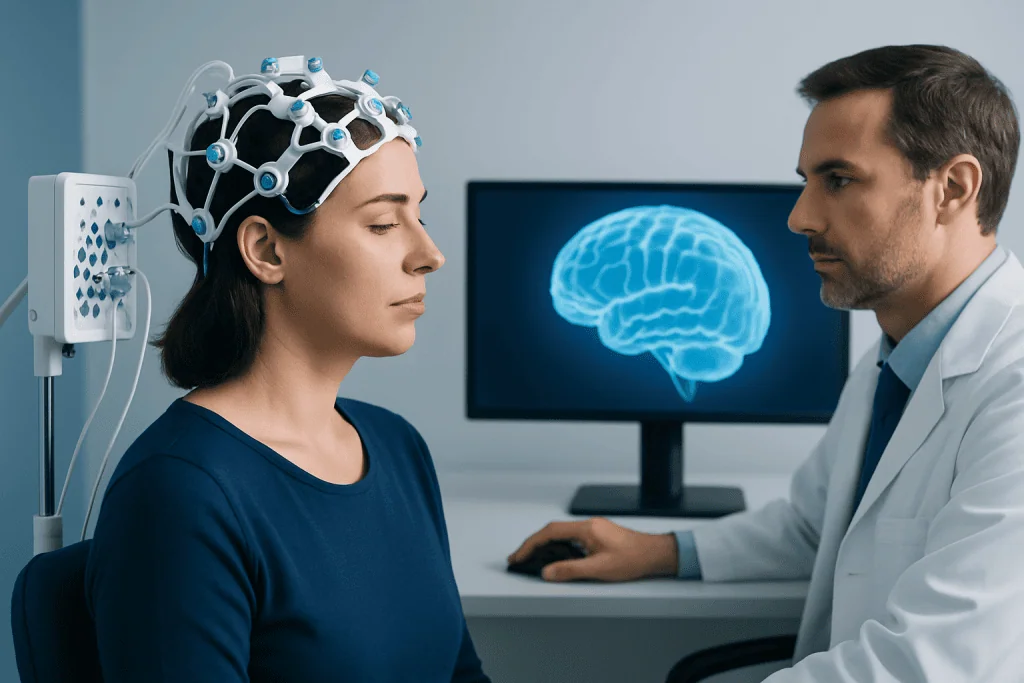
Migraine symptoms can vary from person to person, but certain patterns are common. The headache is often moderate to severe, may throb or pulse, and is frequently worse with routine activity. It may affect one side of the head, though both sides can also be involved.
Doctors also ask about symptoms that happen before, during, or after the headache. These can include nausea, vomiting, sensitivity to light, sensitivity to sound, dizziness, neck discomfort, fatigue, and difficulty concentrating. Some people feel tired, irritable, or mentally “foggy” for hours or even a day after the pain improves.
Aura symptoms are especially important to describe clearly. They may include flashing lights, zigzag lines, blind spots, numbness, tingling, or trouble speaking that usually develop gradually and then pass. A clear symptom history helps distinguish migraine from other headache disorders such as tension-type headache or cluster headache.
- How often the headaches happen
- How long each attack lasts
- Whether symptoms build gradually or start suddenly
- What makes the headache better or worse
- Whether over-the-counter medicines are being used often
Triggers, risk factors, and why a headache diary helps

Triggers do not cause migraine in the same way that an infection causes illness, but they can make attacks more likely in someone who is susceptible. Common triggers include missed meals, dehydration, poor sleep, stress, hormonal changes, alcohol, bright lights, strong smells, weather shifts, and certain foods. Not every person has the same triggers, and not every exposure will lead to an attack.
Doctors often recommend a headache diary because it can reveal patterns that are easy to miss in daily life. Patients can record the date, time, severity, symptoms, possible triggers, menstrual cycle timing if relevant, medicines taken, and how well those medicines worked. Over time, this information may help identify practical changes that reduce attack frequency.
Risk factors can also guide the conversation. Migraine often runs in families, so a family history of migraine is useful to mention. Women are affected more often than men, and hormonal fluctuations can play a major role. Anxiety, depression, poor sleep, and other pain conditions may also influence how often migraine occurs and how disabling it feels.
Tests that may be used during a migraine evaluation
Most people with a typical migraine pattern and a normal neurologic examination do not need extensive testing. However, tests may be recommended when symptoms are unusual, the headache pattern changes, or there are signs that another condition should be ruled out. In these situations, testing is used to look for other explanations rather than to “prove” migraine itself.
A doctor may perform a full neurologic examination to check vision, eye movements, reflexes, strength, balance, sensation, and speech. Depending on the person’s symptoms, imaging such as MRI or CT can help evaluate structural causes of headache. Blood tests may be ordered if infection, inflammation, metabolic problems, or other systemic conditions are suspected.
In selected cases, additional evaluations may be needed. These can include an eye examination, blood pressure assessment, or tests for sinus, sleep, or neck-related problems when symptoms point in those directions. If there are warning signs, a doctor may consider urgent neuroimaging or referral to a specialist in neurology care.
- MRI or CT if headaches are new, unusual, or linked to neurologic concerns
- Blood tests when another medical cause is possible
- Eye examination if visual symptoms need further assessment
- Review of medication use to check for medication-overuse headache
When doctors look for causes other than migraine
Part of a careful migraine diagnosis is knowing when a headache may not fit a typical migraine pattern. Doctors pay close attention to so-called red flags. These do not always mean something serious is present, but they indicate that further evaluation may be needed promptly.
Examples include a sudden “thunderclap” headache that reaches maximum intensity within moments, a new headache after age 50, headaches that steadily worsen over time, or headaches associated with fever, confusion, fainting, seizures, cancer, or immune system problems. New neurologic symptoms that do not follow a typical aura pattern also deserve medical attention.
Headaches can sometimes be related to other conditions such as infection, blood vessel disorders, head injury, pressure changes in the brain, or medication overuse. Distinguishing migraine from another problem is one reason expert assessment matters. In some patients, doctors may also consider conditions such as brain tumor or stroke-like events based on the overall clinical picture, even though these are much less common causes of recurring headache.
Next steps after a migraine diagnosis
After migraine is diagnosed, the next step is to create a treatment plan that matches the frequency and severity of attacks. For some people, this mainly involves education, trigger management, and medicine taken at the start of an attack. For others, especially those with frequent or disabling migraine, preventive treatment may also be recommended.
Acute treatments are intended to stop or reduce a migraine once it begins. These may include over-the-counter pain relievers, prescription migraine-specific medicines, anti-nausea medicines, and practical measures such as rest, hydration, and a dark quiet room. The choice depends on the person’s symptoms, age, medical history, and how often attacks occur.
Preventive treatment aims to reduce how often migraine happens and how severe it becomes. This can include daily or periodic medications, non-drug approaches, or selected procedures in appropriate patients. Some people benefit from structured care through headache treatment programs, and patients with chronic migraine may be evaluated for options such as Botox treatment.
Follow-up is an important part of care. Migraine treatment often needs adjustment over time, especially if triggers change, attacks become more frequent, or a medicine causes side effects. The aim is steady improvement in symptom control, daily function, and quality of life rather than a one-time fix.
Prevention and self-care in daily life
Self-care is a key part of migraine management. Small daily habits can make a meaningful difference because migraine brains tend to respond better to consistency. Regular sleep, balanced meals, adequate hydration, and planned stress management are often as important as medication.
Patients are usually encouraged to avoid skipping meals, maintain a steady caffeine intake rather than large fluctuations, and build a realistic exercise routine if their doctor agrees it is appropriate. Relaxation techniques, mindfulness, and cognitive behavioral strategies can also help some people reduce the impact of stress-related attacks.
It is also important to use pain medicines carefully. Taking acute headache medicine too often can lead to medication-overuse headache, which may make headaches more frequent and harder to treat. A doctor can explain safe use and whether preventive treatment is a better strategy.
For international patients who need specialist evaluation, Acibadem International’s multidisciplinary specialists and JCI-accredited hospitals diagnose and treat migraine and related headache disorders, including access to MRI when imaging is medically needed.
When to see a doctor urgently
Many migraines can be assessed in a routine medical appointment, but some headache symptoms should not wait. Immediate medical care is important for a sudden, extremely severe headache, especially if it is the worst headache a person has ever felt or reaches peak intensity in seconds to minutes.
Urgent assessment is also needed if headache is accompanied by weakness, trouble speaking, confusion, fainting, seizure, persistent vision loss, high fever, stiff neck, or symptoms after a head injury. These features may point to causes other than migraine and require prompt testing and treatment.
Even without emergency signs, a doctor visit is a good idea if headaches are becoming more frequent, waking a person from sleep, no longer responding to usual medicines, or affecting daily life. Early evaluation can help confirm the diagnosis, avoid unnecessary suffering, and guide safer long-term management.
Frequently asked questions
Is there a specific test that confirms migraine?
Usually, no single test confirms migraine. Doctors most often diagnose it by reviewing symptoms, headache pattern, medical history, and the neurologic examination. Tests such as MRI, CT, or blood work are mainly used when another cause needs to be ruled out.
Why would a doctor order a brain scan for headaches?
A brain scan may be ordered if the headache pattern is unusual, suddenly changes, or is linked to warning signs such as weakness, confusion, or seizures. Scans help exclude other causes like bleeding, structural problems, or inflammation. Many people with typical migraine do not need routine imaging.
What should a patient track in a headache diary?
A headache diary should include when the headache starts, how long it lasts, pain severity, associated symptoms, possible triggers, and any medicine taken. It can also be helpful to record sleep, meals, stress, hydration, menstrual cycle timing, and response to treatment. This information often makes diagnosis and treatment planning more accurate.
Can migraine symptoms happen without a severe headache?
Yes. Some people may have aura symptoms, dizziness, nausea, or sensitivity to light with only mild head pain or even no headache at all. Because these symptoms can overlap with other conditions, they should still be discussed with a doctor.
When is migraine considered chronic?
Chronic migraine is generally considered when headaches occur on 15 or more days per month for more than three months, with migraine features on at least some of those days. This distinction matters because treatment strategies may differ from episodic migraine. A specialist can help confirm whether the pattern meets criteria.
Can too much pain medicine make migraines worse?
Yes. Frequent use of some acute pain medicines can lead to medication-overuse headache, which may increase headache frequency and reduce treatment effectiveness. A doctor can review current medicine use and suggest safer alternatives or preventive options if needed.
References
- World Health Organization
- American Headache Society
- National Institute of Neurological Disorders and Stroke
- International Headache Society
- Mayo Clinic
This article is for general information only and is not a substitute for professional medical advice. Please consult a qualified doctor about your individual situation.
Migraine in Turkey — costs, top hospitals & a free quote
JCI-accredited · board-certified surgeons · reply within 24h
Add us as a Preferred Source to see more of our trusted health content across Google Search, AI Overviews and Discover.
Check your numbers in seconds
BMI, calories, due date, blood pressure and 30+ more clinical calculators — free, instant, doctor-reviewed ranges.