What’s the Difference Between Hemorrhoid and Polyp — Explained by Medical Evidence, Not Myths

Hemorrhoids are enlarged veins; polyps are growths arising from the lining of the rectum or colon. Bright red rectal bleeding can occur with either condition, so it should not be assumed to be caused by hemorrhoids.
Key Takeaways
- Hemorrhoids are enlarged veins; polyps are growths arising from the lining of the rectum or colon.
- Bright red rectal bleeding can occur with either condition, so it should not be assumed to be caused by hemorrhoids.
- Many polyps are benign, but some can develop into colorectal cancer over time if not removed.
- A clinician may use an examination, anoscopy, sigmoidoscopy, or colonoscopy to identify the source of bleeding.
- Fiber, fluids, regular activity, and avoiding straining can help reduce hemorrhoid symptoms, but they do not treat polyps.
- Persistent bleeding, bowel-habit changes, unexplained weight loss, or anemia need medical assessment.
Hemorrhoids and polyps can both cause rectal bleeding, but they are different conditions. Hemorrhoids are swollen veins around the anus or lower rectum, whereas polyps are abnormal tissue growths inside the rectum or colon that may require removal and laboratory testing.
Overview: How Hemorrhoids and Polyps Differ
What’s the difference between hemorrhoid and polyp? Hemorrhoids are swollen or enlarged veins in or around the anus and lower rectum. Polyps are abnormal growths of tissue that develop from the inner lining of the rectum or colon. Although both can sometimes lead to bleeding from the rectum, they have different causes, locations, evaluation needs, and treatments.
Hemorrhoids are very common and often relate to pressure during bowel movements, constipation, pregnancy, or prolonged sitting. Polyps are usually painless and often cause no symptoms at all. They are commonly found during screening tests such as colonoscopy, and a clinician may remove them because certain types can become cancerous over years.
It is not possible to reliably tell the difference based only on bleeding, discomfort, or what is seen in the toilet. Rectal bleeding should be discussed with a qualified healthcare professional, particularly when it is new, recurrent, or accompanied by other digestive symptoms.
Where They Develop and What They Look Like
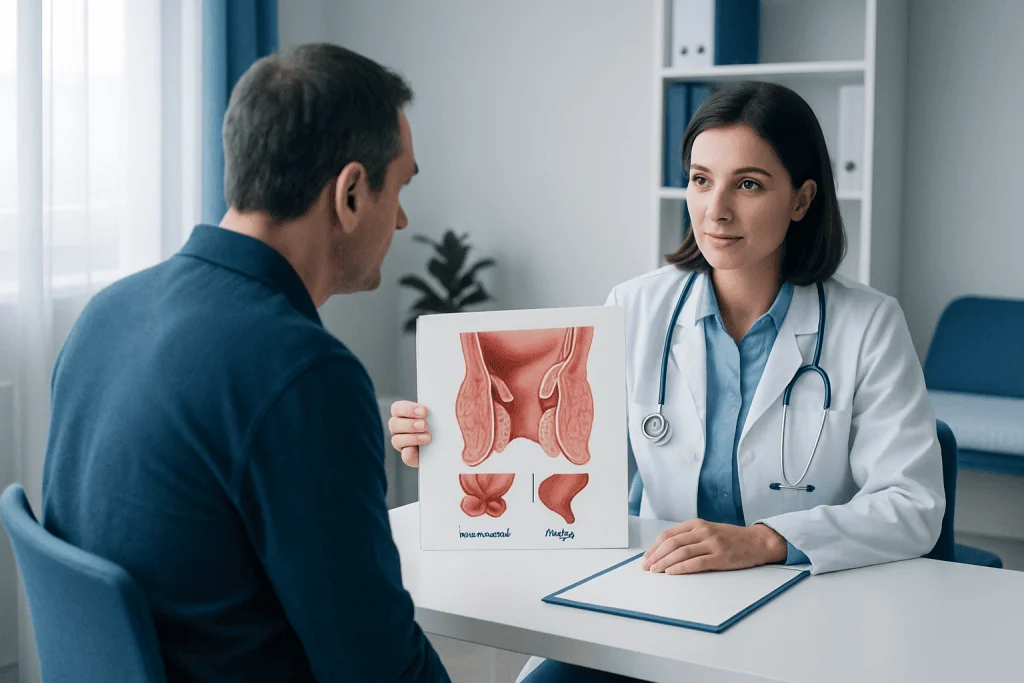
Hemorrhoids develop in vascular cushions of the anal canal. Internal hemorrhoids are located inside the rectum and may bleed without pain. External hemorrhoids occur beneath the skin around the anus and can itch, feel tender, or form a painful lump if a blood clot develops within them.
Polyps arise from the mucosal lining of the large bowel. They may be found in the rectum, where they can be closer to the anus, or higher in the colon. Some are small and flat, while others project outward on a stalk. Their appearance and microscopic features help clinicians determine the type of polyp and whether follow-up surveillance is needed.
Unlike hemorrhoids, polyps are not swollen veins and cannot be treated with creams, sitz baths, or changes in toilet habits alone. A polyp is usually assessed and, when appropriate, removed during endoscopy. Information about colon polyps can help patients understand why assessment and follow-up are important.
Symptoms: What May Overlap and What May Be Different
Both hemorrhoids and polyps can cause bright red blood on toilet paper, in the toilet bowl, or on the outside of stool. This overlap is why self-diagnosis can be misleading. Hemorrhoid bleeding often occurs with bowel movements and may come and go, especially during episodes of constipation or straining.
Hemorrhoids may also cause anal itching, irritation, swelling, mucus, a sensation of incomplete cleaning, or pain around the anus. Pain is more likely with external hemorrhoids or a thrombosed external hemorrhoid. Internal hemorrhoids can sometimes protrude through the anus during a bowel movement.
Most polyps do not cause noticeable symptoms. When symptoms occur, they may include rectal bleeding, mucus in stool, or a change in bowel habits. Larger polyps may occasionally contribute to constipation, diarrhea, or abdominal discomfort. Slow bleeding from a polyp can also lead to iron-deficiency anemia, which may cause tiredness or shortness of breath.
- Bleeding with itching or a tender anal lump may suggest hemorrhoids, but still warrants assessment if it persists.
- Bleeding with altered bowel habits, anemia, weight loss, or abdominal symptoms requires timely medical review.
- Symptoms alone cannot confirm whether a person has hemorrhoids, a polyp, or another condition.
Causes and Risk Factors
Hemorrhoids are associated with increased pressure in the veins of the lower rectum and anus. Common contributors include straining during bowel movements, chronic constipation or diarrhea, spending a long time sitting on the toilet, low fiber intake, pregnancy, heavy lifting, obesity, and aging. A family tendency may also play a role.
Polyps develop when cells in the bowel lining grow in an abnormal pattern. Risk increases with age, although polyps can occur in younger adults. Family history of colorectal polyps, colorectal cancer, or inherited syndromes can raise risk. Other factors associated with colorectal polyp risk include smoking, higher alcohol intake, excess body weight, physical inactivity, and diets low in fiber and high in processed meats.
Having hemorrhoids does not cause polyps, and having polyps does not cause hemorrhoids. However, a person can have both conditions at the same time. This is one reason a clinician may recommend further testing rather than attributing bleeding to an already known hemorrhoid.
How Doctors Diagnose the Cause of Rectal Bleeding
A clinician usually begins by asking about the bleeding pattern, bowel habits, pain, medications, family history, and other symptoms. They may perform a visual inspection of the anal area and a gentle digital rectal examination. This can help identify external hemorrhoids, some internal hemorrhoids, fissures, masses, and other possible causes.
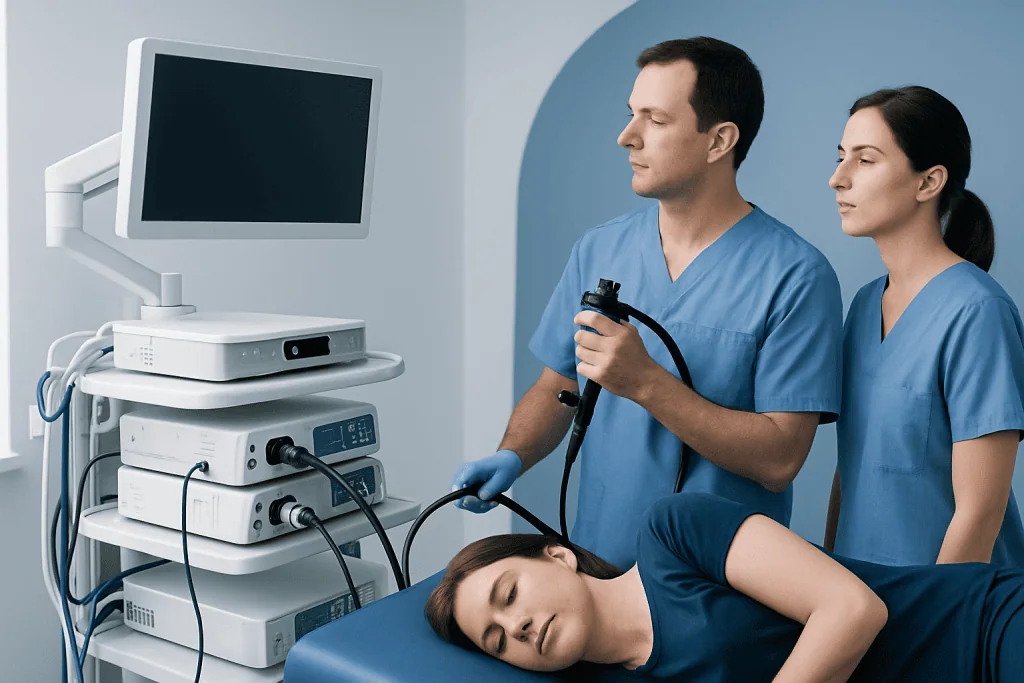
Anoscopy is a short examination of the anal canal and lower rectum using a lighted instrument. It can be useful for confirming internal hemorrhoids. If there is concern for a polyp or a source of bleeding higher in the bowel, the clinician may recommend sigmoidoscopy or colonoscopy. Colonoscopy examines the entire colon and allows many polyps to be removed during the same procedure.
Removed polyps are examined in a laboratory to identify their type. The result guides whether and when another colonoscopy may be needed. Blood tests may also be requested if there are signs of significant or ongoing blood loss. Colonoscopy is both a diagnostic examination and an important method for removing many colorectal polyps.
Treatment Options and What to Expect
Many mild hemorrhoid symptoms improve with conservative care. This usually includes increasing dietary fiber gradually, drinking enough fluids, staying physically active, responding to the urge to pass stool, and avoiding straining or prolonged toilet sitting. Warm baths and short-term over-the-counter topical products may help some people, but they should not replace medical assessment of recurrent bleeding.
If symptoms continue, clinicians may offer office-based procedures for internal hemorrhoids, such as rubber band ligation, injection therapy, or infrared coagulation. Larger, prolapsing, or persistently troublesome hemorrhoids may need surgical treatment. The most appropriate option depends on the type, grade, symptoms, and overall health of the individual.
Polyps are generally removed when found, often during colonoscopy with specialized tools. Removal is important because it establishes a diagnosis and can prevent some precancerous polyps from progressing. Larger or complex polyps may require advanced endoscopic techniques or, less commonly, surgery. Hemorrhoid treatment and polyp management should always be based on an individual medical evaluation.
Prevention and Everyday Self-care
Healthy bowel habits may reduce the likelihood of hemorrhoid flare-ups. A fiber-rich eating pattern can make stool softer and easier to pass; useful sources include vegetables, fruit, beans, lentils, whole grains, nuts, and seeds. Fiber should be increased gradually, and adequate fluid intake helps it work effectively.
Regular movement supports bowel regularity and general health. It may also help to avoid delaying bowel movements, straining, reading or scrolling on the toilet for long periods, and repeatedly lifting heavy objects without appropriate technique. These measures can relieve pressure in the anal area but cannot rule out other causes of bleeding.
There is no guaranteed way to prevent all colorectal polyps. However, following recommended colorectal cancer screening, not smoking, limiting alcohol, maintaining a healthy weight, staying active, and eating a balanced diet support colorectal health. People with a personal or family history of polyps or colorectal cancer may need earlier or more frequent screening based on their clinician’s advice.
When to Seek Medical Care
Any new rectal bleeding deserves medical attention, even when hemorrhoids seem likely. A clinician can determine whether the bleeding is from hemorrhoids, a polyp, an anal fissure, inflammatory bowel disease, diverticular disease, colorectal cancer, or another condition. Early assessment is usually straightforward and helps guide appropriate care.
Urgent medical evaluation is needed for heavy bleeding, dizziness, fainting, black or tar-like stools, severe abdominal pain, fever, or weakness. Prompt assessment is also important when bleeding continues or returns, or when there is an unexplained change in bowel habits, persistent abdominal discomfort, unintentional weight loss, or symptoms of anemia.
Acibadem International’s multidisciplinary specialists and JCI-accredited hospitals support international patients who need evaluation and treatment for anorectal and colorectal conditions. A qualified doctor can explain the appropriate examination, screening plan, and treatment options for each person.
Frequently asked questions
Can a hemorrhoid turn into a polyp?
No. Hemorrhoids are enlarged veins in the anus or lower rectum, while polyps are tissue growths from the bowel lining. One condition does not transform into the other, although both can occur in the same person.
Are polyps more serious than hemorrhoids?
Polyps often need closer evaluation because some types can become colorectal cancer over time. Most hemorrhoids are not dangerous, but rectal bleeding should not automatically be attributed to hemorrhoids without appropriate medical assessment.
Can hemorrhoids and polyps both cause bright red blood?
Yes. Both may cause bright red bleeding with bowel movements, particularly when a polyp is located in the rectum. The color or amount of blood alone cannot reliably identify the cause.
Can a doctor see a polyp during a rectal examination?
A rectal examination may detect some low rectal polyps, but it cannot assess the entire rectum and colon. Endoscopic testing, such as sigmoidoscopy or colonoscopy, is often needed to find polyps farther inside the bowel.
Do hemorrhoid creams remove polyps?
No. Hemorrhoid creams may temporarily reduce irritation, itching, or swelling from hemorrhoids, but they do not remove or treat polyps. Polyps generally require endoscopic assessment and are often removed during colonoscopy.
When should rectal bleeding be checked by a doctor?
New, persistent, or recurrent rectal bleeding should be discussed with a doctor. Seek urgent care for heavy bleeding, fainting, dizziness, black stools, severe pain, or symptoms suggesting significant blood loss.
References
- National Institute of Diabetes and Digestive and Kidney Diseases
- American Society of Colon and Rectal Surgeons
- American Cancer Society
- Mayo Clinic
- National Health Service
This article is for general information only and is not a substitute for professional medical advice. Please consult a qualified doctor about your individual situation.
Persistent digestive symptoms? Get evaluated in Turkey
JCI-accredited · board-certified surgeons · reply within 24h
Add us as a Preferred Source to see more of our trusted health content across Google Search, AI Overviews and Discover.