

When a Second Opinion for an Infection Is Worth Getting

A second opinion can be helpful if an infection is not improving or keeps coming back. It may clarify an uncertain diagnosis or explain conflicting test results.
Key Takeaways
- A second opinion can be helpful if an infection is not improving or keeps coming back.
- It may clarify an uncertain diagnosis or explain conflicting test results.
- Another review is especially valuable before long-term, high-risk, or invasive treatment.
- Seeking a second opinion does not mean distrust; it is a practical part of informed care.
- Bringing records, test results, and a medication list makes the second opinion more useful.
A second opinion for an infection can help when symptoms do not improve, test results are unclear, or treatment raises important questions. In many cases, another specialist review can confirm the plan, identify a different cause, or suggest a more suitable approach.
Overview
Infections are common, and many improve with standard treatment. However, some situations are less straightforward. Symptoms may continue despite antibiotics, the source of the infection may be uncertain, or different doctors may interpret the same findings in different ways. In these cases, a second opinion for an infection can provide clarity and reassurance.
A second opinion means asking another qualified clinician—often an infectious diseases specialist—to review the diagnosis, test results, and treatment plan. This may confirm that the current approach is appropriate, or it may uncover another explanation such as a non-infectious condition, a resistant organism, or a complication that needs a different strategy.
Getting another opinion is not unusual, and it does not imply that anyone has done something wrong. Medicine sometimes involves uncertainty, especially when symptoms overlap with other illnesses. A careful re-evaluation can help a person feel more confident about the next steps and avoid unnecessary delay, medication exposure, or procedures.
Signs That a Second Opinion May Be Helpful
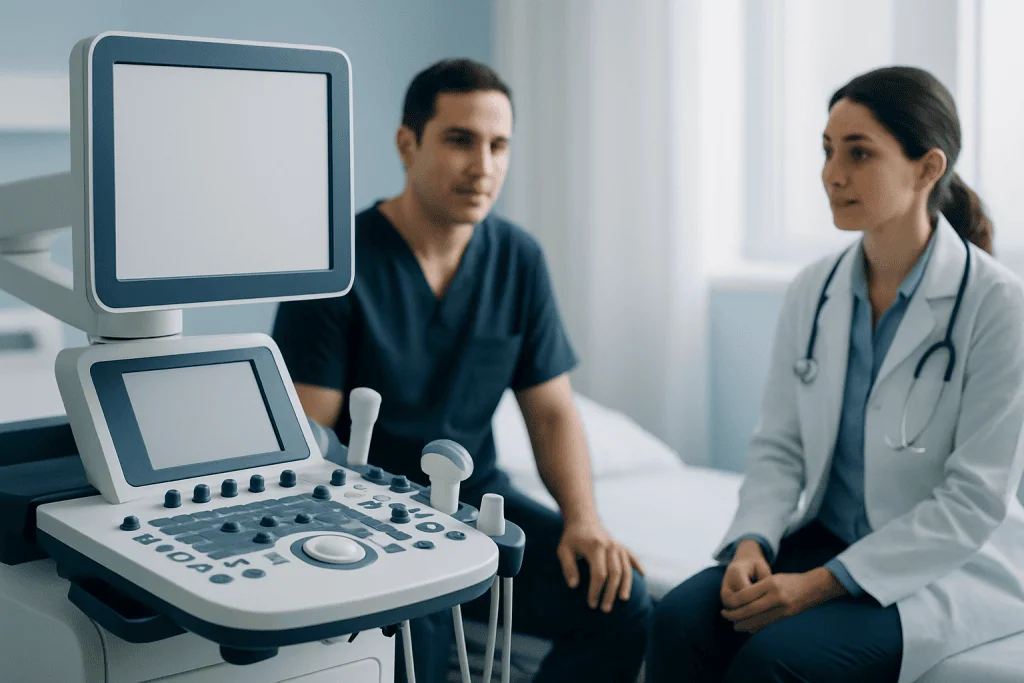
One of the clearest reasons to seek a second opinion is when an infection does not improve as expected. This may include fever that continues, pain or swelling that worsens, a wound that is not healing, or ongoing urinary, respiratory, or digestive symptoms despite treatment. Repeated infections in the same area can also deserve another review.
A second opinion can also be useful when the diagnosis itself is uncertain. Sometimes symptoms resemble infection but may be caused by inflammation, an autoimmune condition, a medication reaction, or another disease. If test results are inconclusive, cultures are negative, or imaging findings are difficult to interpret, a fresh assessment may help narrow the possibilities.
Other reasons include being advised to start prolonged antibiotics, intravenous treatment, surgery, or hospital admission when the situation is not an emergency. It can also be wise to ask another specialist if there are concerns about antibiotic side effects, possible drug resistance, infection during pregnancy, infection in a person with a weakened immune system, or a complicated illness such as sepsis.
- Symptoms are persisting or getting worse
- The infection keeps returning
- Test results are conflicting or unclear
- Treatment involves long-term or high-risk decisions
- There is concern about complications or an unusual organism
Why Diagnoses and Treatments May Differ

Different opinions can happen for understandable reasons. Not all infections present in a textbook way. Some are caused by bacteria, while others are due to viruses, fungi, or parasites. In other cases, there may be no infection at all, even though symptoms suggest one. The timing of tests, prior antibiotic use, and the site of infection can all affect results.
Doctors may also differ in how they weigh symptoms, physical examination findings, laboratory tests, imaging, and microbiology reports. For example, a positive culture does not always mean that a germ is causing the illness; sometimes it reflects colonization rather than active infection. Likewise, negative tests do not always rule infection out, especially if samples were obtained after treatment started.
Treatment recommendations can vary based on suspected cause, severity, drug allergies, kidney or liver function, pregnancy status, and local resistance patterns. A second opinion may therefore offer a more tailored view. In some cases, additional testing such as MRI or CT scan may be suggested if a deep abscess, bone infection, or another hidden source is being considered.
What Happens During a Second Opinion
During a second-opinion visit, the clinician usually reviews the full medical story from the beginning. This includes the timeline of symptoms, previous illnesses, travel, recent hospital stays, procedures, animal exposures, sexual history when relevant, and any antibiotics already taken. These details can be very important in infectious diseases.
The doctor may also examine all available records, including blood tests, cultures, pathology reports, and imaging. It is often helpful to bring a list of medications, allergies, chronic conditions, and any previous treatment responses. If possible, copies of scans or reports can make the review more complete and may prevent repeating tests unnecessarily.
After this assessment, the doctor may agree with the original diagnosis and explain why the current plan is reasonable. Alternatively, they may recommend a different antibiotic, a shorter or longer treatment course, a procedure to drain infected fluid, or further testing to identify the source. If there is concern for complications affecting organs or soft tissues, the team may coordinate with services such as ultrasound or surgical specialties when needed.
Conditions and Situations That Often Merit Another Review
Some infections are more likely to benefit from specialist reassessment. These include bone and joint infections, infected medical devices, bloodstream infections, recurrent urinary tract infections, severe pneumonia, unexplained fever, and infections in people with diabetes, cancer, organ transplants, or immune suppression. These situations can be more complex and may need a broader diagnostic approach.
Another review is often valuable if a person has had several rounds of antibiotics without a clear diagnosis, or if symptoms return soon after treatment stops. Infections that are described as resistant, unusual, or hard to reach—such as deep tissue, spinal, abdominal, or heart valve infections—may require careful interpretation of cultures, imaging, and response to prior therapies.
Travel-associated illnesses, tropical infections, and symptoms after a recent hospitalization can also raise special questions. In children, older adults, and pregnant people, symptoms may present differently, and treatment choices may need extra caution. A second opinion helps ensure the diagnosis fits the full clinical picture rather than relying on one test result alone.
How to Prepare for a Second Opinion
Preparation can make the visit more useful and efficient. A person should gather key records, including clinic notes if available, discharge summaries, laboratory reports, culture results, pathology findings, and imaging reports. It also helps to write down when symptoms began, how they changed over time, what treatments were tried, and which ones helped or caused side effects.
Before the appointment, it may be useful to prepare a few practical questions. These might include: What is the most likely diagnosis? Could this be something other than infection? Do the test results clearly show an infection, or are they uncertain? Is the current treatment necessary, and what are the benefits and risks of continuing it?
Patients should not usually stop antibiotics or other prescribed treatment on their own while waiting for another opinion, unless a doctor advises it. If symptoms suddenly worsen—such as new confusion, trouble breathing, severe dehydration, chest pain, or signs of widespread illness—urgent medical attention is more important than waiting for a routine review.
When to See a Doctor Urgently
A second opinion is helpful for many non-emergency questions, but urgent symptoms should never be delayed. Immediate medical assessment is needed for rapidly worsening fever, shaking chills, shortness of breath, severe weakness, fainting, confusion, seizures, or a new rash with signs of serious illness. Severe pain, a swollen red area that spreads quickly, or suspected meningitis symptoms also require prompt care.
People with weakened immune systems, those receiving chemotherapy, transplant recipients, and very young or frail older adults should seek early medical advice for possible infection, even if symptoms seem mild at first. In these groups, infections can become serious more quickly and may need faster testing or treatment.
If a person is stable but worried that the diagnosis is incomplete or the treatment plan does not make sense, arranging a second opinion is reasonable. Near the end of the care pathway, some patients also choose centers with broad specialist support. Acibadem International’s multidisciplinary specialists and JCI-accredited hospitals diagnose and treat complex infections for international patients when expert evaluation is needed.
Frequently asked questions
Is it reasonable to get a second opinion for an infection?
Yes. It is a common and sensible step when symptoms persist, the diagnosis is uncertain, or treatment is complicated. A second opinion can confirm the current plan or suggest a more suitable alternative.
When should someone consider a second opinion most strongly?
It is especially worth considering if symptoms are not improving, keep returning, or if tests are unclear or conflicting. It is also helpful before starting long-term antibiotics, intravenous treatment, or surgery when there is time to review options.
Will asking for a second opinion offend the first doctor?
In most cases, no. Many doctors understand that patients want reassurance and clarity, especially in complex situations. Seeking another review is a normal part of informed medical decision-making.
What should a patient bring to a second-opinion appointment?
Helpful items include test results, culture reports, scan reports, discharge papers, and a list of medications and allergies. A written timeline of symptoms and previous treatments can also make the consultation much more productive.
Can a second opinion lead to a different diagnosis?
Yes, sometimes it can. Symptoms that seem infectious may occasionally be due to another condition, and some infections need different tests to identify them correctly. A fresh review can refine the diagnosis and improve the treatment plan.
Should someone stop antibiotics before getting a second opinion?
Usually not, unless a doctor specifically advises this. Stopping treatment without guidance can make an infection worse or complicate interpretation of symptoms. If side effects or worsening illness occur, medical advice should be sought promptly.
References
- World Health Organization
- Centers for Disease Control and Prevention
- National Health Service
- Infectious Diseases Society of America
- Mayo Clinic
This article is for general information only and is not a substitute for professional medical advice. Please consult a qualified doctor about your individual situation.
Explore treatments in Turkey — costs, top hospitals & a free quote
JCI-accredited · board-certified surgeons · reply within 24h
Add us as a Preferred Source to see more of our trusted health content across Google Search, AI Overviews and Discover.

Infectious Diseases Department
22 specialists in this unitMore from the Health Library



Related Specialists

Prof. Dr. Altan Göktaş
Ophthalmology
Fzt. Serkan Başkurt
Physical Medicine & Rehabilitation
Prof. Dr. Tolga Ergin
Gynecology & Obstetrics
Dr. Ertunç Karadağ
Pediatric Surgery