When a Second Opinion in Cancer Care Is Worth Getting

A second opinion can confirm the diagnosis, stage, or treatment plan. It is especially helpful when the diagnosis is rare, complex, or unclear.
Key Takeaways
- A second opinion can confirm the diagnosis, stage, or treatment plan.
- It is especially helpful when the diagnosis is rare, complex, or unclear.
- Seeking another expert view usually does not mean distrust; it is part of informed cancer care.
- Medical records, imaging, and pathology slides are often important for a useful review.
- A second opinion may introduce options such as surgery, radiation, systemic therapy, or clinical trials.
- Urgent symptoms or rapidly progressing cancers still require timely medical attention.
A second opinion in cancer care can help confirm a diagnosis, explain treatment choices, and support informed decision-making. It is a common and appropriate step that may provide reassurance or open the door to additional options.
Overview
A second opinion in cancer care means asking another qualified specialist to review the diagnosis and treatment plan. This may involve re-reading pathology slides, reviewing scans, confirming the cancer stage, and discussing whether the recommended treatment is the best fit for the person’s condition and goals. In many cases, a second opinion confirms the original plan. In others, it may refine the diagnosis or present additional options.
This step is common in oncology because cancer care can be complex. Different specialists may bring different expertise, especially for rare cancers, unusual test results, or treatment plans that involve several approaches. A second opinion may come from a medical oncologist, surgical oncologist, radiation oncologist, pathologist, radiologist, or a multidisciplinary tumor board.
For many patients and families, the value is not only medical but emotional. Cancer decisions often need to be made under stress, and a second opinion can improve understanding and confidence. It can help a person feel that the plan is thoughtful, personalized, and based on a careful review of all available information.
When It Is Worth Getting a Second Opinion
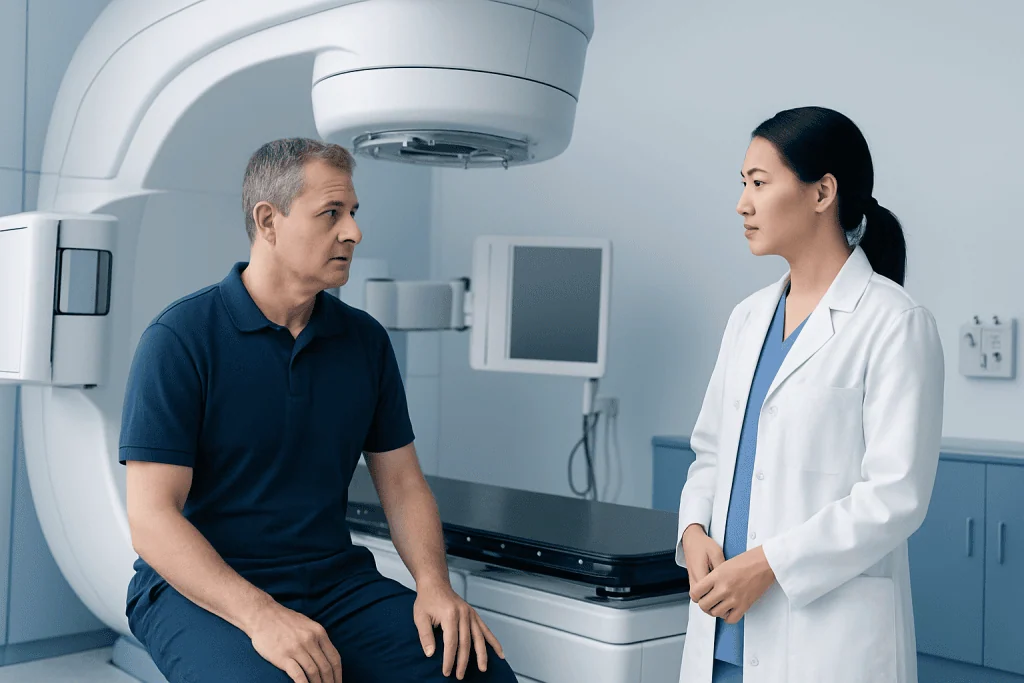
A second opinion is often worth getting when the diagnosis is new and life-changing, when treatment may have major side effects, or when several treatment paths are possible. It can also be useful if the proposed plan is aggressive, involves removal of an organ, or may affect fertility, long-term function, or quality of life. Patients commonly seek another view before starting chemotherapy, radiation, major surgery, or combination treatment.
It may be especially important if the cancer is rare, the stage is uncertain, the biopsy result is difficult to interpret, or the disease has come back after treatment. Another expert review can help with cancers that have unusual molecular findings, mixed features, or unclear imaging. A second opinion can also help if symptoms do not match the diagnosis or if there is concern about whether the cancer has spread.
Patients may also consider a second opinion if they feel rushed, confused, or unable to get clear answers. Good communication matters in cancer care. If a person does not fully understand the diagnosis, the purpose of treatment, or the alternatives, another consultation can support informed consent and shared decision-making.
- When the diagnosis is rare or unusual
- When pathology or staging is uncertain
- Before major surgery or treatments with significant side effects
- When more than one reasonable treatment option exists
- When the cancer returns or stops responding to treatment
- When a patient wants access to a specialist center or clinical trials
What a Second Opinion Can Help Clarify

One of the most important roles of a second opinion is to confirm exactly what type of cancer is present. Some cancers look similar under a microscope but behave differently and respond to different treatments. Pathology review may change the subtype, grade, or biomarker profile. Imaging review may also affect the stage by showing whether disease is localized or has spread.
A second opinion can also clarify treatment goals. For some cancers, the aim is cure. For others, the focus may be long-term control, symptom relief, or preserving quality of life. Understanding this distinction helps patients compare options realistically. For example, one specialist may recommend surgery first, while another may suggest chemotherapy or radiation therapy before surgery to shrink a tumor.
Another area of value is evaluating whether newer tests or targeted approaches may be useful. Some cancers benefit from genetic or molecular testing that helps guide treatment. If a person has already been told they have a specific diagnosis such as breast cancer or lung cancer, a second opinion may help determine whether the disease subtype, receptor status, or mutation profile has been fully assessed.
How the Process Works
Getting a second opinion usually starts with collecting key medical records. These often include clinic notes, biopsy and pathology reports, imaging reports, actual scan images, blood test results, and a list of current medicines and prior treatments. If surgery or a biopsy was done elsewhere, the new specialist may ask for the original pathology slides or tissue samples for review.
During the consultation, the doctor typically reviews the diagnosis, stage, symptoms, overall health, and previous recommendations. The patient may be asked about goals, concerns, and daily priorities. In some cases, the second-opinion team recommends additional testing, such as more imaging, repeat biopsy, or molecular analysis, if the existing information is incomplete or if treatment decisions depend on more detail.
Many cancer centers use a multidisciplinary approach. This means that specialists in medical oncology, surgery, radiation oncology, pathology, and radiology discuss the case together. This can be particularly helpful when care is complex or when balancing effectiveness with function-preserving treatment. Patients may also ask whether they should continue care locally, transfer care, or combine local treatment with specialist guidance.
Possible Benefits and Limitations
The main benefit of a second opinion is better clarity. It may confirm that the original diagnosis and plan are appropriate, which can be reassuring and make it easier to proceed. It may also uncover a different stage, a different cancer subtype, or another reasonable treatment pathway. Some patients learn about options such as organ-sparing surgery, reconstructive planning, targeted therapy, immunotherapy, or clinical trials that were not discussed in the first visit.
A second opinion can also improve communication. Cancer care often involves unfamiliar terms and emotionally difficult choices. Hearing another explanation may make the information easier to understand. It may help patients ask more focused questions and feel more involved in decisions.
Still, a second opinion has limits. Different specialists may reasonably recommend different approaches, especially when evidence allows more than one option. A second opinion does not always change treatment, and it should not create harmful delays when cancer needs prompt attention. The goal is not to collect endless opinions, but to obtain enough expert information to make a timely, informed choice.
How to Prepare for the Appointment
Preparation can make a second opinion more useful. Patients may want to write down the timeline of symptoms, tests, and treatments, along with key questions. Helpful questions include: What type and stage of cancer is this? What are the treatment choices? What is the goal of each option? What side effects should be expected? Are additional tests needed? Is there a clinical trial that may be appropriate?
It can help to bring a family member or friend, especially when discussing complex information. Taking notes during the visit or asking whether the discussion can be summarized in writing may improve understanding afterward. Patients should also tell the specialist about personal priorities, such as preserving fertility, avoiding certain side effects, maintaining independence, or minimizing time away from work and family.
If the recommended plan includes an operation, patients may ask whether a review by surgical oncology is appropriate, whether treatment should begin with surgery or another therapy, and whether reconstruction or rehabilitation may be needed later. Practical questions about timing, travel, insurance coverage, and how records will be shared can also be discussed before making a decision.
When to See a Doctor Without Delay
Although a second opinion can be very helpful, some situations need prompt medical attention. Severe pain, trouble breathing, heavy bleeding, dehydration, confusion, new weakness, seizures, persistent vomiting, or signs of infection during cancer treatment should be assessed urgently. These symptoms may need immediate care rather than waiting for another consultation.
Patients should also let their current oncology team know if they are seeking a second opinion. Most specialists understand and support this step. Good coordination helps avoid delays and ensures that scans, pathology, and treatment records are transferred quickly. If treatment has already started, a second opinion can still be valuable, especially if there are side effects, uncertain response, or questions about next steps.
Near the end of the decision process, some patients choose care at a comprehensive cancer center. Acibadem International’s multidisciplinary specialists and JCI-accredited hospitals diagnose and treat cancer for international patients, and a structured second-opinion review may help people understand their options more clearly.
Frequently asked questions
Is it normal to ask for a second opinion after a cancer diagnosis?
Yes. A second opinion is a common part of cancer care and many doctors expect patients to want one. It can confirm the diagnosis and treatment plan or help explain other reasonable options.
Will asking for a second opinion offend the first doctor?
In most cases, no. Oncology specialists generally understand that cancer decisions are important and that patients may want another expert review. Open communication can also help records move more smoothly between teams.
Should treatment be delayed while waiting for a second opinion?
A short, well-organized delay is often acceptable, but timing depends on the type of cancer and how quickly it is progressing. Patients should ask their current doctor whether treatment can safely wait for another consultation. Urgent symptoms or rapidly advancing disease need prompt attention.
What documents are usually needed for a cancer second opinion?
Commonly needed items include pathology reports, biopsy slides if available, imaging reports, scan images, blood test results, clinic notes, and details of any treatment already received. A medication list and a summary of symptoms are also helpful. Having complete records often makes the second opinion more accurate and efficient.
Can a second opinion change the cancer diagnosis or stage?
Yes, sometimes it can. Another pathologist or radiologist may interpret biopsy material or imaging differently, especially in rare or complex cases. Even a small change in subtype, biomarkers, or stage can affect treatment choices.
What if the two doctors recommend different treatments?
Different recommendations do not always mean one is wrong. Some cancers have more than one accepted treatment approach, and the best choice may depend on side effects, treatment goals, general health, and personal priorities. Asking each doctor to explain the reasons behind the plan can help the patient decide.
References
- World Health Organization
- National Cancer Institute
- American Cancer Society
- European Society for Medical Oncology
- National Comprehensive Cancer Network
This article is for general information only and is not a substitute for professional medical advice. Please consult a qualified doctor about your individual situation.
Oncology care in Turkey — second opinion and treatment plan
JCI-accredited · board-certified surgeons · reply within 24h
Add us as a Preferred Source to see more of our trusted health content across Google Search, AI Overviews and Discover.

Medical Oncology Department
Medical treatment of cancer with chemotherapy, immunotherapy and targeted therapies under a multidisciplinary tumor board.
60 specialists in this unit