

When Falls May Signal a Neurological Problem in Older Adults
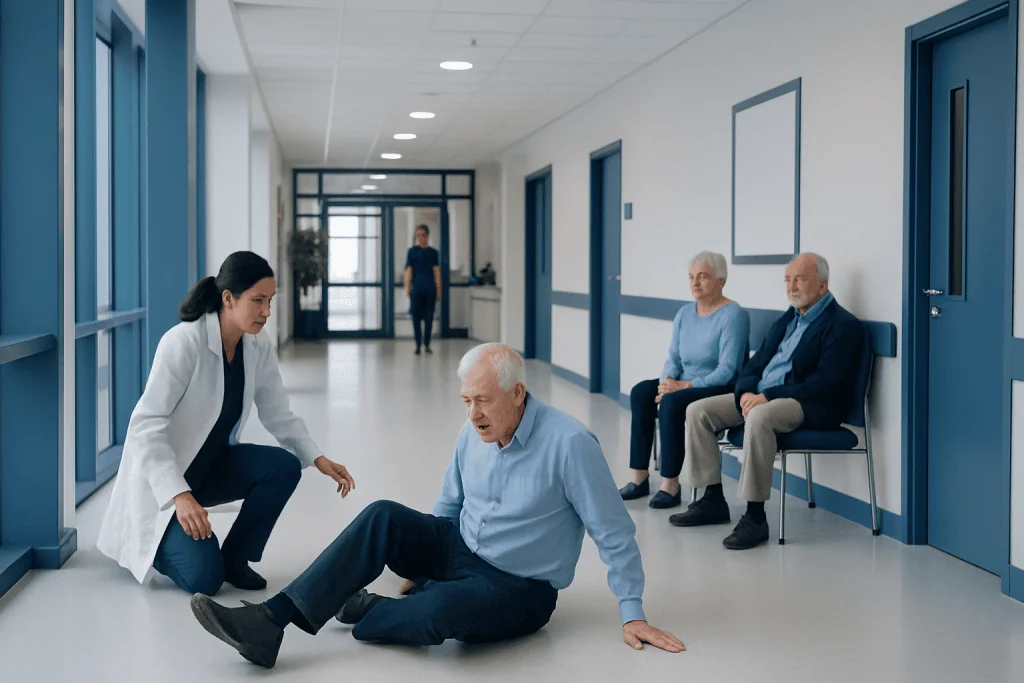
Repeated or unexplained falls in older adults may be linked to disorders of the brain, nerves, muscles, or inner balance system. Warning signs include new gait changes, dizziness, weakness, numbness, tremor, slowed movement, confusion, or loss of consciousness.
Key Takeaways
- Repeated or unexplained falls in older adults may be linked to disorders of the brain, nerves, muscles, or inner balance system.
- Warning signs include new gait changes, dizziness, weakness, numbness, tremor, slowed movement, confusion, or loss of consciousness.
- A medical evaluation often includes a review of medications, neurological examination, balance assessment, and sometimes imaging or other tests.
- Treatment depends on the cause and may involve medication changes, physical therapy, assistive devices, and management of an underlying neurological condition.
- Prompt medical attention is important after a head injury, sudden weakness, speech changes, fainting, or a fall with severe pain.
Falls are common in later life, but not every fall is simply part of aging. When falls happen repeatedly, without a clear reason, or together with changes in walking, balance, strength, sensation, or thinking, a neurological cause may need to be considered.
Overview
Falls are a major health concern for older adults because they can lead to injury, loss of confidence, and reduced independence. However, a fall is not always just an accident or a normal part of aging. In some people, falling is a symptom of an underlying medical issue, including a neurological problem that affects balance, coordination, sensation, muscle control, or alertness.
The nervous system helps the body stay upright by integrating information from the brain, spinal cord, peripheral nerves, muscles, joints, eyes, and inner ear. When one or more of these systems is not working well, standing and walking can become less stable. This may show up as stumbling, shuffling, veering to one side, slowed reactions, or sudden loss of balance.
Older adults often have more than one factor contributing to falls. Vision changes, arthritis, low blood pressure, medication side effects, and poor footwear may play a part alongside a neurological disorder. Because several causes can overlap, a careful evaluation is often the best way to understand why falls are happening and how to lower the risk.
Symptoms and Warning Signs

Some falls happen after a clear trip or slip, but others seem to come “out of nowhere.” Falls may suggest a neurological problem when they are recurrent, happen without an obvious trigger, or occur together with changes in walking or body control. Family members may notice that the person is moving more slowly, taking shorter steps, or having trouble turning.
Associated symptoms can vary depending on the underlying condition. Important warning signs include dizziness that feels like spinning, leg weakness, foot dragging, numbness in the feet, tremor, stiffness, poor coordination, or a feeling that the body is not responding normally. Some people describe their legs as “giving way” or feeling uncertain on uneven ground.
Cognitive and sensory changes also matter. Memory problems, confusion, reduced attention, fainting, blackouts, double vision, hearing changes, or trouble judging space can all increase fall risk. Symptoms that begin suddenly, especially with facial drooping, speech difficulty, or one-sided weakness, need urgent assessment because they can point to a stroke or another emergency.
- Repeated falls within weeks or months
- New shuffling, wide-based, or unsteady gait
- Sudden dizziness, blackouts, or brief loss of awareness
- Weakness, numbness, tingling, or poor coordination
- Tremor, stiffness, slowed movement, or balance loss
- Memory decline or confusion around the time of falls
Possible Neurological Causes and Risk Factors

Neurological causes of falls include disorders that affect movement, sensation, coordination, and consciousness. Parkinsonian syndromes can lead to slowed movement, stiffness, shuffling steps, and difficulty with turning. Problems affecting the cerebellum, which helps coordinate movement, may cause staggering or poor balance. Peripheral neuropathy can reduce feeling in the feet, making it harder to sense the ground and adjust posture.
Stroke, transient ischemic attacks, seizures, <a href="https://acibademinternational.com/diseases/normal-pressure-hydrocephalus/”>normal pressure hydrocephalus, dementia, spinal cord disorders, and muscle or nerve diseases may also contribute. Inner ear conditions can disturb balance, while certain headaches or episodes of vertigo may trigger sudden unsteadiness. In some cases, the issue is not a primary neurological disease but a medication effect, such as sedation, slowed reflexes, or drops in blood pressure.
Age itself can make recovery from small balance errors more difficult, but age alone does not explain repeated falls. Risk rises when neurological problems occur together with frailty, poor vision, diabetes, dehydration, sleep problems, previous falls, foot pain, alcohol use, or unsafe home environments. Recognizing these combined factors helps guide prevention as well as diagnosis.
Sometimes falls are an early clue to conditions that later become more obvious, such as Parkinson's disease or stroke. In other people, they are related to nerve damage from diabetes or vitamin deficiency, or to cognitive disorders such as Alzheimer's disease that affect judgment and spatial awareness.
How Doctors Evaluate Falls
A good assessment starts with a detailed history. The doctor will ask what happened before, during, and after each fall, whether there was dizziness or blackout, what medications are being taken, and whether there are symptoms such as weakness, numbness, urinary urgency, memory changes, or tremor. Witness accounts from relatives or caregivers can be especially helpful when the person does not remember the event clearly.
The physical examination usually includes blood pressure checks while lying and standing, assessment of vision and hearing, and a full neurological exam. The clinician may watch how the person stands up, walks, turns, and maintains balance. Strength, reflexes, sensation in the feet, coordination, and cognition are often evaluated because they can reveal subtle clues to an underlying disorder.
Depending on the findings, testing may include blood work, heart rhythm monitoring, brain or spine imaging, and hearing or vestibular assessment. If there are concerns about stroke, structural brain disease, or normal pressure hydrocephalus, MRI may be recommended. Some people also benefit from neurological rehabilitation assessment to measure mobility, gait, and fall risk in a more structured way.
The purpose of evaluation is not only to name a diagnosis but also to identify modifiable contributors. A person may have both nerve-related balance trouble and medicine-related dizziness, for example. Finding each piece of the puzzle can make treatment more effective.
Treatment Options
Treatment depends on the cause of the falls. If medication side effects are contributing, the prescribing doctor may adjust or simplify the regimen. If the problem is low blood pressure, dehydration, or infection, treating that issue may improve stability. When a neurological condition is identified, treatment focuses on both the underlying disease and practical fall prevention.
For movement and balance disorders, physical therapy is often central. Targeted exercises can improve strength, posture, gait, and confidence. Assistive devices such as canes or walkers may be useful when matched correctly to the person’s needs. Occupational therapy can help with daily tasks and recommend safer ways to move around the home.
Some people need treatment for specific neurological diseases. This may involve movement disorders treatment for conditions affecting walking and coordination, or specialist care for seizure, neuropathy, or spine-related problems. In selected cases, further testing with electroencephalography (EEG) may be used if brief loss of awareness or seizures are suspected.
Recovery is often best when care is multidisciplinary. Neurologists, geriatricians, physiotherapists, rehabilitation experts, and primary care clinicians may work together to reduce falls and preserve independence. Near the end of the care pathway, patients and families may also wish to know that Acibadem International’s multidisciplinary specialists and JCI-accredited hospitals diagnose and treat neurological conditions in international patients.
Prevention and Self-care
Although not every fall can be prevented, many risks can be reduced. A practical plan often includes reviewing medications, treating vision or hearing problems, staying hydrated, and using supportive footwear. Strength and balance exercises, when approved by a doctor, can improve stability over time. Even small changes in routine may make walking safer and more confident.
The home environment also matters. Loose rugs, poor lighting, cluttered walkways, and hard-to-reach items can increase fall risk. Grab bars in the bathroom, handrails on stairs, non-slip mats, and adequate lighting at night are simple measures that may help. If there is numbness in the feet or poor balance, avoiding hurried movements and standing up slowly can be useful.
After a fall, it is understandable to feel anxious about walking again. Fear of falling can lead to less activity, which may weaken muscles and worsen balance. Gentle, supervised activity and reassurance from a healthcare team can help break this cycle. Family members and caregivers can support safety while still encouraging appropriate independence.
- Ask for a medication review, especially if drowsiness or dizziness is present
- Schedule regular eye and hearing checks
- Keep walkways clear and improve lighting at home
- Use mobility aids correctly if they are recommended
- Report new neurological symptoms promptly
When to See a Doctor
Any older adult with repeated falls should discuss this with a doctor, even if no injury occurred. A medical review is also important after a first unexplained fall, a fall associated with dizziness or blackout, or a noticeable change in walking. Early assessment may uncover a treatable cause before more serious injury occurs.
Urgent medical care is needed if a fall causes head injury, severe pain, inability to stand, or suspected fracture. Emergency attention is especially important when a fall is followed by sudden weakness, numbness, slurred speech, severe headache, chest pain, shortness of breath, or loss of consciousness. These symptoms can indicate a serious neurological or cardiovascular event.
Family members should seek help if they notice increasing confusion, new tremor, shuffling gait, frequent stumbling, or a clear decline in confidence while walking. These changes can develop gradually and may be easier for others to notice than for the person experiencing them. Timely evaluation can improve safety, clarify the diagnosis, and support a more individualized care plan.
Frequently asked questions
Are falls a normal part of aging?
Falls become more common with age, but they should not be dismissed as simply normal. Repeated or unexplained falls deserve medical attention because they may reflect a treatable problem such as medication effects, balance disorders, nerve disease, or a neurological condition.
What neurological problems can cause falls in older adults?
Several conditions can contribute, including Parkinsonian disorders, stroke, peripheral neuropathy, inner ear balance disorders, dementia, spinal cord problems, and seizures. Sometimes the cause is a combination of neurological changes and non-neurological factors such as poor vision or low blood pressure.
How can a doctor tell whether a fall is neurological?
The evaluation usually includes a careful history, medication review, and neurological examination. The doctor may also assess gait, balance, strength, sensation, blood pressure, and cognition, and order tests such as blood work, heart monitoring, or brain imaging if needed.
When is a fall considered an emergency?
A fall needs urgent care if it causes a head injury, severe pain, suspected fracture, or if the person cannot get up safely. Emergency evaluation is also important if the fall is linked with fainting, loss of consciousness, new confusion, chest pain, slurred speech, or sudden weakness.
Can treatment reduce the risk of future falls?
Yes, in many cases fall risk can be lowered once contributing factors are identified. Treatment may include physical therapy, medication changes, mobility aids, home safety adjustments, and management of the underlying neurological condition.
What should family members watch for after a fall?
They should look for pain, swelling, bruising, confusion, worsening balance, and any change in walking or alertness. It is also helpful to notice whether the person had dizziness, blackout, or unusual movements before the fall, because this information can guide the doctor's assessment.
References
- World Health Organization
- National Institute on Aging
- Centers for Disease Control and Prevention
- National Institute of Neurological Disorders and Stroke
- American Geriatrics Society
This article is for general information only and is not a substitute for professional medical advice. Please consult a qualified doctor about your individual situation.
Joint and spine care in Turkey — expert assessment & treatment
JCI-accredited · board-certified surgeons · reply within 24h
Add us as a Preferred Source to see more of our trusted health content across Google Search, AI Overviews and Discover.
Check your numbers in seconds
BMI, calories, due date, blood pressure and 30+ more clinical calculators — free, instant, doctor-reviewed ranges.






