When Frequent Headaches Need a Headache Medicine Specialist

Frequent headaches are not all the same; tension headaches, migraines, and cluster headaches need different approaches. A headache medicine specialist is helpful when headaches are recurring, disabling, changing, or not improving with usual care.
Key Takeaways
- Frequent headaches are not all the same; tension headaches, migraines, and cluster headaches need different approaches.
- A headache medicine specialist is helpful when headaches are recurring, disabling, changing, or not improving with usual care.
- Diagnosis often depends on a detailed history, symptom pattern, and neurological examination, with scans used only when needed.
- Treatment may include lifestyle changes, trigger management, acute medicines, and preventive therapies.
- Urgent medical attention is needed for sudden severe headaches or headaches with neurological symptoms, fever, confusion, or head injury.
Frequent headaches are common, but repeated or worsening symptoms can sometimes signal a headache disorder that needs expert evaluation. A headache medicine specialist can help identify the type of headache, rule out serious causes, and build a treatment plan to reduce pain and improve daily life.
Overview
Headaches are one of the most common health complaints. Many people have occasional headaches related to stress, poor sleep, dehydration, skipped meals, eye strain, or minor illness. In many cases, they improve with rest, hydration, and simple pain relief. However, when headaches happen often, last a long time, or interfere with work, school, sleep, or family life, they deserve closer attention.
The term frequent headaches does not describe one single disease. It can include recurring tension-type headaches, migraine, cluster headache, and headaches linked to medication overuse or other medical conditions. Because these conditions can look similar at first, it is not always easy to know what kind of headache a person is having or why it keeps returning.
A headache medicine specialist is a doctor with focused experience in diagnosing and treating complex or ongoing headache disorders. This type of care is especially useful when symptoms are difficult to control, the diagnosis is unclear, or standard treatments have not helped enough. Specialist evaluation can also reassure patients when headaches are bothersome but not dangerous, while helping identify warning signs that need further testing.
Symptoms That Suggest Specialist Care May Be Needed
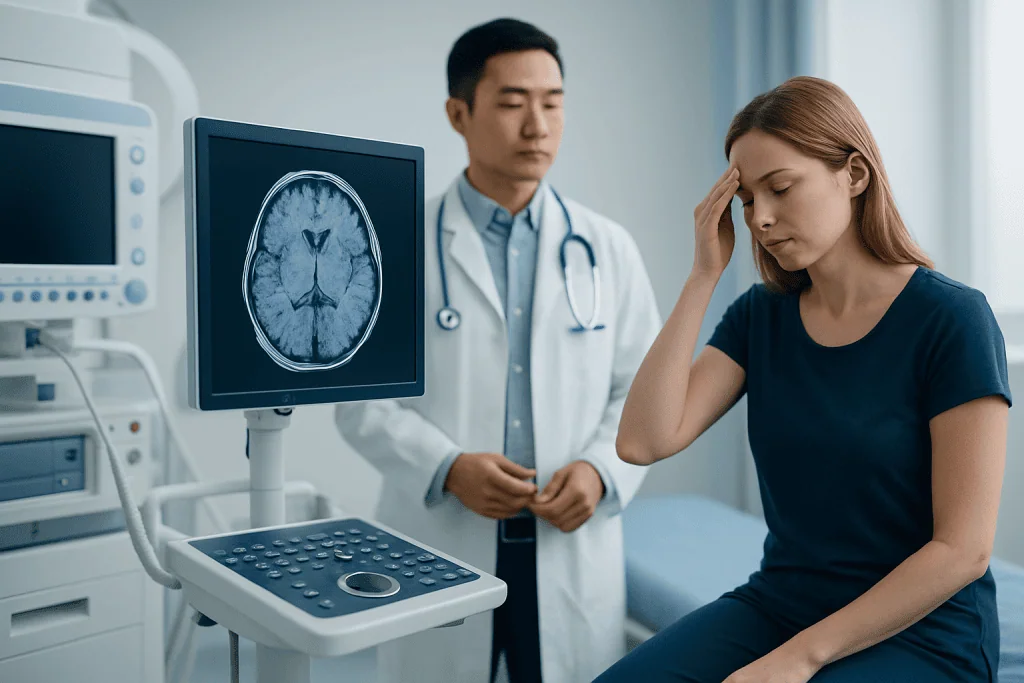
Occasional mild headaches are usually not a sign of a serious problem. Still, some patterns suggest that a person may benefit from seeing a headache medicine specialist. One common reason is frequency. If headaches are happening several times a month, are becoming more frequent, or are present on many days of the month, professional assessment can help prevent them from becoming more disabling over time.
Another important clue is how much the headaches affect daily life. Symptoms such as throbbing pain, sensitivity to light or sound, nausea, vomiting, visual changes, dizziness, or the need to lie down in a dark room may suggest migraine rather than a simple tension headache. Headaches that repeatedly interrupt sleep, reduce concentration, or make normal activities difficult also deserve evaluation.
People should also pay attention to change. A new headache pattern, headaches that are stronger than before, or headaches that no longer respond to usual medicines can be a reason to seek specialist care. In some cases, very frequent use of pain relievers can itself contribute to ongoing headaches, creating a cycle that needs medical guidance to break.
- Headaches occurring often or on most days of the month
- Symptoms that disrupt work, school, or sleep
- Headaches with nausea, light sensitivity, or visual aura
- Worsening intensity or a noticeable change in pattern
- Poor response to over-the-counter or prescribed treatment
Common Causes and Risk Factors

Most frequent headaches are primary headache disorders, meaning the headache itself is the main condition rather than a symptom of another illness. Tension-type headache often causes a pressing or tightening pain on both sides of the head. Migraine commonly causes moderate to severe throbbing pain, often on one side, and may come with nausea, vomiting, or sensitivity to light and sound. Cluster headache is less common but can cause severe pain around one eye, often with tearing or nasal congestion.
Some headaches are secondary, meaning they are linked to another issue such as sinus disease, high blood pressure, infection, head injury, sleep disorders, problems with the neck, or rarely a more serious brain-related condition. A specialist helps distinguish these possibilities based on symptom timing, associated features, and examination findings. People who suspect sinus headaches may actually be having migraine, since the two can overlap in symptoms.
Many factors can increase headache frequency. Common triggers include stress, poor or irregular sleep, dehydration, hormonal changes, skipped meals, too much caffeine, alcohol, certain foods, and sensory overload. Anxiety and depression can also worsen headache burden, even though they are not the sole cause. Family history is particularly relevant for migraine, which often runs in families. In some people, frequent pain reliever use can lead to medication overuse headache, especially if headache medicines are taken repeatedly without a long-term prevention plan.
When frequent headaches are part of a broader neurological picture, a doctor may also consider related conditions such as migraine or, less commonly, headache linked to brain tumor symptoms. Most people with recurring headaches do not have a brain tumor, but new or unusual symptoms should always be assessed carefully.
How a Headache Medicine Specialist Makes the Diagnosis
Diagnosis begins with a detailed conversation. The specialist will usually ask when the headaches started, how often they occur, where the pain is located, how long they last, what the pain feels like, and what symptoms come with it. A headache diary can be very helpful. Recording timing, possible triggers, menstrual cycle patterns, sleep habits, medicines taken, and how much the headache disrupts daily activities often provides important clues.
A neurological examination is also an important part of the visit. The doctor may check strength, coordination, balance, reflexes, vision, eye movements, and sensation. In many people with primary headache disorders, the examination is normal. This can be reassuring and may help avoid unnecessary testing.
Brain imaging such as MRI or CT is not needed for every person with frequent headaches. It is usually considered when there are red flags, such as a sudden severe headache, headache after trauma, fever, seizures, confusion, weakness, new headaches later in life, or signs of increased pressure in the brain. If the pattern suggests another condition, the doctor may also recommend eye examination, blood tests, sleep evaluation, or imaging of the head and neck. When necessary, MRI can help rule out structural causes, while neurology consultation helps guide diagnosis and long-term management.
Treatment Options for Frequent Headaches
Treatment depends on the type of headache, how often it happens, and how much it affects quality of life. Many people need two parts to treatment: acute therapy to relieve pain during an attack and preventive therapy to reduce how often headaches occur. The right plan is individualized, because what works well for one person may not work for another.
Acute treatment may include simple pain relievers or prescription medicines designed for migraine or other headache disorders. A doctor will usually advise using these carefully, since taking them too often can make headaches more frequent. This is one reason specialist guidance can be valuable, especially when a person feels trapped in a cycle of repeated pain and repeated medicine use.
Preventive treatment may be recommended when headaches are frequent, severe, or disabling. Depending on the diagnosis, this may include daily medicines, periodic injections, nerve-related procedures, or newer targeted therapies for migraine. A specialist may also discuss non-drug options such as relaxation training, physical therapy, sleep treatment, and behavioral approaches that reduce trigger burden and improve coping skills. For selected patients with complex symptoms, a care plan may involve headache treatment strategies in a multidisciplinary setting and, when appropriate, advanced pain management support.
Treatment success is often gradual rather than immediate. Patients usually benefit from regular follow-up, a clear plan for what to do during attacks, and realistic goals such as fewer headache days, lower pain intensity, and better daily function. Even when headaches are chronic, many people can achieve meaningful improvement with expert care and consistency.
Prevention and Self-Care
Self-care plays a central role in managing frequent headaches. Small daily habits can make a significant difference over time. Regular sleep, staying hydrated, eating balanced meals at consistent times, limiting excess caffeine, and taking breaks from screens can all help reduce headache frequency. For some people, a predictable routine is one of the most effective preventive tools.
Stress management is also important. Emotional stress does not mean the pain is “just stress,” but stress can lower the threshold for headaches in many people. Relaxation exercises, breathing techniques, stretching, mindfulness, and regular physical activity may help. If neck tension contributes to symptoms, posture awareness and targeted exercise can also be useful.
A headache diary can support prevention by identifying triggers and patterns. Some people notice links with sleep loss, hormonal changes, certain foods, weather shifts, or heavy workloads. The goal is not to avoid every possible trigger, which is often unrealistic, but to recognize the most consistent ones and reduce their impact. If headaches are frequent, it is wise to discuss all supplements and pain medicines with a doctor before using them regularly.
Near the end of the care journey, some patients may choose specialist centers for coordinated diagnosis and treatment. Acibadem International’s multidisciplinary specialists and JCI-accredited hospitals evaluate and treat headache disorders for international patients when more advanced assessment is needed.
When to See a Doctor Urgently
Most frequent headaches are not emergencies, but certain symptoms should never be ignored. A sudden, explosive headache that reaches maximum intensity within seconds or minutes needs urgent medical attention. This kind of pain is sometimes described as the worst headache of a person’s life and requires prompt assessment.
Other urgent warning signs include headache with fever, stiff neck, confusion, fainting, seizure, weakness, numbness, trouble speaking, double vision, or a major change in mental status. Headache after a head injury, headache during pregnancy with other concerning symptoms, or headache in a person with cancer or a weakened immune system should also be assessed quickly.
It is also important to seek medical advice if a new headache develops after age 50, if a long-standing headache pattern suddenly changes, or if pain is becoming steadily worse. A person does not need to wait until symptoms are severe or disabling to ask for help. Earlier evaluation can often lead to clearer answers, safer treatment, and better symptom control.
Frequently asked questions
How often is too often to have headaches?
There is no single number that applies to everyone, but headaches that happen repeatedly over weeks or months should be discussed with a doctor. If they are interfering with work, sleep, or daily activities, specialist care may be helpful even if the pain is not severe every time.
What does a headache medicine specialist do?
A headache medicine specialist focuses on diagnosing different types of headaches and finding the most suitable treatment plan. This may include identifying triggers, reviewing medication use, ruling out other conditions, and recommending both short-term relief and long-term prevention.
Do frequent headaches always mean migraine?
No. Frequent headaches can be caused by migraine, tension-type headache, cluster headache, medication overuse, or another medical condition. Because symptoms can overlap, a careful medical history is often needed to tell them apart.
Will I always need a brain scan for frequent headaches?
Not always. Many people with a typical pattern of migraine or tension-type headache and a normal examination do not need imaging. Scans are more often used when there are warning signs, unusual symptoms, or a sudden change in the headache pattern.
Can over-the-counter pain medicines make headaches worse?
Yes, if they are used too often. Repeated use of pain relievers can contribute to medication overuse headache in some people, which may make headaches more frequent and harder to control. A doctor can help create a safer treatment plan.
What can a person do at home to prevent headaches?
Helpful steps include getting regular sleep, drinking enough water, eating meals on time, managing stress, and keeping a headache diary. These habits do not replace medical treatment, but they can reduce triggers and support better long-term control.
References
- World Health Organization
- International Headache Society
- American Migraine Foundation
- National Institute of Neurological Disorders and Stroke
- Mayo Clinic
This article is for general information only and is not a substitute for professional medical advice. Please consult a qualified doctor about your individual situation.
Headache Medicine in Turkey — costs, top hospitals & a free quote
JCI-accredited · board-certified surgeons · reply within 24h
Add us as a Preferred Source to see more of our trusted health content across Google Search, AI Overviews and Discover.
Check your numbers in seconds
BMI, calories, due date, blood pressure and 30+ more clinical calculators — free, instant, doctor-reviewed ranges.

Neurology
Diagnosis and treatment of disorders of the brain, spinal cord, nerves and muscles.
51 specialists in this unit