When Seizures Do Not Respond to Medication: Options for Pediatric Epilepsy

A child is often considered to have drug-resistant epilepsy when seizures continue after trying two suitable anti-seizure medicines. Further treatment options may include epilepsy surgery, ketogenic diet therapy, vagus nerve stimulation, or other neuromodulation approaches.
Key Takeaways
- A child is often considered to have drug-resistant epilepsy when seizures continue after trying two suitable anti-seizure medicines.
- Further treatment options may include epilepsy surgery, ketogenic diet therapy, vagus nerve stimulation, or other neuromodulation approaches.
- A comprehensive epilepsy center can assess seizure type, brain imaging, EEG findings, development, and quality of life before recommending treatment.
- Early specialist evaluation may improve seizure control and help protect learning, behavior, sleep, and daily functioning.
- Family education, safety planning, and regular follow-up are important parts of care alongside medical treatment.
When seizures continue despite appropriate medicines, a child may have drug-resistant epilepsy. In these cases, a detailed evaluation can help identify other treatment options, including surgery, dietary therapy, nerve stimulation, and supportive care tailored to the child’s needs.
Overview
Pediatric epilepsy treatment does not end with medication alone. While many children achieve good seizure control with anti-seizure medicines, some continue to have seizures even after trying appropriate drug therapy. When this happens, doctors may describe the condition as drug-resistant epilepsy, also called refractory or medically resistant epilepsy.
In practical terms, drug-resistant epilepsy is usually considered when a child still has seizures after two well-chosen and well-tolerated anti-seizure medicines have been used correctly. This does not mean that nothing else can help. Instead, it signals that the child may benefit from a more detailed evaluation at a center experienced in childhood epilepsy.
The next steps often focus on understanding exactly where the seizures begin, what type of epilepsy the child has, and whether there is an underlying brain change or genetic cause. Based on these findings, the care team can discuss options such as dietary therapy, nerve stimulation, or epilepsy surgery for carefully selected children.
Signs That Medication May Not Be Enough
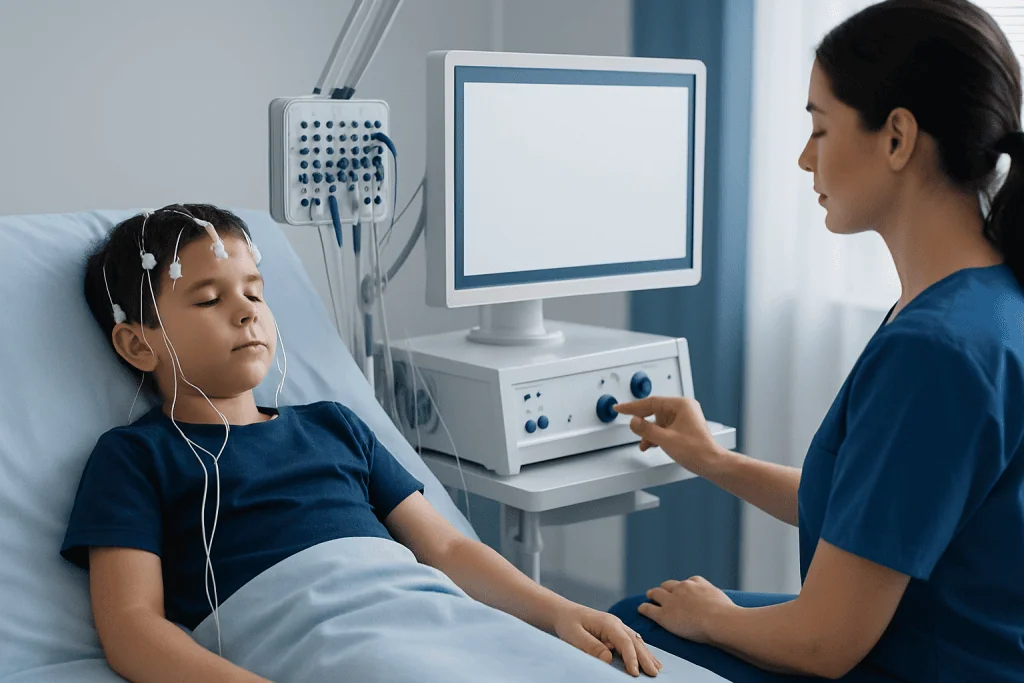
The clearest sign is ongoing seizures despite treatment. A child may continue to have convulsive seizures, staring spells, sudden falls, muscle jerks, or nighttime events even though medicines are being taken as prescribed. In some children, seizures become less frequent but still interfere with safety, school, sleep, or daily activities.
Other clues can include troublesome medicine side effects, such as excessive sleepiness, irritability, poor concentration, balance problems, or changes in appetite. Sometimes treatment is limited not only by seizure control but also by how well the child can tolerate the medication. In these cases, the goal is to find a better balance between seizure reduction and quality of life.
Parents and caregivers may also notice developmental slowing, learning difficulties, behavior changes, or a loss of previously gained skills. These issues do not always mean the epilepsy is worsening, but they are important reasons to seek specialist review. For some children, earlier evaluation can open the door to treatments that are more effective than continuing to change medicines one by one.
Causes and Risk Factors for Drug-Resistant Epilepsy

There are several reasons why seizures may not respond well to medicine. In some children, the epilepsy is linked to a structural change in the brain, such as cortical malformation, scar tissue, or injury around birth. In others, the cause may be genetic, metabolic, immune-related, or unknown. Certain epilepsy syndromes are also more likely to be resistant to standard medications.
Drug resistance can occur in both focal epilepsy and generalized epilepsy, but treatment options differ depending on the seizure pattern and the underlying cause. Focal seizures that begin in one specific area of the brain may sometimes be suitable for surgery if that area can be identified and treated safely. Generalized epilepsies may be more likely to need dietary therapy, medication adjustment, or neuromodulation rather than resective surgery.
Risk factors for difficult-to-control epilepsy can include early seizure onset, very frequent seizures, developmental delay, an abnormal neurological examination, or clear abnormalities on EEG or brain imaging. However, each child is different. A careful assessment is needed before deciding which option is most appropriate, and many children with complex epilepsy still experience meaningful improvement with specialized care.
Children with syndromes such as epilepsy related to known genetic or structural causes may especially benefit from team-based review. Identifying the exact epilepsy type helps avoid unnecessary delays and supports more personalized treatment planning.
How Children Are Evaluated
A full evaluation usually begins with a detailed history. The care team asks what the seizures look like, how often they happen, whether there are triggers, and how the child behaves before and after an episode. Videos recorded by parents can be very helpful, especially when events are brief or difficult to describe. Doctors also review medicine use, previous test results, development, and school performance.
Tests often include an electroencephalogram, or EEG, to look at the brain’s electrical activity. Many children need prolonged video-EEG monitoring so doctors can capture actual events and see where they begin. Brain MRI is another important test because it can show structural causes that may guide treatment. Some children may also need advanced imaging, neuropsychological testing, genetic testing, or metabolic studies.
The main purpose of this workup is to answer several practical questions:
- Are the events definitely epileptic seizures?
- What seizure type or epilepsy syndrome is present?
- Is there a specific brain area starting the seizures?
- Would surgery, diet therapy, or neuromodulation be suitable?
- How is epilepsy affecting learning, mood, sleep, and daily life?
In some cases, a child may be referred for EEG evaluation as part of a broader presurgical assessment. When needed, specialists may also review conditions that can resemble seizures or overlap with them, including sleep disorders or movement events.
Treatment Options Beyond Medication
If medicines are not enough, treatment depends on the type of epilepsy and the findings of the evaluation. For some children with focal epilepsy arising from one treatable brain area, surgery may offer the best chance of major seizure reduction or even seizure freedom. Surgical options vary and may include removal of the seizure focus, disconnection procedures, or lesion-directed surgery when imaging shows a clear abnormality.
Not every child is a candidate for surgery, but early assessment matters because prolonged uncontrolled seizures can affect development and daily life. When surgery is being considered, the team carefully weighs expected benefits against possible risks to movement, language, memory, or vision. Families are guided through the process step by step so decisions can be made with a clear understanding of goals and limitations.
Dietary therapy is another established option. The ketogenic diet, and related dietary approaches, can reduce seizures in some children, especially certain epilepsy syndromes. Because these diets are medically supervised and can affect nutrition, growth, and digestion, they should be managed by specialists with support from a pediatric dietitian.
Neuromodulation may also help when surgery is not possible or seizures remain difficult to control. One commonly used option is vagus nerve stimulation, which sends mild electrical signals through a device to help reduce seizure burden over time. In selected cases, other advanced approaches may be discussed by the epilepsy team.
Supportive Care, Safety, and Everyday Management
Comprehensive pediatric epilepsy treatment includes more than seizure control. Many children need support for learning, attention, language, mood, sleep, and behavior. Neuropsychologists, developmental specialists, therapists, school teams, and social workers may all contribute to care. Addressing these areas can improve a child’s overall functioning even when seizures are not fully eliminated.
Families also benefit from a clear seizure action plan. This usually explains what a typical seizure looks like, what first aid steps to take, when rescue medicine may be needed, and when to seek emergency help. Caregivers, teachers, and other adults involved in the child’s life should understand basic seizure safety.
Helpful daily measures may include:
- Giving medicines exactly as prescribed
- Keeping regular sleep routines
- Attending follow-up appointments and recommended tests
- Tracking seizures, triggers, and side effects in a diary or app
- Using appropriate supervision around water, heights, and cycling
- Coordinating with school about learning needs and emergency planning
These steps do not replace medical treatment, but they can reduce risks and help the care team make better-informed decisions over time.
When to See a Doctor and Looking Ahead
A child should be reviewed promptly if seizures continue despite medication, become more frequent, change in pattern, or cause injuries. Medical advice is also important if there are concerns about development, school performance, mood, sleep, or significant treatment side effects. Early referral to a pediatric neurologist or epilepsy center can help families understand whether other evidence-based options are available.
Emergency care is needed if a seizure lasts unusually long, seizures happen repeatedly without recovery in between, the child has breathing difficulty, or a serious injury occurs. Families should ask the treating team for clear instructions about when to call emergency services and when to use prescribed rescue medication.
The outlook for children with drug-resistant epilepsy varies, but many can still achieve better seizure control and improved quality of life with individualized treatment. Advances in imaging, genetics, surgical planning, and device-based therapies continue to expand options. Near the end of the care pathway, some families may choose centers such as Acibadem International, where multidisciplinary specialists in JCI-accredited hospitals evaluate and treat complex pediatric epilepsy for international patients, including options such as pediatric neurosurgery when appropriate.
Frequently asked questions
What does drug-resistant epilepsy mean in a child?
It usually means a child continues to have seizures after trying two appropriate anti-seizure medicines that were chosen and used correctly. This definition helps doctors know when to look beyond medication and consider more specialized evaluation and treatment.
Can a child outgrow epilepsy even if medicines are not working well?
Some childhood epilepsy syndromes do improve with age, but this depends on the specific type of epilepsy and its cause. A specialist can explain whether watchful waiting is reasonable or whether earlier treatment changes are important to protect development and safety.
Is epilepsy surgery safe for children?
Epilepsy surgery can be safe and effective for carefully selected children, especially when seizures begin in one area of the brain that can be treated without causing major problems. Safety depends on detailed testing, surgical planning, and the child’s individual anatomy and seizure type.
How effective is the ketogenic diet for seizures?
The ketogenic diet can reduce seizures in some children, and in certain epilepsy syndromes it may be especially helpful. It does not work for everyone, and it should be started and monitored by a medical team because it can affect nutrition, growth, and digestion.
What is vagus nerve stimulation?
Vagus nerve stimulation is a treatment that uses a small implanted device to send mild electrical signals through the vagus nerve. It usually does not stop seizures immediately, but over time it may reduce how often they happen or how severe they are.
When should parents ask for a referral to an epilepsy center?
Parents should consider asking when seizures continue despite treatment, medicines cause difficult side effects, or there are concerns about development, learning, or safety. A specialized center can review diagnosis, confirm seizure type, and discuss options such as surgery, diet therapy, or neuromodulation.
References
- International League Against Epilepsy
- World Health Organization
- National Institute of Neurological Disorders and Stroke
- American Epilepsy Society
- Centers for Disease Control and Prevention
This article is for general information only and is not a substitute for professional medical advice. Please consult a qualified doctor about your individual situation.
Pediatric Epilepsy in Turkey — costs, top hospitals & a free quote
JCI-accredited · board-certified surgeons · reply within 24h
Add us as a Preferred Source to see more of our trusted health content across Google Search, AI Overviews and Discover.

Neurology
Diagnosis and treatment of disorders of the brain, spinal cord, nerves and muscles.
51 specialists in this unitMore from the Health Library



Related Specialists

Dr. Safiye Sayilir
Physical Medicine & Rehabilitation
Prof. Dr. Sinan Zeren
Urology
Prof. Dr. Cemal Üstün
Clinical Laboratory
Dr. İlke Karagöz
Aesthetic Plastic & Reconstructive Surgery