When Sleep Loss Starts Changing Mood, Memory, and Behavior

Sleep deprivation can lead to irritability, low mood, poor concentration, forgetfulness, and slower reaction times. Even short-term sleep loss can affect judgment, emotional control, and performance at work, school, or while driving.
Key Takeaways
- Sleep deprivation can lead to irritability, low mood, poor concentration, forgetfulness, and slower reaction times.
- Even short-term sleep loss can affect judgment, emotional control, and performance at work, school, or while driving.
- Common causes include lifestyle habits, stress, shift work, insomnia, and sleep disorders such as sleep apnea.
- Diagnosis focuses on sleep history, symptoms, and sometimes sleep studies or other tests to find an underlying cause.
- Treatment depends on the reason for sleep loss and may include sleep habit changes, behavioral therapy, and treatment of sleep disorders.
- Medical advice is important when sleep problems persist, worsen, or affect safety, mental health, or daily life.
Sleep deprivation does more than cause tiredness. Ongoing sleep loss can affect mood, memory, thinking, and behavior by disrupting how the brain restores itself and manages daily function.
Overview
Sleep deprivation means not getting enough sleep to meet the body and brain’s needs. It may happen suddenly after one poor night, or it may build gradually over days, weeks, or months. While many people notice fatigue first, sleep loss can also change mood, memory, attention, and behavior in ways that are easy to overlook at the beginning.
Sleep is an active biological process, not simply a period of rest. During healthy sleep, the brain helps organize memories, regulate emotions, restore attention, and support physical recovery. When sleep is shortened or repeatedly interrupted, these processes do not work as efficiently. As a result, a person may feel more emotional, less patient, mentally “foggy,” or less able to cope with everyday stress.
Occasional sleep loss is common, but persistent sleep deprivation deserves attention. It may stem from demanding schedules, stress, poor sleep habits, or an underlying sleep disorder. Identifying the cause matters, because effective treatment can improve quality of life, safety, and overall health.
Symptoms and How Sleep Loss Affects the Brain
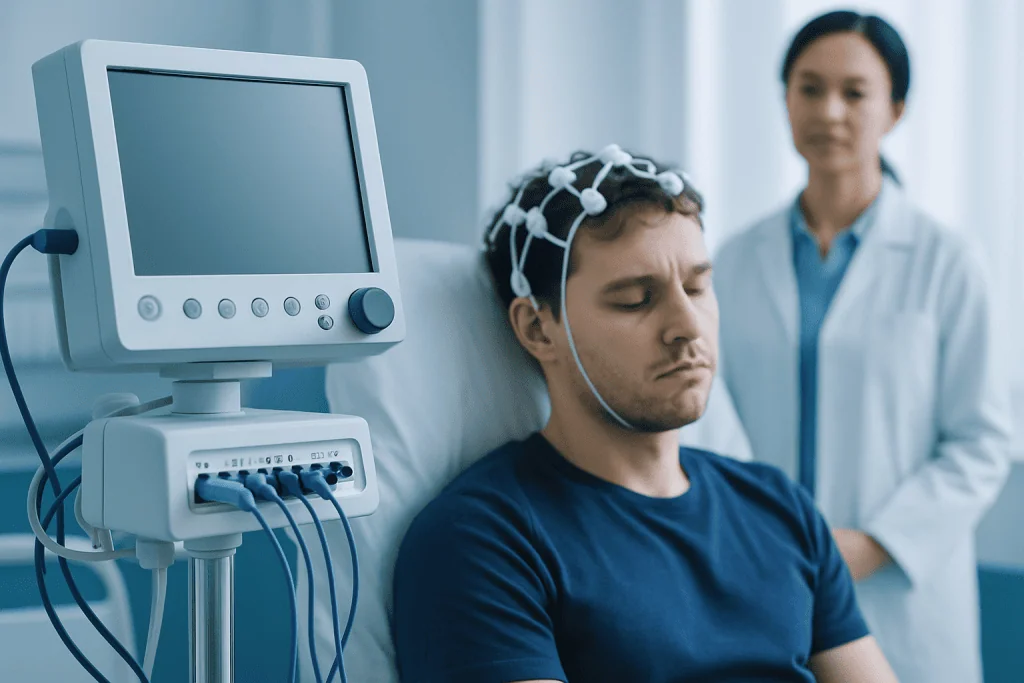
The effects of sleep deprivation often begin with daytime sleepiness, but the impact can spread much further. A person may have trouble focusing, take longer to process information, or make more mistakes than usual. Tasks that require planning, quick decisions, or memory can become harder, even if the person is trying to push through fatigue.
Mood changes are also common. Sleep loss can make people more irritable, emotionally sensitive, anxious, or less able to manage frustration. Some notice a lower mood or reduced motivation. In children and teenagers, inadequate sleep may show up as hyperactivity, behavioral changes, or school difficulties rather than obvious sleepiness.
Memory problems can appear in different ways. New information may be harder to learn, and recalling details may take more effort. Sleep is important for memory consolidation, which is the process of stabilizing and storing what has been learned. When sleep is too short or poor in quality, the brain may not reinforce those memories effectively.
- Daytime sleepiness or fatigue
- Irritability, low mood, or emotional reactivity
- Poor concentration and reduced attention span
- Forgetfulness or mental fog
- Slower reaction time and impaired judgment
- Lower work, school, or driving performance
- In some cases, headaches or increased appetite
Causes and Risk Factors

Sleep deprivation can happen for many reasons. Some people simply do not allow enough time for sleep because of work schedules, caregiving responsibilities, travel, or social habits. Others spend enough time in bed but still do not get restorative sleep because they wake often, have insomnia, or experience breathing interruptions during the night.
Stress is a major contributor. Worry, racing thoughts, and emotional strain can delay sleep onset or lead to frequent awakenings. Shift work and irregular schedules can also disrupt the body’s internal clock, making it harder to fall asleep and stay asleep at the desired time. Use of caffeine late in the day, alcohol close to bedtime, or excessive evening screen exposure may also interfere with sleep quality.
Underlying medical or neurological conditions may play a role as well. Examples include sleep apnea, restless legs syndrome, chronic pain, depression, anxiety disorders, and certain medications. In some cases, persistent sleep loss is related to insomnia, which may require targeted treatment rather than simple lifestyle adjustment.
- Irregular sleep schedules or shift work
- Stress, anxiety, or emotional distress
- Insomnia or other sleep disorders
- Snoring and breathing pauses during sleep
- Neurological, psychiatric, or chronic pain conditions
- Caffeine, alcohol, nicotine, or stimulating medications
- Excessive screen time or poor sleep environment
Diagnosis
Diagnosis begins with a careful medical and sleep history. A doctor may ask about bedtime and wake time, how long symptoms have been present, snoring, witnessed breathing pauses, restless sleep, daytime sleepiness, mood changes, work schedule, medication use, and caffeine or alcohol intake. Because sleep loss can affect mental health and daily functioning, questions may also cover memory concerns, driving safety, and emotional well-being.
A sleep diary can be very helpful. Recording sleep and wake times, naps, symptoms, and habits over one to two weeks may show patterns that are not obvious day to day. In some cases, wearable monitoring or actigraphy may be used to estimate sleep timing and consistency. Standard questionnaires may help measure sleepiness or assess the likelihood of a sleep disorder.
If an underlying condition is suspected, additional evaluation may be recommended. For example, a doctor may suggest a sleep study if sleep apnea, periodic limb movements, or another sleep-related breathing or movement disorder is possible. Blood tests or mental health assessment may be appropriate when symptoms suggest medical, hormonal, or psychiatric contributors.
Treatment Options
Treatment depends on the cause of sleep deprivation. If the main issue is too little time set aside for sleep, the focus is often on schedule changes and sleep hygiene. When stress or persistent insomnia is involved, structured behavioral treatment may be more effective than trying to “catch up” on sleep alone. If a sleep disorder is present, treating that condition is essential for meaningful improvement.
Behavioral strategies are often the first step. These can include keeping a consistent sleep-wake schedule, reducing stimulating activities before bed, limiting late caffeine, and creating a dark, quiet sleeping environment. For long-standing insomnia, doctors may recommend cognitive behavioral therapy for insomnia, which helps change habits and thought patterns that interfere with sleep.
When breathing problems during sleep are causing repeated awakenings, treatment may involve CPAP treatment or other options depending on the diagnosis. If another health condition is contributing, management may include addressing pain, mental health symptoms, medication side effects, or circadian rhythm disruption. Treatment should be individualized, especially when mood, cognition, or safety are being affected.
Short naps and extra sleep may help with temporary sleep loss, but they are not a complete solution for chronic deprivation. Also, sleeping much longer on weekends does not fully reverse the effects of ongoing poor sleep during the week. Persistent symptoms should prompt professional evaluation rather than self-management alone.
Prevention and Self-care
Healthy sleep habits can reduce the risk of sleep deprivation and improve resilience when life becomes busy. Most adults benefit from a regular schedule that allows enough time for sleep every night. The bedroom should support rest, with comfortable temperature, limited noise, and as little light as possible. A calming pre-sleep routine can help the brain shift away from the demands of the day.
It is also helpful to manage factors that make sleep less restorative. Avoiding caffeine late in the day, limiting alcohol close to bedtime, and reducing screen use in the evening may improve sleep quality. Regular physical activity can support better sleep, although intense exercise very late at night may keep some people too alert.
Self-care matters, but it should not replace evaluation when symptoms continue. If memory lapses, mood changes, or behavior shifts are clearly linked to poor sleep, addressing the sleep problem early may prevent a longer cycle of fatigue, stress, and impaired functioning. For those with persistent concerns, specialists in sleep medicine and neurology can help clarify the cause and guide treatment.
Near the end of the care pathway, some people seek comprehensive assessment in specialized centers. Acibadem International’s multidisciplinary specialists and JCI-accredited hospitals diagnose and treat sleep-related conditions for international patients when more detailed evaluation is needed.
When to See a Doctor
Medical advice is important when sleep loss lasts for several weeks, keeps returning, or starts to affect work, school, relationships, or emotional health. A person should also seek help if there is loud snoring, gasping during sleep, unusual nighttime movements, severe morning headaches, or overwhelming daytime sleepiness.
Prompt evaluation is especially important if sleep deprivation is affecting safety. Falling asleep while driving, frequent near-miss accidents, confusion, major memory problems, or strong changes in mood and behavior should not be ignored. These symptoms may reflect significant sleep debt or an underlying disorder that needs treatment.
In some cases, sleep loss overlaps with depression, anxiety, or other medical conditions. A doctor can help determine whether poor sleep is the main problem, a symptom of another issue, or both. Early assessment often leads to simpler, more effective treatment and can help protect long-term brain and overall health.
Frequently asked questions
Can one bad night of sleep affect mood and memory?
Yes. Even one night of poor sleep can reduce attention, slow thinking, and make a person more irritable or emotionally reactive. The effects are usually temporary, but they can still affect performance, judgment, and safety the next day.
How much sleep does an adult usually need?
Most adults need about 7 to 9 hours of sleep each night, although individual needs vary. Feeling rested, alert, and able to function well during the day is often a better guide than focusing on a single number alone.
Is sleep deprivation the same as insomnia?
Not exactly. Sleep deprivation means not getting enough sleep, while insomnia is difficulty falling asleep, staying asleep, or getting good-quality sleep despite adequate opportunity. Insomnia can cause sleep deprivation, but sleep deprivation can also happen for other reasons such as long work hours or shift schedules.
Can sleep loss cause anxiety or low mood?
Sleep loss can worsen emotional regulation and make anxiety, irritability, or low mood more noticeable. It does not mean sleep is the only cause, but poor sleep and mood symptoms often influence each other. A doctor can help assess both when symptoms persist.
Can sleeping longer on weekends fix chronic sleep loss?
Extra sleep may help a person feel somewhat better after a short period of sleep loss, but it usually does not fully reverse chronic sleep deprivation. If weekday sleep is regularly too short, the best long-term approach is to improve the daily sleep schedule and address any underlying sleep disorder.
When should someone worry about sleep-related behavior changes?
Behavior changes should be taken seriously when they are persistent, worsening, or affecting safety, relationships, school, or work. Medical advice is also important if they occur along with loud snoring, breathing pauses, severe daytime sleepiness, confusion, or significant memory problems.
References
- American Academy of Sleep Medicine
- National Institute of Neurological Disorders and Stroke
- National Heart, Lung, and Blood Institute
- Centers for Disease Control and Prevention
- World Health Organization
This article is for general information only and is not a substitute for professional medical advice. Please consult a qualified doctor about your individual situation.
Explore treatments in Turkey — costs, top hospitals & a free quote
JCI-accredited · board-certified surgeons · reply within 24h
Add us as a Preferred Source to see more of our trusted health content across Google Search, AI Overviews and Discover.