When to Get a Second Opinion for a Child’s Diagnosis
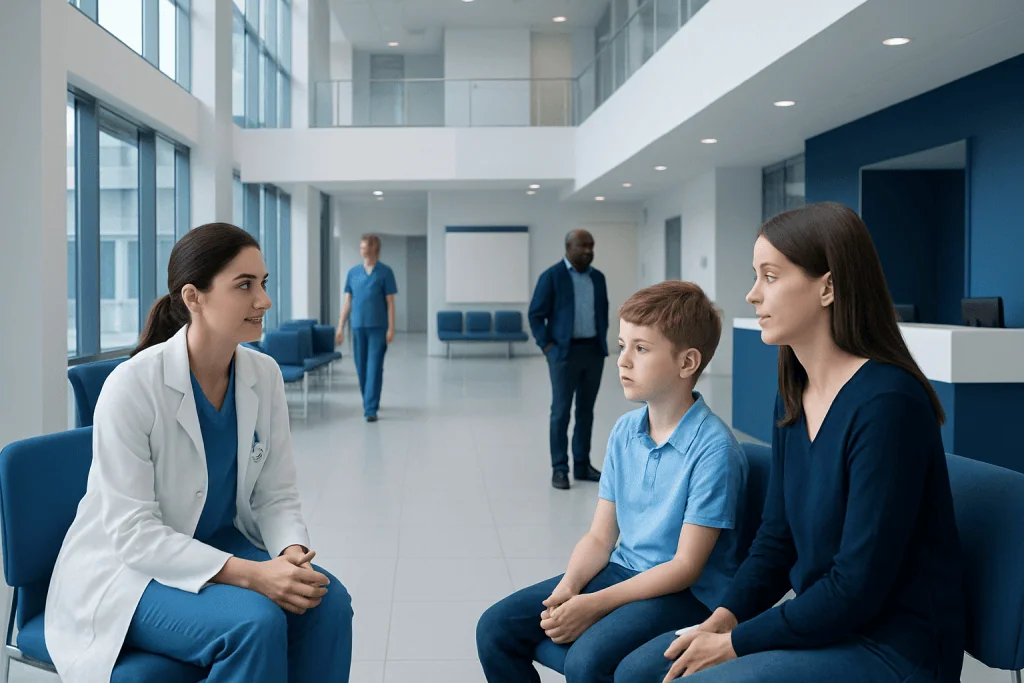
A second opinion can confirm a diagnosis, suggest alternatives, or refine a treatment plan. It may be especially useful for rare, complex, serious, or unclear conditions.
Key Takeaways
- A second opinion can confirm a diagnosis, suggest alternatives, or refine a treatment plan.
- It may be especially useful for rare, complex, serious, or unclear conditions.
- Parents can seek another expert respectfully while continuing the child's current care.
- Bringing test results, imaging, and a clear symptom history helps the process go smoothly.
- Urgent or emergency symptoms should be treated immediately, not delayed for another opinion.
A second opinion for a child's diagnosis can be a helpful and common step when families want more clarity, confidence, or treatment guidance. It does not mean distrust of the first doctor; it is often part of thoughtful, informed pediatric care.
Overview
Getting a second opinion for a child’s diagnosis is a normal part of medical care. Many parents consider it when a diagnosis is serious, symptoms are not improving, treatment options seem complicated, or the explanation does not fully answer their questions. In pediatrics, where a child may not always be able to describe symptoms clearly, an additional expert review can be especially valuable.
A second opinion usually means asking another qualified doctor to review the child’s symptoms, medical history, examination findings, and test results. The goal is not to challenge the first doctor personally. Instead, it is to confirm the diagnosis, explore other possible causes, and understand the benefits and risks of treatment choices.
In many cases, the second doctor agrees with the first assessment. Even then, families often feel more reassured and prepared to move forward. In other cases, the diagnosis may be refined, additional testing may be recommended, or a different treatment path may be suggested.
When a Second Opinion May Be Helpful
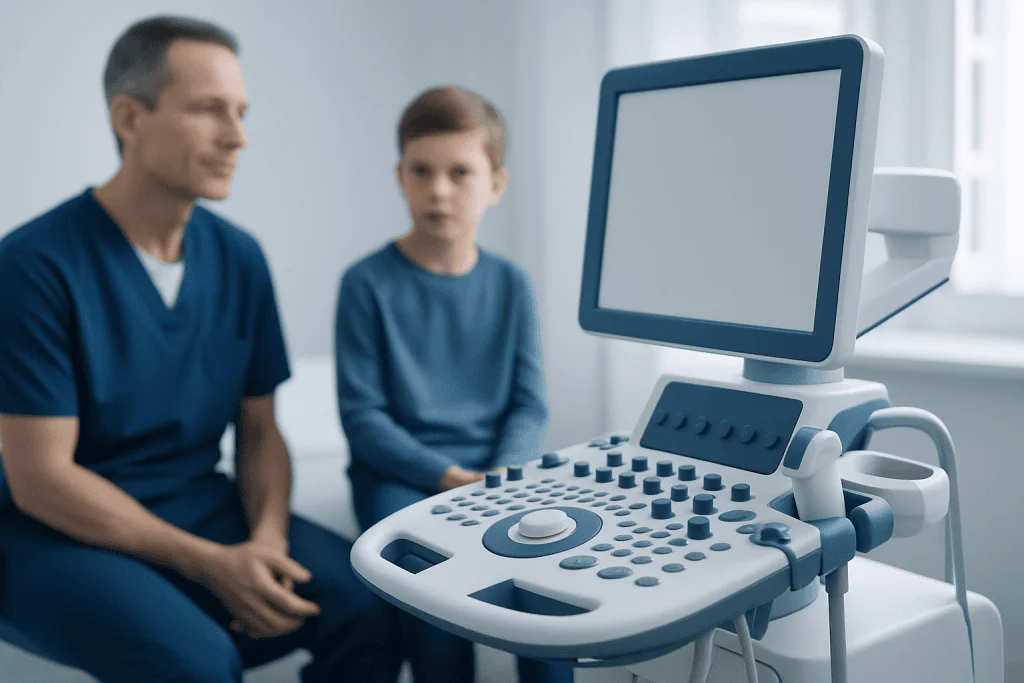
Parents may think about a second opinion when a child has a rare disorder, a chronic condition, a possible need for surgery, or a diagnosis that could affect development or long-term health. It can also help when symptoms continue despite treatment, when test results are unclear, or when more than one treatment approach is available.
It may be reasonable to seek another opinion if parents feel uncertain after the first visit. For example, they may not fully understand the diagnosis, may feel their concerns were not addressed, or may hear different explanations from different clinicians. A fresh review can sometimes connect pieces of the picture that were not obvious before.
Common situations where a second opinion may be useful include:
- A serious diagnosis such as a neurological, heart, or autoimmune condition
- A recommendation for surgery or another invasive procedure
- Symptoms that persist, worsen, or keep returning
- Conflicting test results or uncertain imaging findings
- A diagnosis that is uncommon or difficult to confirm
- Major treatment decisions with long-term effects
For some families, a second opinion is also emotionally helpful. When parents feel informed and included, it can reduce stress and support shared decision-making about the child’s care.
Signs It May Be Time to Ask More Questions
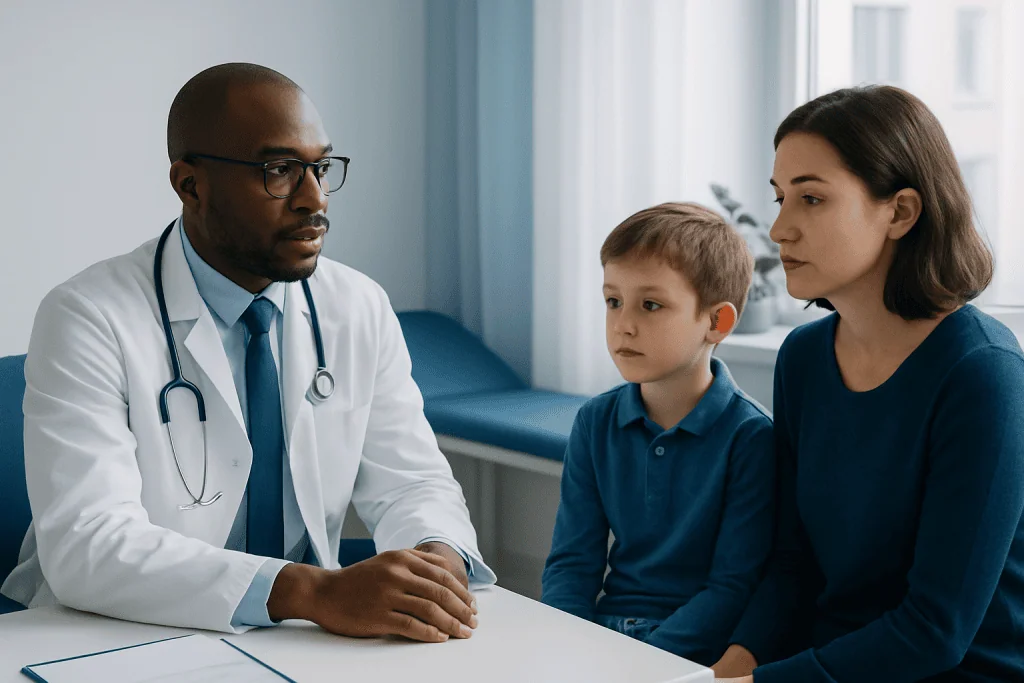
Parents do not need to wait for a major crisis to ask for more information. Sometimes the need for a second opinion becomes clear simply because the child is not getting better as expected. If symptoms continue despite following the treatment plan, it may be worth reviewing whether the diagnosis is complete or whether another condition could be involved.
Another sign is uncertainty about the next step. If a doctor recommends medication with important side effects, long-term monitoring, or surgery, parents may want another specialist to explain whether the plan is necessary, whether there are alternatives, and what outcomes to expect. This is especially relevant for complex areas such as epilepsy, developmental concerns, or possible congenital heart disease.
Families may also want another review if they are hearing statements such as “we are not sure,” “let’s wait and see” over a long period without a clear plan, or “this is uncommon” without referral to a specialist. Seeking clarity is appropriate, and most doctors understand that parents want the most complete evaluation possible for their child.
How the Second Opinion Process Works
The process often begins with asking the child’s current doctor for copies of medical records, laboratory results, imaging, pathology reports, growth charts, and referral letters. Many clinicians are comfortable helping families organize this information. Having a complete record helps the second doctor avoid repeating tests unnecessarily and allows for a more accurate review.
Parents can then choose an appropriate specialist based on the child’s symptoms or diagnosis. Depending on the situation, this may be a general pediatrician, a pediatric subspecialist, a surgeon, a radiologist reviewing scans, or a multidisciplinary team. In complex cases, centers with pediatric expertise and strong diagnostic services can be useful, especially when advanced imaging or coordinated specialist review is needed, such as MRI or CT scan evaluation.
During the appointment, the second doctor usually takes a detailed history, reviews prior tests, and performs an examination if needed. Sometimes the opinion is based mainly on records; sometimes additional testing is recommended. If the new doctor suggests further evaluation, it may include blood tests, imaging, or other targeted assessments such as genetic testing when an inherited condition is suspected.
After the review, families may hear one of several outcomes: the first diagnosis is confirmed, the diagnosis is narrowed or changed, or more observation is advised before making a final decision. Parents can then compare the recommendations and discuss the next steps with the child’s care team.
Benefits and Possible Challenges
The main benefit of a second opinion is greater confidence. When two experts agree, families often feel more secure about treatment decisions. If the opinions differ, that difference can highlight important questions, such as whether more testing is needed or whether the condition may have more than one possible explanation.
A second opinion may also open access to a wider range of treatments or specialists. Some conditions are best managed in centers with pediatric neurologists, cardiologists, endocrinologists, surgeons, rehabilitation experts, or other teams working together. This can be particularly helpful for children with complex symptoms affecting several body systems.
There can be challenges too. Organizing records takes time, appointments may require travel, and hearing different medical views can feel confusing at first. Parents may also worry about offending the first doctor. In practice, respectful communication usually helps. Most clinicians understand that families want to make the best possible decision for a child.
It is important to remember that a second opinion should support timely care, not delay urgent treatment. If a child has severe symptoms or an emergency, immediate medical attention comes first. Another opinion can still be pursued once the child is stable.
How Parents Can Prepare
Preparation can make a second opinion more productive. Parents should gather all relevant information before the appointment, including medical notes, vaccination history when relevant, medication lists, allergy information, past illnesses, family history, and a timeline of symptoms. If possible, it helps to write down what has improved, what has worsened, and what questions remain unanswered.
Parents may find it useful to prepare specific questions, such as:
- What diagnosis best explains these symptoms?
- Are there other conditions that should be considered?
- Do the current test results clearly support this diagnosis?
- Is more testing needed now, or is careful monitoring reasonable?
- What are the treatment options, benefits, and possible side effects?
- Would this child benefit from referral to another pediatric specialist?
Taking notes during the visit, asking for explanations in plain language, and requesting a written summary can help families compare recommendations later. If emotions are running high, bringing another trusted adult to the appointment may help with listening and decision-making.
Near the end of the process, some families choose care in a center that offers coordinated pediatric expertise. Acibadem International’s multidisciplinary specialists and JCI-accredited hospitals diagnose and treat children with complex conditions for international patients, which can be helpful when several specialties need to work together.
When to Seek Immediate Medical Care
A second opinion is valuable, but it should never delay urgent treatment. Parents should seek immediate medical care if a child has trouble breathing, severe dehydration, a seizure lasting longer than expected, significant injury, sudden weakness, confusion, blue lips, severe allergic symptoms, or persistent high fever with a very unwell appearance. Infants, in particular, may need urgent assessment sooner because they can become ill quickly.
Immediate care is also important if a child’s symptoms suddenly worsen after a diagnosis has already been made. For example, a child being observed at home may develop new pain, vomiting, fainting, unusual sleepiness, or reduced responsiveness. These changes may require prompt evaluation, even if another specialist appointment is already planned.
For non-emergency concerns, parents should contact the child’s doctor promptly if symptoms are not improving, side effects are developing, or the diagnosis still feels uncertain after initial follow-up. In those situations, asking whether a second opinion or referral is appropriate is a sensible next step.
Frequently asked questions
Does getting a second opinion mean the first doctor was wrong?
No. A second opinion is often a routine way to confirm a diagnosis or better understand treatment choices. Many first doctors welcome it, especially for complex or serious pediatric conditions.
When should parents consider a second opinion for a child?
It may be helpful when the diagnosis is rare, serious, unclear, or linked to surgery or long-term treatment. It is also reasonable when symptoms continue despite treatment or when parents still have major unanswered questions.
Can a second opinion delay treatment?
It should not delay emergency or urgent care. For non-urgent situations, families can often seek another opinion while continuing the current treatment plan unless a doctor advises otherwise.
What records should parents bring to a second-opinion visit?
Useful records include clinic notes, test results, imaging reports, pathology reports, medication lists, allergy information, and a symptom timeline. Bringing complete information can reduce repeated testing and help the new doctor form a clearer assessment.
What if the two doctors disagree?
Different opinions do not always mean one is wrong. It may show that the condition is complex or that more testing, monitoring, or specialist input is needed before deciding on the best plan.
Will insurance usually cover a second opinion?
Coverage varies by country, insurer, and type of consultation. Families should check with their insurance provider or healthcare system in advance to understand referrals, approvals, and possible out-of-pocket costs.
References
- American Academy of Pediatrics
- National Institute for Health and Care Excellence
- Centers for Disease Control and Prevention
- MedlinePlus
- World Health Organization
This article is for general information only and is not a substitute for professional medical advice. Please consult a qualified doctor about your individual situation.
Explore treatments in Turkey — costs, top hospitals & a free quote
JCI-accredited · board-certified surgeons · reply within 24h
Add us as a Preferred Source to see more of our trusted health content across Google Search, AI Overviews and Discover.