When to Get a Second Opinion for Unexplained Vision Changes

Unexplained vision changes should be assessed promptly, especially if they are sudden or affect one side. A second opinion can help confirm a diagnosis, review test results, and identify less obvious causes.
Key Takeaways
- Unexplained vision changes should be assessed promptly, especially if they are sudden or affect one side.
- A second opinion can help confirm a diagnosis, review test results, and identify less obvious causes.
- Neuroophthalmology is especially helpful when visual symptoms may involve the optic nerve, eye movements, or the brain.
- Warning signs such as sudden vision loss, double vision, severe headache, or neurologic symptoms need urgent medical care.
- Keeping a record of symptoms, medications, and prior test results can make a second-opinion visit more useful.
Unexplained vision changes can have many causes, from common eye conditions to problems involving the optic nerve or brain. A second opinion may be helpful when symptoms are new, worsening, hard to explain, or not improving with treatment.
Overview
Vision can change for many reasons. Some causes are limited to the eye itself, such as refractive error, cataract, or retinal disease. Others involve the optic nerve, eye muscles, blood vessels, or the parts of the brain that process vision. Because so many body systems can affect sight, unexplained vision changes sometimes need more than one medical opinion before the cause becomes clear.
A second opinion does not mean the first doctor was wrong. In many cases, it is a practical step that helps confirm a diagnosis, review whether the right tests have been done, and make sure no important detail has been missed. This can be especially reassuring when symptoms are unusual, several possible diagnoses are being considered, or recommended treatment is complex.
In neuroophthalmology, specialists assess the connection between the eyes and the nervous system. They often evaluate symptoms such as blurred vision, double vision, visual field loss, abnormal pupil responses, eye movement problems, or vision changes linked with headache or neurologic symptoms. Their role can be useful when routine eye examinations do not fully explain what a person is experiencing.
What Counts as an Unexplained Vision Change?
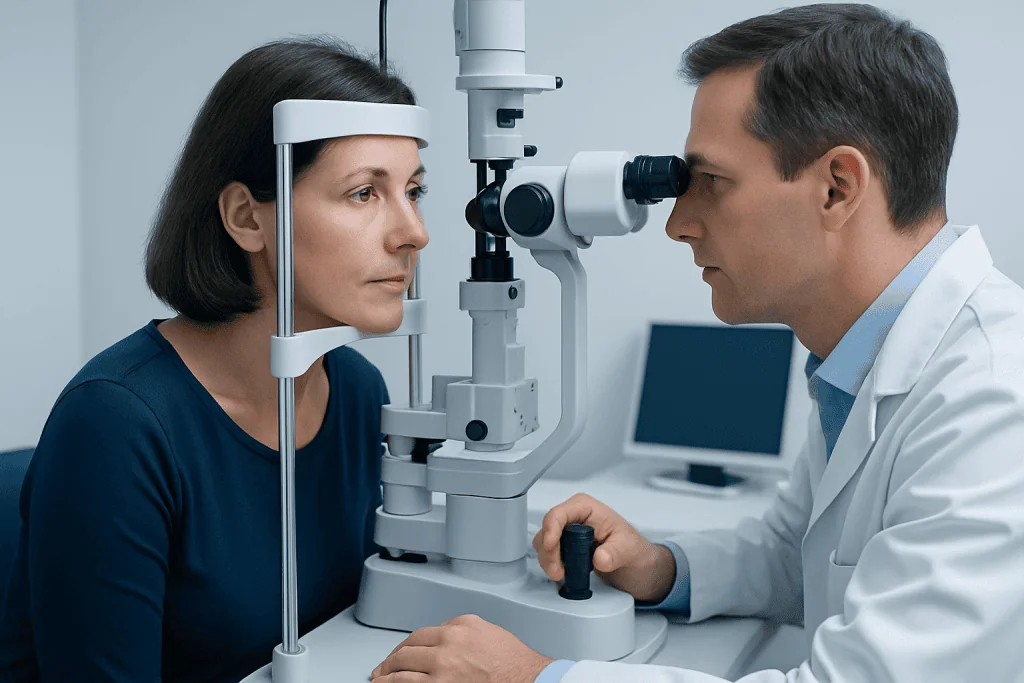
Unexplained vision changes are symptoms that do not have an obvious cause or that continue despite initial treatment. They may start suddenly or gradually and may affect one eye or both. Sometimes the change is constant, while in other cases it comes and goes.
Examples include blurred or dim vision, double vision, loss of part of the visual field, trouble focusing, seeing flashing lights, color vision changes, distorted images, or brief episodes of vision loss. Some people also notice pain with eye movement, drooping of an eyelid, unequal pupils, or difficulty judging depth.
Visual symptoms may also appear alongside other concerns, including headache, dizziness, weakness, numbness, balance problems, or difficulty speaking. When this happens, doctors may consider conditions beyond the eye itself, including migraine, nerve inflammation, vascular problems, autoimmune disease, or neurologic disorders.
- Blurred or cloudy vision without a clear explanation
- Sudden or progressive loss of side vision
- New double vision
- Episodes of temporary vision loss
- Vision changes with headache or neurologic symptoms
When a Second Opinion May Be Helpful

A second opinion may be worth considering when the diagnosis is uncertain, symptoms are worsening, or treatment is not helping as expected. It can also be useful when test results seem unclear, when more than one condition could explain the symptoms, or when a person has been told the changes are “normal” but still feels something is not right.
People often seek another opinion if they have been advised to undergo surgery, start long-term medication, or simply monitor symptoms without a clear explanation. A fresh review of the history, examination findings, eye imaging, blood work, or brain scans may help clarify the picture. In some cases, a second specialist may recognize a pattern that points toward a specific eye or neurologic disorder.
A neuroophthalmology opinion is particularly valuable when symptoms involve double vision, visual field defects, abnormal optic nerve findings, or possible links to conditions such as optic neuritis or brain tumor. It may also help when symptoms overlap with migraine, autoimmune disease, stroke, or raised pressure around the brain. The goal is not to create confusion, but to make diagnosis and treatment more precise.
Warning Signs That Need Urgent Care
Some vision changes should not wait for a routine second opinion. Sudden vision loss, a dark curtain over vision, new severe double vision, or rapid visual decline needs prompt medical attention. The same is true if visual symptoms happen together with severe headache, facial drooping, weakness, confusion, speech difficulty, or loss of balance.
These symptoms can sometimes signal emergencies such as retinal detachment, stroke, acute glaucoma, serious infection, or reduced blood flow to the eye or optic nerve. Urgent evaluation gives doctors the best chance to protect vision and address the underlying cause quickly.
If symptoms are sudden or severe, the safest step is to seek emergency care first rather than arranging a routine specialist review. A second opinion can still be helpful afterward, once urgent problems have been assessed and immediate treatment decisions have been made.
How Doctors Evaluate Unexplained Vision Changes
A careful medical history is often the starting point. Doctors usually ask when the symptoms began, whether they affect one eye or both, whether they are constant or intermittent, and whether there are triggers such as headache, position changes, fatigue, or physical activity. They also review past eye disease, medical conditions, medications, and family history.
The examination may include testing visual acuity, color vision, pupils, eye movements, eyelids, peripheral vision, and the optic nerve and retina. Depending on the symptoms, additional tests may be recommended. These may include visual field testing, optical coherence tomography, blood tests, or imaging such as MRI scan or CT scan to look at the brain, orbit, or optic nerve pathways.
Sometimes the main issue is found in the retina or macula rather than the nerve pathways, and doctors may recommend a detailed retinal assessment. In other cases, specialist imaging or neurologic testing helps clarify whether the problem relates to inflammation, pressure changes, blood flow, or nerve damage. A second-opinion doctor often reviews both the test results and the reasoning behind the original diagnosis.
Preparing for a Second-Opinion Appointment
Good preparation can make a second opinion more productive. It helps to bring previous clinic notes, eye test results, imaging reports, prescription lists, and a timeline of symptoms. If possible, copies of actual images from scans or eye imaging tests are often more useful than summaries alone.
Writing down specific questions in advance can also help. Many people want to know whether the diagnosis is certain, what other conditions could be causing the symptoms, whether more testing is needed, and what treatment options are reasonable. Asking what warning signs should prompt urgent care can also provide clarity and reassurance.
Patients should feel comfortable describing how the vision changes affect daily activities such as reading, driving, work, or balance. This practical information can help the specialist judge severity and recommend the most appropriate next steps. If language support or a family companion is needed, arranging this ahead of time may make the visit easier.
Treatment and Follow-Up After a Second Opinion
Treatment depends entirely on the cause. Some people learn that the problem is related to a manageable eye condition, while others need care for a neurologic, vascular, or inflammatory disorder. The second opinion may confirm the original treatment plan, suggest additional testing before treatment starts, or recommend a different specialist as part of coordinated care.
Management can include observation, glasses changes, eye-specific treatment, medication, or treatment of an underlying medical condition. If a structural problem is suspected, further imaging or referral may be appropriate. In selected cases, teams may use advanced eye evaluations such as retina scan to monitor disease more closely.
Follow-up is important even when the first and second opinions agree that the cause is not immediately dangerous. Some optic nerve and neurologic conditions evolve over time, and repeat examinations may reveal changes that were not obvious early on. Near the end of the care pathway, some patients choose centers such as Acibadem International, where multidisciplinary specialists in JCI-accredited hospitals evaluate and treat complex neuroophthalmic conditions for international patients.
Self-Care and When to Keep Asking Questions
While waiting for evaluation, it is reasonable to protect the eyes from strain, follow prescribed treatment exactly as directed, and avoid driving if vision is unsafe. People should not stop medicines or begin supplements without medical advice, especially if they have been prescribed treatment for blood pressure, diabetes, migraine, or inflammatory disease. General health measures such as good sleep, hydration, and control of chronic conditions can also support recovery.
It is also important to keep asking questions if symptoms persist. A person may benefit from further review if vision changes continue, spread, or begin to interfere more with reading, walking, work, or daily tasks. Trusting symptoms and reporting changes promptly can help doctors reach the right diagnosis sooner.
Reassurance is appropriate in many cases, but reassurance is most helpful when it is based on a thorough examination and a clear explanation. When that explanation is missing, or when symptoms do not fit the expected pattern, a second opinion can be a sensible and patient-centered step.
Frequently asked questions
Is it reasonable to get a second opinion for vision changes?
Yes. A second opinion is a common and appropriate step when vision symptoms are unclear, persistent, or linked to a serious possible diagnosis. It can help confirm the cause, review test results, and make treatment decisions feel more confident and informed.
Should sudden vision loss wait for a second opinion?
No. Sudden vision loss, a curtain-like shadow, new severe double vision, or vision changes with stroke-like symptoms should be treated as urgent medical problems. Emergency assessment comes first, and a second opinion can be arranged afterward if needed.
What kind of specialist may be best for unexplained vision changes?
That depends on the symptoms. An ophthalmologist may assess problems inside the eye, while a neuroophthalmologist is especially helpful when symptoms may involve the optic nerve, eye movements, or the brain. Sometimes a neurologist, retina specialist, or other doctor is also part of the evaluation.
What should someone bring to a second-opinion visit?
It helps to bring prior consultation notes, medication lists, imaging reports, visual field tests, and any eye scans that were already done. A short written timeline of symptoms, including when they started and how they changed, can also be very useful.
Can a second opinion change the diagnosis?
Sometimes it can, especially when symptoms are unusual or evolve over time. In other cases, the second opinion confirms the first diagnosis but adds clarity about why it fits and what follow-up is needed. Either outcome can be valuable.
Are unexplained vision changes always related to the eyes?
No. Vision changes may come from the eye, but they can also be related to the optic nerve, blood vessels, brain, migraine, autoimmune disease, or other medical conditions. That is one reason a broader neuroophthalmic evaluation may be helpful when the cause is not clear.
References
- American Academy of Ophthalmology
- National Eye Institute
- American Academy of Neurology
- Royal College of Ophthalmologists
This article is for general information only and is not a substitute for professional medical advice. Please consult a qualified doctor about your individual situation.
Explore treatments in Turkey — costs, top hospitals & a free quote
JCI-accredited · board-certified surgeons · reply within 24h
Add us as a Preferred Source to see more of our trusted health content across Google Search, AI Overviews and Discover.