When to Get a Second Opinion in Interventional Neurology

A second opinion can confirm a diagnosis and treatment plan or present reasonable alternatives. It may be especially useful before invasive procedures involving the brain, spine, or blood vessels.
Key Takeaways
- A second opinion can confirm a diagnosis and treatment plan or present reasonable alternatives.
- It may be especially useful before invasive procedures involving the brain, spine, or blood vessels.
- Seeking another expert view is appropriate when symptoms, imaging results, or recommendations are unclear.
- A second opinion should not delay emergency treatment for stroke, bleeding, or rapidly worsening neurological symptoms.
- Bringing imaging, reports, medication lists, and questions helps make the consultation more useful.
- Patients should feel comfortable asking why a procedure is recommended, what the risks are, and whether nonprocedural options exist.
A second opinion in interventional neurology can help patients better understand a diagnosis, confirm a recommended procedure, or explore other treatment paths. It is often most helpful when the condition is complex, the treatment is invasive, or the patient still has unanswered questions.
Overview
Interventional neurology focuses on minimally invasive procedures used to diagnose and treat disorders of the brain, spine, head, neck, and blood vessels of the nervous system. These procedures may include catheter-based treatments for stroke, aneurysm, vascular malformations, or narrowing of important arteries. Because these conditions can be serious and treatment decisions are often complex, many patients and families wonder whether they should seek another expert opinion.
A second opinion in interventional neurology is a consultation with another qualified specialist who reviews the diagnosis, imaging, symptoms, and treatment plan. The goal is not to create doubt, but to provide clarity. In many cases, the second specialist agrees with the original recommendation. Even then, the discussion can help a patient feel more informed and confident about moving forward.
Second opinions are particularly common when a procedure is elective, technically complex, or associated with important risks and benefits that need careful weighing. They can also be valuable when the diagnosis is uncertain, symptoms do not match test results, or several treatment choices are possible. In patient-centered care, asking for another expert review is considered reasonable and responsible.
When a Second Opinion May Be Helpful
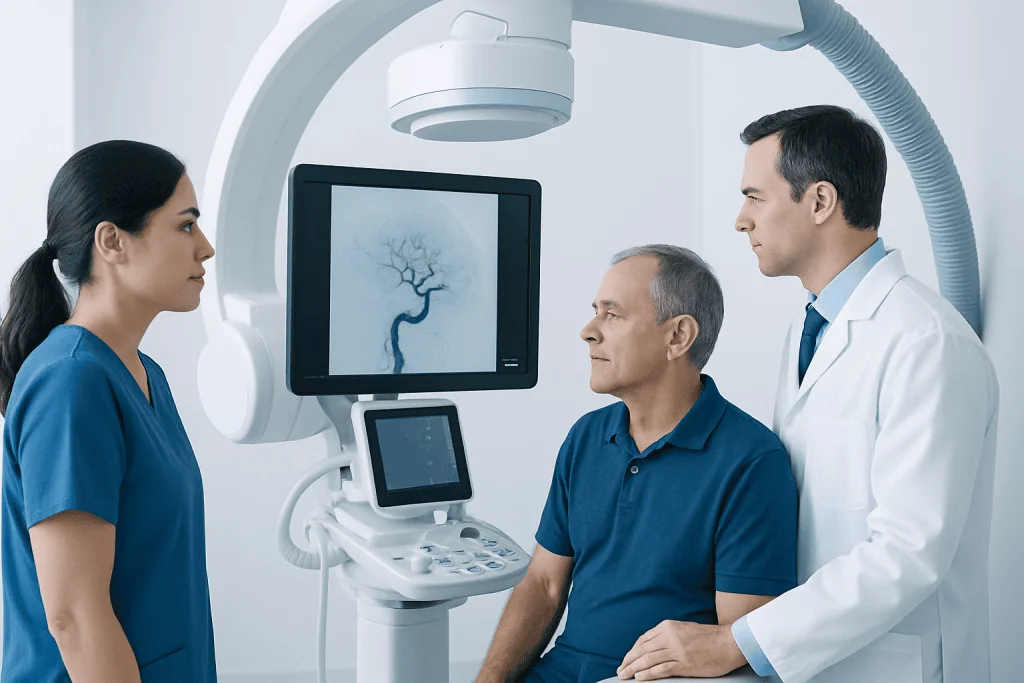
There is no single rule for when to get a second opinion, but certain situations make it especially useful. One common reason is when a doctor recommends an interventional procedure and the patient wants to understand whether it is truly necessary, whether the timing is appropriate, and whether there are noninvasive alternatives. This can arise with conditions such as brain aneurysm, carotid artery narrowing, or blood vessel abnormalities in the brain.
A second opinion may also help when the diagnosis remains unclear. Neurological symptoms such as weakness, dizziness, headaches, numbness, visual changes, or speech problems can have many causes. If imaging findings are subtle or experts interpret them differently, another review by an experienced interventional neurologist, neuroradiologist, or cerebrovascular team may help make the picture clearer.
Patients often benefit from another opinion in the following situations:
- A rare or complex cerebrovascular condition has been diagnosed.
- An invasive procedure has been recommended, but the reasons are not fully understood.
- There are several treatment options with different risks and benefits.
- Symptoms are worsening despite treatment.
- Imaging findings and symptoms do not seem to match.
- The patient feels uncertain, rushed, or unable to ask questions.
It is also reasonable to seek a second opinion when treatment involves long-term consequences, such as the need for blood-thinning medication, follow-up procedures, or close imaging surveillance. For many people, the main value is peace of mind. Feeling informed and comfortable with the plan can make treatment and recovery less stressful.
Common Conditions That Prompt Another Expert Review

Interventional neurology often overlaps with vascular neurology, neurosurgery, and neuroradiology. Because of this, some conditions naturally benefit from multidisciplinary review. Patients frequently seek second opinions for aneurysms, arteriovenous malformations, dural fistulas, carotid or intracranial artery narrowing, and complications after a previous procedure. Another expert may help explain whether the condition should be monitored, treated with medication, or managed using an endovascular approach.
Stroke care is another important area. In an emergency, treatment decisions must often be made quickly, and immediate care should never be delayed. However, after the emergency phase, patients may seek another opinion about the cause of the stroke, the need for further vascular evaluation, and whether procedures such as stroke treatment or vessel-opening techniques were indicated or remain relevant. This can be useful for preventing future events and understanding long-term care.
Some patients seek review after being told they need stenting or embolization, or after being advised to simply watch and wait. A second opinion can help compare the risks of observation with the risks of intervention. It may also identify whether referral to a center with high expertise in interventional neuroradiology is appropriate for advanced imaging review or treatment planning.
What Happens During a Second Opinion Visit
A second opinion appointment usually begins with a careful review of the patient’s medical history, current symptoms, medications, previous procedures, and imaging studies. The specialist may ask when symptoms started, how they have changed over time, and whether there are other health conditions that affect treatment choices. Neurological examination findings, blood tests, and reports from previous doctors are also often reviewed.
Imaging is central in interventional neurology. MRI, CT, angiography, ultrasound, and other studies may be re-read to confirm the diagnosis or to assess details that influence treatment planning. In some cases, the second specialist agrees that no further testing is needed. In others, additional imaging or a different type of study may help answer a remaining question.
Patients can prepare for a more useful consultation by bringing:
- Copies of imaging scans and written radiology reports
- Clinic notes, hospital discharge summaries, and procedure reports
- A current medication and allergy list
- A timeline of symptoms and important health events
- A written list of questions and concerns
The specialist should explain the diagnosis in clear language, outline the available options, and discuss possible benefits, limitations, and risks. Patients may also ask how urgent treatment is, what could happen with observation alone, and whether the same recommendation would apply at a specialized center. A good second opinion should improve understanding, even if the treatment plan does not change.
Questions Patients May Want to Ask
Interventional neurology decisions can feel highly technical, so practical questions are often helpful. Patients may ask whether the diagnosis is certain, what the main goal of treatment is, and what would happen if treatment were delayed or not performed. It is also reasonable to ask whether a procedure is intended to reduce symptoms, prevent future complications, or address an immediate threat.
Questions about risk are especially important. Patients can ask about short-term procedural risks, longer-term follow-up needs, and how other medical problems may influence safety. If the proposed treatment is a catheter-based procedure such as embolization, they may wish to understand why that option is favored over surgery, medication, or monitoring.
Useful questions may include:
- What exactly is the diagnosis, and how certain is it?
- Why is this procedure being recommended now?
- Are there nonprocedural options or alternatives?
- What are the main risks, benefits, and expected results?
- How experienced is the treating team with this condition and procedure?
- Will I need follow-up imaging or repeat treatment later?
Asking these questions does not challenge the doctor’s expertise. Instead, it helps build shared understanding. Patients who understand the reasons behind a recommendation are often better able to make choices that fit their health goals and personal values.
When Not to Wait for a Second Opinion
Although second opinions are valuable, some neurological conditions require immediate treatment. Signs of stroke, sudden severe headache, loss of consciousness, new seizures, sudden weakness, trouble speaking, facial drooping, or abrupt vision loss should be treated as emergencies. In these situations, emergency evaluation takes priority, because rapid treatment can reduce brain injury and improve recovery.
Likewise, active bleeding in or around the brain, rapidly worsening neurological deficits, or severe symptoms linked to unstable blood vessel problems may need urgent intervention. Once the immediate crisis has passed, a patient can still discuss the diagnosis, follow-up plan, and preventive strategies with another specialist if needed.
A useful approach is to separate emergency decisions from longer-term decisions. Emergency care should not be postponed while searching for another opinion. But after stabilization, a second review can help confirm the cause, assess future risk, and guide ongoing treatment or rehabilitation. This balance allows patients to stay safe while still being fully informed.
How to Make the Decision and Find the Right Specialist
Choosing whether to pursue a second opinion often comes down to confidence and clarity. If a patient understands the diagnosis, feels heard, and is comfortable with the treatment plan, another opinion may not be necessary. If important questions remain unanswered, there is uncertainty about the recommendation, or the case is rare or high-risk, another expert review can be worthwhile.
It is usually best to seek a specialist with direct experience in the specific condition being considered. Depending on the problem, this may be an interventional neurologist, vascular neurologist, neurointerventional radiologist, or cerebrovascular neurosurgeon. In many cases, the most helpful setting is a multidisciplinary center where several experts can review the case together and offer a balanced recommendation.
Patients do not need to feel uncomfortable about asking their original doctor for records or imaging. Most clinicians understand that second opinions are a normal part of complex medical care. Near the end of the process, some people choose centers such as Acibadem International, where multidisciplinary specialists in JCI-accredited hospitals diagnose and treat neurological and cerebrovascular conditions for international patients.
The main goal is informed decision-making. A second opinion should help the patient better understand the diagnosis, the urgency of treatment, and the available options. Even when both experts agree, that agreement can provide reassurance and support a confident next step.
Frequently asked questions
Is it normal to ask for a second opinion in interventional neurology?
Yes. It is common and appropriate, especially when a diagnosis is complex or a minimally invasive brain or vascular procedure has been recommended. Many doctors welcome second opinions because they can help patients make informed decisions.
Will getting a second opinion delay treatment?
Not necessarily. For nonemergency decisions, a second opinion can often be arranged without major delay. However, if there are signs of stroke, bleeding, or sudden neurological decline, emergency treatment should come first.
What should a patient bring to a second opinion appointment?
It helps to bring imaging scans, radiology reports, clinic notes, hospital records, a medication list, and a written summary of symptoms. A list of questions can also make the visit more productive and focused.
Can a second opinion change the treatment plan?
Sometimes. Another specialist may confirm the original recommendation, suggest a different procedure, recommend monitoring, or advise additional testing. Even when the plan stays the same, the patient often gains better understanding and reassurance.
Who should give the second opinion?
Ideally, it should come from a specialist with experience in the specific neurological or vascular condition involved. Depending on the case, that may be an interventional neurologist, vascular neurologist, neuroradiologist, or cerebrovascular neurosurgeon.
Does asking for a second opinion mean the first doctor was wrong?
No. A second opinion is a standard part of complex care and does not imply a mistake. It is simply a way to review the diagnosis and options more fully before making an important decision.
References
- World Stroke Organization
- American Heart Association
- National Institute of Neurological Disorders and Stroke
- Radiological Society of North America
- European Stroke Organisation
This article is for general information only and is not a substitute for professional medical advice. Please consult a qualified doctor about your individual situation.
Interventional Neurology in Turkey — costs, top hospitals & a free quote
JCI-accredited · board-certified surgeons · reply within 24h
Add us as a Preferred Source to see more of our trusted health content across Google Search, AI Overviews and Discover.