When to Get a Second Opinion in Mental Health Care

A second opinion can confirm, refine, or change a mental health diagnosis or treatment plan. It may be especially useful when symptoms are complex, severe, or not improving.
Key Takeaways
- A second opinion can confirm, refine, or change a mental health diagnosis or treatment plan.
- It may be especially useful when symptoms are complex, severe, or not improving.
- Getting another opinion does not mean distrust; it is a normal part of patient-centered care.
- Bringing records, medication lists, and symptom notes can make the visit more useful.
- A second opinion may involve a psychiatrist, psychologist, therapist, or another specialist depending on the concern.
A second opinion in mental health care can be a helpful step when a diagnosis is unclear, treatment is not working as expected, or a person wants more confidence in their care plan. Seeking another qualified professional is a common, respectful part of healthcare and can support safer, more informed decisions.
Overview: what a second opinion means in mental health care
A second opinion in mental health care means asking another qualified professional to review symptoms, diagnosis, and treatment recommendations. This may be done with a psychiatrist, psychologist, psychotherapist, or another clinician involved in behavioral health. The goal is not to replace a trusted doctor automatically, but to gain clarity and confidence when important decisions need to be made.
Mental health conditions can be complex. Symptoms may overlap across diagnoses, and stress, trauma, sleep problems, substance use, medical illness, or medication side effects can affect how a person feels and behaves. Because of this, it can sometimes take time to arrive at the most accurate diagnosis and most suitable care plan.
A second opinion can help confirm that the current plan is appropriate, suggest adjustments, or identify other possibilities that should be explored. In some cases, it reassures the person that their current care is on the right track. In other cases, it opens the door to treatments that may be a better fit for their needs, goals, or daily life.
When it may be helpful to seek a second opinion
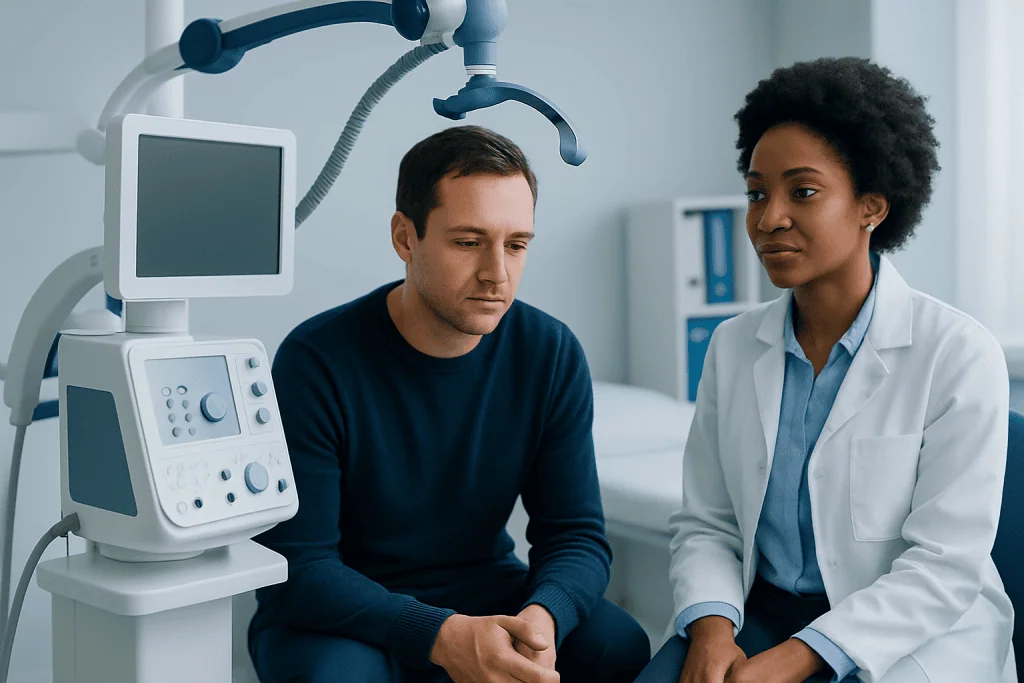
There is no single rule for when to seek another opinion, but certain situations make it especially reasonable. One common reason is uncertainty about the diagnosis. If symptoms have changed over time, seem to fit more than one condition, or do not fully match the explanation given, another evaluation may be helpful.
A second opinion may also be useful when treatment is not bringing enough improvement. This includes situations where symptoms remain severe, side effects are hard to manage, or the person has tried several approaches without clear benefit. In these cases, another clinician may suggest a different diagnosis, a revised therapy plan, or a more structured medication review.
People may also seek a second opinion before starting a major treatment, when hospitalization has been recommended, or when there are concerns about safety, functioning, or long-term medication use. Parents often request a second opinion when a child or teenager receives a new psychiatric diagnosis or when school, behavior, and development all seem to be affected.
- The diagnosis feels unclear, unexpected, or complicated.
- Symptoms are not improving or are getting worse.
- Medication side effects are troubling or treatment feels difficult to follow.
- A major decision is being considered, such as a new diagnosis, hospital care, or a significant medication change.
- The person simply wants added reassurance before moving forward.
Signs that a review of diagnosis or treatment may be needed

Mental health diagnoses are based on patterns of symptoms, personal history, and clinical evaluation rather than a single laboratory test. For that reason, follow-up and re-evaluation are often part of good care. A second opinion can be especially valuable if symptoms do not seem to fit the diagnosis, if there are large shifts in mood or behavior, or if daily functioning does not improve as expected.
Another important sign is when physical health factors may be contributing. Thyroid disorders, sleep apnea, chronic pain, neurological conditions, hormonal changes, and some medications can affect mood, concentration, energy, or anxiety. Substance use, including alcohol or stimulants, can also complicate the picture. A careful second opinion may prompt a broader medical review when appropriate.
Sometimes the issue is not the diagnosis itself but the treatment plan. For example, one person may benefit from psychotherapy, while another may need medication changes, sleep support, family involvement, or more intensive care. If the plan does not seem practical, understandable, or aligned with the person’s goals and values, another professional perspective can help.
It may also help to request a review when there are concerns about conditions that can overlap or be confused with one another, such as anxiety and depression, bipolar disorder and recurrent depression, or attention problems linked to trauma, sleep loss, or learning difficulties. A second clinician may recommend further assessment for related issues such as depression, anxiety disorders, or bipolar disorder when the symptoms suggest this is necessary.
Who can provide a second opinion
The best professional for a second opinion depends on the question being asked. A psychiatrist is often the right choice when the main concern involves diagnosis, medication, severe symptoms, or conditions such as psychosis, bipolar disorder, major depression, or complex anxiety. A clinical psychologist may be especially helpful when a detailed psychological assessment is needed or when therapy-based treatment planning is the main focus.
In some cases, a primary care doctor may help identify whether a medical problem could be contributing to emotional or behavioral symptoms. For children and teenagers, a child and adolescent psychiatrist, developmental specialist, or pediatric psychologist may be most appropriate. Older adults may benefit from clinicians familiar with memory changes, neurological conditions, and medication sensitivity.
A multidisciplinary approach can be particularly helpful when symptoms overlap with sleep, trauma, substance use, learning difficulties, or neurological concerns. Depending on the situation, the second opinion may include a medication review, psychotherapy assessment, risk assessment, cognitive testing, or coordination with other specialties. If more formal evaluation is needed, clinicians may recommend psychiatric assessment or structured psychological evaluation as part of the process.
How to prepare for a second opinion appointment
Good preparation can make a second opinion more useful. It helps to gather previous records, if available, including clinic notes, hospital discharge summaries, therapy summaries, medication lists, and any test results. A written timeline of symptoms can also be valuable, especially if it notes when symptoms began, what makes them better or worse, and how they affect work, school, relationships, sleep, and daily routines.
It is often helpful to bring a list of current and past medications, including how long they were used and whether they helped or caused side effects. If the person has been in therapy, a brief summary of what type of therapy was tried and how it went can also help the reviewing clinician understand what has already been explored.
Before the visit, many people find it useful to write down specific questions. These might include whether the diagnosis still fits, whether another condition should be considered, what the main treatment options are, and how benefits and risks compare. If the person wishes, a trusted family member or friend can attend to help remember details and provide observations, especially when symptoms affect concentration, memory, or insight.
- Bring records, test results, and discharge summaries if possible.
- Prepare a simple symptom timeline and note major life events.
- List all medicines, supplements, and any substance use honestly.
- Write down key questions and treatment goals.
- Ask how the new opinion can be shared with the current care team.
What to expect after the second opinion
After a second opinion, several outcomes are possible. The new clinician may agree fully with the current diagnosis and treatment plan, which can offer reassurance and strengthen trust in the existing care. They may also agree with the diagnosis but suggest practical refinements, such as a slower medication change, a different therapy approach, closer follow-up, or additional support around sleep, stress, or family dynamics.
In other situations, the second opinion may raise a different diagnosis or recommend more assessment before making a firm conclusion. This does not necessarily mean the first clinician was wrong. Mental health symptoms can evolve over time, and different specialists may notice different patterns based on the setting, timing, and information available.
Whenever possible, it is best to share the second opinion with the current treatment team so decisions can be coordinated safely. Medication should not be started, stopped, or changed suddenly without professional guidance. If the second opinion suggests a change in treatment, the person can discuss the reasons, expected benefits, possible side effects, and follow-up plan before deciding what to do next.
For people seeking care across specialties or countries, coordinated services can make this process easier. Near the end of the care pathway, some patients choose centers where mental health specialists can work alongside other departments when needed. Acibadem International’s multidisciplinary specialists in JCI-accredited hospitals diagnose and treat mental health conditions for international patients, including when a second opinion is being considered.
When to seek urgent help instead of waiting for a second opinion
A second opinion is valuable for many concerns, but urgent symptoms should not be delayed while waiting for another appointment. Immediate medical or emergency help is needed if a person may harm themselves or someone else, is unable to care for basic needs, has severe confusion, is hearing or seeing things that others do not, or seems disconnected from reality. Sudden extreme agitation, severe withdrawal, or inability to stay safe also requires prompt attention.
It is also important to seek urgent evaluation if there has been a serious reaction to medication, a rapid change in mental state, or signs of a medical emergency such as chest pain, seizures, fainting, or severe shortness of breath. In these situations, safety comes first. A second opinion can still be pursued later, once the immediate crisis has been stabilized.
Family members and caregivers should take warning signs seriously, especially if the person talks about death, feels hopeless, gives away belongings, misuses substances, or shows sudden risky behavior. If there is immediate danger, local emergency services or the nearest emergency department should be contacted without delay.
Frequently asked questions
Is getting a second opinion in mental health care a sign of distrust?
No. Seeking a second opinion is a normal part of healthcare and can help a person feel more confident about important decisions. Many clinicians understand and support the idea, especially when symptoms are complex or treatment has not been straightforward.
Can a second opinion change a mental health diagnosis?
Yes, it can. A second clinician may confirm the original diagnosis, refine it, or suggest that another condition should be considered. This can happen because symptoms overlap, evolve over time, or are influenced by medical, social, or substance-related factors.
Should a person tell their current therapist or psychiatrist about getting a second opinion?
In most cases, yes. Open communication can help with record sharing, medication safety, and coordinated treatment planning. It also gives the current clinician a chance to explain their reasoning and respond to any concerns.
What records are helpful to bring to a second opinion appointment?
Useful records include clinic notes, hospital summaries, test results, therapy summaries, and a list of current and past medications. A written timeline of symptoms, major stressors, and previous treatments can also help the new clinician understand the full picture more clearly.
Who is the best specialist for a mental health second opinion?
That depends on the concern. A psychiatrist is often best for diagnosis, medication questions, or severe symptoms, while a psychologist may be helpful for detailed assessment and therapy planning. Children, teenagers, and older adults may benefit from age-specific specialists.
How long should someone wait before seeking a second opinion?
There is no fixed timeline. A second opinion may be requested at any stage, especially if symptoms are worsening, the diagnosis feels unclear, side effects are difficult, or a major treatment decision is being made. Urgent safety concerns, however, should be addressed immediately rather than waiting.
References
- World Health Organization
- National Institute of Mental Health
- American Psychiatric Association
- National Health Service
- Substance Abuse and Mental Health Services Administration
This article is for general information only and is not a substitute for professional medical advice. Please consult a qualified doctor about your individual situation.
Explore treatments in Turkey — costs, top hospitals & a free quote
JCI-accredited · board-certified surgeons · reply within 24h
Add us as a Preferred Source to see more of our trusted health content across Google Search, AI Overviews and Discover.