

When to See a Neurological Sleep Specialist: Warning Signs Beyond Snoring and Poor Sleep

Not all sleep problems are simple insomnia or stress-related sleep loss. Symptoms such as acting out dreams, sudden daytime sleep attacks, or leg discomfort at night may need neurological sleep evaluation.
Key Takeaways
- Not all sleep problems are simple insomnia or stress-related sleep loss.
- Symptoms such as acting out dreams, sudden daytime sleep attacks, or leg discomfort at night may need neurological sleep evaluation.
- A neurological sleep specialist diagnoses disorders affecting sleep, movement, breathing, and brain function during sleep.
- Sleep studies, brain and nerve evaluations, and a careful symptom history can help identify the cause.
- Early assessment may improve safety, daytime function, and long-term health.
Snoring and poor sleep are common, but some sleep-related symptoms can point to disorders involving the brain, nerves, breathing, or body movement during sleep. A neurological sleep specialist can help assess warning signs such as excessive daytime sleepiness, unusual nighttime behaviors, restless legs, or sudden muscle weakness.
Overview: What a Neurological Sleep Specialist Does
A neurological sleep specialist is a doctor with advanced training in sleep disorders that involve the brain, nervous system, movement, and the body’s control of sleep and wakefulness. While many people think of sleep care mainly in terms of snoring or insomnia, neurological sleep medicine also focuses on conditions such as narcolepsy, restless legs syndrome, parasomnias, sleep-related movement disorders, and some forms of sleep apnea.
These specialists look at symptoms in a broader way. They consider whether poor sleep is linked to nerve function, abnormal brain signaling, breathing problems during sleep, unusual movements, or disorders that affect alertness during the day. This is especially important when symptoms are persistent, unusual, or beginning to affect safety, memory, mood, school, work, or driving.
Seeing a specialist does not always mean a serious illness is present. Many sleep disorders are treatable, and some can be managed very effectively once the correct diagnosis is made. The key is knowing when symptoms go beyond ordinary tiredness and deserve a closer medical evaluation.
Warning Signs Beyond Snoring and Poor Sleep
Some symptoms suggest that a sleep problem may involve the nervous system rather than only lifestyle factors. A person may benefit from specialist care if they have overwhelming daytime sleepiness despite spending enough time in bed, repeated episodes of falling asleep unintentionally, or difficulty staying awake during quiet activities, conversations, or driving.
Another warning sign is unusual behavior during sleep. This may include sleepwalking, screaming, confusion after waking, violent movements, or acting out dreams by kicking, punching, or talking. These episodes can sometimes injure the person or a bed partner and may require evaluation for parasomnias or other neurological sleep conditions.
Symptoms affecting the legs and body can also matter. Repeated leg jerking during sleep, an irresistible urge to move the legs in the evening, crawling or tingling sensations that improve with movement, or frequent awakenings from body movements may point to restless legs syndrome or a related disorder.
A person should also seek assessment for episodes of sudden muscle weakness triggered by emotions, vivid dream-like experiences when falling asleep or waking, temporary inability to move when waking, or severe morning headaches with unrefreshing sleep. These symptoms may suggest disorders such as narcolepsy, sleep paralysis, or sleep-disordered breathing that need a more targeted workup.
Symptoms That May Point to Specific Neurological Sleep Disorders

Excessive daytime sleepiness can have many causes, but when it is severe or out of proportion to sleep time, doctors may consider disorders of central hypersomnolence. Narcolepsy often causes persistent sleepiness and may also include dream-like hallucinations at sleep onset, sleep paralysis, and sudden loss of muscle tone called cataplexy. These symptoms deserve prompt medical attention because they can affect education, work, and personal safety.
Dream enactment behaviors are another important clue. If a person appears to physically act out their dreams, shouts, reaches, kicks, or falls out of bed, a specialist may evaluate for REM sleep behavior disorder. In some adults, this can occur on its own or alongside other neurological conditions, so careful assessment is useful.
Breathing-related symptoms can overlap with neurology as well. Loud snoring, choking during sleep, pauses in breathing, waking with gasping, morning headaches, poor concentration, and daytime fatigue may suggest sleep apnea. Although sleep apnea is often associated with airway factors, a neurological sleep specialist commonly helps diagnose and manage complex cases, especially when symptoms are severe or occur with other neurological complaints.
Some people have symptoms that seem less obviously related to sleep, such as memory problems, mood changes, poor attention, headaches, balance concerns, or worsening seizure control. In these situations, sleep disturbance may be contributing to broader neurological health. Identifying and treating the sleep disorder can sometimes improve overall functioning and quality of life.
Causes and Risk Factors
Neurological sleep disorders can arise for many reasons. Genetics, brain signaling differences, iron deficiency, medication effects, mental health conditions, shift work, and chronic sleep deprivation may all play a role. Some sleep problems also become more common with age, while others may begin in childhood or adolescence.
Certain health conditions increase the likelihood of specialist referral. These include Parkinsonian symptoms, epilepsy, stroke history, neuromuscular disorders, obesity, chronic lung disease, anxiety, depression, and conditions that cause chronic pain. Pregnancy, menopause, and some medications may also make sleep symptoms more noticeable.
Family observations are often important risk clues. A bed partner may notice breathing pauses, repetitive leg movements, dream enactment, or episodes of confusion that the sleeping person does not remember. Because many sleep disorders happen during sleep itself, outside observations can be very helpful during medical assessment.
It is also important to remember that more than one sleep disorder can exist at the same time. For example, a person may have insomnia plus sleep apnea, or restless legs syndrome plus periodic limb movements and daytime fatigue. When symptoms do not improve with basic sleep advice, a more complete evaluation may help uncover overlapping causes.
How Diagnosis Works
Diagnosis begins with a detailed clinical history. The specialist will ask about sleep timing, naps, snoring, breathing pauses, unusual behaviors, dream content, medication use, caffeine and alcohol intake, mood symptoms, work schedules, and how sleep problems affect daytime life. A sleep diary, smartphone recordings, or observations from a partner can be useful additions.
A physical and neurological examination may follow, depending on symptoms. The doctor may assess breathing patterns, upper airway features, leg sensations, muscle tone, reflexes, cognition, or signs of an underlying neurological disorder. Blood tests may be requested in some cases, such as checking iron levels when restless legs syndrome is suspected.
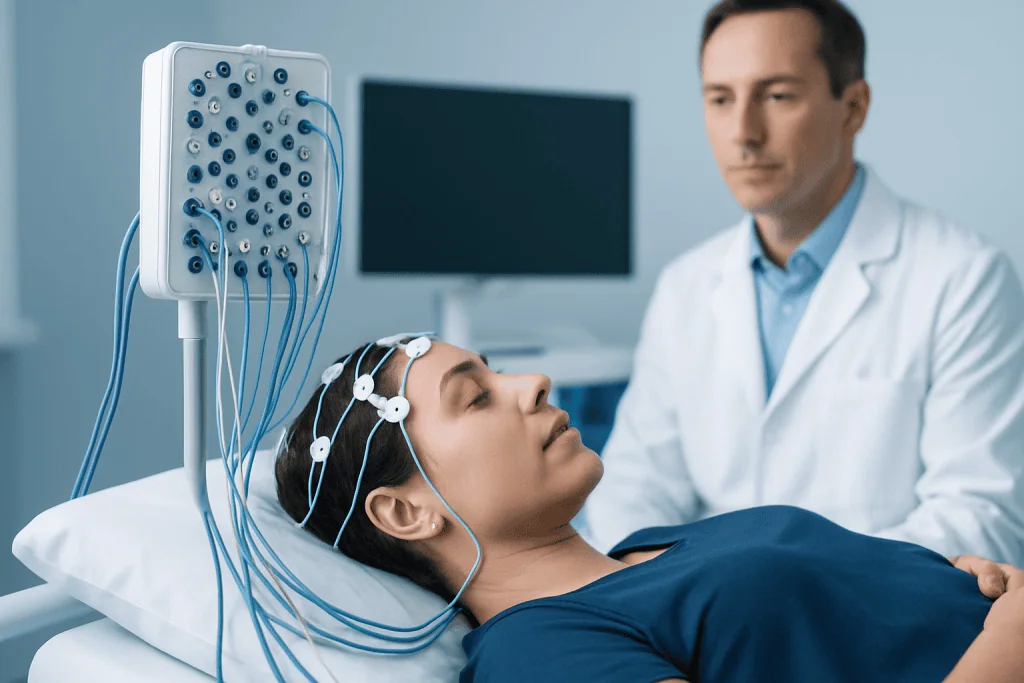
Many patients benefit from formal sleep testing. This may include an overnight sleep study to record brain waves, breathing, heart rhythm, oxygen levels, and body movements. Some people with severe daytime sleepiness may also need daytime nap testing after an overnight study to evaluate for narcolepsy or related disorders.
Additional tests depend on the situation. A home-based sleep apnea test may be suitable for selected patients, while others need in-laboratory monitoring, prolonged EEG evaluation, or imaging if there are signs of another neurological condition. The goal is not simply to confirm poor sleep, but to identify the exact pattern causing symptoms.
Treatment Options and What Care May Include
Treatment depends on the diagnosis and often combines more than one approach. For sleep apnea, therapy may involve weight management, positional strategies, oral devices, or sleep apnea treatment such as positive airway pressure. For restless legs syndrome, care may focus on correcting contributing factors like low iron, reviewing medications, and using symptom-guided therapies recommended by a physician.
People with narcolepsy or central hypersomnolence may benefit from structured sleep schedules, planned naps, and prescription medications to improve wakefulness or control related symptoms. Those with parasomnias may need safety measures in the bedroom, medication review, management of triggers such as sleep deprivation, and treatment of any underlying sleep disorder that may be provoking the episodes.
If insomnia is present along with neurological sleep symptoms, treatment may include behavioral strategies, stress management, and in some cases insomnia treatment as part of a broader plan. When repeated abnormal nighttime events raise concern for seizures or overlap with other neurological disorders, a specialist may coordinate care with a neurologist or epilepsy team.
In more complex situations, treatment may involve a multidisciplinary approach. Acibadem International’s multidisciplinary specialists in JCI-accredited hospitals diagnose and treat sleep-related neurological conditions for international patients, with plans tailored to the person’s symptoms, test results, and general health.
Self-care, Safety, and Prevention
Healthy sleep habits support medical treatment and may reduce symptom severity. Helpful measures include keeping a regular sleep schedule, allowing enough time for sleep, limiting alcohol near bedtime, reducing caffeine late in the day, and creating a dark, quiet sleeping environment. These steps do not replace specialist care when warning signs are present, but they can improve sleep quality overall.
Safety is especially important when symptoms involve sudden sleep episodes, dream enactment, sleepwalking, or severe daytime drowsiness. A person may need to avoid driving until assessed, remove sharp or breakable objects from the bedroom, secure windows and doors, and consider sleeping arrangements that protect both the patient and bed partner.
People with leg discomfort or nighttime movements may find temporary relief from moderate exercise, stretching, and avoiding triggers such as nicotine or excess caffeine. However, self-care should not delay diagnosis when symptoms are frequent or disruptive. Unsupervised use of sleep aids can sometimes worsen confusion, breathing problems, or abnormal nighttime behaviors.
Prevention is not always possible because some neurological sleep disorders have biological causes. Still, early attention to persistent symptoms, review of medications, and management of related health conditions can reduce complications and improve day-to-day functioning.
When to See a Doctor Urgently
A medical appointment is appropriate if sleep symptoms are lasting more than a few weeks, interfering with daily life, or not improving with basic sleep hygiene. A person should also seek professional evaluation if a partner notices breathing pauses, repeated choking, violent movements, or behaviors during sleep that seem unusual or unsafe.
More urgent care is important when symptoms create immediate safety risks. This includes falling asleep while driving, sudden episodes of weakness causing falls, severe confusion at night, injuries during sleep, or significant daytime sleepiness that affects work, school, or caring for others. New neurological symptoms such as seizures, fainting, weakness, or marked memory changes should also be assessed promptly.
Parents should seek pediatric evaluation if a child snores heavily, stops breathing during sleep, sleepwalks frequently, has unusual nighttime movements, struggles to stay awake during the day, or has behavior and learning problems that may be linked to poor-quality sleep. Children can have sleep disorders too, and symptoms may look different from those in adults.
Early assessment often leads to clearer answers and better symptom control. Rather than waiting until exhaustion or injury occurs, it is reasonable to consult a qualified doctor whenever sleep-related symptoms seem unusual, persistent, or out of proportion to ordinary poor sleep.
Frequently asked questions
What is the difference between a general sleep specialist and a neurological sleep specialist?
A neurological sleep specialist focuses on sleep problems that involve the brain, nerves, movement, and alertness systems. This can include narcolepsy, parasomnias, restless legs syndrome, and complex sleep apnea cases. Some doctors may manage both general and neurological sleep disorders depending on their training.
Is snoring always a sign that I need a neurological sleep specialist?
Not always. Occasional snoring can happen without a major disorder, but loud habitual snoring, breathing pauses, choking during sleep, or severe daytime sleepiness should be evaluated. A specialist may be especially helpful when snoring comes with neurological or movement-related symptoms.
When is daytime sleepiness more than just being tired?
Daytime sleepiness becomes more concerning when a person dozes off unintentionally, struggles to stay awake in passive situations, or feels sleepy despite getting enough sleep time. It is especially important to seek care if sleepiness affects driving, work, school, or safety. Persistent excessive sleepiness can be a sign of an underlying sleep disorder.
Should acting out dreams be taken seriously?
Yes. Kicking, punching, shouting, or falling out of bed during dreams is not considered typical sleep behavior and should be assessed. These episodes can lead to injury and may indicate a parasomnia or another sleep-related neurological condition.
How is a neurological sleep disorder diagnosed?
Diagnosis usually starts with a detailed history of symptoms, sleep schedule, medications, and daytime functioning. Depending on the case, testing may include an overnight sleep study, daytime nap testing, blood tests, or neurological evaluation. Input from a bed partner can also be very helpful.
Can sleep disorders cause memory, mood, or concentration problems?
Yes. Poor-quality sleep and untreated sleep disorders can affect attention, memory, irritability, mood, and overall cognitive performance. In some people, treating the underlying sleep problem improves daytime thinking and emotional well-being.
References
- American Academy of Sleep Medicine
- National Institute of Neurological Disorders and Stroke
- National Heart, Lung, and Blood Institute
- Mayo Clinic
- World Health Organization
This article is for general information only and is not a substitute for professional medical advice. Please consult a qualified doctor about your individual situation.
Explore treatments in Turkey — costs, top hospitals & a free quote
JCI-accredited · board-certified surgeons · reply within 24h
Add us as a Preferred Source to see more of our trusted health content across Google Search, AI Overviews and Discover.

More from the Health Library



Related Specialists

Assoc. Prof. Dr. Ece Uysal
Neurosurgery
Prof. Dr. Gamze Uğurluer Sümer
Radiation Oncology
Prof. Dr. Ali Bülent Antmen
Pediatrics
Prof. Dr. Emine Handan Zeren
Pathology