When to See a Neurologist for Sleep Problems

A neurologist evaluates sleep problems that may involve the brain, nerves, or neuromuscular system. Warning signs include excessive daytime sleepiness, unusual nighttime movements, pauses in breathing, and sudden weakness episodes.
Key Takeaways
- A neurologist evaluates sleep problems that may involve the brain, nerves, or neuromuscular system.
- Warning signs include excessive daytime sleepiness, unusual nighttime movements, pauses in breathing, and sudden weakness episodes.
- Diagnosis may involve a detailed history, neurological exam, sleep testing, and sometimes brain or nerve studies.
- Treatment depends on the cause and may include lifestyle changes, devices, medication, or treatment of an underlying neurological condition.
- Early evaluation can improve sleep quality, daytime function, safety, and overall health.
Sleep problems are common, but some can be linked to the brain, nerves, or the body’s sleep-wake control systems. A neurologist may help when sleep symptoms are persistent, complex, or associated with unusual movements, breathing changes, weakness, headaches, or daytime sleepiness.
Overview
Many people have occasional trouble sleeping, especially during times of stress, travel, illness, or schedule changes. In many cases, these problems improve with healthy sleep habits and time. However, some sleep symptoms suggest a more complex issue involving the brain, nerves, muscles, or the body’s internal clock.
A neurologist is a doctor who specializes in conditions of the brain and nervous system. Some neurologists have additional expertise in sleep medicine and evaluate disorders such as narcolepsy, restless legs syndrome, REM sleep behavior disorder, sleep-related movement disorders, and certain forms of sleep apnea. They may also help when sleep symptoms are connected to headaches, epilepsy, Parkinsonian symptoms, neuropathy, or other neurological concerns.
Knowing when to see a neurologist for sleep problems can help a person seek the right care sooner. Persistent symptoms, safety concerns, sudden changes, or signs of an underlying neurological condition are good reasons to discuss specialist evaluation with a doctor.
Symptoms That May Need a Neurologist
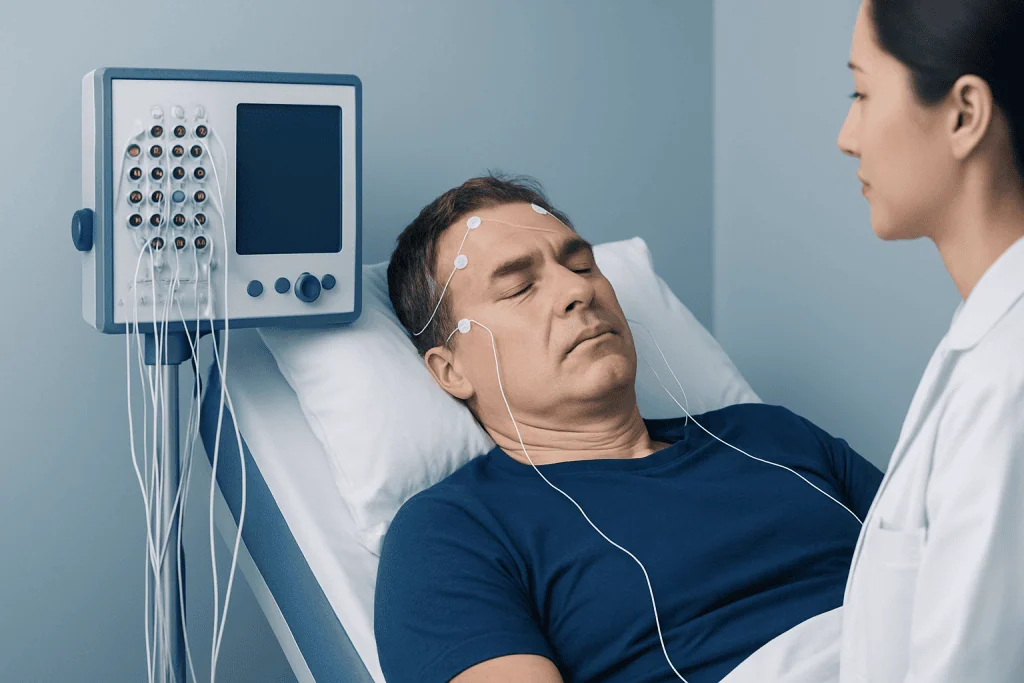
Some sleep-related symptoms are more likely to need neurological assessment than simple insomnia alone. These include overwhelming daytime sleepiness despite enough time in bed, sudden sleep attacks, vivid dream-like experiences when falling asleep or waking, sleep paralysis, and episodes of sudden muscle weakness triggered by emotion. These features can suggest disorders such as narcolepsy.
Unusual movements or behaviors during sleep are another important clue. A person may kick, jerk, thrash, walk, talk, or act out dreams. Repeated limb movements, nighttime shaking, or episodes that raise concern for seizures may need evaluation by a neurologist, especially if there is injury, confusion after the event, or memory loss.
Other warning signs include loud snoring with pauses in breathing, morning headaches, difficulty concentrating, changes in memory, weakness, numbness, or worsening fatigue. While snoring is common, breathing disturbances during sleep can sometimes overlap with neurological or neuromuscular conditions and deserve proper assessment.
- Excessive daytime sleepiness or sudden sleep episodes
- Acting out dreams, sleepwalking, or repeated unusual behaviors at night
- Restless legs, repetitive jerking, or other involuntary movements
- Snoring with witnessed pauses in breathing or choking during sleep
- Suspected nighttime seizures or episodes of unexplained confusion
- Sleep problems together with headaches, weakness, tremor, or memory changes
Common Neurological Sleep Disorders

Neurologists may diagnose several conditions that directly affect sleep. Narcolepsy is a disorder of sleep-wake regulation that can cause excessive daytime sleepiness, sudden sleep episodes, and sometimes cataplexy, which is a brief loss of muscle tone triggered by emotions. Restless legs syndrome causes an uncomfortable urge to move the legs, often in the evening, and can make it hard to fall asleep.
REM sleep behavior disorder occurs when the normal muscle paralysis of dreaming sleep is reduced or lost, allowing a person to move and act out dreams. This can lead to injury and sometimes appears alongside other neurological conditions. Sleep-related epilepsy can also be mistaken for parasomnias because events often happen during the night.
Obstructive sleep apnea is usually managed within sleep medicine, but neurological input may be useful when symptoms are complex, severe, or associated with stroke, headaches, memory changes, or neuromuscular disease. In some cases, sleep problems may occur together with conditions such as Parkinson’s disease or epilepsy, which can affect normal sleep patterns and daytime alertness.
Causes and Risk Factors
Sleep problems can arise from many different causes. Stress, anxiety, depression, shift work, jet lag, alcohol, caffeine, medications, and chronic pain are common contributors. A neurologist becomes especially important when symptoms suggest that the brain’s sleep centers, the peripheral nerves, muscle control, or breathing regulation may be involved.
Risk factors vary by disorder. Obstructive sleep apnea is more likely in people who snore loudly, carry excess weight, have nasal blockage, or have certain jaw and airway features. Restless legs syndrome may be linked to iron deficiency, pregnancy, kidney disease, or family history. Narcolepsy often begins in adolescence or young adulthood, though it can be diagnosed later.
Age can also influence risk. Acting out dreams during sleep is more common in older adults and should not be dismissed as normal aging. Neurological diseases, prior stroke, head injury, neuropathy, and some medications can all contribute to disrupted sleep. A full evaluation helps clarify whether the main issue is behavioral, medical, or neurological.
How a Neurologist Diagnoses Sleep Problems
Diagnosis starts with a detailed medical and sleep history. The neurologist asks about bedtime habits, work schedule, snoring, breathing pauses, unusual movements, dream enactment, daytime sleepiness, medications, and any symptoms such as headaches, weakness, tremor, or memory problems. A bed partner’s observations can be very helpful because many nighttime events happen without the person realizing it.
A neurological examination may look at strength, coordination, reflexes, sensation, eye movements, and cognition. Depending on the pattern of symptoms, testing may include a sleep study, home sleep apnea testing, daytime nap testing for suspected narcolepsy, EEG for possible seizures, blood tests, or imaging in selected cases. If breathing-related sleep problems are suspected, a doctor may recommend sleep study (polysomnography) to monitor sleep stages, breathing, oxygen, heart rhythm, and body movements.
Diagnosis is often a step-by-step process rather than a single test. Keeping a sleep diary for one to two weeks can provide useful information about sleep timing, awakenings, naps, and daytime functioning. In some cases, wearable data may be discussed, but consumer devices do not replace medical testing.
Treatment Options
Treatment depends on the underlying diagnosis. Many people benefit from improving sleep habits, maintaining a regular sleep schedule, reducing caffeine and alcohol close to bedtime, and addressing contributing conditions such as anxiety, chronic pain, or nasal obstruction. When a specific neurological sleep disorder is identified, more targeted treatment is often needed.
For sleep apnea, treatment may include weight management, positional strategies, oral devices, or CPAP treatment to keep the airway open during sleep. Restless legs syndrome may improve when iron deficiency or another contributing problem is treated. Narcolepsy and some parasomnias may require medication prescribed and monitored by a specialist.
If nighttime events could be seizures or if there are other neurological symptoms, the neurologist may treat the underlying condition directly. Some patients also benefit from coordinated care with ENT, pulmonology, psychiatry, or cardiology. In more complex situations, evaluation through a neurology consultation can help guide testing and long-term management. Near the end of the care journey, some international patients choose centers such as Acibadem International, where multidisciplinary specialists in JCI-accredited hospitals evaluate and treat neurological sleep disorders.
Prevention and Self-care
Not all sleep disorders can be prevented, but good sleep habits can reduce many common problems and support overall treatment. Going to bed and waking at similar times each day helps stabilize the body’s internal clock. A quiet, dark, comfortable bedroom and limiting screen exposure before bedtime may also improve sleep quality.
Healthy lifestyle choices matter. Regular physical activity, balanced nutrition, and limiting alcohol or nicotine can support better sleep. It is also wise to review medications with a doctor if sleep changes started after a new prescription or over-the-counter product. People with snoring or possible apnea should avoid sedatives unless advised by a clinician, as these can worsen breathing issues during sleep.
Simple self-care has limits, however. If symptoms are severe, progressive, or linked to unusual movements, breathing pauses, or daytime safety concerns, self-treatment should not delay proper medical evaluation.
When to See a Doctor Urgently
A person should seek medical advice if sleep problems last for several weeks, interfere with work or daily function, or lead to accidents, near-miss driving events, or persistent daytime sleepiness. Specialist assessment is especially important when symptoms are unusual, sudden, or accompanied by neurological complaints such as weakness, numbness, fainting, confusion, tremor, or memory decline.
Urgent evaluation may be needed for repeated pauses in breathing during sleep, choking episodes, possible nighttime seizures, violent dream enactment with injury risk, or sudden episodes of muscle weakness. Children, older adults, pregnant women, and people with chronic neurological disease may need closer assessment because sleep symptoms can present differently or have broader health effects.
If there is chest pain, severe shortness of breath, stroke-like symptoms, or loss of consciousness, emergency care is appropriate. For non-emergency but concerning symptoms, starting with a primary care doctor or a sleep specialist can help determine whether referral to a neurologist is the best next step.
Frequently asked questions
What kind of sleep problems does a neurologist treat?
A neurologist may treat sleep disorders linked to the brain, nerves, or muscle control. Examples include narcolepsy, restless legs syndrome, REM sleep behavior disorder, sleep-related epilepsy, and some complex cases of sleep apnea.
Should a person see a neurologist for insomnia?
Simple insomnia is often first evaluated by a primary care doctor or sleep specialist. A neurologist may be helpful if insomnia comes with unusual movements, headaches, seizures, memory changes, weakness, or other neurological symptoms.
Is snoring a reason to see a neurologist?
Snoring alone does not always require a neurologist. However, loud snoring with pauses in breathing, choking, severe daytime sleepiness, morning headaches, or concentration problems may need further evaluation for sleep apnea or related conditions.
How is narcolepsy diagnosed?
Narcolepsy is usually diagnosed through a detailed history, an overnight sleep study, and a daytime nap test called a multiple sleep latency test. The doctor may also ask about cataplexy, sleep paralysis, and vivid dream-like experiences around sleep.
Can acting out dreams be a neurological problem?
Yes. Acting out dreams may be a sign of REM sleep behavior disorder, in which the normal muscle relaxation of dreaming sleep does not occur fully. Because injuries can happen and the condition may be associated with neurological disease, medical evaluation is important.
What should a person bring to a sleep neurology appointment?
It helps to bring a list of medications, a sleep diary, previous test results, and notes about symptoms and when they occur. If possible, a bed partner’s observations or phone recordings of snoring or unusual nighttime behaviors can also be useful.
References
- American Academy of Sleep Medicine
- National Institute of Neurological Disorders and Stroke
- National Heart, Lung, and Blood Institute
- Centers for Disease Control and Prevention
- Mayo Clinic
This article is for general information only and is not a substitute for professional medical advice. Please consult a qualified doctor about your individual situation.
Explore treatments in Turkey — costs, top hospitals & a free quote
JCI-accredited · board-certified surgeons · reply within 24h
Add us as a Preferred Source to see more of our trusted health content across Google Search, AI Overviews and Discover.

More from the Health Library



Related Specialists

Asst. Prof. Dr. Emel Uğur
Audiology
Prof. Dr. Süda Tekin
Infectious Diseases & Clinical Microbiology
Dr. Eylem Sert
Emergency Service
Dr. Yusuf Aktürk
Cardiology