When to See a Neurotologist for Dizziness, Tinnitus, or Hearing Loss

A neurotologist specializes in disorders of the inner ear, hearing, balance, and related nerve pathways. Sudden hearing loss, severe vertigo, one-sided tinnitus, and unexplained balance problems should be assessed promptly.
Key Takeaways
- A neurotologist specializes in disorders of the inner ear, hearing, balance, and related nerve pathways.
- Sudden hearing loss, severe vertigo, one-sided tinnitus, and unexplained balance problems should be assessed promptly.
- Many symptoms have non-serious causes, but some need urgent evaluation to prevent complications or permanent hearing changes.
- Diagnosis may involve hearing tests, balance testing, imaging, and a careful review of symptom patterns.
- Treatment depends on the cause and may include medicines, hearing support, vestibular rehabilitation, procedures, or surgery.
A neurotologist is a specialist who evaluates complex ear and balance problems, especially when dizziness, tinnitus, or hearing loss do not improve or need advanced testing. Knowing when to seek this type of care can help identify treatable causes and protect hearing and balance.
Overview: What a Neurotologist Does
A neurotologist is an ear specialist with advanced training in disorders of hearing, balance, the inner ear, and the nerves connected to these systems. This type of doctor often sees people whose symptoms are more complex, persistent, or difficult to explain. Common reasons for referral include dizziness, vertigo, tinnitus, hearing loss, imbalance, ear fullness, and certain facial nerve or skull base conditions.
Many people first speak with a primary care doctor, neurologist, or general ear, nose, and throat specialist. A neurotologist may become involved when symptoms are severe, come back repeatedly, affect daily life, or suggest a problem in the inner ear rather than a temporary illness. Their role is not only to diagnose but also to guide treatment and long-term follow-up.
Because dizziness, tinnitus, and hearing changes can have several possible causes, specialist evaluation can be helpful when the pattern is unusual. Neurotologists use detailed histories, hearing tests, balance assessments, and imaging when needed to distinguish between disorders such as benign positional vertigo, Ménière disease, vestibular neuritis, otosclerosis, acoustic neuroma, and other inner ear conditions.
Symptoms That May Need a Neurotologist
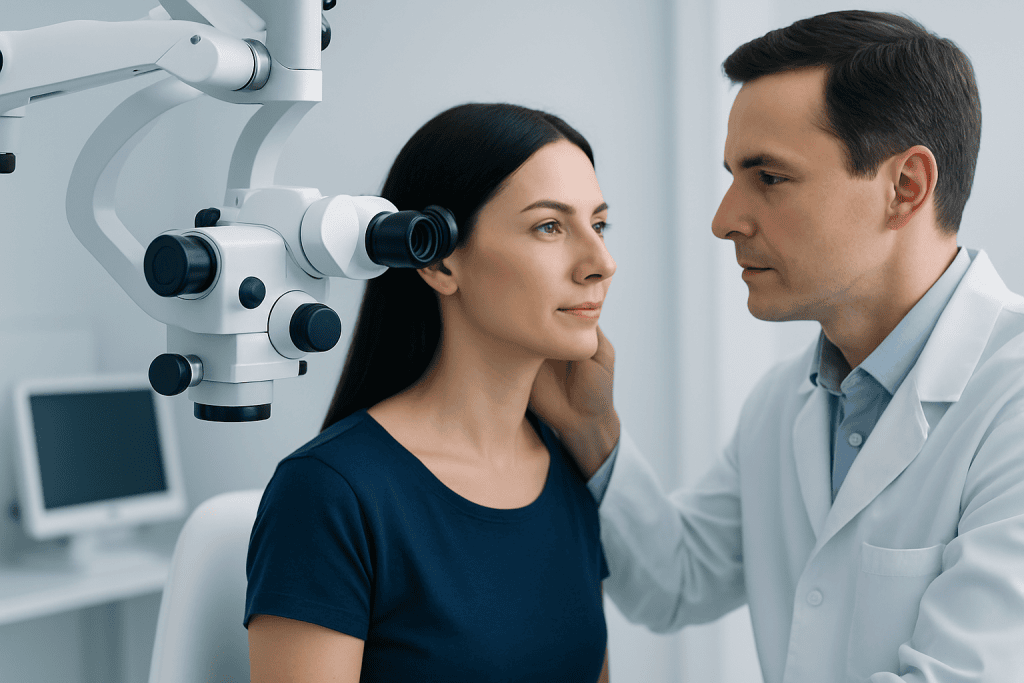
Dizziness is a broad symptom. Some people feel spinning, which is called vertigo, while others feel lightheaded, unsteady, or as if they are being pulled to one side. A neurotologist is especially helpful when dizziness is recurrent, associated with hearing symptoms, triggered by head movement, or continues after an infection or injury.
Tinnitus is the perception of sound without an outside source. It may be ringing, buzzing, humming, roaring, or pulsing. While tinnitus is common and often not dangerous, medical review is important if it affects one ear more than the other, starts suddenly, is accompanied by hearing loss, or has a pulsing quality that seems to follow the heartbeat.
Hearing loss can happen gradually or suddenly. Some people notice muffled sounds, needing the television louder, trouble understanding speech in noise, or pressure in one ear. Others may wake up with a major change in hearing. Sudden sensorineural hearing loss is considered time-sensitive and should be assessed as soon as possible.
- Spinning vertigo lasting minutes to hours
- Repeated falls or ongoing imbalance
- One-sided or worsening tinnitus
- Sudden hearing loss or rapidly changing hearing
- Ear fullness with fluctuating hearing
- Dizziness with nausea, vomiting, or motion sensitivity
Common Causes Behind Dizziness, Tinnitus, and Hearing Loss

Not every ear-related symptom points to a serious disorder. Dizziness may come from dehydration, medications, migraine, blood pressure changes, anxiety, or infections. Tinnitus can be related to noise exposure, age-related hearing loss, earwax blockage, jaw problems, or certain medicines. Hearing loss can result from middle ear fluid, infection, aging, loud sound exposure, or inner ear damage.
Still, some symptom patterns raise the possibility of a condition affecting the inner ear or hearing nerve. Examples include vertigo caused by benign paroxysmal positional vertigo, vestibular neuritis, or Ménière disease; tinnitus linked to hearing loss or inner ear dysfunction; and hearing loss that is sudden, asymmetric, or progressive.
In some cases, a neurotologist looks for structural or neurologic causes such as cholesteatoma, otosclerosis, superior semicircular canal dehiscence, autoimmune inner ear disease, or a vestibular schwannoma, also called an acoustic neuroma. These are not the most common explanations, but identifying them matters because management can differ greatly from routine ear care.
Risk factors that can make specialist review more likely include repeated ear disease, past ear surgery, major noise exposure, head trauma, migraine, certain viral illnesses, family history of hearing disorders, and symptoms affecting only one ear. A detailed symptom timeline often provides important clues.
When to Seek Prompt or Urgent Evaluation
Some symptoms should not be watched for too long at home. Sudden hearing loss in one or both ears needs prompt medical attention, ideally as soon as it is noticed. Early assessment may improve the chances of identifying the cause and starting treatment quickly. Severe vertigo that prevents standing, new one-sided hearing changes, and tinnitus that begins abruptly with hearing loss also deserve timely evaluation.
Medical urgency is also higher when ear symptoms occur together with neurologic warning signs. These include facial weakness, double vision, slurred speech, severe headache, new numbness, chest pain, fainting, or difficulty walking that is not typical for the person. These features may suggest a problem beyond the inner ear and should be assessed right away.
Even when a situation is not an emergency, it is reasonable to ask for a neurotology evaluation if symptoms continue beyond a few weeks, recur often, interfere with work or driving, or remain unexplained after initial care. Ongoing imbalance can increase fall risk, and chronic tinnitus or hearing loss can affect sleep, concentration, communication, and emotional well-being.
How a Neurotologist Diagnoses the Problem
The first step is a detailed conversation about the symptoms. The doctor may ask whether dizziness feels like spinning or lightheadedness, how long episodes last, what triggers them, whether one or both ears are affected, and whether there is hearing loss, pressure, headache, migraine, nausea, or recent infection. A careful medication review is also important because some drugs can affect balance or hearing.
The physical examination may include looking in the ears, checking eye movements, testing balance, and assessing hearing and cranial nerve function. Depending on the symptoms, the doctor may request specialized hearing tests, such as pure-tone audiometry and speech testing, or vestibular tests that evaluate how the inner ear and brain work together to maintain balance.
Sometimes imaging is recommended, especially if there is one-sided hearing loss, asymmetric tinnitus, unusual dizziness, or concern for a structural cause. This may include MRI scanning or occasionally CT imaging of the temporal bone. If an infection, autoimmune condition, or another medical issue is suspected, blood tests may also be considered.
The goal of testing is not to order everything at once but to match the evaluation to the symptom pattern. Many people find it reassuring that a structured work-up can separate common, manageable problems from less common conditions that need targeted treatment.
Treatment Options a Neurotologist May Recommend
Treatment depends on the diagnosis. Positional vertigo may improve with specific repositioning maneuvers. Vestibular neuritis is often managed with supportive care and recovery-focused balance exercises. Ménière disease may be approached with dietary measures, symptom control, and hearing monitoring. Tinnitus care may include counseling, sound strategies, hearing assessment, and treatment of any underlying hearing loss or ear condition.
Hearing loss management can range from treating earwax or middle ear fluid to supporting communication with amplification. For some people, hearing aids improve both hearing and tinnitus awareness. If hearing loss is severe and inner ear damage is significant, a specialist may discuss advanced options such as cochlear implantation for selected patients.
Balance symptoms often improve with vestibular rehabilitation, a form of physical therapy designed to help the brain adapt to inner ear dysfunction. This can reduce unsteadiness, motion sensitivity, and fear of movement. Treatment plans may also address migraine, sleep problems, stress, and medication side effects when they contribute to symptoms.
In some situations, procedures or surgery are considered, particularly for structural ear disease, chronic middle ear problems, skull base tumors, or conditions that do not respond to conservative care. Decisions are individualized, and the neurotologist explains the expected benefits, possible limitations, and follow-up needs in clear terms.
Self-Care, Prevention, and Living With Symptoms
Not every cause can be prevented, but practical steps can support ear and balance health. Protecting hearing from loud noise, using medicines only as directed, staying hydrated, and managing migraine or cardiovascular risk factors may reduce some triggers. People with dizziness often benefit from moving carefully rather than avoiding all activity, since complete inactivity can sometimes prolong imbalance.
Tinnitus can feel more noticeable in quiet settings or during stress. Background sound, relaxation techniques, good sleep habits, and addressing hearing loss may help. Those with hearing difficulties can improve communication by facing the speaker, reducing background noise, and asking for clear speech rather than louder speech alone.
Keeping a symptom diary can be useful before a specialist visit. Recording episode duration, triggers, associated hearing changes, headache, nausea, fullness, or recent illness may help identify patterns. This is especially helpful for intermittent vertigo or fluctuating symptoms.
If specialist care is needed, multidisciplinary centers can coordinate hearing, balance, imaging, and surgical evaluation when appropriate. Near the end of the care pathway, some international patients choose centers such as Acibadem International, where multidisciplinary specialists and JCI-accredited hospitals evaluate and treat complex neurotology conditions.
When to See a Doctor and What to Expect Next
A doctor visit is a good idea when dizziness, tinnitus, or hearing loss is new, persistent, worsening, or affecting everyday activities. Specialist referral is particularly appropriate for one-sided symptoms, sudden hearing changes, repeated vertigo attacks, ongoing imbalance, tinnitus that disrupts sleep or concentration, or symptoms that return despite treatment.
It helps to bring a list of medicines, past hearing tests, details about prior infections or injuries, and notes on when symptoms started. If dizziness is severe or causes falls, having someone accompany the patient can make the visit safer and less stressful. Questions about driving, work, flying, and exercise are also reasonable to discuss.
Most causes of these symptoms are manageable, and many people improve with the right diagnosis and support. The key is not to ignore warning signs or assume all ear symptoms are minor. Early, well-targeted evaluation can protect hearing, improve balance, and provide reassurance about the next steps.
Frequently asked questions
What is the difference between an ENT doctor and a neurotologist?
An ENT doctor treats a wide range of ear, nose, and throat conditions. A neurotologist is an ENT specialist with additional expertise in complex hearing, balance, inner ear, and related nerve disorders. People are often referred to a neurotologist when symptoms are persistent, unusual, or need advanced testing.
Should sudden hearing loss be treated as urgent?
Yes. Sudden hearing loss should be evaluated promptly because some causes need early treatment. It is best not to wait several days to see whether it improves on its own.
Is tinnitus always a sign of serious disease?
No. Tinnitus is common and often related to hearing loss, noise exposure, stress, or other non-serious causes. However, one-sided tinnitus, pulsatile tinnitus, or tinnitus that starts suddenly with hearing changes should be medically assessed.
Can dizziness come from the ear rather than the brain?
Yes. Many forms of vertigo and imbalance begin in the inner ear, which plays a central role in balance. A neurotologist helps determine whether symptoms are most consistent with an inner ear cause or whether another specialty evaluation is needed.
What tests might be done at a neurotology visit?
Testing may include hearing tests, balance assessments, and sometimes imaging such as MRI or CT, depending on the symptoms. Not every patient needs every test. The evaluation is usually tailored to the pattern of hearing, tinnitus, and dizziness symptoms.
Can hearing loss and tinnitus improve with treatment?
Sometimes they can, especially when an underlying cause is found and addressed early. In other cases, the focus is on improving communication, reducing symptom burden, and protecting remaining hearing. Hearing devices, counseling, and rehabilitation can make a meaningful difference.
References
- National Institute on Deafness and Other Communication Disorders
- American Academy of Otolaryngology–Head and Neck Surgery
- National Health Service
- Mayo Clinic
This article is for general information only and is not a substitute for professional medical advice. Please consult a qualified doctor about your individual situation.
Explore treatments in Turkey — costs, top hospitals & a free quote
JCI-accredited · board-certified surgeons · reply within 24h
Add us as a Preferred Source to see more of our trusted health content across Google Search, AI Overviews and Discover.
Check your numbers in seconds
BMI, calories, due date, blood pressure and 30+ more clinical calculators — free, instant, doctor-reviewed ranges.