When to See an Oncologist for Possible Cancer Symptoms

Many possible cancer symptoms are caused by non-cancerous conditions, but symptoms that persist or worsen should be checked. People may need to see an oncologist after abnormal imaging, unusual blood tests, a suspicious lump, or a referral from another doctor.
Key Takeaways
- Many possible cancer symptoms are caused by non-cancerous conditions, but symptoms that persist or worsen should be checked.
- People may need to see an oncologist after abnormal imaging, unusual blood tests, a suspicious lump, or a referral from another doctor.
- Early evaluation can help shorten uncertainty and, if needed, support earlier treatment planning.
- Common warning signs include unexplained weight loss, unusual bleeding, persistent pain, new lumps, and changes in bowel, bladder, or skin.
- Diagnosis usually involves a medical history, physical exam, imaging, laboratory tests, and sometimes a biopsy.
An oncologist is a doctor who specializes in diagnosing and treating cancer. Persistent, unexplained symptoms do not always mean cancer, but timely medical evaluation can help clarify the cause and guide the right care.
Overview
An oncologist is a physician trained to diagnose, stage, and treat cancer. Some people see an oncologist after a primary care doctor, gynecologist, gastroenterologist, or another specialist finds a concerning symptom or test result. Others are referred after imaging shows a suspicious mass or after a biopsy suggests cancer.
It is important to remember that many symptoms linked to cancer can also happen with common, treatable conditions such as infections, benign cysts, ulcers, hormonal changes, or inflammatory diseases. Even so, symptoms that are persistent, unusual for the person, or getting worse deserve attention. Seeking evaluation does not mean cancer is expected; it means the cause should be understood.
In many cases, the first step is to see a general doctor rather than going directly to an oncologist. That doctor can assess symptoms, order initial blood tests or scans, and decide whether specialist referral is needed. When cancer is a real possibility, an oncologist helps organize further testing and explain the next steps clearly.
Possible Cancer Symptoms That Should Not Be Ignored
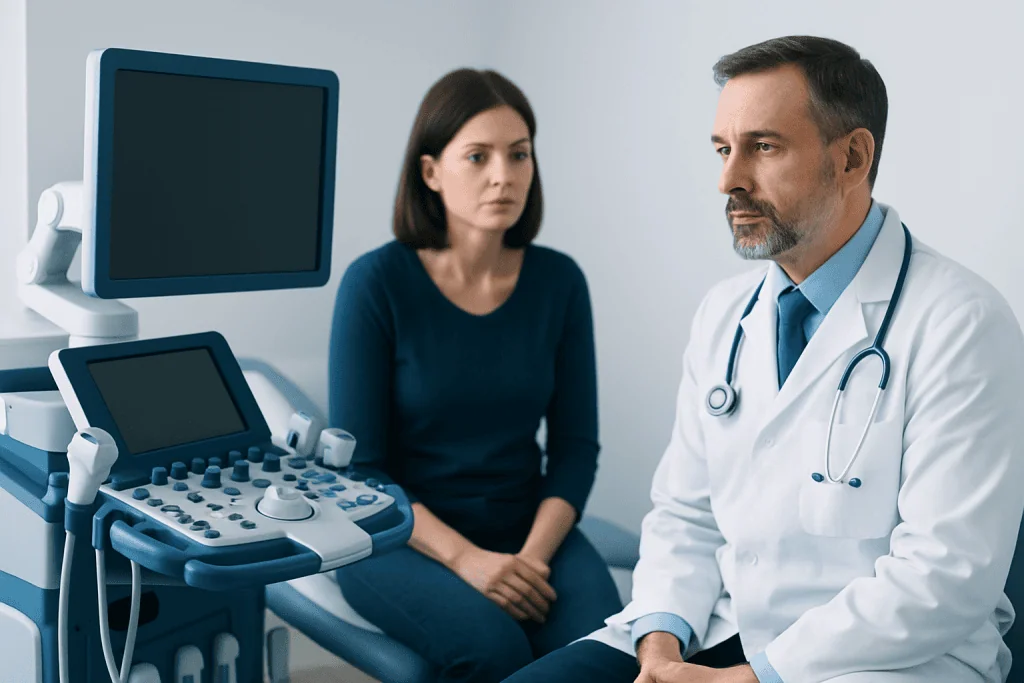
Possible cancer symptoms vary depending on the organ involved, and there is no single sign that confirms cancer. However, certain changes are more concerning when they last for several weeks, keep returning, or cannot be explained by a temporary illness. A person does not need to panic, but they should arrange medical assessment if these changes continue.
Symptoms that often prompt further evaluation include:
- A new lump, swelling, or thickening in the breast, neck, testicle, armpit, or elsewhere
- Unexplained weight loss or loss of appetite
- Persistent fatigue that does not improve with rest
- Unusual bleeding, such as blood in the stool, urine, sputum, or bleeding after menopause
- A cough, hoarseness, or shortness of breath that does not go away
- Changes in bowel or bladder habits, including ongoing constipation, diarrhea, or urinary changes
- A sore that does not heal, or a skin mole that changes in color, size, shape, or texture
- Persistent pain, especially if it is new, worsening, or unexplained
- Difficulty swallowing, ongoing indigestion, or a sense of food getting stuck
Some symptoms are more specific to certain cancer types. For example, a breast lump may lead to assessment for breast cancer, while long-lasting rectal bleeding or changes in bowel habits may lead to evaluation for colon cancer. Still, symptoms alone cannot identify the cause. A careful medical review is the safest way to understand what is happening.
When to See an Oncologist

A person may need to see an oncologist when a doctor suspects cancer based on symptoms, examination findings, imaging, or laboratory results. This does not always happen at the first appointment. Often, an initial doctor first checks for common explanations and then refers to oncology if something remains unexplained or appears suspicious.
Situations that commonly lead to oncology referral include a mass seen on ultrasound, mammogram, CT, or MRI; abnormal blood counts that suggest a blood cancer; a biopsy showing cancer or pre-cancerous changes; or ongoing symptoms such as unexplained bleeding or weight loss despite basic treatment. For example, abnormal mammography or breast imaging may lead to a specialist referral and, if needed, further assessment through breast cancer treatment pathways.
It may also be reasonable to ask about specialist evaluation if a symptom persists despite repeated treatment, if there is a strong family history of cancer, or if a person has had previous cancer and develops new concerning symptoms. Oncology teams can also help coordinate care with surgeons, radiologists, pathologists, and organ-specific specialists when diagnosis is uncertain.
Causes, Risk Factors, and Why Symptoms Appear
Cancer develops when cells begin to grow and divide in an uncontrolled way. This process can be influenced by age, inherited genetic changes, smoking, alcohol, obesity, certain infections, radiation exposure, long-term inflammation, and environmental factors. In many people, no single cause can be identified, which is why symptoms and test results are so important.
Symptoms may appear when a tumor grows into nearby tissues, causes bleeding, blocks an organ, affects hormones, or triggers inflammation. For example, a bowel tumor may cause changes in stool or bleeding, while a lung tumor may lead to cough or shortness of breath. Blood cancers may present differently, sometimes causing fatigue, bruising, recurrent infections, or swollen lymph nodes rather than a visible mass.
Risk factors can help doctors decide how urgently to investigate a symptom, but they do not make the diagnosis on their own. A person with few known risk factors can still develop cancer, while someone with many risk factors may never develop it. That is why persistent symptoms, abnormal screening results, and new physical findings should be assessed in context.
How an Oncologist Diagnoses the Cause
An oncologist begins with a detailed medical history and physical examination. They may ask when symptoms began, whether they are getting worse, whether there is pain or bleeding, what medications a person uses, and whether there is a personal or family history of cancer. This first step helps determine which tests are most useful and how quickly they are needed.
Diagnosis often includes blood tests, urine tests, and imaging such as ultrasound, mammography, CT, MRI, or PET scans. Imaging can show the size and location of an abnormal area, but it usually cannot confirm cancer by itself. In many cases, a biopsy is needed. During a biopsy, a small sample of tissue is taken and examined by a pathologist to identify whether cancer cells are present and, if so, what type they are.
Depending on the suspected organ, other tests may include endoscopy, colonoscopy, bronchoscopy, or bone marrow examination. If a colorectal problem is suspected, further work-up may become part of colon cancer treatment planning after diagnosis is confirmed. The goal of testing is not only to find out whether cancer is present, but also to determine its extent and guide the safest, most effective treatment plan.
Treatment Options if Cancer Is Confirmed
If cancer is diagnosed, treatment depends on the type of cancer, its stage, the person’s general health, and their preferences. Common treatments include surgery, chemotherapy, radiotherapy, targeted therapy, immunotherapy, hormone therapy, or a combination of these. Some people need only one treatment, while others benefit from a sequence of therapies planned by a multidisciplinary team.
For some cancers, surgery is the main first treatment. For others, medication or radiation may come first to shrink the tumor or treat disease that has spread. In selected situations, advanced options such as radiotherapy or chemotherapy are used as part of personalized cancer care. Supportive care is also important and may include pain management, nutrition support, psychological care, and rehabilitation.
Not every abnormal finding becomes a cancer diagnosis, and not every cancer requires the same urgency or approach. Some tumors grow slowly, while others need quicker treatment. An oncologist explains the stage of disease, the expected goals of treatment, possible side effects, and what follow-up will involve so the patient can make informed decisions.
Prevention, Screening, and Self-Care
No one can prevent every cancer, but healthy habits and appropriate screening can lower risk and improve the chance of finding some cancers early. General preventive steps include avoiding tobacco, limiting alcohol, staying physically active, maintaining a healthy weight, protecting the skin from excessive sun exposure, and following recommended vaccination advice such as HPV or hepatitis B where appropriate.
Screening is different from symptom-based testing. Screening looks for disease before symptoms appear and may include mammography, cervical screening, colon cancer screening, prostate evaluation in selected men, or lung cancer screening in high-risk individuals. Keeping up with recommended screening can sometimes detect changes before they cause noticeable symptoms.
Self-care also means paying attention to the body without becoming overly anxious. A person should note changes that are unusual for them, especially if they persist for more than a few weeks. It can help to write down when symptoms began, how often they happen, what makes them better or worse, and whether there are related signs such as fever, bleeding, or weight changes. This information can make the medical appointment more productive.
When to Seek Medical Advice Promptly
A medical appointment should be arranged promptly if a person notices a new lump, persistent unexplained pain, ongoing fatigue, abnormal bleeding, blood in the stool or urine, a cough that does not improve, difficulty swallowing, or unexplained weight loss. The same applies to skin lesions that change noticeably or a wound that does not heal. These symptoms do not necessarily mean cancer, but they should not be ignored.
Urgent care may be needed for heavy bleeding, severe shortness of breath, sudden neurological symptoms, severe dehydration, or intense pain. People who have already been treated for cancer should also report any new or unusual symptoms, as they may need follow-up testing. Timely communication with a healthcare professional can help avoid delays and reduce uncertainty.
For patients who need specialist assessment, multidisciplinary oncology teams can coordinate diagnosis, staging, and treatment planning. Acibadem International’s multidisciplinary specialists in JCI-accredited hospitals diagnose and treat cancer for international patients, with care organized around the individual’s condition and needs.
Frequently asked questions
Does having possible cancer symptoms mean a person has cancer?
No. Many symptoms associated with cancer are also caused by common non-cancerous conditions such as infections, benign growths, inflammation, or hormonal changes. The main reason to seek evaluation is to identify the real cause and decide whether further testing is needed.
Should a person see an oncologist first or a general doctor?
In many cases, the first visit is to a primary care doctor or another relevant specialist. That doctor can perform an initial assessment and arrange basic tests, then refer to an oncologist if findings are suspicious or remain unexplained.
How long should symptoms last before they are checked?
There is no single rule, but symptoms that last more than a few weeks, recur, or get worse should usually be assessed. Some signs, such as a new lump, unusual bleeding, or unexplained weight loss, should be checked sooner rather than later.
What tests might an oncologist order?
Testing may include blood work, urine tests, ultrasound, CT, MRI, mammography, endoscopy, or other imaging depending on the symptoms. If a suspicious area is found, a biopsy is often needed to confirm whether cancer is present.
Can screening find cancer before symptoms start?
Yes. Screening tests are designed to detect some cancers or pre-cancerous changes before a person notices symptoms. Examples include mammography, cervical screening, and colon cancer screening in people who meet age or risk-based recommendations.
What questions should a person ask at an oncology appointment?
Helpful questions include what the possible causes of the symptoms are, which tests are needed, when results will be available, and whether a biopsy is likely. If cancer is confirmed, it is also reasonable to ask about stage, treatment options, expected side effects, and follow-up.
References
- World Health Organization
- National Cancer Institute
- American Cancer Society
- National Health Service
- European Society for Medical Oncology
This article is for general information only and is not a substitute for professional medical advice. Please consult a qualified doctor about your individual situation.
Persistent digestive symptoms? Get evaluated in Turkey
JCI-accredited · board-certified surgeons · reply within 24h
Add us as a Preferred Source to see more of our trusted health content across Google Search, AI Overviews and Discover.

Medical Oncology Department
Medical treatment of cancer with chemotherapy, immunotherapy and targeted therapies under a multidisciplinary tumor board.
60 specialists in this unit