When Was Chemotherapy Invented: How It Works, Results and What to Expect

Modern cancer chemotherapy emerged in the 1940s, although the word chemotherapy was used earlier for medicines that treat disease. Chemotherapy works by damaging or stopping the division of rapidly growing cancer cells, but it can also affect some healthy cells.
Key Takeaways
- Modern cancer chemotherapy emerged in the 1940s, although the word chemotherapy was used earlier for medicines that treat disease.
- Chemotherapy works by damaging or stopping the division of rapidly growing cancer cells, but it can also affect some healthy cells.
- Treatment plans are individual and may be given before or after surgery, with radiation, or for advanced cancer control.
- Side effects vary by medicine, dose, treatment schedule, and personal health; supportive care can often help manage them.
- People receiving chemotherapy should contact their care team promptly for fever, severe symptoms, or signs of infection.
Modern chemotherapy for cancer began in the 1940s, after researchers found that nitrogen mustard drugs could shrink some lymphomas. Today, chemotherapy includes many medicines used alone or alongside surgery, radiation, targeted therapy, immunotherapy, and hormone therapy.
Overview: When Was Chemotherapy Invented?
Modern chemotherapy for cancer was invented in the 1940s. In 1942, physicians used nitrogen mustard, a chemical related to wartime mustard gas, to treat a person with lymphoma. The early results showed that a drug could temporarily shrink a cancer, helping establish the field of cancer chemotherapy.
The term “chemotherapy” had been used earlier. In the early 1900s, scientist Paul Ehrlich used it to describe treating disease with chemicals, particularly infections. Cancer chemotherapy developed later, through research into medicines that could interfere with cell growth. By the late 1940s and 1950s, drugs such as methotrexate helped achieve remissions in some childhood leukemias and other cancers.
Chemotherapy is now a broad term for anticancer medicines. It is not one single drug or one fixed experience. Some treatments are delivered into a vein, others are tablets or capsules, and some are given by injection or directly into a body cavity. The treatment team selects medicines according to the cancer type, stage, molecular features, prior treatments, and the person’s overall health.
How Chemotherapy Works
Cancer cells grow and divide in an uncontrolled way. Many chemotherapy medicines work by disrupting DNA, blocking essential cell functions, or preventing cells from dividing. Because cancer cells often divide more quickly than most normal cells, they may be more vulnerable to these medicines.
However, chemotherapy can also affect healthy rapidly dividing cells, including cells in the bone marrow, hair follicles, and the lining of the mouth and digestive tract. This explains why some people develop low blood counts, hair thinning or loss, mouth soreness, nausea, or bowel changes. Not every medicine causes the same effects, and many side effects can be prevented or reduced with supportive treatment.
Chemotherapy may be used with other cancer treatments. For example, it can be given before surgery to shrink a tumor, after surgery to lower the chance of cancer returning, together with radiation to make treatment more effective, or to slow the growth of cancer that has spread. It may also be combined with targeted medicines, hormone therapy, or immunotherapy when clinically appropriate.
For a broader explanation of cancer types and care pathways, patients may find cancer care information helpful. A medical oncologist can explain whether chemotherapy is expected to cure cancer, reduce recurrence risk, control growth, or relieve cancer-related symptoms.
Who May Be a Candidate for Chemotherapy?
Chemotherapy may be recommended for many solid tumors and blood cancers, but it is not necessary for every person with cancer. Some early-stage cancers can be treated successfully with surgery, radiation, hormone therapy, targeted therapy, active surveillance, or a combination of these approaches. In other situations, chemotherapy is an important part of treatment.
Before recommending treatment, the oncology team considers the exact diagnosis, cancer stage and grade, test results from the tumor, treatment goals, and whether cancer has spread. They also review age, daily functioning, nutrition, heart, liver and kidney function, current medicines, pregnancy status where relevant, and personal preferences.
Blood tests, imaging, and pathology reports help the team plan safely. Some people need a central venous access device, often called a port, if repeated intravenous treatment is expected. Others can receive treatment through a standard intravenous line or take oral medicines at home.
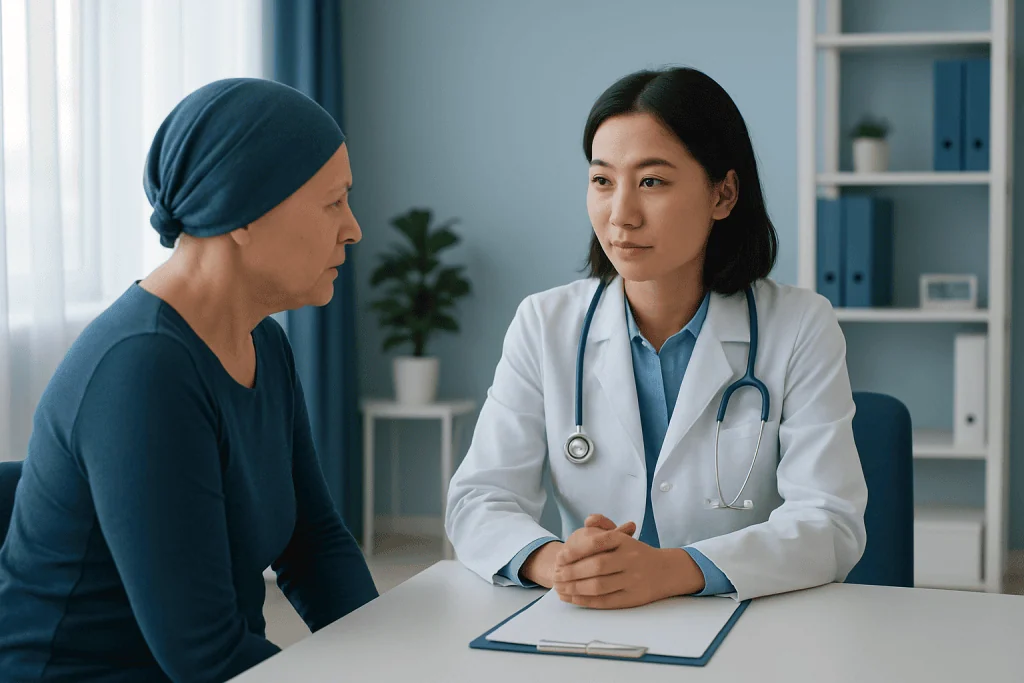
Shared decision-making is essential. Patients should understand the intended benefit, likely side effects, alternatives, timing, and how treatment may affect work, family responsibilities, fertility, and quality of life before deciding whether to proceed.
What Happens During Chemotherapy? Step by Step
1. Planning and baseline assessment: The oncology team confirms the diagnosis and treatment goal, reviews scans and laboratory tests, and discusses the proposed regimen. Depending on the medicines, heart tests, kidney or liver tests, fertility counseling, vaccination review, and dental assessment may be advised.
2. Preparing for each cycle: A cycle is one treatment period followed by time for the body to recover. Before each session, clinicians commonly check symptoms, weight, temperature, blood pressure, and blood counts. Treatment may be postponed or adjusted if blood counts are low or side effects need attention.
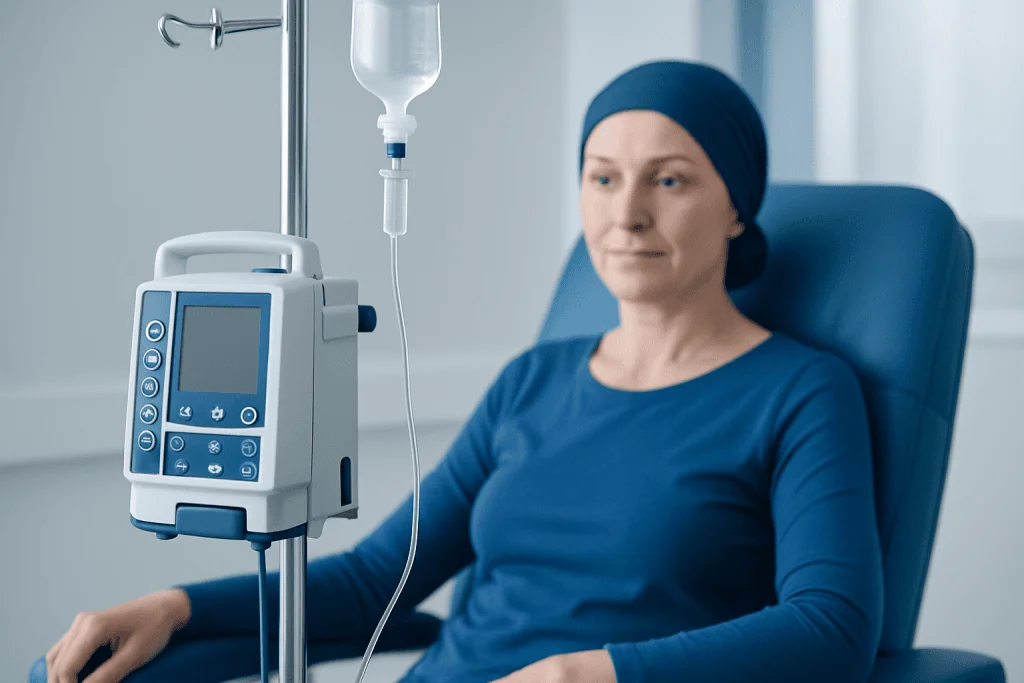
3. Receiving treatment: Intravenous chemotherapy is usually given in an outpatient infusion unit and may take minutes to several hours. Medicines to prevent nausea, allergic reactions, or other complications may be given first. Oral chemotherapy is taken on a prescribed schedule at home and requires careful adherence and safe storage.
4. Monitoring and follow-up: The care team monitors response using examinations, blood tests, imaging, and sometimes tumor markers. Supportive medicines, nutrition advice, and symptom management are adjusted throughout treatment. Chemotherapy treatment planning should always be individualized by an experienced oncology team.
Benefits, Risks and Recovery Timeline
The potential benefit of chemotherapy depends on the cancer and treatment setting. It may eliminate microscopic cancer cells after surgery, shrink a tumor before another treatment, induce remission in blood cancers, prolong disease control, or improve symptoms. The team should explain the likely purpose in clear terms, because the goals of chemotherapy differ from person to person.
Side effects may occur during treatment, shortly afterward, or occasionally months later. Common effects include tiredness, nausea, appetite changes, altered taste, mouth sores, hair loss or thinning, diarrhea or constipation, numbness or tingling in hands and feet, and low blood counts. Certain drugs can also affect organs such as the heart, kidneys, liver, lungs, nerves, or hearing; monitoring is chosen according to the specific regimen.
Recovery is not identical for everyone. Some symptoms, such as nausea or fatigue after an infusion, may improve within days. Blood counts often recover between cycles, while hair regrowth may begin in the months after treatment ends. Nerve symptoms, fertility effects, and some organ-related effects can last longer, so ongoing follow-up is important.
Supportive care is part of treatment, not an afterthought. Anti-nausea medicines, pain management, blood count monitoring, nutrition support, physical activity adapted to energy levels, and emotional support can improve comfort and help people continue with planned care.
What Organ Is Chemo Hard On?
Chemotherapy is not automatically “hardest” on one organ. The effects depend on the particular medicine, the total dose, other treatments, and a person’s existing health conditions. The bone marrow is commonly affected because it continually produces blood cells, which can lead to anemia, increased infection risk, or bruising and bleeding.
Some chemotherapy medicines can place additional strain on the kidneys or liver, which help process and remove medicines from the body. Others may affect the heart, lungs, bladder, nerves, or hearing. This does not mean these problems will occur; it is why oncology teams use pre-treatment assessments, blood tests, dose adjustments, and monitoring during care.
Patients should tell their team about kidney, liver, heart, lung, or nerve conditions before treatment begins. They should also mention all prescription medicines, over-the-counter medicines, vitamins, and herbal products, because some can change how chemotherapy is processed or increase side effects.
What Is Forbidden During Chemo?
There is no universal list of forbidden foods or activities during chemotherapy. Recommendations depend on the person’s blood counts, treatment regimen, cancer type, and symptoms. The oncology team may advise avoiding raw or undercooked meat, seafood, and eggs, unpasteurized products, and foods prepared under poor hygiene conditions when infection risk is higher.
Patients should not start vitamins, herbal remedies, antioxidant supplements, or complementary products without asking their oncology team. Some products can interfere with treatment, affect bleeding risk, or cause liver and kidney problems. Alcohol may also be discouraged with certain medicines or when liver function is affected.
It is important to avoid tobacco and secondhand smoke. Patients should ask before receiving vaccines, especially live vaccines, and should avoid close contact with people who are acutely ill when their immune defenses are low. Gentle activity is often safe and helpful, but strenuous exercise may need to be adjusted during periods of fatigue, dizziness, fever, or low blood counts.
Safe self-care includes drinking fluids if permitted, eating regular nourishing meals as tolerated, washing hands often, caring for the mouth gently, and reporting symptoms early. The care team can give practical advice tailored to treatment days and periods when infection risk may be greatest.
How Did They Cure Cancer Before Chemotherapy? When Did Cancer Start Getting Bad? When to Seek Medical Care
How did they cure cancer before chemotherapy? Before chemotherapy, cancer treatment relied mainly on surgery and radiation therapy. Surgery could cure some cancers that were detected early and could be completely removed, while radiation became an important treatment after its development in the early twentieth century. These approaches remain central to cancer care today and are often combined with systemic treatments when needed.
When did cancer start getting bad? Cancer is not a new disease; evidence of tumors has been found in ancient human remains and historical medical records. Cancer became more visible as people began living longer and as diagnostic methods improved. In many countries, tobacco use, certain workplace exposures, infections, diet, and other factors have also influenced cancer patterns over time. Importantly, survival has improved for many cancers because of prevention, screening, earlier diagnosis, better surgery and radiation, and newer medicines.
When to seek medical care: During chemotherapy, patients should contact their oncology team urgently for a fever or chills, new shortness of breath, chest pain, confusion, uncontrolled vomiting or diarrhea, unusual bleeding, severe pain, rapidly worsening weakness, or signs of an allergic reaction. A fever during chemotherapy may signal infection and should not be managed by waiting at home; the team will provide a specific temperature threshold and emergency contact plan.
Acibadem International’s multidisciplinary specialists and JCI-accredited hospitals provide diagnosis and treatment planning for international patients with cancer. People considering chemotherapy should seek individualized advice from a qualified oncology team and attend all scheduled follow-up appointments.
Frequently asked questions
When was chemotherapy invented?
Modern chemotherapy for cancer began in the 1940s. In 1942, nitrogen mustard was used to treat lymphoma, demonstrating that a medicine could shrink some cancers. The term chemotherapy itself was used earlier to describe chemical treatments for disease.
Was chemotherapy the first medicine to treat cancer?
Chemotherapy was not the first treatment used for cancer. Surgery was used long before modern chemotherapy, and radiation therapy became established in the early twentieth century. Chemotherapy added a way to treat cancer throughout the body rather than only at a tumor site.
Does chemotherapy always cause hair loss?
No. Hair loss depends on the specific medicines, doses, and schedule used. Some regimens cause complete hair loss, some cause thinning, and others do not usually affect hair. The oncology team can explain what is expected with an individual treatment plan.
Can chemotherapy cure cancer?
For some cancers, chemotherapy can contribute to cure, either alone or combined with surgery, radiation, or other treatments. In other situations, its purpose is to control cancer growth, reduce symptoms, or prolong remission. The expected goal should be discussed before treatment starts.
How long does it take to recover after chemotherapy?
Short-term effects may improve days or weeks after a treatment cycle, while recovery after the full course can take weeks to months. Blood counts, energy, appetite, and hair growth recover at different rates. Some effects, such as nerve symptoms, may take longer and need continued follow-up.
Can a person work during chemotherapy?
Some people can work during chemotherapy, often with adjustments to their schedule or duties. Others need time away because of fatigue, side effects, infection risk, or the demands of appointments. The decision depends on the treatment plan, type of work, symptoms, and personal circumstances.
References
- National Cancer Institute
- American Cancer Society
- World Health Organization
- European Society for Medical Oncology
- Cancer Research UK
This article is for general information only and is not a substitute for professional medical advice. Please consult a qualified doctor about your individual situation.
Chemotherapy in Turkey — costs, top hospitals & a free quote
JCI-accredited · board-certified surgeons · reply within 24h
Add us as a Preferred Source to see more of our trusted health content across Google Search, AI Overviews and Discover.
Check your numbers in seconds
BMI, calories, due date, blood pressure and 30+ more clinical calculators — free, instant, doctor-reviewed ranges.

Medical Oncology Department
Medical treatment of cancer with chemotherapy, immunotherapy and targeted therapies under a multidisciplinary tumor board.
60 specialists in this unit