Whiskey Penis: What Patients Need to Know

Whiskey dick usually refers to short-term erection problems caused by alcohol. Alcohol can affect arousal, blood flow, nerve signaling, and ejaculation.
Key Takeaways
- Whiskey dick usually refers to short-term erection problems caused by alcohol.
- Alcohol can affect arousal, blood flow, nerve signaling, and ejaculation.
- Occasional symptoms after heavy drinking are common, but frequent problems should be evaluated.
- Long-term heavy alcohol use can contribute to ongoing sexual dysfunction and other health problems.
- Reducing alcohol intake, managing stress, and addressing underlying conditions can improve sexual health.
Whiskey dick is a common, nonmedical term for temporary difficulty getting or keeping an erection after drinking alcohol. In many cases it improves once alcohol wears off, but repeated episodes can signal a broader issue that deserves medical attention.
Overview: What whiskey dick means
Whiskey dick is an informal term for trouble getting or keeping an erection after drinking alcohol. It can also describe delayed orgasm, reduced sensitivity, or feeling mentally interested in sex but physically unable to respond. Although the name mentions whiskey, the issue is not limited to one type of alcohol.
In many people, this effect is temporary. As alcohol leaves the body and hydration, sleep, and energy levels recover, sexual function often returns to normal. A single episode after a night of heavy drinking is usually different from ongoing erectile problems that happen when alcohol is not involved.
Still, repeated episodes should not be dismissed. Alcohol may be the immediate trigger, but recurring erectile difficulty can also be linked to stress, anxiety, relationship strain, medication side effects, hormone changes, circulation problems, or conditions such as erectile dysfunction. Looking at the full picture is often the most helpful approach.
How alcohol affects erections and sexual performance
An erection depends on several systems working together. The brain needs to register sexual stimulation, nerves must send signals effectively, blood vessels must widen to increase blood flow to the penis, and hormones and emotional state also play a role. Alcohol can interfere with each step.
In the short term, alcohol acts as a depressant on the nervous system. This can slow communication between the brain and body, reduce sensitivity, and make it harder to maintain coordination and focus. Some people feel more relaxed after drinking, but relaxation is not the same as healthy sexual arousal. Alcohol may lower inhibitions while reducing the body’s physical ability to respond.
Alcohol also affects circulation. It can cause blood vessels to widen in some parts of the body, but it may disrupt the fine balance of blood flow needed to achieve and sustain an erection. At higher amounts, alcohol can make erections weaker or shorter-lasting. It may also delay orgasm or reduce semen volume temporarily.
Over time, frequent heavy drinking can have longer-term effects on hormone balance, liver health, blood pressure, sleep quality, and nerve function. These changes can increase the risk of persistent sexual problems rather than occasional alcohol-related episodes.
Symptoms and related sexual effects
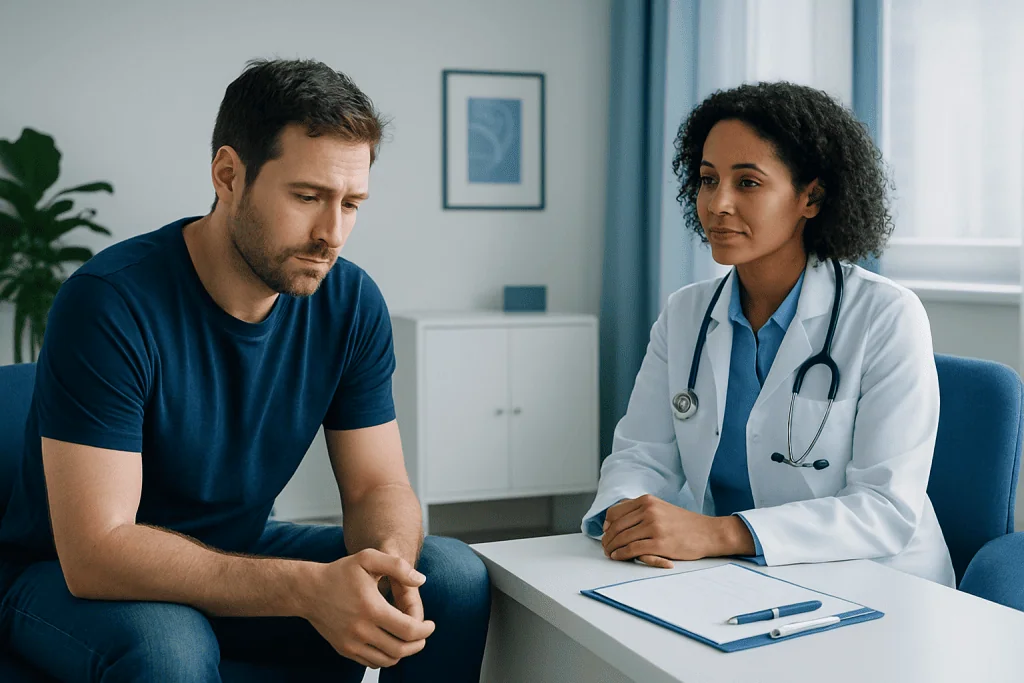
The most recognized symptom of whiskey dick is temporary erectile difficulty after drinking. A person may find it hard to get an erection, lose the erection before or during sex, or feel that the erection is less firm than usual. These changes can happen even when sexual desire is still present.
Alcohol-related sexual effects are not limited to erections. Some people notice delayed ejaculation, reduced orgasm intensity, lower genital sensitivity, or less interest in sex the next day because of fatigue, dehydration, or headache. Others experience emotional effects, such as embarrassment or performance anxiety after one difficult experience.
Symptoms can vary based on how much alcohol was consumed, how quickly it was consumed, whether food was eaten, body size, medications, sleep, and general health. If erection problems also happen during sober sexual activity, masturbation, or on waking in the morning, that may suggest a broader issue rather than a one-time alcohol effect.
- Difficulty getting an erection after drinking
- Trouble keeping an erection long enough for sex
- Delayed orgasm or ejaculation
- Reduced sexual sensation or arousal
- Anxiety about sexual performance after drinking
Causes and risk factors beyond alcohol alone
The most direct cause of whiskey dick is alcohol’s short-term effect on the brain, nerves, and blood vessels. The chance of symptoms generally rises with larger amounts of alcohol and faster drinking. Binge drinking is a common setting for this problem.
However, alcohol is not always the whole explanation. Erection quality is influenced by cardiovascular health, diabetes, smoking, obesity, poor sleep, depression, anxiety, and relationship concerns. Medicines for blood pressure, mood disorders, allergies, or other conditions can also contribute. In some people, the stress of worrying about performance becomes a second trigger that continues the problem even after alcohol is no longer present.
Age can matter, but whiskey dick is not limited to older adults. Younger people may experience it during occasional heavy drinking, while older adults may be more likely to have underlying contributors such as vascular disease or hormonal changes. If symptoms persist, doctors may assess for related issues such as prostate conditions or other urologic concerns when the history suggests it.
It is also important to consider safety. Alcohol can impair judgment, communication, and consent. If either partner is intoxicated, the situation may not be safe or appropriate for sexual activity. Sexual health includes physical function, but it also includes clear decision-making and respectful boundaries.
How doctors evaluate recurring erection problems
If erection problems happen repeatedly, a medical evaluation can help identify whether alcohol is the main cause or only one part of the problem. A clinician will usually ask about when the symptoms occur, how often they happen, alcohol use patterns, morning erections, relationship factors, stress, sleep, and any medications or medical conditions.
A physical exam may be recommended, along with blood pressure measurement and, in some cases, blood tests. Depending on the situation, testing may look at blood sugar, cholesterol, hormone levels such as testosterone, liver function, or other markers of general health. This kind of assessment helps distinguish temporary alcohol-related effects from ongoing erectile dysfunction or another medical issue.
When symptoms are frequent or complex, referral to a specialist may be useful. A urologist may assess blood flow and sexual function in more detail, and other specialists may be involved if there are signs of hormonal, neurological, cardiovascular, or mental health contributors. In some cases, doctors may also discuss urology evaluation and care as part of a broader plan.
Treatment options and practical next steps
The right treatment depends on the cause. If the problem clearly happens only after drinking, the main step is reducing alcohol intake, slowing the pace of drinking, avoiding binge episodes, and staying hydrated. Eating before or while drinking may also lessen the intensity of alcohol’s effects for some people, though it does not eliminate the risk.
If anxiety is part of the pattern, honest communication with a partner can be helpful. Removing pressure to perform, allowing more time for arousal, and focusing on intimacy rather than a specific outcome may reduce the cycle of worry and repeated symptoms. If stress, depression, or alcohol misuse is present, counseling or behavioral support may be an important part of treatment.
When erectile problems continue even without alcohol, doctors may discuss evidence-based treatments. These may include lifestyle changes, reviewing medications, managing chronic conditions, or prescription therapies when appropriate. Some patients benefit from specialized andrology assessment or from coordinated care through men's health services if symptoms involve sexual function, hormones, fertility, or urinary concerns.
Acibadem International’s multidisciplinary specialists and JCI-accredited hospitals evaluate and treat sexual health concerns for international patients when further assessment is needed.
Prevention and self-care
Prevention focuses on reducing the factors that interfere with healthy sexual function. For many people, that means moderating alcohol intake and paying attention to how the body responds. If a certain amount of alcohol reliably leads to erection problems, it is reasonable to treat that as personal information and adjust future drinking habits.
General health habits matter because erections are closely linked to blood vessel health, nerve function, sleep, and mood. Regular physical activity, not smoking, managing weight, getting enough sleep, and controlling conditions such as diabetes or high blood pressure can all support sexual function over time.
Self-care also includes mental and relationship health. Stress, conflict, and performance pressure can amplify a temporary alcohol-related problem. Open communication, realistic expectations, and seeking support early can prevent a short-term issue from becoming a repeated source of anxiety.
- Limit heavy or rapid alcohol consumption
- Stay hydrated and avoid drinking on an empty stomach
- Prioritize sleep, exercise, and chronic disease control
- Review medications with a clinician if symptoms recur
- Seek help for stress, anxiety, or alcohol misuse when needed
When to seek medical care
Medical care is a good idea if erection problems happen often, continue when sober, or begin to affect confidence, relationships, or quality of life. A doctor should also be consulted if symptoms are linked to low sexual desire, pain, urinary symptoms, infertility concerns, or signs of a broader health issue such as fatigue, weight change, numbness, or chest symptoms.
Urgent care is needed for severe symptoms such as chest pain, fainting, confusion, signs of alcohol poisoning, or an erection that lasts too long and does not go away. These situations are different from ordinary whiskey dick and should not be managed at home.
In general, one isolated episode after heavy drinking is often temporary. Repeated episodes deserve a thoughtful medical review, both to improve sexual health and to identify any underlying condition early.
Frequently asked questions
Is whiskey dick permanent?
Usually not. Whiskey dick most often refers to temporary erection problems caused by alcohol, and function often returns to normal after the alcohol leaves the body. If the problem keeps happening, especially when sober, a medical evaluation is appropriate.
How much alcohol can cause whiskey dick?
There is no single amount that affects everyone the same way. Body size, drinking speed, food intake, medications, sleep, and overall health all influence the effect. In general, the risk rises with heavier or faster drinking.
Can whiskey dick happen even if sexual desire is normal?
Yes. Alcohol may reduce physical sexual performance even when desire or attraction is still present. A person may feel mentally interested in sex but have difficulty getting or maintaining an erection.
Does whiskey dick mean someone has erectile dysfunction?
Not necessarily. A one-time or occasional episode after heavy drinking does not automatically mean chronic erectile dysfunction. However, frequent episodes or erection problems during sober sexual activity should be checked by a doctor.
What helps whiskey dick in the moment?
The safest approach is usually to stop drinking more alcohol, rest, hydrate, and remove pressure around sexual performance. Trying to force the situation often increases anxiety and frustration. If someone is heavily intoxicated, safety and consent should come first.
Can stopping or reducing alcohol improve sexual function?
Yes, for many people it can. Cutting back on alcohol may improve erections, arousal, sleep, energy, and overall health, especially if drinking has been frequent or heavy. If symptoms persist despite reducing alcohol, further evaluation can help find other causes.
References
- National Institute on Alcohol Abuse and Alcoholism
- National Institute of Diabetes and Digestive and Kidney Diseases
- American Urological Association
- Cleveland Clinic
- Mayo Clinic
This article is for general information only and is not a substitute for professional medical advice. Please consult a qualified doctor about your individual situation.
Explore treatments in Turkey — costs, top hospitals & a free quote
JCI-accredited · board-certified surgeons · reply within 24h
Add us as a Preferred Source to see more of our trusted health content across Google Search, AI Overviews and Discover.
Check your numbers in seconds
BMI, calories, due date, blood pressure and 30+ more clinical calculators — free, instant, doctor-reviewed ranges.