White Head and: An Evidence-Based Guide for Patients

Whiteheads are small, closed bumps caused by blocked pores. They differ from blackheads because the pore opening stays closed.
Key Takeaways
- Whiteheads are small, closed bumps caused by blocked pores.
- They differ from blackheads because the pore opening stays closed.
- Gentle cleansing and non-comedogenic products can help reduce new breakouts.
- Persistent, widespread, or inflamed acne may need assessment by a dermatologist.
- Picking or squeezing whiteheads can increase irritation, scarring, and dark marks.
White head and acne concerns usually refer to whiteheads, also called closed comedones, which form when oil, dead skin cells, and debris become trapped inside a pore. They are common, treatable, and often improve with consistent skin care and, when needed, medical treatment.
Overview: what whiteheads are and why they happen
White head and acne questions are very common because many people notice small pale or skin-colored bumps and are unsure whether they are pimples, rash, or irritation. In most cases, a whitehead is a mild form of acne called a closed comedone. It develops when a hair follicle, often called a pore, becomes blocked by sebum (skin oil), dead skin cells, and sometimes skin-care residue.
Unlike a blackhead, a whitehead stays covered by a thin layer of skin. Because the pore opening is closed, the material inside is not exposed to air and does not darken. Whiteheads can appear on the face, forehead, chin, chest, shoulders, and back, especially in areas where oil glands are more active.
Whiteheads are not a sign of poor hygiene. They are linked to normal skin biology, hormones, genetics, and products or habits that can encourage clogged pores. For many people, whiteheads are part of the acne spectrum and may occur alongside blackheads, inflamed pimples, or acne.
Common signs and how to recognize whiteheads
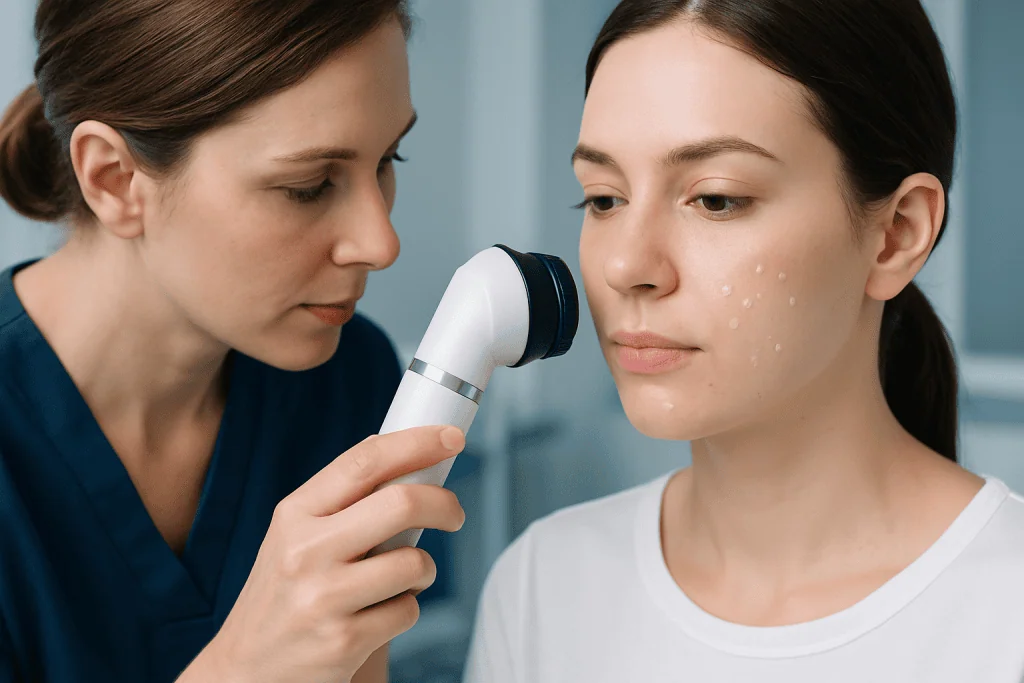
Whiteheads usually look like tiny round bumps under the skin or just above its surface. They are often white, off-white, or flesh-colored rather than bright red. Many are painless, though some may become tender if the surrounding skin becomes inflamed.
People often notice whiteheads clustered on the forehead, nose, chin, and jawline. They may also appear on the upper back, chest, and shoulders. The skin can feel rough or uneven, especially in areas with repeated clogging.
Whiteheads can be confused with other conditions. Small bumps may also be milia, folliculitis, perioral dermatitis, or irritation from cosmetics. A doctor may be helpful when the diagnosis is uncertain, especially if bumps are persistent, itchy, or not responding to standard acne care.
- Whiteheads: closed, small, pale bumps
- Blackheads: open clogged pores with a dark surface
- Inflammatory acne: red papules, pustules, or deeper nodules
- Milia: firm, tiny cyst-like bumps usually not related to acne
Causes and risk factors

Whiteheads form when the lining of the pore sheds dead skin cells that mix with sebum and become trapped. This process is influenced by several factors. Hormonal changes are especially important, which is why acne often increases during puberty, around menstrual cycles, during pregnancy, or with some endocrine conditions.
Genetics also matter. Some people naturally produce more oil or have pores that clog more easily. Stress does not directly cause whiteheads, but it may worsen acne in some individuals by affecting hormones and daily habits such as sleep, skin picking, or product use.
External triggers can contribute as well. Heavy or oily cosmetics, occlusive sunscreens, tight sports equipment, friction from masks or helmets, and certain hair products may block pores. Some medications can also worsen acne. Diet is more complex: for some people, high-glycemic foods or certain dairy products may be associated with breakouts, but triggers are individual and not the same for everyone.
Whiteheads are not contagious. They do not spread from one person to another through touch, shared towels, or normal contact. However, harsh scrubbing, frequent touching, and squeezing can irritate the skin and make acne more noticeable.
How whiteheads are diagnosed
Diagnosis is usually clinical, meaning a doctor can identify whiteheads by examining the skin. The doctor may ask when the bumps started, where they occur, what skin products are used, whether they flare with menstruation or shaving, and whether there are symptoms such as pain, itching, or scarring.
In most cases, no blood test or scan is needed for simple whiteheads. If acne is severe, sudden, or associated with other symptoms such as irregular periods, excess facial hair, or signs of hormonal imbalance, a doctor may evaluate for underlying contributors. When bumps do not look typical for acne, a dermatologist may consider other diagnoses.
Assessment is also useful because treatment depends on the type of lesions present. Whiteheads may be only one part of the picture, mixed with blackheads, inflamed acne, or marks left behind after healing. This helps guide whether home care, prescription creams, or procedural options are most appropriate.
Treatment options for whiteheads
Treatment aims to keep pores from becoming blocked and to reduce new lesions over time. Improvement is usually gradual rather than immediate, often taking several weeks of consistent care. A gentle routine is important because over-treating the skin can lead to dryness, burning, and more irritation.
Over-the-counter products may help mild whiteheads. Common ingredients include salicylic acid to exfoliate inside pores and adapalene to normalize skin cell turnover. Benzoyl peroxide may be useful when inflammatory acne is also present, although it is often more helpful for red pimples than for whiteheads alone. Moisturizer and sunscreen should be labeled non-comedogenic, meaning less likely to clog pores.
For persistent or widespread acne, prescription treatment may be recommended. These may include topical retinoids, combination acne medications, hormonal treatment for selected patients, or other doctor-guided therapies. In some cases, clinicians may perform chemical peel treatment or comedone extraction as part of a broader acne plan, depending on the skin type and pattern of lesions.
When whiteheads are frequent, recurrent, or affecting self-confidence, a dermatology review can be worthwhile. Treatment plans are often tailored to age, skin sensitivity, pregnancy status, and whether there is also post-acne discoloration or acne scarring. In more advanced cases, doctors may discuss options used in acne treatment programs to control both comedonal and inflammatory breakouts.
Skin care and self-care habits that help
Daily habits can make a meaningful difference. Washing the face twice a day and after heavy sweating with a mild cleanser is usually enough. Frequent washing, aggressive exfoliation, and alcohol-based toners can damage the skin barrier and may worsen sensitivity without preventing whiteheads.
Choosing non-comedogenic makeup, sunscreen, and moisturizers may reduce pore blockage. People who use styling products or oils on the hair may benefit from keeping them away from the forehead and temple area. It can also help to remove makeup before sleep and to clean items that touch the skin regularly, such as phone screens, makeup brushes, and sports headgear.
Squeezing whiteheads is best avoided. Although it can be tempting, picking may push material deeper into the skin, increase inflammation, and leave dark spots or scars. For people with repeated touching or picking, identifying triggers such as stress or mirror-checking habits can be useful.
- Use a gentle cleanser rather than a scrub
- Apply acne treatment as directed and give it time to work
- Moisturize to reduce dryness from treatment products
- Choose fragrance-light, non-comedogenic skin products
- Avoid sharing makeup and replace old products regularly
Prevention and long-term management
Because whiteheads form from an ongoing tendency of pores to clog, prevention usually depends on steady habits rather than one-time treatment. Many people improve most when they continue a simple maintenance routine even after the skin looks clearer. This may include a gentle cleanser, a non-comedogenic moisturizer, sunscreen, and a doctor-recommended preventive treatment.
Breakouts often come and go. Hormonal shifts, sweating, travel, stress, or new cosmetics may trigger periods of worsening. Keeping a simple skin diary can help identify patterns. It is often better to introduce one new product at a time so that reactions and benefits are easier to recognize.
Dietary changes should be realistic and individualized. There is no single acne diet that works for everyone. If a person notices repeated worsening after certain foods, discussing this with a clinician or dietitian may help, especially to avoid unnecessary restriction.
For people seeking specialist assessment, Acibadem International’s multidisciplinary specialists in JCI-accredited hospitals diagnose and treat acne-related skin concerns for international patients. When appropriate, clinicians may also advise supportive skin-renewal options such as laser skin resurfacing for selected post-acne skin texture concerns rather than active whiteheads themselves.
When to seek medical care
Medical care is appropriate if whiteheads are persistent, spreading, or not improving after several weeks of consistent over-the-counter care. A doctor should also assess acne that is painful, leaving scars, causing significant dark marks, or affecting emotional well-being and confidence.
Prompt review is especially important when bumps are deep, very inflamed, or appear suddenly with other symptoms such as menstrual irregularity, unusual hair growth, or signs of skin infection. A clinician can confirm whether the bumps are truly whiteheads or another condition that needs different treatment.
Children with acne before typical puberty, adults with new severe acne, pregnant patients, and anyone with very sensitive skin may benefit from professional advice before starting stronger treatments. Early treatment can help reduce prolonged breakouts and lower the risk of lasting marks.
Frequently asked questions
What does white head and acne usually mean?
It usually refers to whiteheads, a common type of acne lesion also called a closed comedone. These form when oil and dead skin cells block a pore and the opening remains closed.
Are whiteheads the same as blackheads?
No. Both are clogged pores, but blackheads are open at the surface, so the material inside is exposed to air and looks dark. Whiteheads stay closed, so they appear white or flesh-colored.
Should whiteheads be squeezed?
In general, no. Squeezing can irritate the skin, push debris deeper, and increase the chance of infection, scarring, or dark marks. Gentle treatment over time is usually safer and more effective.
How long does it take for whiteheads to improve?
Improvement is often gradual and may take several weeks. Many acne treatments need consistent use before changes become noticeable, so patience and regular application are important.
Can makeup or sunscreen cause whiteheads?
Some products can contribute if they are heavy or pore-clogging. Choosing non-comedogenic products and removing makeup properly at the end of the day can help reduce this risk.
When should someone see a dermatologist for whiteheads?
A dermatologist can help if whiteheads are persistent, widespread, painful, or leaving marks or scars. Medical advice is also useful when the diagnosis is unclear or over-the-counter products are not helping.
References
- American Academy of Dermatology
- National Institute of Arthritis and Musculoskeletal and Skin Diseases
- Mayo Clinic
- National Health Service
- MedlinePlus
This article is for general information only and is not a substitute for professional medical advice. Please consult a qualified doctor about your individual situation.
Hair transplant in Turkey — costs, graft counts & a free assessment
JCI-accredited · board-certified surgeons · reply within 24h
Add us as a Preferred Source to see more of our trusted health content across Google Search, AI Overviews and Discover.