White Matter Disease: What Brain Small Vessel Changes Can Mean

White matter disease usually describes MRI changes caused by chronic injury to the brain’s small blood vessels. It becomes more common with age and is strongly linked to high blood pressure, diabetes, smoking, and high cholesterol.
Key Takeaways
- White matter disease usually describes MRI changes caused by chronic injury to the brain’s small blood vessels.
- It becomes more common with age and is strongly linked to high blood pressure, diabetes, smoking, and high cholesterol.
- Some people have no symptoms, while others may notice slower thinking, balance problems, mood changes, or urinary urgency.
- Treatment focuses on reducing vascular risk factors and preventing stroke rather than reversing existing white matter damage.
- A doctor should review white matter changes in the context of symptoms, MRI findings, and overall health.
White matter disease refers to changes in the brain’s white matter, most often linked to aging and small blood vessel damage. It is commonly found on MRI and can range from an incidental finding to a clue that a person may need closer attention to memory, walking, mood, and vascular health.
Overview
White matter disease is a term used to describe changes in the brain’s white matter, the network of nerve fibers that connects different brain regions. These fibers help messages travel efficiently, supporting memory, attention, movement, and other everyday functions. On brain imaging, especially MRI, white matter disease often appears as bright spots or patches and may also be called white matter changes, leukoaraiosis, or part of cerebral small vessel disease.
In many cases, these changes are related to long-term injury in the brain’s tiny blood vessels. When blood flow is reduced over time, white matter may not receive the oxygen and nutrients it needs. This process is often gradual rather than sudden, and it becomes more common with aging. For some people, the finding is mild and causes no clear symptoms. For others, it can be associated with problems such as slower thinking, gait instability, or a higher risk of stroke.
White matter disease is not a single illness with one cause. Instead, it is an imaging and clinical pattern that doctors interpret alongside age, symptoms, blood pressure, vascular risk factors, and other MRI findings. Understanding what it means for one person requires a careful medical review rather than looking at the scan result alone.
Symptoms and Possible Effects
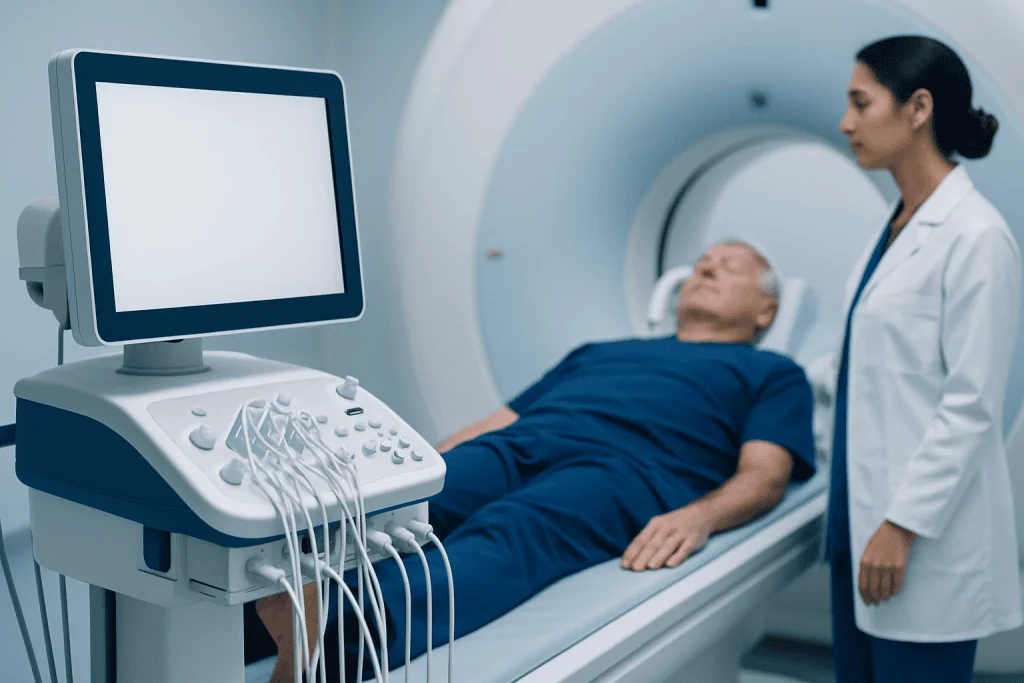
Some people with white matter disease feel completely well and learn about it only after an MRI done for headaches, dizziness, or another reason. In other people, white matter changes may contribute to subtle but meaningful symptoms. These often develop slowly, which can make them easy to overlook at first.
Possible symptoms can include reduced attention, slower processing speed, mild memory difficulty, trouble planning tasks, or feeling mentally less sharp than before. Physical effects may include balance problems, slower walking, falls, leg weakness, or feeling unsteady, especially when turning or walking on uneven ground. Mood changes, including apathy or depression, can also occur in some patients.
White matter disease may sometimes affect bladder control, leading to urinary urgency or frequency. When the changes are extensive, they can contribute to vascular cognitive impairment and may overlap with other brain conditions such as stroke or neurodegenerative disease. Symptoms do not always match the MRI severity exactly, so both imaging and clinical assessment matter.
- Mild memory or concentration problems
- Slower walking or poor balance
- Frequent falls
- Mood or motivation changes
- Urinary urgency
- Symptoms of stroke, if small vessel disease is active or advanced
Causes and Risk Factors

The most common cause of white matter disease is chronic damage to the brain’s small blood vessels. Over time, these vessels can become narrowed, stiff, or less effective at regulating blood flow. This reduces support to delicate brain tissue and may lead to tiny areas of injury that accumulate gradually. High blood pressure is one of the strongest contributors because it puts long-term strain on small vessel walls.
Other important risk factors include diabetes, high cholesterol, smoking, obesity, sleep apnea, and a sedentary lifestyle. Older age increases the likelihood of white matter changes, but age alone does not explain everything. People with poorly controlled vascular risks tend to have more extensive changes and a higher chance of related symptoms.
Not all white matter changes come from small vessel disease. Depending on the MRI pattern and the person’s history, doctors may also consider migraine, inflammatory conditions such as multiple sclerosis, past infections, autoimmune disease, certain inherited disorders, or prior radiation or toxin exposure. This is why the MRI report should always be interpreted in clinical context rather than self-diagnosed.
How White Matter Disease Is Diagnosed
White matter disease is most often identified on MRI of the brain. MRI is more sensitive than CT for showing these changes and can help estimate their location and extent. Radiologists may describe white matter hyperintensities, periventricular changes, deep white matter lesions, or findings consistent with chronic small vessel ischemic change. The wording can sound technical, but it usually points to the same general process.
Diagnosis does not rely on imaging alone. A neurologist or other qualified doctor will ask about memory, balance, falls, mood, urinary symptoms, headaches, and any past episodes suggestive of transient ischemic attack or stroke. A physical and neurological examination helps identify whether the MRI findings may be clinically relevant. In some cases, further evaluation may include blood pressure review, blood tests, cognitive screening, or assessment for heart and blood vessel risk factors.
If symptoms are sudden, severe, or unusual for routine white matter disease, doctors may look more closely for other causes. This may involve MRI imaging review, vascular assessment, or tests to rule out inflammatory, infectious, or demyelinating conditions. The goal is to distinguish common age- and vessel-related changes from conditions that need different treatment.
Treatment Options and Management
There is no single medicine that can erase established white matter disease. Treatment focuses on addressing the underlying causes, slowing progression, and reducing the risk of complications such as stroke and cognitive decline. The most important step for many patients is careful control of blood pressure. Managing diabetes, cholesterol, smoking, sleep apnea, and other cardiovascular risks is also central.
Doctors may recommend lifestyle changes such as regular physical activity, a heart-healthy eating pattern, better sleep habits, and smoking cessation. Medications may be used to treat high blood pressure, high cholesterol, diabetes, or other conditions linked to small vessel disease. Antiplatelet therapy is not appropriate for everyone and should only be used when a doctor advises it based on a person’s stroke or vascular history.
When white matter disease is affecting walking, balance, or daily function, supportive care can make a real difference. This may include physical therapy and rehabilitation for gait and fall prevention, as well as cognitive evaluation if memory or planning problems are present. If a person has symptoms or imaging suggesting a more complex vascular condition, they may benefit from assessment in services experienced in neurology care or stroke evaluation and follow-up.
Prevention and Self-Care
Because white matter disease is closely tied to vascular health, prevention overlaps with brain-healthy and heart-healthy habits. Good blood pressure control is especially important, ideally through regular checkups, prescribed treatment, and home monitoring when recommended. Quitting smoking, staying physically active, maintaining a healthy weight, and controlling diabetes and cholesterol can all help reduce further small vessel injury.
Daily habits matter over time. Regular exercise supports blood flow, balance, mood, and cognition. A balanced eating pattern rich in vegetables, fruits, whole grains, legumes, fish, and healthy fats may support cardiovascular health. Limiting excess salt, ultra-processed foods, and heavy alcohol use may also be helpful. Sleep quality should not be ignored, particularly if there are signs of sleep apnea such as loud snoring, gasping, or daytime sleepiness.
People living with white matter disease can also lower practical risks by preventing falls and staying mentally and socially active. Useful steps include reviewing medications that may cause dizziness, using proper eyewear, improving home lighting, and discussing exercise programs that build strength and balance. Reading, conversation, structured routines, and staying engaged with others may help support cognitive function and quality of life.
When to See a Doctor
A person should speak with a doctor if an MRI report mentions white matter disease, especially if there are symptoms such as memory changes, worsening balance, frequent falls, slowed thinking, or new bladder urgency. These findings are often manageable, but they deserve interpretation in the context of the person’s overall health and vascular risk factors.
Urgent medical attention is needed for possible stroke symptoms, including sudden weakness or numbness on one side, facial drooping, trouble speaking, sudden vision loss, severe sudden dizziness, or a sudden severe change in walking. White matter disease itself is usually chronic, but it can coexist with acute conditions that need immediate treatment.
If symptoms are progressing, a specialist may be helpful. At the later stage of evaluation and care planning, Acibadem International’s multidisciplinary specialists and JCI-accredited hospitals diagnose and treat neurological and vascular conditions for international patients. The most important step, however, is timely assessment by a qualified medical team who can explain what the MRI findings mean for the individual person.
Frequently asked questions
Is white matter disease the same as dementia?
No. White matter disease is an imaging finding and a pattern of brain small vessel injury, while dementia is a clinical syndrome involving significant decline in thinking and daily function. White matter disease can contribute to cognitive problems, but many people with mild changes do not have dementia.
Can white matter disease be reversed?
Established white matter changes usually cannot be fully reversed. However, progression may be slowed by treating blood pressure and other vascular risk factors, improving lifestyle habits, and addressing related symptoms such as balance problems.
How serious are white matter changes on MRI?
The significance varies from person to person. Mild changes are common with age and may not cause symptoms, while more extensive changes can be linked to gait difficulty, cognitive slowing, and higher stroke risk. A doctor interprets the MRI together with symptoms and medical history.
Does white matter disease cause headaches?
White matter disease itself does not usually cause a specific headache pattern. Many people discover it during scans performed for headaches, but the MRI finding may be incidental. A clinician can help determine whether another cause is more likely.
What is the difference between white matter disease and multiple sclerosis?
Both can affect white matter, but they are different conditions. White matter disease most often reflects chronic small vessel changes related to aging and vascular risk factors, whereas multiple sclerosis is an inflammatory demyelinating disease. MRI pattern, symptoms, age, and additional tests help doctors tell them apart.
Can younger adults have white matter disease?
Yes, but it is less common. In younger adults, doctors may look more carefully for causes such as migraine, autoimmune or inflammatory disease, genetic disorders, smoking, uncontrolled hypertension, or other specific risk factors.
References
- American Heart Association
- National Institute of Neurological Disorders and Stroke
- National Institute on Aging
- Radiological Society of North America
- World Stroke Organization
This article is for general information only and is not a substitute for professional medical advice. Please consult a qualified doctor about your individual situation.
Explore treatments in Turkey — costs, top hospitals & a free quote
JCI-accredited · board-certified surgeons · reply within 24h
Add us as a Preferred Source to see more of our trusted health content across Google Search, AI Overviews and Discover.
Check your numbers in seconds
BMI, calories, due date, blood pressure and 30+ more clinical calculators — free, instant, doctor-reviewed ranges.