Who Is a Good Candidate for a Neuromodulation Device?
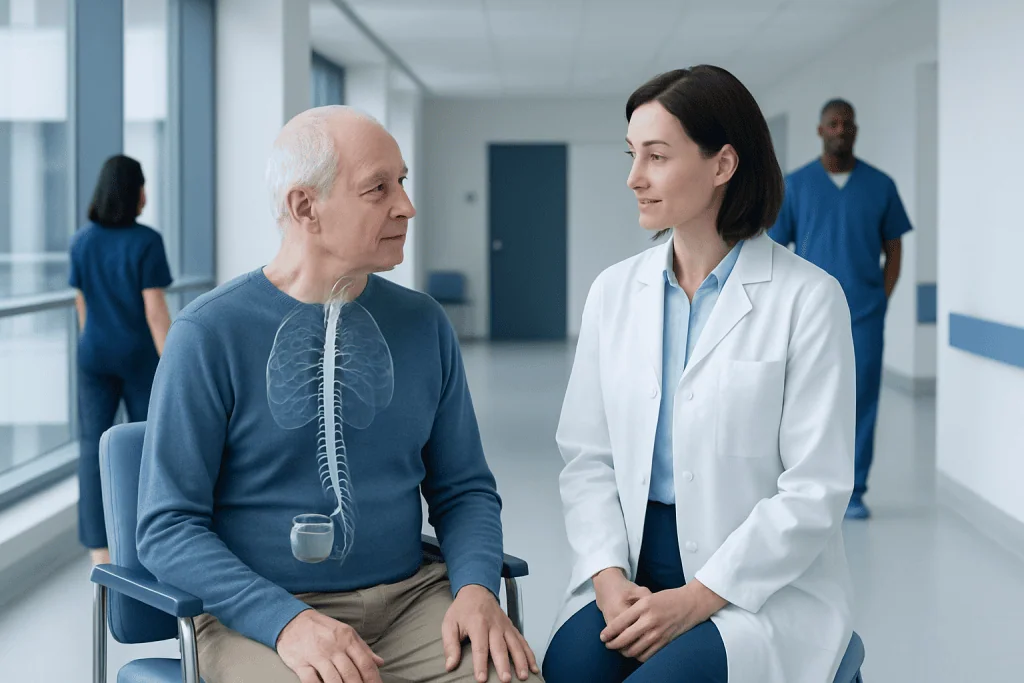
Candidacy depends on the exact diagnosis, symptom pattern, and response to previous treatments. Neuromodulation is considered when medicines, rehabilitation, or other standard therapies have not provided enough relief.
Key Takeaways
- Candidacy depends on the exact diagnosis, symptom pattern, and response to previous treatments.
- Neuromodulation is considered when medicines, rehabilitation, or other standard therapies have not provided enough relief.
- Assessment often includes imaging, physical and neurological examination, and sometimes psychological evaluation.
- Not every device suits every condition; the type of neuromodulation must match the person’s symptoms and goals.
- People need to understand follow-up care, device adjustments, and the possibility that benefits may vary.
A good candidate for a neuromodulation device is usually someone with a clearly diagnosed condition whose symptoms remain difficult to control despite appropriate standard treatment. Careful evaluation by a specialist team helps decide whether the expected benefits, risks, and long-term follow-up fit that person’s needs.
Overview: What a Neuromodulation Device Does
Neuromodulation refers to treatments that change nerve activity using targeted electrical stimulation or, in some situations, medication delivered directly to specific areas. A neuromodulation device may be implanted or used externally, depending on the condition being treated. The goal is not simply to “block” symptoms, but to adjust abnormal signaling patterns in the nervous system in a controlled way.
These devices are used in several fields of medicine. Examples include spinal cord stimulation for certain chronic pain conditions, deep brain stimulation for some movement disorders, vagus nerve stimulation for selected neurological conditions, and sacral nerve stimulation for bladder or bowel problems. Because the nervous system is complex, treatment needs to be personalized rather than based on a single rule.
A person is usually considered a good candidate when symptoms have a clear medical explanation, interfere with quality of life, and have not improved enough with standard care. Specialists also look at whether the person is likely to benefit from device programming, regular follow-up, and realistic treatment goals.
Who May Be a Good Candidate
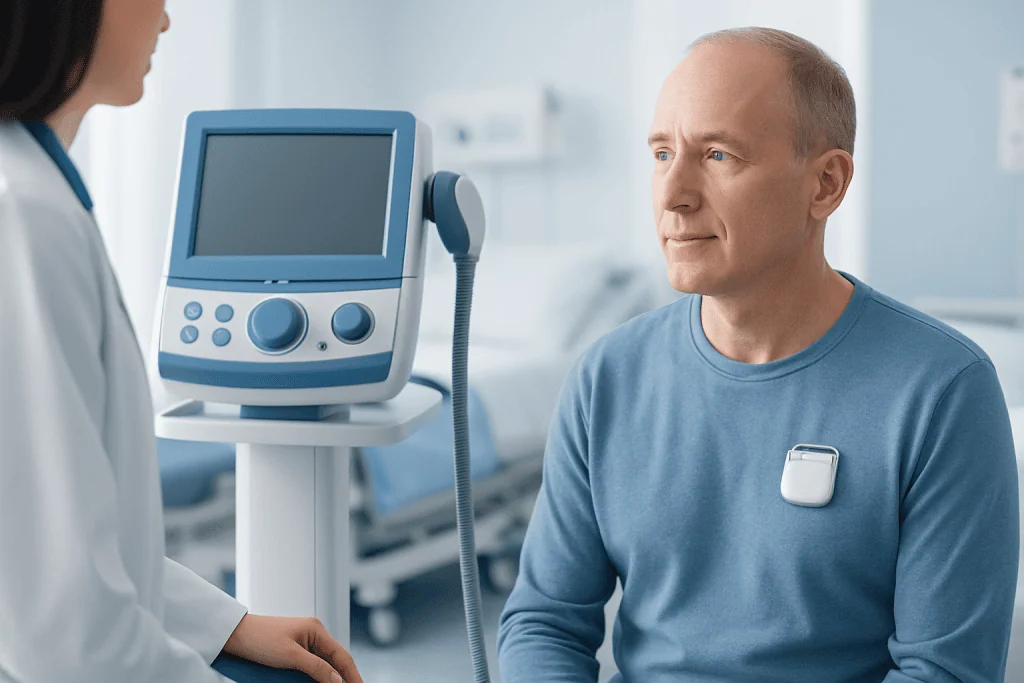
In general, a good neuromodulation device candidate has a condition for which neuromodulation is an accepted treatment option and has already tried appropriate first-line therapies. This often means medications, physical therapy, behavioral strategies, or less invasive procedures have been used correctly but did not provide enough benefit or caused difficult side effects.
Doctors also consider how severe the symptoms are and how much they affect daily life. People whose pain, tremor, movement symptoms, bladder symptoms, or other neurologic problems limit work, sleep, independence, or social function may be evaluated for a device if other options have been exhausted. The treatment plan should be based on a defined target, such as reducing pain intensity, improving movement, or lowering the need for medication.
Examples of people who may be considered include those with selected forms of Parkinson’s disease, certain chronic neuropathic pain syndromes, drug-resistant epilepsy in carefully chosen cases, or bladder dysfunction that has not responded to conservative care. A specialist may also assess people with essential tremor or symptoms related to dystonia when standard treatment has not been enough.
- A confirmed diagnosis with symptoms that match an established neuromodulation approach
- Symptoms that remain troublesome despite appropriate standard treatment
- A clear goal for treatment, such as better function or symptom reduction
- Ability to attend follow-up visits and participate in device management
- Understanding that results can help significantly but may not remove all symptoms
Conditions Commonly Evaluated for Neuromodulation

Different devices are designed for different medical problems. For chronic pain, specialists may consider spinal cord stimulation for selected cases of neuropathic pain, failed back surgery syndrome, or complex regional pain syndrome when conservative treatment has not worked well. In movement disorders, deep brain stimulation may be used for carefully selected people with Parkinson’s disease, essential tremor, or dystonia.
Neuromodulation can also have a role in epilepsy, migraine in selected settings, and some pelvic floor or bladder problems. Not every person with these diagnoses will qualify. The exact symptom pattern, disease stage, previous treatment response, and general health all matter. For example, a person with tremor that responds to medication but has only mild daily limitations may not need a device, while someone with severe medication side effects might reasonably explore it.
Because candidacy varies by condition, specialists often work within multidisciplinary teams. Neurologists, neurosurgeons, pain medicine physicians, rehabilitation experts, psychiatrists or psychologists, and other clinicians may all contribute. This helps match the device type to the person rather than trying to fit the person to a device.
Factors Doctors Review Before Recommending a Device
Evaluation begins with confirming the diagnosis. If symptoms are not clearly explained, implanting a device too early may expose a person to risk without likely benefit. The doctor reviews medical history, prior treatments, imaging, examination findings, and how symptoms have changed over time. They also look closely at what the person hopes to improve.
Overall health is another important part of candidacy. Surgeons and physicians consider infection risk, blood-thinning medicines, heart and lung health, immune status, and other conditions that could affect the procedure or recovery. Some people may need additional evaluation or stabilization of other medical issues before moving forward.
Psychological readiness is often part of assessment, especially for implantable pain devices. This is not about judging the reality of symptoms. Instead, it helps identify depression, anxiety, cognitive difficulties, unrealistic expectations, or stressors that may affect recovery and satisfaction. Good candidates usually understand both the potential benefits and the limits of treatment.
Practical considerations matter too. Device therapy often requires programming visits, battery checks or replacement planning, and communication with the care team if symptoms change. A person who can take part in this ongoing care is more likely to have a smooth treatment course.
When Someone May Not Be the Best Candidate
Not everyone with difficult symptoms is an appropriate candidate for a neuromodulation device. If the diagnosis is uncertain, if symptoms are mainly explained by a condition that neuromodulation does not usually help, or if first-line therapy has not yet been fully tried, doctors may recommend further evaluation or standard treatment first. This helps avoid unnecessary procedures.
Some medical situations can also make implantation less suitable, at least temporarily. Active infection, uncontrolled bleeding risk, inability to undergo the needed procedure safely, or severe untreated medical problems may delay or prevent device placement. In some cases, significant cognitive impairment may make it hard to participate in follow-up and device management.
Another reason a person may not be the best candidate is expectation mismatch. Neuromodulation may reduce symptoms and improve function, but it may not cure the underlying disease. If a person expects complete and immediate resolution of all symptoms, the care team will usually spend more time on education before deciding whether to proceed.
How Candidacy Is Evaluated
The evaluation process is usually stepwise. It often starts with specialist consultation, a detailed review of symptoms, and confirmation that standard treatments have been used appropriately. Depending on the condition, tests may include MRI or CT scans, nerve studies, urodynamic testing, seizure evaluation, or detailed movement-disorder assessment.
For some therapies, there may be a trial period before permanent implantation. In chronic pain care, a temporary stimulation trial can help show whether the person experiences meaningful symptom improvement before a long-term device is placed. This trial-based approach can make the decision more practical and individualized.
Shared decision-making is central. The clinician explains what the device is intended to do, how it is implanted or applied, what side effects are possible, and what recovery and follow-up involve. The person then weighs expected benefits against the responsibilities of living with a device. A careful discussion is often just as important as the technical testing.
Benefits, Risks, and Life After Implantation
Potential benefits depend on the condition being treated. Some people experience less pain, fewer movement symptoms, improved bladder control, or reduced need for certain medications. For many, the most meaningful outcome is better daily function rather than total symptom disappearance. Improvement may happen gradually as the device is adjusted over time.
Like any procedure, neuromodulation carries risks. These vary by device and may include infection, bleeding, lead movement, discomfort at the implant site, hardware problems, or the need for future revision. There can also be situations where the symptom improvement is smaller than hoped. This is why realistic goals and experienced follow-up care are so important.
Living with a neuromodulation device usually means ongoing monitoring and programming. Some devices have rechargeable systems or batteries that eventually need replacement. People may receive guidance about physical activity, imaging compatibility, and when to contact the clinic if symptoms change. Near the end of the evaluation journey, some international patients choose centers such as Acibadem International, where multidisciplinary specialists in JCI-accredited hospitals diagnose and treat neuromodulation conditions and provide follow-up planning.
When to Speak With a Specialist
A specialist review may be helpful when symptoms remain disruptive despite standard treatment, when medications cause troublesome side effects, or when the diagnosis suggests a condition commonly evaluated for neuromodulation. Early consultation does not always mean a device is needed. In many cases, it simply helps clarify what options exist and whether additional non-device treatment should be tried first.
It is especially reasonable to ask about neuromodulation if symptoms are interfering with sleep, walking, work, self-care, or emotional well-being. Bringing records of past treatments, imaging, and symptom diaries can make the consultation more useful. If the person is a candidate, the team may discuss options such as vagus nerve stimulation or other device-based approaches that fit the diagnosis.
Anyone considering a neuromodulation device should feel comfortable asking questions about expected benefit, alternatives, follow-up needs, and possible complications. The best candidate is not just someone with the right diagnosis, but someone whose medical condition, goals, and ability to participate in care all align with the treatment plan.
Frequently asked questions
What makes someone a good candidate for a neuromodulation device?
A good candidate usually has a clearly diagnosed condition that is known to respond to a specific neuromodulation therapy. Symptoms are often significant enough to affect daily life and have not improved enough with standard treatments. The person also needs to be able to attend follow-up care and understand the benefits and limits of the device.
Is neuromodulation only used after all other treatments fail?
It is often considered after appropriate first-line treatments have not provided enough relief or have caused difficult side effects. However, this does not mean every possible treatment must be exhausted in every case. The timing depends on the diagnosis, symptom severity, and specialist judgment.
Can a neuromodulation device cure the underlying condition?
In most cases, neuromodulation helps manage symptoms rather than curing the underlying disease. The goal is usually to improve function, quality of life, or symptom control. Some people experience major improvement, but complete symptom resolution is not guaranteed.
Do all neuromodulation devices require surgery?
No. Some neuromodulation therapies are external and noninvasive, while others are implanted through a procedure. The type of device depends on the condition being treated and how precise the stimulation needs to be.
Why might a doctor say someone is not a candidate right now?
A person may not be a candidate if the diagnosis is uncertain, if standard treatment has not yet been properly tried, or if there are medical issues that increase procedural risk. Sometimes candidacy changes over time after better symptom control, further testing, or treatment of other health problems.
Is psychological evaluation part of neuromodulation assessment?
Sometimes, yes, especially for implantable devices used in chronic pain care. This evaluation helps identify factors that could affect recovery, coping, and treatment expectations. It is a routine part of comprehensive planning, not a sign that symptoms are being dismissed.
References
- National Institute of Neurological Disorders and Stroke
- National Institute for Health and Care Excellence
- International Neuromodulation Society
- American Association of Neurological Surgeons
- Mayo Clinic
This article is for general information only and is not a substitute for professional medical advice. Please consult a qualified doctor about your individual situation.
Neuromodulation in Turkey — costs, top hospitals & a free quote
JCI-accredited · board-certified surgeons · reply within 24h
Add us as a Preferred Source to see more of our trusted health content across Google Search, AI Overviews and Discover.

More from the Health Library

Related Specialists

Prof. Dr. Aytekin Akyüz
Neurology
Dt. Serkan Güleç
Dentistry
Dr. Semra Kavas
Infectious Diseases & Clinical Microbiology
Assoc. Prof. Dr. Oğuz Durakbaşa
Orthopedic Surgery & Traumatology