Who Is a Good Candidate for Neurointervention?
Neurointervention uses thin catheters and imaging guidance to diagnose or treat certain brain and spinal vascular conditions. Good candidates often include people with stroke, aneurysm, arteriovenous malformation, carotid disease, or other blood vessel disorders.
Key Takeaways
- Neurointervention uses thin catheters and imaging guidance to diagnose or treat certain brain and spinal vascular conditions.
- Good candidates often include people with stroke, aneurysm, arteriovenous malformation, carotid disease, or other blood vessel disorders.
- The best treatment approach depends on anatomy, symptoms, timing, and general health rather than age alone.
- Doctors use imaging tests such as CT, MRI, angiography, and ultrasound to decide whether neurointervention is appropriate.
- Not every patient is suited to a minimally invasive approach; some may need medication, surgery, or close monitoring instead.
A good candidate for neurointervention is typically someone with a brain, spine, head, or neck blood vessel condition that can be diagnosed or treated through minimally invasive, image-guided techniques. Suitability depends on the exact condition, symptoms, imaging findings, overall health, and the urgency of treatment.
Overview: What neurointervention means
Neurointervention, also called interventional neuroradiology or endovascular neurology in some settings, is a subspecialty that diagnoses and treats certain disorders of the blood vessels in the brain, spinal cord, head, and neck. Instead of making a large incision, the doctor usually guides a very thin catheter through a blood vessel, often starting from the wrist or groin, and uses live imaging to reach the problem area.
These procedures may be used to restore blood flow, close off an abnormal vessel, treat a weakened artery wall, or help control bleeding. Common examples include treatment for selected types of stroke, brain aneurysms, arteriovenous malformations, carotid artery disease, and some vascular tumors or fistulas.
A person is considered a good candidate for neurointervention when the expected benefits of a minimally invasive approach are likely to outweigh the risks. This decision is individualized and usually involves a team that may include neurologists, neurosurgeons, neuroradiologists, stroke specialists, and anesthesiologists.
Who may be a good candidate for neurointervention
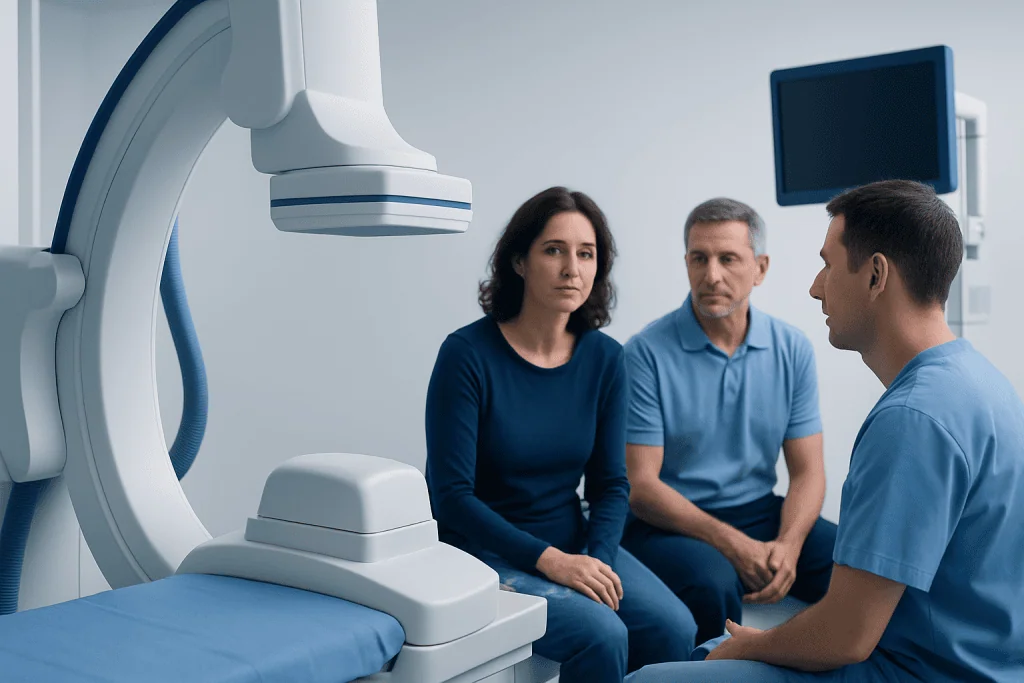
Many people who may benefit from neurointervention have a condition affecting blood flow to or from the brain. One important group includes patients with an acute ischemic stroke caused by a large vessel blockage. In carefully selected cases, doctors may remove the clot through a catheter-based procedure, especially when symptoms are significant and imaging shows brain tissue that can still be saved.
Another common group includes people with a brain aneurysm, which is a weakened area in a blood vessel wall that may rupture or may be found before rupture. Depending on its size, shape, location, and the patient’s overall risk, minimally invasive options such as coiling or flow-diverting devices may be considered as part of brain aneurysm care.
Good candidates may also include those with arteriovenous malformations, dural arteriovenous fistulas, carotid or vertebral artery narrowing, certain causes of brain bleeding, and some spinal vascular malformations. In some situations, neurointervention is done to diagnose the exact anatomy through cerebral angiography; in others, it is used as the main treatment or combined with open surgery or radiosurgery.
Being a candidate does not always mean a procedure is necessary right away. Some conditions are better managed with medication, blood pressure control, monitoring scans, or surgery. The key question is not simply whether a procedure is technically possible, but whether it is the safest and most effective option for that specific person.
Conditions and factors doctors consider
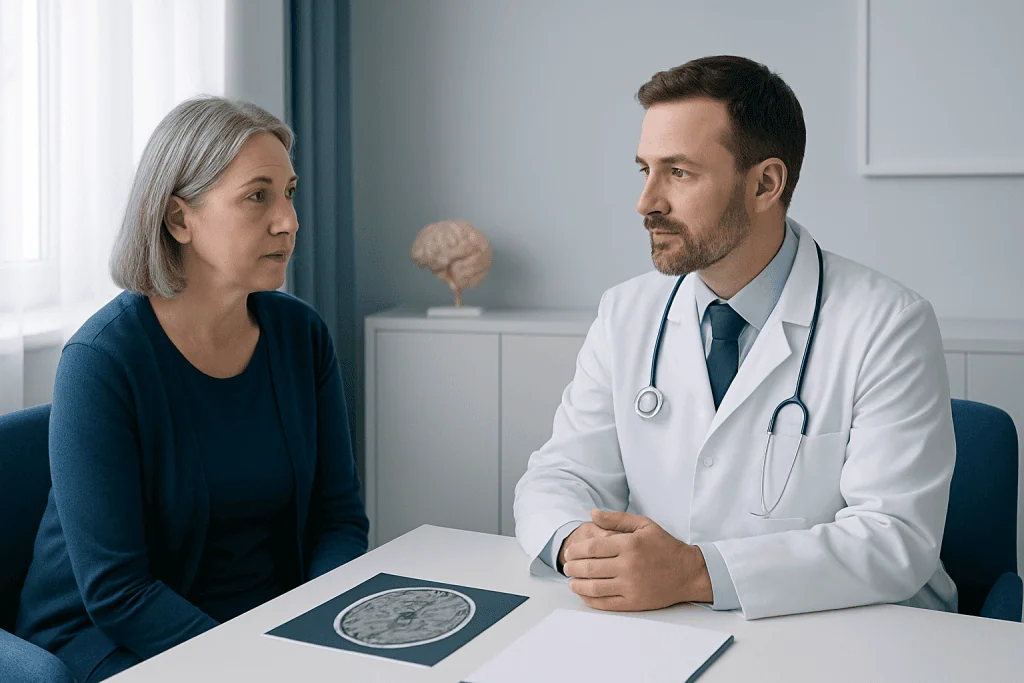
Doctors look first at the exact diagnosis. Neurointervention is often considered for acute ischemic stroke, some hemorrhagic strokes, aneurysms, arteriovenous malformations, dural fistulas, carotid artery stenosis, intracranial arterial narrowing, and certain vascular causes of tinnitus, headache, or neurological symptoms. Some patients are referred after an abnormal finding on a brain scan, while others come to urgent attention because of sudden weakness, difficulty speaking, severe headache, or vision changes.
The anatomy of the blood vessels matters greatly. A patient may have the right diagnosis but not the right vessel structure for a catheter-based treatment. Doctors assess the size and shape of the lesion, how easy it is to reach, whether nearby vessels are fragile or tortuous, and the likelihood of fully treating the problem without harming normal brain tissue.
Timing is especially important in stroke care. For suspected stroke, treatment decisions depend on when symptoms began, what imaging shows, and whether there is a blocked large artery. In non-emergency conditions, doctors also consider whether the lesion has bled before, whether it is changing, and whether symptoms are progressing.
General health is another major factor. Kidney function, bleeding risk, pregnancy status, allergies to contrast material, heart and lung health, and use of blood thinners can all affect planning. Age alone does not automatically rule a person in or out; what matters more is overall function, resilience, and whether the expected benefit is meaningful for that individual.
How candidacy is evaluated
Evaluation usually begins with a careful medical history and neurological examination. Doctors ask about symptoms, when they started, whether there has been previous bleeding or stroke, and whether there are conditions such as high blood pressure, diabetes, or smoking history that may affect blood vessels. They also review current medicines, especially blood thinners and antiplatelet drugs.
Imaging plays a central role. Depending on the situation, the care team may use CT, CT angiography, MRI, MR angiography, carotid ultrasound, perfusion imaging, or diagnostic cerebral angiography. These tests help show whether there is a clot, an aneurysm, a narrowing, or an abnormal connection between arteries and veins.
Doctors then weigh the likely benefits and risks of different strategies. For example, a person with severe carotid narrowing and recent symptoms may be considered for carotid artery stenting in selected situations, while another patient may be better suited to surgery or medical management alone. A patient with a ruptured aneurysm may need urgent endovascular aneurysm treatment, while an unruptured aneurysm might be monitored if the risk of treatment exceeds the risk of rupture.
Shared decision-making is important whenever the situation is not an emergency. The doctor explains what the procedure aims to do, what alternatives exist, what recovery usually involves, and what complications are possible. This helps the patient and family make an informed choice that fits the medical facts and the person’s goals.
When neurointervention may not be the best option
Not everyone with a neurological or vascular condition is a suitable candidate for neurointervention. Some lesions are too small, too stable, or located in a way that makes treatment riskier than observation. In other cases, the anatomy may prevent safe catheter access, or the expected result may be incomplete.
Sometimes medical treatment offers a better balance of safety and benefit. Blood pressure control, cholesterol management, blood thinners or antiplatelet medicines when appropriate, seizure treatment, or rehabilitation may be the best first step. For some conditions, open neurosurgery or vascular surgery remains the preferred approach because it offers more durable or more complete treatment.
There are also situations in which a person is temporarily not a candidate. Severe infection, uncontrolled bleeding problems, advanced kidney failure, or recent reactions to contrast dye may require stabilization or a different plan. In emergencies, the team may still proceed if the danger of waiting is greater than the procedural risk.
For this reason, candidacy should always be determined by specialists experienced in both the disease itself and the available treatment options. A second opinion can be helpful when the diagnosis is complex or when multiple reasonable approaches exist.
Benefits, risks, and recovery expectations
The main benefit of neurointervention is that it can treat some serious conditions through a minimally invasive route. Compared with open surgery, many procedures involve smaller access sites, shorter hospital stays in selected cases, and potentially faster recovery. In urgent stroke care, procedures such as mechanical thrombectomy may significantly improve the chance of preserving brain function when performed in the right patient at the right time.
Still, every procedure carries risk. Depending on the condition and the treatment used, possible complications can include bleeding, vessel injury, stroke, contrast reaction, kidney strain, infection, or need for further treatment later. Some devices also require follow-up imaging and, in certain cases, ongoing medication to reduce clotting risk.
Recovery varies widely. Some patients go home quickly after a planned diagnostic or therapeutic procedure, while others need intensive care, especially after stroke or hemorrhage. Follow-up commonly includes repeat scans, neurological checks, blood pressure management, and rehabilitation when symptoms have affected movement, speech, or cognition.
Patients and families often find it helpful to ask practical questions in advance: what problem is being treated, what the alternatives are, what the most likely recovery path is, and how success will be measured. Clear expectations can reduce uncertainty and support better decision-making.
Questions to ask and when to seek specialist care
A person may wish to ask whether the diagnosis is definite, whether the condition is urgent, and what treatment options are available besides neurointervention. Other useful questions include whether the goal is to prevent bleeding or stroke, relieve symptoms, or improve blood flow; what follow-up is needed; and whether more than one procedure might be required.
Urgent medical attention is important for sudden weakness, facial droop, trouble speaking, sudden vision loss, loss of balance, seizure, or a sudden severe headache unlike usual headaches. These can be warning signs of stroke or bleeding and should be treated as emergencies. Early assessment can be critical, especially if carotid artery disease or an acute vessel blockage is suspected.
For non-emergency findings, referral to a center with multidisciplinary expertise can help clarify whether observation, medication, surgery, or a catheter-based procedure is most appropriate. Acibadem International’s multidisciplinary specialists and JCI-accredited hospitals diagnose and treat neurovascular conditions for international patients, with care plans tailored to the individual condition and overall health status.
In general, the best candidate for neurointervention is not defined by a single diagnosis alone. It is someone whose symptoms, imaging findings, anatomy, and overall health together suggest that a minimally invasive approach offers a safe and meaningful benefit.
Frequently asked questions
What does neurointervention treat?
Neurointervention treats certain blood vessel problems affecting the brain, spine, head, and neck. Examples include some strokes, aneurysms, arteriovenous malformations, fistulas, and selected artery narrowings.
Is every stroke patient a candidate for neurointervention?
No. Neurointervention is mainly used for selected strokes, especially when a large artery is blocked and imaging shows that treatment may still help. The timing of symptoms, the type of stroke, and the patient's overall condition all matter.
Can older adults still be good candidates for neurointervention?
Yes, in many cases they can. Doctors consider overall health, functional status, imaging findings, and expected benefit rather than using age alone to decide.
How do doctors decide if an aneurysm should be treated with a catheter-based procedure?
They look at the aneurysm's size, shape, location, whether it has bled, and the patient's personal risk factors. They also compare the risks and benefits of treatment against monitoring or open surgery.
What tests are usually needed before neurointervention?
Common tests include CT, MRI, angiography, and sometimes ultrasound or perfusion imaging. Blood tests and a neurological exam are also important to assess safety and guide planning.
Is neurointervention safer than surgery?
Not always, and the answer depends on the condition being treated. Neurointervention can be less invasive, but it still has risks, and in some situations surgery remains the better option.
What should a patient do if stroke symptoms start suddenly?
They should seek emergency medical help immediately. Sudden weakness, speech difficulty, facial droop, vision loss, or severe imbalance should never be watched at home, because fast evaluation can affect treatment options.
References
- World Stroke Organization
- American Heart Association
- National Institute of Neurological Disorders and Stroke
- Society of NeuroInterventional Surgery
- Radiological Society of North America
This article is for general information only and is not a substitute for professional medical advice. Please consult a qualified doctor about your individual situation.
Joint and spine care in Turkey — expert assessment & treatment
JCI-accredited · board-certified surgeons · reply within 24h
Add us as a Preferred Source to see more of our trusted health content across Google Search, AI Overviews and Discover.
Check your numbers in seconds
BMI, calories, due date, blood pressure and 30+ more clinical calculators — free, instant, doctor-reviewed ranges.

Neurosurgery
Surgical treatment of the brain, spine and nervous system, including minimally invasive and functional procedures.
72 specialists in this unitMore from the Health Library



Related Specialists

Prof. Dr. Çağlar Çuhadaroğlu
Pulmonology
Fzt. Osman Karaoğlan
Physical Medicine and Rehabilitation
Assoc. Prof. Dr. Nurcan Kızılcık
Anesthesiology
Assoc. Prof. Dr. Sema Aylan Gelen
Pediatric Hematology