Why Do Energy Drinks Make Me Tired? Here Is What the Evidence Says

Feeling tired after an energy drink is often due to a caffeine or sugar rebound rather than a lack of effect. Poor sleep, dehydration, anxiety, and taking energy drinks later in the day can make fatigue worse.
Key Takeaways
- Feeling tired after an energy drink is often due to a caffeine or sugar rebound rather than a lack of effect.
- Poor sleep, dehydration, anxiety, and taking energy drinks later in the day can make fatigue worse.
- Some people are more sensitive to caffeine, while others develop tolerance and feel less alert over time.
- Persistent fatigue may point to another issue such as sleep deprivation, anemia, thyroid problems, or an underlying heart rhythm problem.
- Medical care is important if fatigue comes with chest pain, fainting, severe palpitations, shortness of breath, or ongoing daytime sleepiness.
Energy drinks can make a person feel tired when the initial stimulant effect wears off, blood sugar shifts, sleep quality drops, or dehydration develops. In many cases this is temporary and harmless, but recurring fatigue, palpitations, fainting, chest pain, or severe sleep problems should be reviewed by a doctor.
Overview: why energy drinks can leave a person feeling more tired
For many people, feeling sleepy or drained after an energy drink is not a sign that anything serious is wrong. The most common explanation is a rebound effect: caffeine and sugar may briefly increase alertness, but as that effect fades, a person can notice the tiredness that was already there or feel an energy “crash.”
Energy drinks do not create real energy in the biological sense. Instead, they temporarily stimulate the nervous system, mainly through caffeine, and may also contain sugar, taurine, guarana, B vitamins, and other additives. If someone is already sleep-deprived, dehydrated, stressed, or undernourished, the drink may mask fatigue for a short time and then make it feel more obvious later.
Most episodes are short-lived and improve with rest, fluids, food, and avoiding additional stimulants. However, fatigue after energy drinks deserves medical review if it happens repeatedly or occurs alongside red-flag symptoms such as chest pain, fainting, severe palpitations, shortness of breath, or major sleep disruption.
What it can feel like
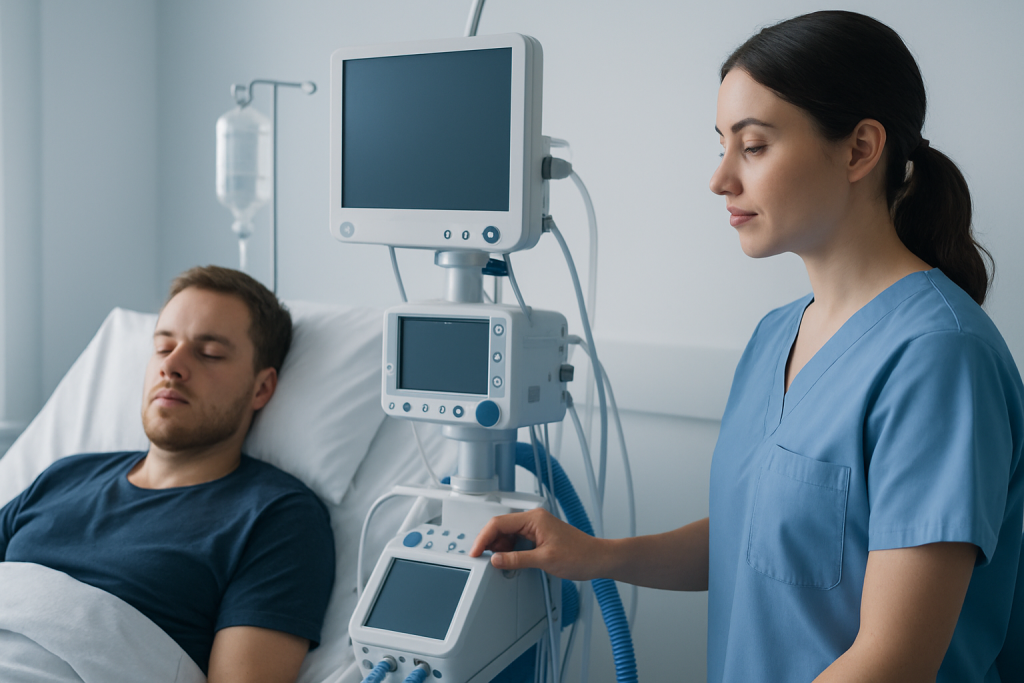
People describe this in different ways. Some feel briefly alert and then suddenly sluggish. Others become jittery, anxious, shaky, or restless at first, only to feel mentally foggy or physically exhausted later. A person may also notice trouble concentrating, headache, nausea, irritability, or needing even more caffeine to get through the day.
The timing can offer useful clues. Tiredness that appears a few hours after the drink may suggest a caffeine or blood sugar crash. Tiredness the next morning can reflect poor sleep quality from using caffeine too late in the day. In some people, especially those sensitive to caffeine, the stimulant effect may feel unpleasant rather than energizing, which can be misread as fatigue.
If symptoms include a racing heartbeat, skipped beats, dizziness, or panic-like feelings, it is important not to assume the drink is the only cause. Stimulants can trigger or worsen certain problems, including anxiety or an abnormal heart rhythm such as arrhythmia, in people who are susceptible.
What the evidence suggests: common reasons energy drinks may cause fatigue
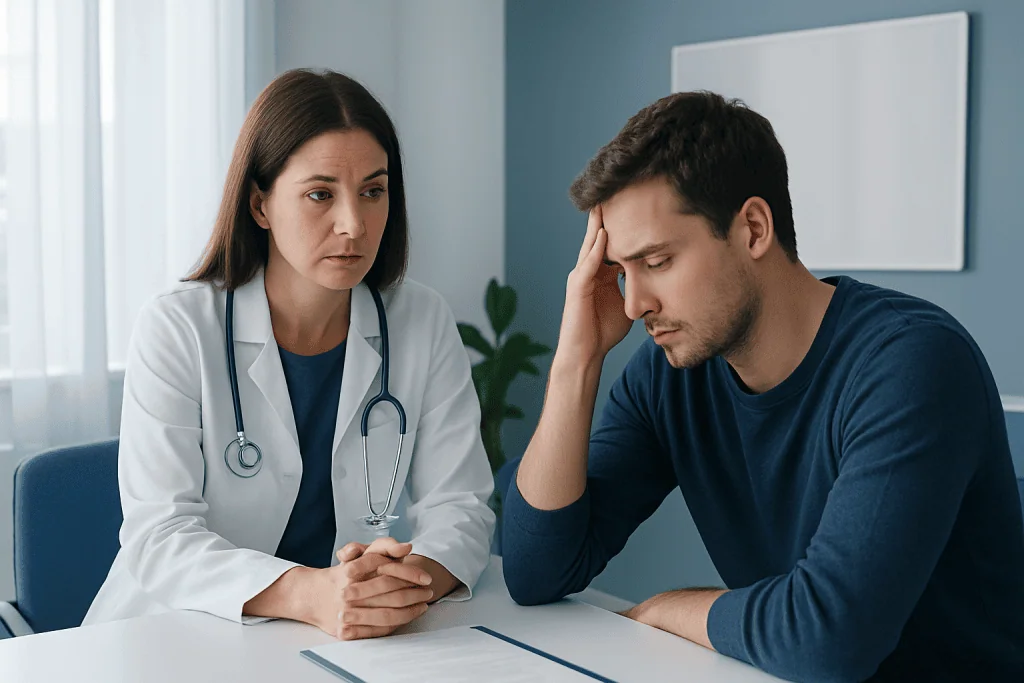
The most likely reason is a caffeine rebound. Caffeine blocks adenosine, a brain chemical that helps the body feel sleepy. When the stimulant effect fades, the person may feel the underlying sleep pressure more strongly. This can make tiredness seem sudden or more intense than before the drink.
A second factor is sugar fluctuation. Many energy drinks contain significant sugar. Blood glucose may rise quickly and then fall, which can leave a person feeling hungry, shaky, tired, or unfocused. Sugar-free products avoid this specific effect, but they can still lead to fatigue through caffeine-related sleep disruption or dehydration.
Sleep loss is another major reason. Energy drinks can delay sleep onset, reduce total sleep time, and interfere with deep, restorative sleep. A person may feel more awake in the moment but more tired later that day or the next day. This cycle can become self-reinforcing: poor sleep leads to more caffeine, which then worsens sleep again. If snoring, pauses in breathing, or unrefreshing sleep are also present, a doctor may evaluate for problems such as sleep apnea.
Dehydration and individual sensitivity also matter. Caffeine can have a mild diuretic effect in some people, and energy drinks may replace water or regular meals. People who are sensitive to stimulants may feel tense, uncomfortable, or “wired but tired.” Over time, frequent caffeine use can also lead to tolerance, meaning the same amount feels less effective and leaves the person chasing alertness rather than achieving it.
Who is more likely to feel tired after energy drinks
Anyone can experience this, but it is more common in people who already have poor sleep habits, high stress, irregular meals, or low fluid intake. Using energy drinks after lunch or in the evening increases the chance of later fatigue because the caffeine may disturb nighttime sleep even if the person falls asleep normally.
People may also be more vulnerable if they have anxiety, migraine, heart rhythm problems, acid reflux, or sensitivity to caffeine. Adolescents, older adults, pregnant people, and those taking certain medicines may be affected more strongly by stimulant ingredients. Combining energy drinks with alcohol can be especially misleading because the stimulant effect may mask how tired or impaired a person really is.
Sometimes the drink is not the true cause, but rather a clue. Reaching for repeated stimulants can reflect an underlying issue such as chronic sleep deprivation, iron deficiency, thyroid disease, depression, or another medical condition causing low energy. If daytime fatigue is persistent even without caffeine, medical assessment becomes more important.
When to seek medical care
Occasional tiredness after an energy drink is usually not an emergency. Still, medical advice is appropriate if this keeps happening, if the person needs energy drinks most days to function, or if fatigue is accompanied by insomnia, frequent headaches, worsening anxiety, or poor exercise tolerance.
Urgent care is needed for warning signs such as chest pain, fainting, severe dizziness, a very fast or irregular heartbeat, shortness of breath, confusion, or seizures. These symptoms should not be ignored, especially after high caffeine intake or mixing energy drinks with alcohol, workout supplements, or stimulant medications.
A clinician will usually begin with a careful history: how many drinks are used, when they are taken, sleep habits, hydration, meals, medications, and other symptoms. Depending on the situation, the evaluation may include a physical exam, blood pressure and pulse check, blood tests for issues such as anemia or thyroid problems, and heart testing such as an electrocardiogram if palpitations or chest symptoms are present.
How doctors look for the real cause
Diagnosis focuses on the whole picture rather than the drink alone. A doctor may ask whether fatigue happens only after energy drinks or throughout the day, whether there is snoring or unrefreshing sleep, and whether symptoms improve when caffeine is reduced. This helps separate a stimulant rebound from an underlying sleep, metabolic, cardiovascular, or mental health issue.
Basic tests may include blood work to look for anemia, infection, blood sugar problems, vitamin deficiencies, or thyroid disease. If dehydration is suspected, clinicians may review fluid intake, recent exercise, and heat exposure. If severe daytime sleepiness, morning headaches, or witnessed pauses in breathing are reported, a sleep study may be discussed.
When heart-related symptoms are part of the picture, the doctor may consider pulse monitoring, an ECG, or further assessment by a cardiology team. If anxiety, panic symptoms, or insomnia are prominent, care may also involve strategies to reduce stimulant use and improve sleep hygiene, rather than adding more short-term stimulants.
What helps: practical treatment and self-care steps
The most effective approach is usually to reduce the factors causing the crash. This may mean cutting back on energy drinks gradually, avoiding them late in the day, choosing water regularly, and not using them in place of meals. Eating balanced meals with protein, fiber, and complex carbohydrates can help support steadier energy than relying on sugar and caffeine alone.
Sleep is often the key treatment. Keeping a regular sleep schedule, limiting screen exposure close to bedtime, and creating a dark, quiet sleeping environment can improve next-day alertness. If fatigue is mainly driven by short sleep, no energy drink can fully replace restorative rest.
Physical activity, daylight exposure in the morning, and stress management can also improve energy regulation. If another condition is identified, treatment should focus on that cause. For example, doctors may address heart rhythm symptoms through cardiology evaluation or investigate ongoing fatigue through broader medical assessment rather than assuming caffeine is the only issue.
Near the end of the care pathway, some people may need specialist input. Acibadem International’s multidisciplinary specialists and JCI-accredited hospitals evaluate symptoms such as unexplained fatigue, palpitations, sleep-related concerns, and stimulant sensitivity for international patients.
Prevention: how to use caffeine more safely
Prevention starts with understanding that energy drinks are not a substitute for sleep, hydration, or nutrition. Reading labels is important because products vary widely in caffeine content and may contain other stimulants such as guarana. Taking multiple caffeinated products together can increase the chance of jitters, poor sleep, and next-day fatigue.
Helpful habits include limiting use, avoiding energy drinks on an empty stomach, drinking water throughout the day, and not combining them with alcohol or pre-workout stimulants. People who notice headaches, anxiety, heart racing, or sleep problems after use should consider stopping and discussing safer options for managing fatigue with a healthcare professional.
If low energy is becoming a pattern, it is often more useful to ask why the body is tired than how to stimulate it more. Looking at sleep quality, stress, work schedules, exercise, mental health, and medical conditions can lead to a more lasting solution than repeatedly trying to override fatigue.
Frequently asked questions
Why do energy drinks make me tired instead of awake?
This often happens because the stimulant effect is temporary. Once caffeine or sugar wears off, the body may feel the fatigue that was already present, or a person may experience a rebound crash.
Can energy drinks make sleep worse even if I feel alert at first?
Yes. Energy drinks can delay sleep, reduce sleep quality, and make rest less restorative, especially if used later in the day. That can lead to feeling more tired the next day.
Is it normal to feel shaky and tired at the same time after an energy drink?
It can happen. Some people feel overstimulated, anxious, or jittery while also experiencing mental fatigue, especially if they are sensitive to caffeine or have not eaten well.
Could tiredness after energy drinks mean I have another health problem?
Sometimes. Persistent fatigue may be related to poor sleep, iron deficiency, thyroid problems, anxiety, depression, or another medical issue rather than the drink itself. A doctor can help if symptoms are ongoing.
When should someone worry about symptoms after an energy drink?
Medical review is important if symptoms include chest pain, fainting, shortness of breath, severe dizziness, or a very fast or irregular heartbeat. Ongoing daytime sleepiness or repeated crashes also deserve attention.
What is the best way to stop energy drink crashes?
The most helpful steps are usually reducing energy drink use, improving hydration, eating regular balanced meals, and protecting sleep. If a person depends on stimulants daily, it is sensible to discuss safer strategies with a healthcare professional.
References
- U.S. Food and Drug Administration
- Centers for Disease Control and Prevention
- American Academy of Sleep Medicine
- National Institutes of Health
- European Food Safety Authority
This article is for general information only and is not a substitute for professional medical advice. Please consult a qualified doctor about your individual situation.
Explore treatments in Turkey — costs, top hospitals & a free quote
JCI-accredited · board-certified surgeons · reply within 24h
Add us as a Preferred Source to see more of our trusted health content across Google Search, AI Overviews and Discover.