Why Do I Cough After I Eat? Causes, Explanations, and Next Steps

Occasional coughing after eating is common and is often caused by mild throat irritation or reflux. Coughing during meals can also happen when food or liquid enters the airway instead of the esophagus.
Key Takeaways
- Occasional coughing after eating is common and is often caused by mild throat irritation or reflux.
- Coughing during meals can also happen when food or liquid enters the airway instead of the esophagus.
- Repeated symptoms, choking, voice changes, or difficulty swallowing should be medically assessed.
- Doctors usually diagnose the cause by reviewing symptoms, meal triggers, swallowing patterns, and sometimes using imaging or endoscopy.
- Treatment depends on the cause and may include eating habit changes, reflux care, swallowing therapy, or treatment for allergies or infection.
Coughing after eating is often harmless and may happen when food, liquid, or stomach acid briefly irritates the throat. If it happens often, comes with choking, trouble swallowing, weight loss, fever, or breathing symptoms, a doctor can check for reflux, swallowing problems, allergies, or lung-related causes.
Overview: Why coughing after eating happens
If a person wonders, “why do I cough after I eat,” the answer is often reassuring. In many cases, coughing after a meal happens because a small amount of food, liquid, spice, or stomach acid briefly irritates the throat or voice box. This can happen from eating too quickly, talking while swallowing, or having mild reflux.
Even so, repeated coughing with meals should not be ignored. A persistent pattern can suggest that food is not moving smoothly from the mouth to the stomach, that acid is reaching the throat, or that the airway is being irritated in another way. Less commonly, it may point to a swallowing disorder, food allergy, infection, or an underlying lung condition.
A helpful way to think about this symptom is to notice when it happens: during swallowing, right after a meal, only with certain foods, or mostly at night after eating. These details often help doctors narrow down the cause quickly and decide whether the symptom is likely temporary or needs more formal testing.
Common causes of coughing after meals
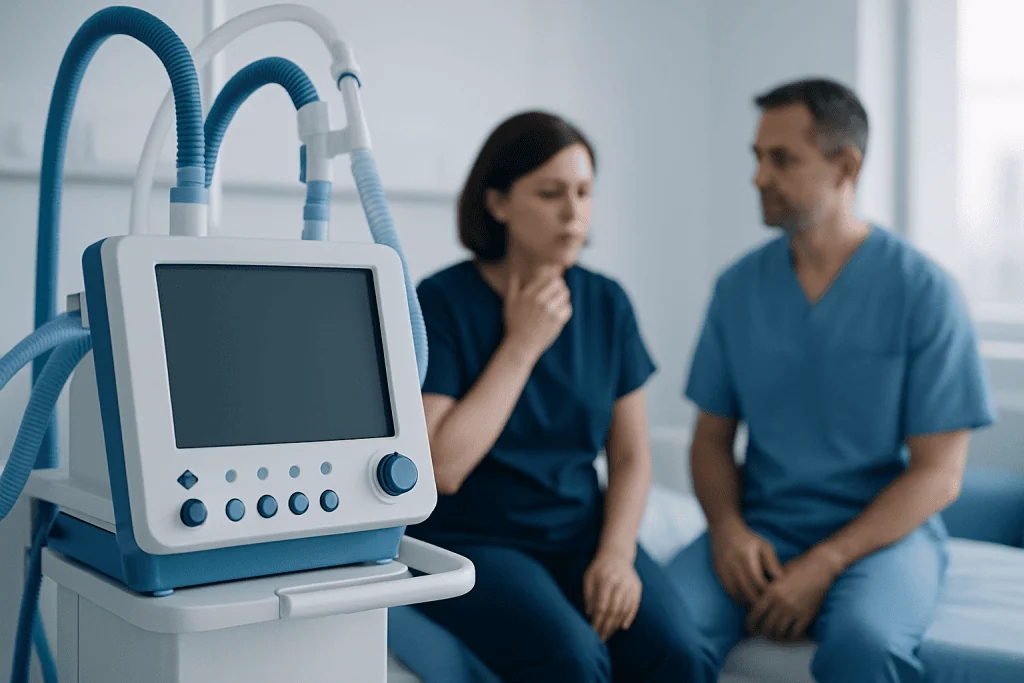
One of the most common explanations is that a small amount of food or drink “goes down the wrong way.” Normally, swallowing closes off the airway for a moment so food enters the esophagus, not the windpipe. If that process is slightly mistimed, the body triggers a cough to protect the lungs. This is more likely with thin liquids, dry foods, large bites, rushed meals, or laughing and talking while eating.
Another frequent cause is acid reflux. When stomach contents move back up into the esophagus or throat, they can irritate sensitive tissues and trigger coughing. Some people also notice heartburn, sour taste, throat clearing, hoarseness, or a feeling of a lump in the throat. Reflux-related cough may happen right after eating or later, especially when lying down. In some cases, it can be related to reflux disease.
Food texture and ingredients can matter too. Very spicy foods, acidic foods such as citrus or tomato, alcohol, and very hot or cold drinks may irritate the throat. Some people cough after dairy not because dairy directly creates mucus, but because its texture can make existing throat mucus feel thicker. Dry crumbly foods, such as crackers or rice, can also trigger a cough if they scatter toward the back of the throat.
Other possibilities include:
- Swallowing difficulties, sometimes called dysphagia
- Postnasal drip or chronic throat irritation
- Asthma triggered by reflux or food exposure
- Food allergy, especially if cough comes with itching, wheezing, or swelling
- Respiratory infection or lingering airway sensitivity
- Structural issues in the throat or esophagus, including narrowing
Clues that help identify the cause

The timing of the cough often provides important clues. A cough that starts while chewing or swallowing may suggest coordination problems in the mouth or throat, or aspiration, which means food or liquid entering the airway. A cough that starts several minutes after finishing a meal may fit better with reflux, throat irritation, or delayed swallowing discomfort.
The type of food can also be informative. Coughing only with liquids may suggest a swallowing problem. Coughing mainly with dry solids may point to poor lubrication, fast eating, or esophageal narrowing. Symptoms after spicy, acidic, or fatty meals are more often linked to reflux or throat sensitivity.
Associated symptoms matter as well. Heartburn, burping, sour taste, and hoarseness make reflux more likely. Sneezing, itching, rash, lip swelling, or wheezing raise concern for an allergic reaction. Fever, chest congestion, and fatigue may suggest infection. If coughing after eating happens together with food sticking, chest discomfort, or repeated choking, doctors may look more closely for an esophageal or swallowing disorder.
When to seek medical care
Occasional mild coughing after a meal is usually not an emergency. However, medical review is important if the symptom happens often, is getting worse, or starts interfering with normal eating. It is especially worth discussing with a doctor if there is repeated choking, regular throat clearing, voice changes, trouble swallowing pills or solids, unintentional weight loss, or recurring chest infections.
Urgent care is needed if coughing after eating comes with trouble breathing, severe wheezing, blue lips, facial or tongue swelling, or the feeling that food is stuck and will not pass. These symptoms may suggest airway obstruction, severe allergy, or a blockage in the esophagus. They should be treated promptly.
Children, older adults, and people with neurological conditions deserve particular attention because swallowing problems can be easier to miss in these groups. If a person has frequent coughing with meals after a stroke, progressive weakness, dementia, or another neurological disorder, assessment should not be delayed.
How doctors evaluate coughing after eating
Doctors usually begin with a detailed history. They ask when the coughing happens, which foods trigger it, whether there is heartburn or choking, and whether there are warning signs such as weight loss, fever, or repeated pneumonia. They may also ask about asthma, smoking, allergies, recent infections, medications, dental issues, and neurological conditions that can affect swallowing.
A physical examination may include the mouth, throat, chest, and sometimes the neck. Depending on the symptoms, the next steps may involve tests that look at swallowing, the esophagus, or the upper digestive tract. If reflux is suspected and symptoms are persistent, a specialist may consider endoscopy or other digestive evaluation, sometimes including endoscopic assessment.
If a swallowing problem is possible, a doctor may recommend a formal swallowing study. This can show whether food or liquid is entering the airway and which textures are hardest to manage. In some situations, referral to specialists in gastroenterology care or ear, nose, and throat evaluation helps clarify whether the source is the esophagus, throat, or voice box.
Imaging or lung tests are sometimes useful if aspiration, chronic cough, or infection is a concern. The aim is not simply to stop the cough, but to identify why it is happening and to prevent complications such as dehydration, poor nutrition, or airway irritation.
Treatment options and practical next steps
Treatment depends on the cause. If the issue is mild swallowing incoordination or eating too quickly, simple changes can help: taking smaller bites, chewing thoroughly, sitting upright, sipping fluids carefully, and avoiding talking while swallowing. These measures reduce the chance that food or drink will slip toward the airway.
If reflux is suspected, doctors may recommend lifestyle steps such as avoiding large late meals, limiting trigger foods, staying upright after eating, and managing body weight if needed. Some people also benefit from medication to reduce acid or protect the esophagus. When symptoms fit chronic digestive irritation, clinicians may also assess for conditions such as gastritis or other upper digestive disorders.
For confirmed swallowing problems, treatment may include swallowing therapy with targeted exercises and texture adjustments. If a narrowing or structural issue is found in the esophagus, treatment may be directed at opening or managing that area. If allergy is the trigger, careful avoidance of the food and an allergy plan are important. If asthma or another airway condition contributes, treatment focuses on improving airway control.
Near the end of the evaluation process, some people may be referred for multidisciplinary care. Acibadem International’s multidisciplinary specialists in JCI-accredited hospitals diagnose and treat swallowing, digestive, and airway-related causes of cough in international patients when specialist assessment is needed.
Self-care and prevention strategies
Several daily habits can lower the chance of coughing after meals. Eating slowly is one of the most effective steps. Smaller bites, good posture, and avoiding meals when very distracted can make swallowing more coordinated. Many people also find it helpful to limit very dry, crumbly, spicy, or acidic foods if these clearly trigger symptoms.
Staying upright during and after meals may reduce reflux and help food move downward more smoothly. Good hydration can also support easier swallowing, especially for dry foods. If symptoms happen at night, avoiding lying down immediately after dinner may help.
It is best not to self-diagnose persistent coughing as “just reflux” without review, especially if there is choking or food sticking. A symptom diary can be useful before an appointment. Recording the time of the cough, the foods involved, body position, and any related symptoms such as heartburn or wheeze can make medical assessment more accurate.
Frequently asked questions
Is it normal to cough after eating sometimes?
Yes, occasional coughing after eating can happen in healthy people. It is often caused by brief throat irritation, eating too fast, or a small amount of food or liquid entering the airway and triggering a protective cough.
Can acid reflux cause coughing after meals?
Yes, reflux is a common cause of coughing after eating. Stomach contents can irritate the esophagus, throat, or voice box, leading to cough, throat clearing, hoarseness, or a sour taste.
What if coughing happens only with water or other liquids?
Coughing mainly with liquids can suggest a swallowing coordination problem. This does not always mean a serious disorder, but it is worth discussing with a doctor, especially if it happens often or causes choking.
When is coughing after eating a red flag?
Medical review is important if there is repeated choking, trouble swallowing, weight loss, recurring chest infections, voice changes, or food feeling stuck. Urgent help is needed for breathing difficulty, swelling, or severe symptoms after a suspected allergic reaction.
Can food allergies cause coughing after eating?
Yes, some food allergies can cause coughing, throat irritation, wheezing, or swelling soon after eating. If coughing is accompanied by hives, lip or tongue swelling, or breathing trouble, immediate medical care is needed.
How do doctors test coughing after eating?
Doctors usually start with questions about timing, food triggers, reflux symptoms, and swallowing difficulty. Depending on the pattern, they may recommend a swallowing study, endoscopy, ENT evaluation, or tests related to reflux or lung health.
This article is for general information only and is not a substitute for professional medical advice. Please consult a qualified doctor about your individual situation.
Medical weight-loss options in Turkey — costs & eligibility
JCI-accredited · board-certified surgeons · reply within 24h
Add us as a Preferred Source to see more of our trusted health content across Google Search, AI Overviews and Discover.

More from the Health Library

Asthma Symptoms Explained: Common Triggers and Red Flags

Do Grapes Have Potassium? Here Is What the Evidence Says

Are Cherries Good for Diabetics? Here Is What the Evidence Says

Why Are My Hands Peeling? A Doctor-Reviewed Answer

Throat Pain When Swallowing: Common Causes, Related Conditions, and When to See a Doctor

Are Baked Beans Good for You? A Doctor-Reviewed Answer
Pulmonary Medicine Specialists at Acibadem

Prof. Dr. İlim Irmak
Pulmonary Medicine
Dr. Jülide Çeldir Emre
Pulmonary Medicine
Assoc. Prof. Dr. Lütfiye Kılıç
Pulmonary Medicine
Prof. Dr. Mehmet Karadağ
Pulmonary Medicine