Why Do My Hands Swell When I Walk? Here Is What the Evidence Says

Mild swelling of both hands during walking is often benign and may relate to heat, increased blood flow, and gravity. Tight rings, puffy fingers, and temporary fullness usually improve after stopping, cooling down, and moving the hands.
Key Takeaways
- Mild swelling of both hands during walking is often benign and may relate to heat, increased blood flow, and gravity.
- Tight rings, puffy fingers, and temporary fullness usually improve after stopping, cooling down, and moving the hands.
- One-sided swelling, significant pain, redness, weakness, chest symptoms, or persistent swelling should be assessed by a doctor.
- A clinician may review medications, examine the hands and circulation, and order blood tests or imaging if another cause is suspected.
- Hydration, pacing, avoiding excess salt before long walks, and gentle hand and arm movement may help reduce symptoms.
Why do my hands swell when I walk? In many people, mild hand swelling during walking is a common and usually harmless effect of exercise, warm weather, and the way the arms hang and move. It deserves medical attention if it is severe, happens only on one side, or comes with pain, redness, numbness, shortness of breath, or swelling elsewhere.
Overview: why hands may swell during walking
Many people notice that their fingers feel tight or their rings become snug during a walk. In most cases, this is not a sign of a serious disease. It often happens because exercise changes blood flow, body temperature, and the way fluid moves through the tissues of the hands.
When a person walks, the heart pumps more blood to support the muscles. At the same time, the arms often hang lower than the heart and swing repeatedly. This position, combined with warmer skin and widened blood vessels, can allow a small amount of fluid to collect in the hands. The result may be puffiness, stiffness, or a heavy feeling that goes away after rest.
That said, not every case should be ignored. Swelling that affects only one hand, lasts long after exercise, or appears together with pain, redness, numbness, weakness, fever, or shortness of breath may point to a different problem. The key is to look at the whole pattern rather than the swelling alone.
What hand swelling during walking feels like
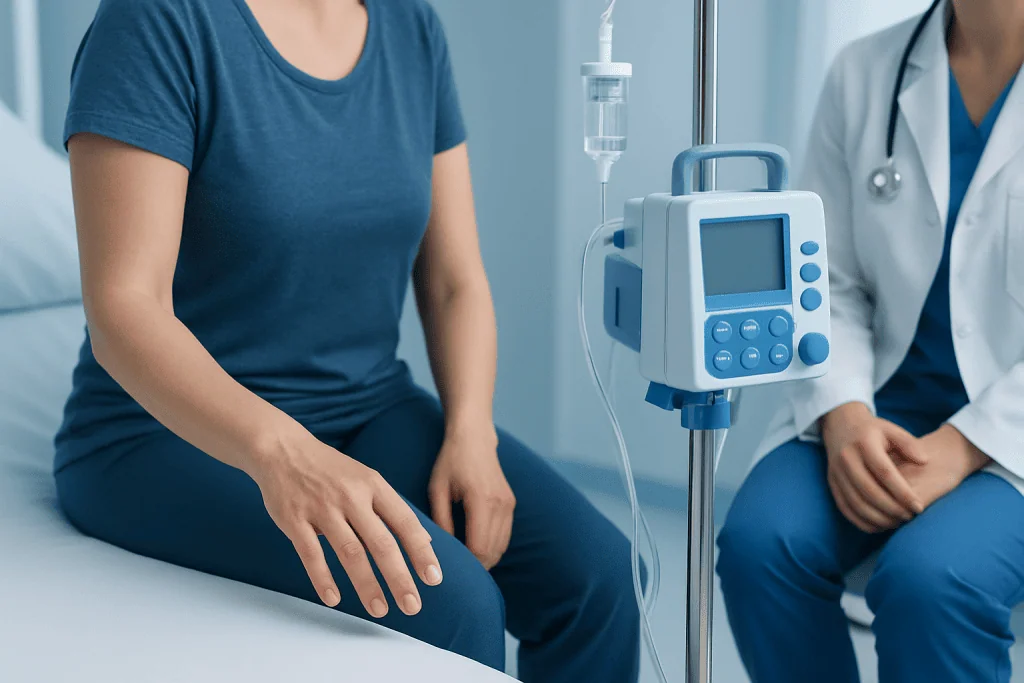
Typical exercise-related hand swelling is usually mild and affects both hands. Fingers may look a little puffy, the skin may feel tight, and rings or watch straps may become uncomfortable. Some people also notice reduced flexibility, such as trouble making a full fist during or just after a walk.
The swelling often appears gradually after several minutes of walking, especially during longer walks, hikes, or brisk activity. Heat and humidity can make it more noticeable. In most people, it improves within a short time after stopping, raising the hands, cooling down, or gently opening and closing the fingers.
Symptoms that are less typical include marked pain, one hand becoming much larger than the other, color change, severe tingling, or swelling that continues for hours or days. These features are more likely to prompt a medical review because they can suggest inflammation, nerve compression, circulation problems, or fluid retention from another cause.
What the evidence suggests about the common causes

There is no single explanation that applies to every person, but several evidence-based mechanisms are thought to contribute. One is widening of blood vessels near the skin during exercise, which helps the body release heat. This can shift more fluid into the tissues of the hands, especially if the weather is warm.
Another likely factor is arm position. During walking, the hands are often below heart level for a long time. Gravity can make it easier for fluid to pool in the fingers. At the same time, the hand muscles may not be contracting as much as the leg muscles, so they do less to help move fluid back toward the body.
Salt intake, hydration habits, and exercise intensity may also play a role. Eating a very salty meal before a long walk can encourage the body to hold onto more fluid. On the other hand, overhydration without appropriate electrolyte balance during prolonged exercise can also affect fluid distribution. Some people simply seem more prone to this response than others.
Less common causes include medication side effects, arthritis, allergic reactions, lymphatic blockage, and vascular conditions. If the swelling is not limited to exercise, a doctor may also think about kidney, heart, thyroid, or liver problems, especially if there is swelling in the feet, face, or around the eyes as well.
When swelling may signal a different condition
Although walking-related hand swelling is usually harmless, certain patterns deserve closer attention. Swelling in only one hand or arm can raise concern for a local issue such as injury, infection, inflammation, or a problem with blood or lymph flow. Redness, warmth, and tenderness may suggest infection or inflammatory arthritis. Persistent numbness or weakness could point to nerve compression.
Doctors also consider the broader medical picture. People with known heart, kidney, thyroid, or rheumatologic conditions may experience swelling more easily. In some cases, hand puffiness can be part of generalized fluid retention. If swelling is frequent and not tied clearly to exercise, a clinician may evaluate for conditions such as heart failure or other systemic causes.
Certain medicines can contribute as well. Examples include some blood pressure medicines, hormones, anti-inflammatory drugs, and other treatments that affect fluid balance or blood vessels. If the symptom began after a new medication, it is worth discussing with the prescribing doctor rather than stopping treatment independently.
Rarely, swelling in an arm may relate to a vascular blockage or clot, particularly if it is sudden, one-sided, painful, or associated with visible veins. If a circulation problem is suspected, doctors may use tests such as Doppler ultrasound to assess blood flow.
How doctors evaluate swollen hands with walking
If a person seeks medical care, the first step is usually a detailed history. The doctor may ask when the swelling starts, whether it affects one or both hands, how long it lasts, what the weather was like, and whether there are related symptoms such as pain, rash, shortness of breath, chest discomfort, or swelling in other areas.
The physical examination often focuses on the hands, wrists, arms, circulation, skin, joints, and nerves. The clinician may check pulses, compare both sides, look for warmth or redness, and ask the patient to move the fingers and wrists. If there is concern about arthritis, joint disease, or injury, the examination may extend to other joints as well.
Tests are not always needed when the pattern is clearly mild, symmetrical, and linked only to walking. However, blood tests may be used if there are clues suggesting inflammation, thyroid disease, kidney issues, or other systemic problems. Depending on the situation, imaging or specialist assessment may be advised. When joint disease is suspected, evaluation may overlap with conditions such as rheumatoid arthritis.
The goal of diagnosis is not only to explain the swelling but also to identify the small number of people whose symptoms reflect a treatable underlying condition. This is why the pattern, duration, and associated symptoms matter as much as the swelling itself.
What can help reduce hand swelling during walks
Simple measures are often enough. Many people find that changing arm and hand movement helps fluid drain more efficiently. Gently making a fist and then spreading the fingers, alternating arm position, or occasionally raising the hands above heart level during breaks can reduce puffiness. Some walkers prefer using trekking poles, which engage the hand and forearm muscles more consistently.
Planning for the environment may also help. In hot weather, a slower pace, lighter clothing, and walking during cooler hours can reduce heat-related vessel widening. Good hydration is helpful, but it is best to avoid extremes. For longer walks, balanced fluid intake is generally preferable to drinking excessive amounts all at once.
People who notice swelling after salty meals may benefit from paying attention to pre-walk food choices. Removing tight rings before exercise is sensible if finger swelling is common. If another medical condition is contributing to fluid retention, treating that condition is more important than the exercise adjustment alone.
When the swelling is linked to joint or soft-tissue problems, management may include evaluation by specialists and, in selected cases, physical therapy and rehabilitation to improve mobility, posture, and upper-limb function. Persistent symptoms should be guided by a clinician rather than self-treated for long periods.
When to seek medical care
Medical review is recommended if hand swelling happens repeatedly without a clear reason, lasts well beyond the walk, or keeps getting worse. It is also important to seek care if the swelling affects only one hand or arm, or if there is significant pain, redness, warmth, fever, weakness, numbness, or reduced ability to move the hand.
Urgent assessment is needed if swelling appears together with chest pain, shortness of breath, fainting, blue discoloration, or sudden severe arm pain. These symptoms can point to a circulation or heart-related problem that should not wait. Likewise, rapid swelling after a bite, sting, food, or medication exposure may indicate an allergic reaction.
For patients who need further assessment, multidisciplinary specialists can evaluate circulation, joint, nerve, and systemic causes. Acibadem International’s JCI-accredited hospitals care for international patients and may coordinate tests and treatment when needed, including vascular imaging or, in selected cases, cardiology care.
Frequently asked questions
Is it normal for hands to swell while walking?
Mild swelling in both hands during walking is common and is often harmless. It is usually related to exercise, warm weather, and temporary fluid shifts in the tissues.
Why do my rings get tight when I exercise?
Exercise can increase blood flow and make blood vessels widen, especially when the body is trying to cool itself. Fluid can then collect temporarily in the fingers, making rings feel tighter.
Can dehydration cause swollen hands on a walk?
Hydration status may influence how the body handles fluid, but dehydration is not the only explanation. Heat, arm position, pace, salt intake, and individual body responses often contribute as well.
Should I worry if only one hand swells when I walk?
Yes, one-sided swelling deserves more attention than mild swelling in both hands. It can sometimes suggest injury, inflammation, a circulation problem, or another local condition that should be assessed.
How can I stop my hands from swelling during walks?
Helpful steps include slowing down in hot weather, avoiding very tight rings, opening and closing the hands, and raising the arms briefly during breaks. Consistent but not excessive hydration may also help.
When should swollen hands during walking be checked by a doctor?
A doctor should evaluate swelling that is severe, persistent, recurrent without an obvious trigger, or linked to pain, redness, weakness, numbness, or swelling elsewhere. Urgent care is needed if there is chest pain, breathing trouble, or sudden major swelling.
References
- American Academy of Orthopaedic Surgeons
- American Heart Association
- Cleveland Clinic
- Mayo Clinic
- National Health Service
This article is for general information only and is not a substitute for professional medical advice. Please consult a qualified doctor about your individual situation.
Explore treatments in Turkey — costs, top hospitals & a free quote
JCI-accredited · board-certified surgeons · reply within 24h
Add us as a Preferred Source to see more of our trusted health content across Google Search, AI Overviews and Discover.
Check your numbers in seconds
BMI, calories, due date, blood pressure and 30+ more clinical calculators — free, instant, doctor-reviewed ranges.