Why do people sneeze? A Doctor-Reviewed Answer
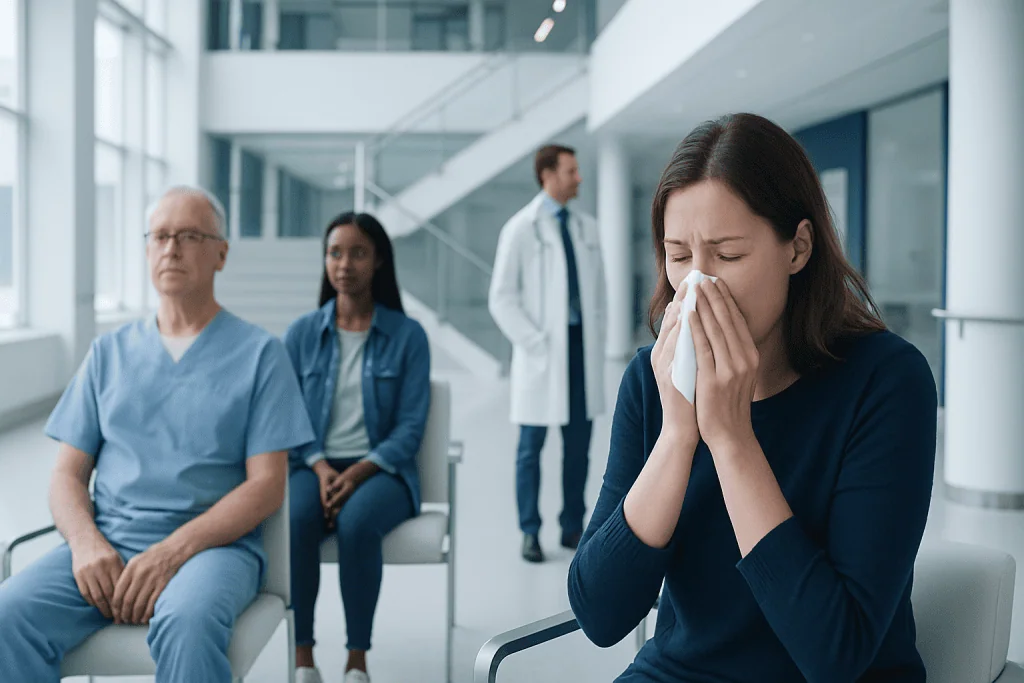
Sneezing is a normal protective reflex, not an illness by itself. Common triggers include allergies, viral infections, dust, smoke, cold air, and strong odors.
Key Takeaways
- Sneezing is a normal protective reflex, not an illness by itself.
- Common triggers include allergies, viral infections, dust, smoke, cold air, and strong odors.
- Repeated sneezing can happen when the nasal lining is inflamed or unusually sensitive.
- Most sneezing improves when the trigger is avoided or the underlying cause is treated.
- Medical advice is important if sneezing is persistent, severe, or linked with breathing problems, fever, or facial pain.
People sneeze because the body is trying to protect the airways. A sneeze is a fast reflex that helps remove irritants such as dust, pollen, mucus, or germs from the nose.
Overview: Why the body sneezes
People sneeze because the nose has a built-in defense system. When the lining of the nose detects something irritating—such as dust, pollen, smoke, germs, or excess mucus—it sends signals through nerves to the brain. The brain then coordinates a quick, forceful release of air through the nose and mouth to help clear the irritant.
This process is called the sneeze reflex. It is automatic, which means a person cannot fully control it once it starts. Although sneezing can be inconvenient, it is usually a healthy sign that the body is responding to its environment in the way it is designed to.
Sneezing itself is not a diagnosis. It is a symptom that can occur with everyday irritants, seasonal allergies, colds, sinus inflammation, or less commonly certain medications and nerve-related reflexes. Understanding the pattern—occasional versus frequent, isolated versus paired with other symptoms—can help explain what is behind it.
How the sneeze reflex works

The inside of the nose is lined with sensitive tissue rich in blood vessels, mucus-producing cells, and nerve endings. When this lining becomes irritated, the trigeminal nerve carries a message to a center in the brainstem. That center then triggers a sequence involving the eyes, throat, chest, and diaphragm.
Just before a sneeze, many people take a deep breath. The throat briefly closes, pressure builds in the chest, and then air is expelled rapidly. This helps push out tiny particles and mucus from the nasal passages. That is why sneezing often comes with a runny nose or watery eyes.
Not all sneezes are caused by infection. Some happen because the nasal nerves are extra sensitive. For example, a sudden change from a warm room to cold outdoor air, exposure to perfume, spicy food, or even bright sunlight can trigger sneezing in some people. This is one reason the answer to why do people sneeze is broader than simply “because they are sick.”
Common causes and triggers of sneezing

Many different conditions and exposures can trigger sneezing. Allergies are one of the most common reasons, especially when sneezing happens in clusters and is accompanied by itching, congestion, or clear nasal drainage. Pollen, dust mites, pet dander, mold, and animal fur are frequent allergy triggers. People with allergic rhinitis often notice symptoms at certain times of year or in specific indoor environments.
Upper respiratory infections are another major cause. With a cold or other viral infection, the nasal lining becomes inflamed and produces more mucus, which stimulates the sneeze reflex. Sneezing may appear early in the illness, along with sore throat, stuffy nose, or cough. Sinus irritation can also contribute, especially if the nose feels blocked or pressure develops around the cheeks or forehead.
Other common triggers include:
- Dust, smoke, air pollution, or chemical fumes
- Strong odors such as perfumes or cleaning products
- Cold air or rapid temperature changes
- Dry air that irritates the nasal lining
- Bright light, sometimes called the photic sneeze reflex
- Eating, especially spicy foods, in some people
- Nasal sprays, medicines, or withdrawal from certain medications in rare cases
In some situations, persistent sneezing may relate to structural or inflammatory nose conditions. A clinician may also consider problems such as sinusitis or nasal polyps if symptoms are ongoing and associated with blockage, facial pressure, or reduced sense of smell.
Why some people sneeze more than others
Some noses are simply more reactive. Genetics can influence how strongly the immune system responds to allergens and how sensitive nasal nerves are to irritation. A person with allergies, asthma, eczema, or a family history of these conditions may be more likely to sneeze frequently.
Environment matters as well. Living with indoor allergens, working around dust or chemicals, having pets, or spending time in polluted air can keep the nasal lining inflamed. Dry heated air in winter and high pollen levels in spring can also make sneezing more common.
Hormonal changes, pregnancy, and certain medications may increase nasal congestion or sensitivity, indirectly leading to more sneezing. Frequent sneezing does not always mean something serious is wrong, but when it becomes disruptive, persistent, or new for no clear reason, it may be worth discussing with a doctor to identify the trigger and choose appropriate care.
How doctors evaluate frequent sneezing
Most occasional sneezing does not need medical testing. If sneezing is frequent, long-lasting, or part of a larger pattern of nasal symptoms, a doctor will usually start with a detailed history. Important clues include when the sneezing began, whether it is seasonal, what exposures seem to trigger it, and whether there are associated symptoms such as itching, congestion, fever, cough, wheezing, or facial pain.
A physical examination often focuses on the nose, throat, ears, and sometimes the lungs. Pale or swollen nasal tissue may suggest allergies, while thick discharge and tenderness can point toward infection or sinus inflammation. If symptoms suggest an allergic cause, a clinician may recommend allergy testing. If there is concern about structural problems, persistent sinus disease, or polyps, nasal endoscopy or imaging may sometimes be considered.
When needed, treatment may be guided by the underlying cause rather than the sneeze itself. In patients with chronic nasal obstruction or recurrent sinus problems, an ENT specialist may discuss options ranging from medication to procedures such as septoplasty or endoscopic sinus surgery when appropriate.
Treatment and practical ways to reduce sneezing
The best way to reduce sneezing is to address the trigger. If allergies are involved, limiting exposure to pollen, dust mites, mold, or pets can help. Keeping windows closed during high-pollen days, showering after outdoor activity, washing bedding regularly, and using a vacuum with a HEPA filter may reduce allergen exposure at home.
For many people, supportive measures are enough. Saline nasal rinses or sprays can help wash out irritants and thin mucus. Using a humidifier in dry environments may reduce irritation, as long as the device is cleaned properly. Avoiding cigarette smoke, heavy fragrances, and harsh cleaning fumes can also make a noticeable difference.
When symptoms are more bothersome, a doctor may recommend treatments such as antihistamines, allergy-directed therapy, or nasal steroid sprays, depending on the cause. If recurrent sneezing is part of ongoing ENT disease, specialist care may be helpful. In selected cases, treatment of related nasal problems such as nasal polyp surgery may be discussed if polyps are contributing to chronic inflammation and blockage.
When to seek medical care
Sneezing is usually harmless and temporary, but medical advice is a good idea if it continues for weeks, keeps returning without a clear trigger, or interferes with sleep, work, or daily life. Care is also important when sneezing comes with a high fever, thick discolored nasal discharge, significant facial pain, shortness of breath, wheezing, or symptoms that suggest an allergic reaction.
Medical review may also be useful if there is recurrent nosebleeding, severe congestion on one side, loss of smell that does not improve, or concern about a new medication causing symptoms. Young children, older adults, and people with chronic lung disease or weakened immunity may need earlier evaluation if cold or allergy symptoms become pronounced.
For international patients who need assessment for persistent nasal or sinus symptoms, Acibadem International offers diagnosis and treatment through multidisciplinary specialists at JCI-accredited hospitals. The goal is to identify whether the issue is simple irritation, allergy, infection, or another ENT condition that needs targeted care.
Frequently asked questions
Is sneezing a good sign or a bad sign?
Sneezing is usually a normal protective reflex. It helps the body clear irritants and mucus from the nose. By itself, it is not usually a sign of a serious problem.
Why do some people sneeze many times in a row?
Repeated sneezing often means the nose is still irritated after the first sneeze. Allergies, viral infections, and strong environmental triggers can keep stimulating the nasal nerves. Some people also naturally have a more sensitive sneeze reflex.
Can bright light make a person sneeze?
Yes. Some people have a photic sneeze reflex, which means sudden exposure to bright light can trigger sneezing. This appears to be related to the way certain nerve signals are processed and is usually harmless.
Does sneezing always mean a cold or infection?
No. Sneezing can happen with allergies, dust exposure, smoke, cold air, perfume, spicy foods, or other irritants. Infection is only one of several possible causes.
What is the difference between allergy sneezing and cold-related sneezing?
Allergy-related sneezing often comes with itching, clear runny nose, and watery eyes, and it may follow a seasonal or environmental pattern. Cold-related sneezing is more likely to occur with sore throat, fatigue, body aches, or thicker mucus as the illness progresses. A doctor can help if the pattern is unclear.
Can holding in a sneeze be harmful?
It is generally better not to forcefully suppress a sneeze. Most of the time nothing serious happens, but holding one in can create unnecessary pressure in the ears and airways. Sneezing into a tissue or the elbow is a safer and more hygienic approach.
References
- American Academy of Allergy, Asthma & Immunology
- American Academy of Otolaryngology–Head and Neck Surgery
- Centers for Disease Control and Prevention
- National Institute of Allergy and Infectious Diseases
- Mayo Clinic
This article is for general information only and is not a substitute for professional medical advice. Please consult a qualified doctor about your individual situation.
Explore treatments in Turkey — costs, top hospitals & a free quote
JCI-accredited · board-certified surgeons · reply within 24h
Add us as a Preferred Source to see more of our trusted health content across Google Search, AI Overviews and Discover.