Why Do Women Have Periods? Here Is What the Evidence Says

Periods happen because hormones prepare the uterus for pregnancy each month, then the lining sheds if pregnancy does not occur. The menstrual cycle is controlled by the brain, ovaries, and uterus working together.
Key Takeaways
- Periods happen because hormones prepare the uterus for pregnancy each month, then the lining sheds if pregnancy does not occur.
- The menstrual cycle is controlled by the brain, ovaries, and uterus working together.
- Mild cramps, mood changes, and cycle variation can be normal, especially in adolescence or around perimenopause.
- Very heavy bleeding, severe pain, bleeding after menopause, or sudden major cycle changes need medical review.
- Doctors may use a history, physical exam, blood tests, imaging, or other assessments to find the cause of abnormal periods.
Periods are a normal biological process in which the uterus sheds its lining when pregnancy does not happen. In most cases this is harmless, but very heavy bleeding, severe pain, missed periods, or bleeding outside the usual cycle should be checked by a doctor.
Why periods happen
The short answer to “why do women have periods” is that the body prepares for a possible pregnancy each month. Hormones signal the ovaries to mature and release an egg, and at the same time the uterus builds a soft, blood-rich lining. If pregnancy does not happen, the body no longer needs that lining, so it breaks down and leaves through the vagina as a period.
For most people who menstruate, this is a normal and healthy sign that the reproductive system is responding to changing hormone levels. Periods usually begin during puberty and continue until menopause, although the timing, flow, and symptoms can vary from person to person and from one stage of life to another.
A period is not the body “getting rid of dirty blood,” and it is not a sign that something is wrong by itself. It is simply one phase of the menstrual cycle. Understanding this cycle can make periods feel less mysterious and help people recognize when bleeding patterns are likely normal and when they may need medical attention.
How the menstrual cycle works
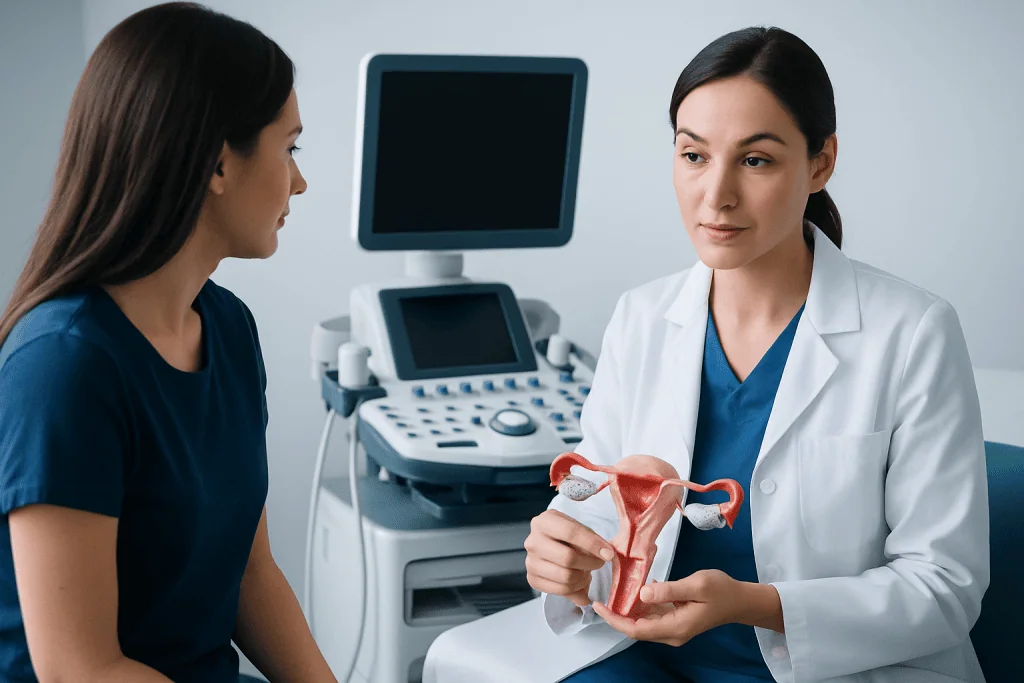
The menstrual cycle is guided by communication between the brain, the ovaries, and the uterus. Hormones released from the brain tell the ovaries to develop an egg. The ovaries then produce estrogen and progesterone, which help thicken and maintain the uterine lining.
In a typical cycle, ovulation happens when an ovary releases an egg. If sperm fertilizes that egg and it implants in the uterus, pregnancy begins and menstruation usually stops. If the egg is not fertilized, hormone levels fall, the uterine lining is no longer supported, and menstrual bleeding begins.
Cycle length is often described as about 28 days, but a healthy cycle can be shorter or longer. Many adults have cycles ranging from around 21 to 35 days, while adolescents may have more variation. A period may last a few days, and blood flow can be light, moderate, or heavier at different points in the same period.
This process is normal even though it can bring symptoms such as bloating, tiredness, breast tenderness, or cramps. These symptoms happen because the uterus contracts to help shed its lining and because hormone levels rise and fall during the cycle.
What is normal, and what may need attention

Many period changes are harmless. It is common for cycles to be somewhat irregular in the first years after periods begin, after pregnancy, during breastfeeding, and in the years leading up to menopause. Stress, travel, major exercise changes, illness, and body weight changes can also affect timing.
Some discomfort can be normal. Mild to moderate cramps, lower back pain, fatigue, and mood changes are common. However, symptoms are not considered “normal” just because they are common. If pain stops someone from going to school, work, or daily activities, or if bleeding feels much heavier than usual, a clinician should assess it.
Signs that deserve medical review include soaking through pads or tampons very quickly, bleeding between periods, periods that become suddenly much more frequent or very far apart, severe pelvic pain, fainting, shortness of breath, or bleeding after menopause. These symptoms can have many causes, including hormone imbalance, pregnancy-related issues, fibroids, polyps, thyroid disease, bleeding disorders, or conditions such as endometriosis.
Common reasons periods vary
Although the basic reason for periods is the monthly shedding of the uterine lining, the pattern of bleeding is influenced by many factors. Age is one of the most important. Cycles are often unpredictable early after puberty because ovulation may not happen regularly at first. Later in life, perimenopause can also bring skipped periods or changes in flow.
Hormonal contraception can make periods lighter, more regular, less painful, or sometimes absent. This does not usually mean the body is unhealthy. It reflects the way contraceptive hormones affect ovulation and the uterine lining. Other hormonal conditions can also change periods, including thyroid disorders and polycystic ovary syndrome.
Structural causes inside the uterus can affect bleeding too. These include fibroids, adenomyosis, and endometrial polyps. Infections, some medications, extreme physical training, eating disorders, and significant emotional stress can also disrupt the menstrual cycle.
When cycles are repeatedly painful or unusually heavy, doctors may also consider disorders involving the pelvic organs. For example, uterine growths may be investigated if symptoms suggest uterine fibroids. The cause is not always serious, but a proper assessment helps guide safe treatment.
How doctors evaluate period problems
If a person seeks medical advice for unusual periods, the first step is usually a detailed history. A doctor may ask about cycle length, how many days bleeding lasts, how heavy the flow is, whether there are clots, what pain feels like, whether sex is painful, current medications, contraception, pregnancy possibility, and any personal or family history of bleeding or endocrine disorders.
A physical examination may follow, depending on age, symptoms, and whether pelvic symptoms are present. Doctors may recommend blood tests to check for anemia, pregnancy, thyroid problems, hormone-related concerns, or infection. Keeping a menstrual diary or using a period-tracking app can be very helpful because it gives a clearer picture of timing and severity.
If symptoms suggest a structural cause, imaging may be used. Pelvic ultrasound is often a first-line test because it can show the uterus, ovaries, and surrounding structures. In some cases, further gynecologic assessment is needed to look more closely at the uterine cavity or to evaluate persistent pain.
Depending on the likely cause, assessment may lead to procedures or specialist care. For example, someone with significant uterine symptoms may be evaluated with a gynecology check-up or imaging. If there is concern about ovarian cysts, endometriosis, or other pelvic causes, doctors may suggest further management through gynecology care.
Treatment and symptom relief
Treatment depends on the reason for the symptoms, not just on the bleeding itself. If periods are normal but uncomfortable, general measures such as rest, hydration, gentle movement, and heat on the lower abdomen may help with cramps. Over-the-counter pain relief may also be useful for some people, but it should be used according to medical advice and product instructions.
When hormone imbalance is contributing to irregular or heavy periods, a doctor may discuss hormonal treatment options. Depending on age, health background, and pregnancy plans, these can include different forms of contraception or other medicines that regulate the cycle or reduce bleeding.
If a structural cause is found, treatment may be more targeted. Fibroids, polyps, ovarian cysts, or endometriosis-related disease can require monitoring, medication, or procedures. Some people may benefit from laparoscopy to diagnose or treat pelvic conditions, while others may need a hysteroscopic approach, imaging follow-up, or longer-term medical management.
Heavy bleeding can also cause iron deficiency or anemia, which may need separate treatment. Because there are many possible explanations for painful or abnormal periods, self-diagnosis is often unreliable. A qualified doctor can help identify the cause and choose the least invasive effective option.
Prevention, self-care, and cycle awareness
Periods themselves are not something that needs to be prevented, but tracking them can support health. Recording when bleeding starts, how long it lasts, how heavy it is, and whether pain or other symptoms occur can reveal patterns over time. This information is useful both for personal understanding and for medical visits.
Healthy routines may support more stable cycles in some people. These include regular sleep, balanced nutrition, stress management, and avoiding sudden extreme changes in exercise or body weight when possible. Good menstrual hygiene and using products that are changed regularly can also improve comfort and reduce irritation.
Self-care is most helpful when it is paired with realistic expectations. Some month-to-month variation is normal, and not every symptom points to disease. At the same time, ongoing severe pain, very heavy bleeding, or repeated missed periods should not be ignored simply because they have happened for a long time.
Near the end of the care pathway, specialist review may be helpful for persistent concerns. Acibadem International’s multidisciplinary specialists in JCI-accredited hospitals diagnose and treat menstrual and gynecologic conditions for international patients when further evaluation is needed.
When to seek medical care
Medical attention is important if bleeding is very heavy, if pain is severe, or if the pattern changes suddenly without an obvious reason. Urgent care may be needed for fainting, chest symptoms, severe weakness, intense one-sided pelvic pain, or very heavy bleeding that soaks through protection rapidly. Anyone who might be pregnant and has bleeding or pain should also seek prompt medical advice.
A doctor should also review bleeding between periods, periods that stop for several months without a known reason, new bleeding after menopause, or symptoms that interfere with everyday life. Adolescents with very heavy periods, adults with signs of anemia such as fatigue or shortness of breath, and anyone with persistent pelvic pain deserve proper assessment.
In many cases, the cause turns out to be manageable and not dangerous. The main goal of medical review is to rule out more significant problems, relieve symptoms, and protect overall health. Early evaluation can also prevent complications such as untreated anemia or delayed diagnosis of gynecologic conditions.
Frequently asked questions
Why do women have periods every month?
Periods happen because the body prepares for a possible pregnancy during each menstrual cycle. If no pregnancy occurs, hormone levels fall and the uterus sheds the lining it had built up.
Is it normal for periods to be irregular?
Some irregularity can be normal, especially during the first years after puberty, after pregnancy, during breastfeeding, and around perimenopause. If cycles are very far apart, suddenly change, or are paired with heavy bleeding or severe pain, a doctor should assess them.
Do periods mean a person is fertile?
Having periods often means the reproductive hormone system is active, but it does not guarantee fertility. Some people menstruate but do not ovulate regularly, and others may have fertility problems despite apparently regular cycles.
Why do periods cause cramps?
Cramps happen because the uterus contracts to help shed its lining. Mild to moderate cramping is common, but severe pain that disrupts normal activities should be medically evaluated.
Can stress affect periods?
Yes. Physical or emotional stress can affect hormone signals from the brain to the ovaries, which may delay ovulation or change bleeding patterns. Occasional changes are common, but repeated disruption deserves attention.
When is period bleeding considered too heavy?
Bleeding may be considered too heavy if protection needs to be changed very frequently, if clots are large, if bleeding lasts unusually long, or if it causes fatigue, dizziness, or symptoms of anemia. A clinician can help determine whether the amount is within a normal range.
References
- World Health Organization
- American College of Obstetricians and Gynecologists
- National Institute for Health and Care Excellence
- Centers for Disease Control and Prevention
- Office on Women's Health
This article is for general information only and is not a substitute for professional medical advice. Please consult a qualified doctor about your individual situation.
Explore treatments in Turkey — costs, top hospitals & a free quote
JCI-accredited · board-certified surgeons · reply within 24h
Add us as a Preferred Source to see more of our trusted health content across Google Search, AI Overviews and Discover.
Check your numbers in seconds
BMI, calories, due date, blood pressure and 30+ more clinical calculators — free, instant, doctor-reviewed ranges.