Why Does Alcohol Make You Pee? Here Is What the Evidence Says

Alcohol often makes people urinate more because it reduces the release of antidiuretic hormone, which normally helps the body retain water. Beer, wine, and spirits can all have this effect, though the amount consumed, alcohol strength, and added fluids also matter.
Key Takeaways
- Alcohol often makes people urinate more because it reduces the release of antidiuretic hormone, which normally helps the body retain water.
- Beer, wine, and spirits can all have this effect, though the amount consumed, alcohol strength, and added fluids also matter.
- More urination after drinking is usually harmless and short-lived, but ongoing urinary urgency, burning, blood, or fever are not typical.
- Hydration, pacing alcohol intake, and alternating with water may reduce dehydration and some urinary effects.
- A doctor may evaluate persistent symptoms with a history, physical exam, urine testing, and sometimes blood tests or imaging.
In most people, needing to urinate more after drinking alcohol is a normal short-term effect rather than a sign of disease. Alcohol can temporarily reduce the body's ability to conserve water, but persistent urinary symptoms, pain, blood in the urine, or severe dehydration should be medically reviewed.
Overview: the short answer
For most healthy adults, the answer to why does alcohol make you pee is straightforward: alcohol temporarily tells the body to let go of more water than usual. It does this mainly by reducing the release of a hormone called antidiuretic hormone, also known as vasopressin, which normally helps the kidneys reabsorb water and make less urine.
As a result, the kidneys send more water into the bladder for a few hours after drinking. This is why someone may notice more frequent trips to the bathroom, a larger volume of urine, and signs of dehydration such as thirst, dry mouth, or a headache the next morning.
In many cases, this effect is harmless and settles once the alcohol is out of the system and fluid balance is restored. The key point is that temporary increased urination after drinking is common, but symptoms such as pain, fever, blood in the urine, or urinary problems that continue when no alcohol is involved deserve medical attention.
How alcohol affects the kidneys and bladder
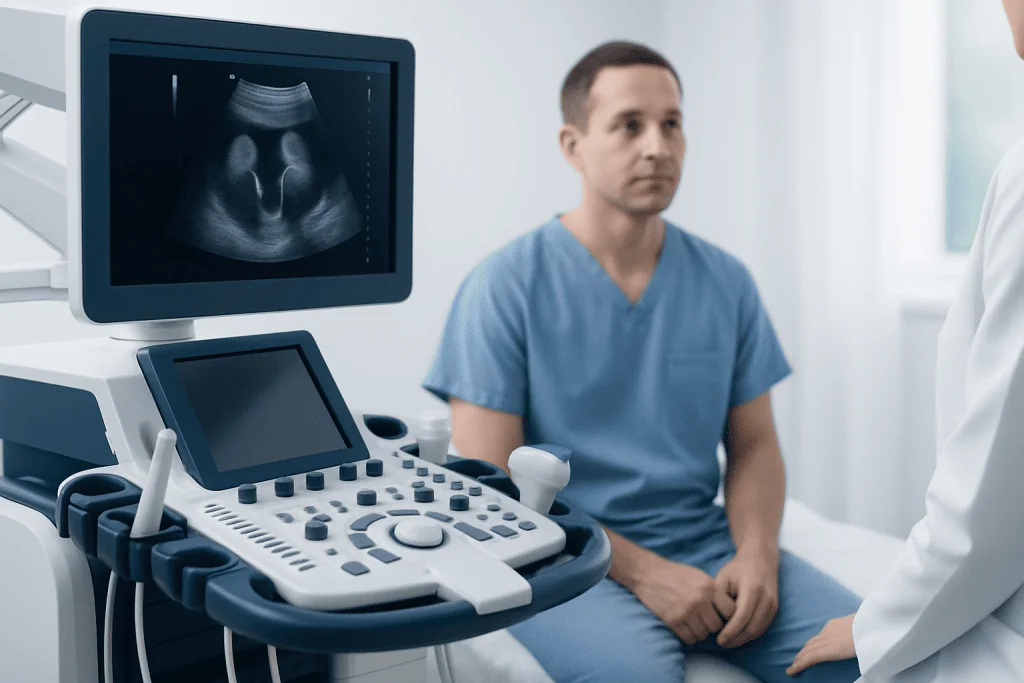
The kidneys continuously filter the blood and decide how much water and salt the body should keep. Antidiuretic hormone helps with that balancing process by signaling the kidneys to conserve water. Alcohol suppresses this hormone for a time, so the kidneys release more water into the urine.
This is why alcohol is often described as a diuretic. In simple terms, a diuretic increases urine production. The effect can vary from person to person, but it tends to be more noticeable when someone drinks quickly, drinks a larger amount, or drinks without eating or taking in enough nonalcoholic fluids.
Alcohol may also irritate the bladder in some people, especially if they already have bladder sensitivity. That irritation can create an added feeling of urgency even when the bladder is not very full. Someone with underlying urinary symptoms may therefore notice that drinking seems to worsen frequency or urgency beyond the hormone effect alone.
Frequent nighttime urination after drinking can also be partly explained by timing. If alcohol is consumed in the evening, the increased urine production may continue into the night, interrupting sleep and contributing to next-day fatigue.
Why the effect differs from person to person

Not everyone responds to alcohol in the same way. Body size, sex, age, medications, kidney function, hormone levels, and how much food was eaten beforehand can all influence how strong the diuretic effect feels. A smaller amount may trigger frequent urination in one person, while another notices little change.
The type of drink matters less than many people think, but it is not irrelevant. Beer can lead to more bathroom trips partly because it combines alcohol with a larger fluid volume. Spirits may contain more alcohol in a smaller volume, so their effect may depend more on how much is consumed and whether they are mixed with nonalcoholic drinks. Wine can fall somewhere in between.
Caffeine is another factor. Mixed drinks containing caffeinated soda or energy drinks may increase the sense of needing to urinate, especially in people who are sensitive to caffeine. Hot weather, exercise, vomiting, diarrhea, and not drinking water can amplify dehydration and make the after-effects feel worse.
People with conditions that affect blood sugar, kidney function, or the urinary tract may also notice stronger symptoms. If urination is frequent even without alcohol, it may be useful to think beyond drinking alone and discuss it with a clinician.
When it may be more than a normal alcohol effect
Although increased urination after drinking is often benign, certain symptoms suggest that something else may be going on. Burning with urination, pelvic pain, fever, chills, lower back pain, foul-smelling urine, or blood in the urine are not expected simply because alcohol was consumed. These symptoms can point to infection, stones, inflammation, or another urinary problem.
Persistent urinary frequency or urgency that happens on non-drinking days also deserves attention. In some people, alcohol may be revealing an underlying issue rather than causing the full problem by itself. Examples include overactive bladder, prostate enlargement, diabetes, and urinary tract infection. Related information may be helpful in articles on urinary tract infection and kidney stones.
Marked dehydration is another reason to be cautious. Warning signs include dizziness, fainting, confusion, very dark urine, a racing heartbeat, or being unable to keep fluids down. Heavy alcohol use can also contribute to electrolyte imbalance and other medical complications that need professional care.
If urination is extremely frequent, difficult to control, or associated with severe thirst and weight loss, a doctor may also consider conditions such as high blood sugar or hormonal imbalance. In that setting, the urinary change should not be assumed to be “just from alcohol.”
What a doctor may check
If someone seeks medical advice for frequent urination after drinking, the first step is usually a careful history. A doctor may ask how much alcohol is consumed, what type of drinks are involved, whether symptoms happen only after drinking, how long they last, and whether there is pain, fever, blood, leakage, or nighttime urination.
A physical exam may follow, along with simple tests. A urine test can look for infection, blood, sugar, and concentration. Blood tests may be used to assess kidney function, glucose levels, and electrolytes if dehydration or another medical cause is suspected. In selected cases, imaging of the kidneys or bladder may be recommended.
When symptoms suggest a structural or persistent bladder issue, further evaluation may be needed. Depending on the situation, doctors may use specialized testing or imaging, and some patients benefit from assessment by urology specialists. If there is concern about stones, obstruction, or recurrent urinary symptoms, imaging such as MRI may occasionally be part of the diagnostic process when clinically appropriate.
The goal of evaluation is not only to confirm that alcohol is the trigger, but also to rule out common conditions that can mimic or worsen alcohol-related urinary frequency. That approach helps keep care evidence-based and individualized.
What helps reduce frequent urination and dehydration
The most effective way to reduce alcohol-related urination is to drink less alcohol or avoid it when symptoms are troublesome. Drinking more slowly, spacing drinks out, and alternating alcoholic beverages with water may help reduce dehydration. Eating before or while drinking can also lessen the intensity of alcohol’s effects for some people.
It may help to avoid combining alcohol with large amounts of caffeine if urinary urgency is a problem. Some people also find that certain beverages trigger more bladder irritation than others, so tracking symptoms can be useful. If a person notices that symptoms are consistently worse with one type of drink, reducing or avoiding that trigger may help.
After drinking, rehydrating with water can support recovery. For mild dehydration, rest, fluids, and avoiding more alcohol are usually enough. If someone has repeated episodes of severe dehydration, vomiting, or inability to drink fluids, medical review is important.
People who already live with urinary conditions may benefit from specialist guidance. Depending on the cause, management could include lifestyle advice, testing, or treatments tailored to bladder or kidney health, sometimes with input from nephrology or other relevant teams.
When to seek medical care
Medical care is recommended if frequent urination after alcohol is accompanied by red flags such as pain or burning with urination, fever, chills, vomiting, severe dizziness, confusion, blood in the urine, new swelling, or significant back or side pain. These features are not typical of alcohol’s usual short-term diuretic effect.
A person should also arrange a routine medical review if urinary frequency persists for days, occurs even without drinking, or is linked with strong thirst, unexplained weight loss, leakage, or difficulty starting or emptying the bladder. These patterns can suggest an underlying condition that merits proper assessment.
Emergency care may be needed for severe dehydration, fainting, inability to pass urine, or signs of alcohol poisoning. Prompt evaluation is especially important in older adults, people with kidney disease, diabetes, heart disease, or those taking medications that affect fluid balance.
For international patients who need further evaluation, Acibadem International’s multidisciplinary specialists at JCI-accredited hospitals diagnose and treat urinary and kidney-related conditions with individualized care plans. The most appropriate next step depends on symptoms, overall health, and clinical findings.
Frequently asked questions
Is it normal to pee more after drinking alcohol?
Yes, in many people this is a normal short-term response. Alcohol reduces a hormone that helps the body retain water, so the kidneys make more urine for a period of time. If the symptom only happens after drinking and settles quickly, it is often harmless.
Does beer make you pee more than spirits?
Beer may seem more likely to do this because it often involves a larger total fluid volume along with alcohol. Spirits can also increase urination because the alcohol itself is the main driver. The overall amount consumed, drinking speed, and hydration status all matter.
Can alcohol irritate the bladder as well as increase urine?
Yes, some people find that alcohol seems to irritate the bladder and increase urgency. This may be more noticeable in people who already have bladder sensitivity or urinary symptoms. In those cases, alcohol can make urgency feel worse even beyond its diuretic effect.
Why do I feel dehydrated if I have been drinking a lot of liquid?
Alcohol can make the body lose water faster than it normally would, even when the drink itself contains fluid. That is why someone may still feel thirsty, tired, or have a dry mouth after drinking. Vomiting, sweating, hot weather, and caffeine can make this worse.
When should frequent urination after alcohol be checked by a doctor?
It should be checked if it comes with pain, burning, fever, blood in the urine, severe back pain, or symptoms of dehydration such as dizziness or fainting. A review is also sensible if urinary frequency keeps happening when no alcohol is involved. Persistent symptoms deserve a proper medical assessment.
Can alcohol-related peeing be a sign of diabetes or kidney disease?
Alcohol itself commonly causes temporary increased urination, but it can sometimes draw attention to an underlying condition. If there is excessive thirst, weight loss, swelling, persistent nighttime urination, or abnormal urine tests, a doctor may check for diabetes, kidney problems, or other causes. It is best not to self-diagnose based on one symptom alone.
This article is for general information only and is not a substitute for professional medical advice. Please consult a qualified doctor about your individual situation.
Explore treatments in Turkey — costs, top hospitals & a free quote
JCI-accredited · board-certified surgeons · reply within 24h
Add us as a Preferred Source to see more of our trusted health content across Google Search, AI Overviews and Discover.

More from the Health Library

Can Beets Cause Urine to Be Red? Causes, Explanations, and Next Steps
Heat Exhaustion Symptoms Explained: Common Triggers and Red Flags

How Do You Remove Acne Scars Naturally? Here Is What the Evidence Says

Can You Take Too Much Creatine? A Doctor-Reviewed Answer

Himalayan Salt vs Sea Salt: Key Differences and How Doctors Tell Them Apart