Why Is Pain So Intense After Knee Replacement?
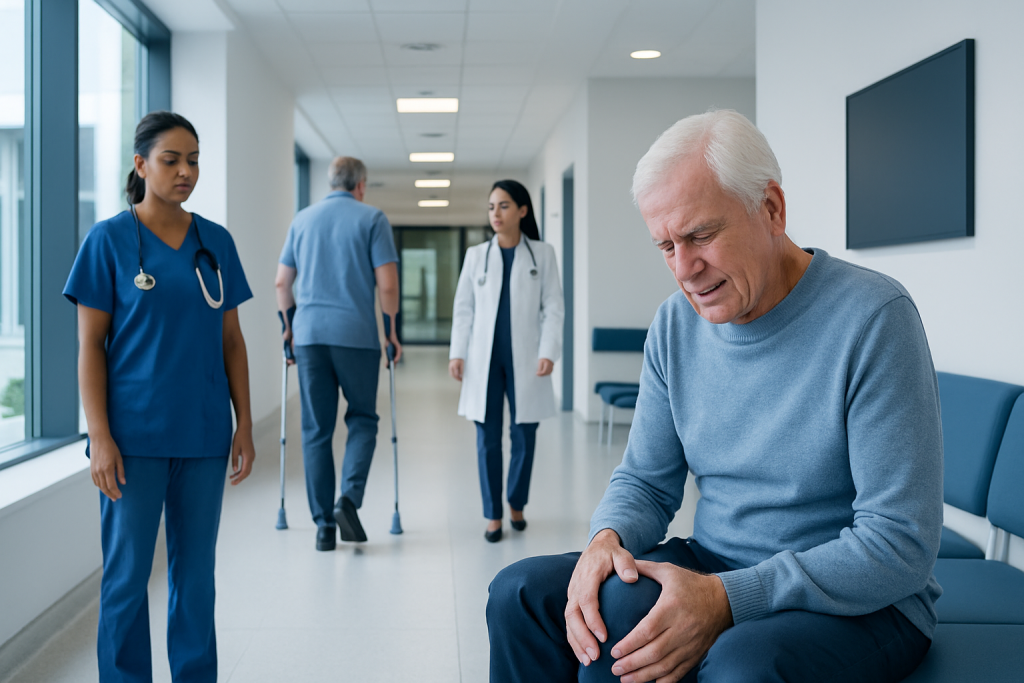
Moderate to significant pain is common after knee replacement, especially early in recovery. Surgical tissue healing, swelling, inflammation, and muscle weakness can all increase pain.
Key Takeaways
- Moderate to significant pain is common after knee replacement, especially early in recovery.
- Surgical tissue healing, swelling, inflammation, and muscle weakness can all increase pain.
- Pain should gradually improve, although recovery speed varies from person to person.
- Physical therapy, medication, icing, elevation, and gentle movement are key parts of pain relief.
- Severe worsening pain, fever, redness, drainage, or calf swelling should be assessed promptly.
Pain after knee replacement can feel intense in the first days and weeks because surgery affects bone, soft tissues, and nerves while the joint begins to heal. In most cases, discomfort improves steadily with time, rehabilitation, swelling control, and a personalized treatment plan.
Overview
Pain after knee replacement is a common part of recovery, and for many people it feels stronger than expected at first. This happens because knee replacement surgery involves removing damaged joint surfaces, placing implants, and working through skin, muscles, ligaments, and other soft tissues. The body responds with inflammation and swelling, both of which can make the knee feel sore, tight, warm, and difficult to move.
Although the early stage can be challenging, intense discomfort does not always mean that something is wrong. In most cases, pain is most noticeable in the first days to weeks, then gradually lessens as healing progresses. Recovery is not identical for everyone, and pain levels can be influenced by age, overall health, pre-existing pain, activity level, sleep quality, and how the rehabilitation plan is followed.
It is also important to remember that knee replacement recovery involves more than the knee joint itself. Muscles around the thigh and calf may become weak or stiff, balance may temporarily change, and normal walking patterns need to be relearned. These factors can add to discomfort, especially during standing, walking, bending, and physical therapy exercises.
Why the Pain Can Feel So Intense
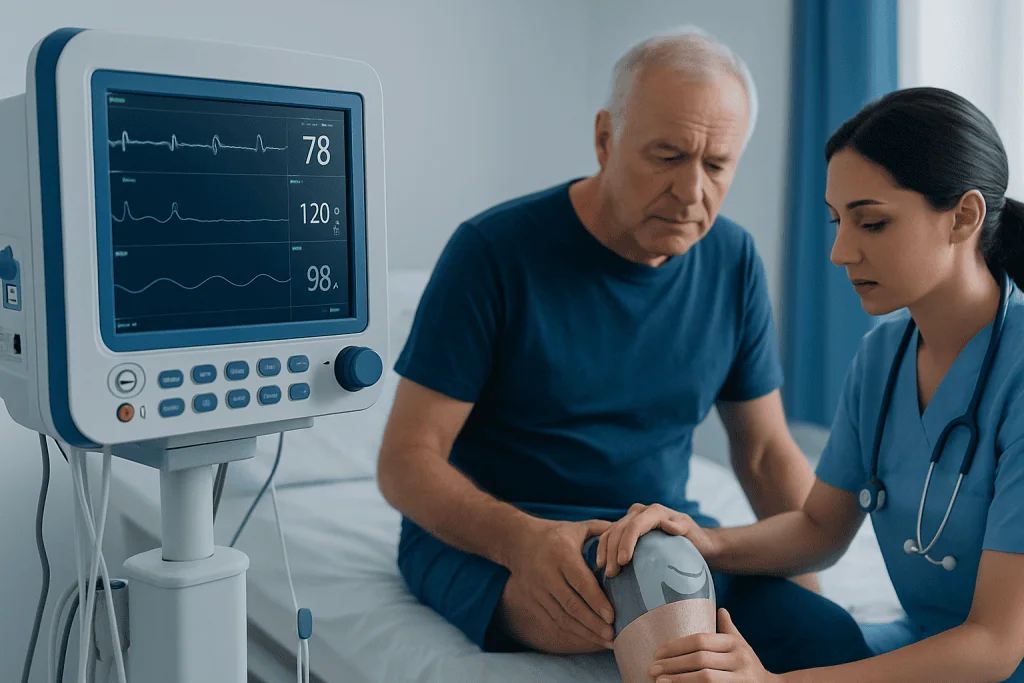
Several reasons explain why pain after knee replacement can seem very intense. First, surgery causes controlled trauma to the tissues. Even when the operation goes well, the body still needs time to repair the skin incision, deeper tissues, and bone surfaces around the new joint. This healing response naturally triggers pain signals.
Second, swelling can create pressure inside and around the knee. A swollen joint may feel heavy, throbbing, or tight, and this pressure can make movement more painful. Many patients notice that discomfort increases later in the day or after doing too much activity, even if they felt better earlier.
Third, nerves around the surgical area can become temporarily irritated. This may lead to burning, tingling, numbness, or sharp sensitivity around the scar or front of the knee. These sensations are often part of the healing process, though they should still be discussed with the care team if they are severe or persistent.
Finally, movement itself can be uncomfortable at first because the knee is stiff and surrounding muscles are weak. Exercises used in physical therapy and rehabilitation are essential for recovery, but they may temporarily increase soreness. This does not necessarily mean harm; often it reflects the joint and muscles adapting to a new range of motion and a more normal walking pattern.
Common Symptoms During Recovery

Normal healing after knee replacement often includes more than just pain. Patients may notice aching, tenderness around the incision, swelling, bruising, stiffness, warmth, and discomfort when changing positions. Sleep can also be disrupted, and many people feel frustrated when the knee does not improve as quickly as they hoped.
Pain can vary in quality. Some people describe it as deep aching in the joint, while others report pressure, tightness, or stabbing pain during certain movements. Mild clicking or awareness of the artificial joint may also be noticed. These experiences can be normal if they improve over time.
Common symptoms during recovery may include:
- Pain with walking, standing, or climbing stairs
- Stiffness, especially in the morning or after resting
- Swelling around the knee, lower leg, or ankle
- Warmth near the incision area
- Muscle soreness in the thigh or calf
- Difficulty bending or fully straightening the knee
Because symptoms can overlap with complications, patients should stay in contact with their surgeon and rehabilitation team. The pattern matters: pain that slowly improves is usually more reassuring than pain that suddenly becomes much worse after initial progress.
Causes of Ongoing or Worsening Pain
While early pain is expected, pain that remains severe or worsens over time may have additional causes. Sometimes the reason is not dangerous, such as overactivity, inadequate rest, muscle strain, or difficulty regaining motion. In other situations, the pain may relate to a medical issue that needs timely evaluation.
Possible causes of prolonged or increasing pain include excessive swelling, scar tissue formation, nerve irritation, poor muscle control, or problems in nearby areas such as the hip, lower back, or opposite leg. Conditions like osteoarthritis in other joints can also change how a person walks and place extra stress on the recovering knee.
More serious causes can include infection, blood clot, joint instability, limited range of motion, implant alignment problems, or persistent inflammation. Rarely, pain may continue because of complex pain sensitization, where the nervous system remains unusually reactive after surgery. This is one reason a careful medical review is important when recovery does not follow the expected course.
Risk factors for a more painful recovery can include severe preoperative knee pain, obesity, diabetes, smoking, anxiety or depression, poor sleep, limited physical conditioning, and previous knee operations. These factors do not mean that recovery will go badly, but they can affect the pace and comfort of healing.
How Doctors Evaluate Post-Replacement Pain
If pain after knee replacement is more intense than expected, doctors usually begin with a detailed history and physical examination. They will ask when the pain started, where it is located, what makes it better or worse, whether swelling is increasing, and whether there are signs such as fever, drainage, or calf tenderness. The way the person walks and moves the knee can provide important clues.
The examination may assess the incision, temperature and color of the skin, degree of swelling, range of motion, strength, and stability of the joint. Doctors may also examine the hip, ankle, spine, and blood flow in the leg because pain can sometimes come from more than one source.
Tests may be recommended if there is concern about a complication. These can include blood tests for inflammation or infection, imaging such as X-rays, and in some cases ultrasound or advanced imaging. The goal is to determine whether the pain is part of expected recovery or whether targeted treatment is needed. When surgery has been performed for advanced knee osteoarthritis, the evaluation also helps distinguish old pain patterns from new postoperative problems.
Treatment Options and Pain Relief
Managing pain after knee replacement usually requires a combination of approaches. Doctors often use a multimodal plan, meaning different methods are combined so that pain can be controlled while movement and rehabilitation continue. This may include prescription or nonprescription pain medicines, anti-inflammatory medicines when appropriate, ice therapy, compression, elevation, and guided exercises.
Movement is an important part of treatment. Even though rest helps, too much rest can worsen stiffness and delay recovery. A structured rehabilitation plan helps the knee regain flexibility, strength, and function without overloading the joint. Some patients also benefit from knee replacement follow-up programs that monitor progress and address lingering symptoms.
Helpful strategies often include:
- Taking medications exactly as instructed by the medical team
- Using ice packs for short periods to reduce swelling
- Elevating the leg above heart level when advised
- Doing home exercises regularly but not excessively
- Using walking aids safely until strength and balance improve
- Attending follow-up visits and rehabilitation sessions
If pain remains significant, doctors may adjust the rehabilitation plan, review medication options, or investigate less common causes. In selected cases, additional procedures or treatments may be considered. If symptoms suggest a structural problem or a complication, assessment by an orthopedic surgery team may be needed to guide further care.
Self-Care, Prevention, and Recovery Tips
Some discomfort cannot be fully prevented after surgery, but patients can take practical steps to support a smoother recovery. Following the surgeon’s and physiotherapist’s instructions is one of the most effective ways to reduce unnecessary pain. The right balance of exercise and rest is especially important, since doing too little may increase stiffness while doing too much may trigger swelling and soreness.
Good self-care includes regular icing, elevation, hydration, balanced nutrition, and sleep support. Comfortable positioning in bed, short walks at regular intervals, and gradual increases in activity are often more helpful than pushing through severe pain. Many patients find that keeping a simple recovery diary helps them notice overall progress, even when day-to-day changes feel small.
Before and after surgery, general health habits can influence recovery. Not smoking, controlling blood sugar, maintaining a healthy weight, and strengthening the body beforehand may improve healing. If a patient is preparing for surgery because of severe joint damage, doctors may also discuss whether robotic knee replacement is suitable in selected cases, depending on anatomy, goals, and the surgical team’s approach.
Near the end of recovery planning, some international patients choose care in specialized centers. Acibadem International’s multidisciplinary specialists and JCI-accredited hospitals diagnose and treat knee conditions and support recovery after joint replacement with coordinated orthopedic and rehabilitation care.
When to See a Doctor
It is wise to contact a doctor if pain after knee replacement is not improving at all, if it suddenly worsens, or if it prevents basic movement despite following the recovery plan. Pain that remains severe beyond the expected early period deserves medical review, especially when it comes with growing stiffness or loss of function.
Urgent assessment is important if there are warning signs of infection or a blood clot. These can include fever, chills, increasing redness, drainage from the incision, marked warmth, severe calf pain, or significant swelling in one leg. Chest pain or shortness of breath needs immediate emergency care.
Patients should also seek advice if they hear a new popping sound with instability, cannot bear weight, or feel that the knee is giving way repeatedly. Early evaluation can help identify treatable causes and may prevent a small problem from becoming more difficult to manage.
Frequently asked questions
How long is pain expected after knee replacement?
Pain is usually strongest in the first days and weeks after surgery, then gradually improves over the following months. Some soreness, stiffness, or swelling can continue for a while as healing and rehabilitation progress. Recovery timing varies from person to person.
Is severe pain after knee replacement always a sign of a problem?
Not always. Strong pain can be part of normal early healing because bone, soft tissues, and nerves have been affected by surgery. However, pain that suddenly worsens, does not improve, or comes with fever, redness, or drainage should be assessed by a doctor.
Why does pain feel worse at night or after activity?
Pain may feel stronger later in the day because swelling often builds after walking, exercises, or standing. At night, fewer distractions and stiffness after periods of rest can also make discomfort more noticeable. Pacing activity and using swelling-control measures may help.
Can physical therapy make knee replacement pain worse?
Physical therapy can cause temporary soreness, especially early in recovery, but it is an important part of regaining movement and strength. The goal is steady progress, not pushing through severe pain. If therapy seems to cause significant worsening, the rehabilitation plan may need adjustment.
What helps relieve pain after knee replacement?
Pain relief usually works best with a combination of methods, such as medication, ice, elevation, gentle movement, and a structured exercise plan. Rest is useful, but too much rest can worsen stiffness. Patients should follow the advice of their surgeon and physiotherapist.
When should someone worry about pain after knee replacement?
A doctor should be contacted if pain is getting worse instead of better, if the knee becomes increasingly red or swollen, or if there is fever, drainage, or calf pain. Difficulty bearing weight or a feeling that the joint is unstable also deserves prompt evaluation. Emergency care is needed for chest pain or shortness of breath.
References
- American Academy of Orthopaedic Surgeons
- National Institute for Health and Care Excellence
- National Institute of Arthritis and Musculoskeletal and Skin Diseases
- Centers for Disease Control and Prevention
- Arthritis Foundation
This article is for general information only and is not a substitute for professional medical advice. Please consult a qualified doctor about your individual situation.
Joint and spine care in Turkey — expert assessment & treatment
JCI-accredited · board-certified surgeons · reply within 24h
Add us as a Preferred Source to see more of our trusted health content across Google Search, AI Overviews and Discover.

Orthopedics & Spine
Care for bones, joints and the musculoskeletal system, including joint replacement, sports injuries and trauma.
125 specialists in this unit