Why Testicles Shrink and When to Seek Care

Testicular size naturally varies between individuals, and a small difference between sides is common. True testicular shrinkage, also called testicular atrophy, may affect hormone production or fertility depending on its cause.
Key Takeaways
- Testicular size naturally varies between individuals, and a small difference between sides is common.
- True testicular shrinkage, also called testicular atrophy, may affect hormone production or fertility depending on its cause.
- Varicocele, inflammation, infection, hormone conditions, injury, and some treatments can contribute to shrinking.
- Sudden pain or swelling needs urgent medical assessment to rule out testicular torsion and other time-sensitive problems.
- A physical examination, ultrasound, and selected blood tests can help clarify the reason for a size change.
Testicles can appear or become smaller for several reasons, including normal aging, reduced testosterone production, a varicocele, prior infection, injury, or certain medicines and treatments. A new, one-sided, painful, or progressive change should be assessed by a qualified clinician because the cause—not size alone—guides care.
Testicles Shrink: What Medical Evidence Shows
When testicles shrink, the medical term is testicular atrophy. It means that one or both testes have lost some volume or firmness compared with their previous size. This can happen gradually or, less commonly, be noticed after an illness, injury, infection, or treatment. The change may be harmless in some circumstances, but it is worth discussing with a clinician when it is new, persistent, or accompanied by other symptoms.
Testicular size differs naturally from person to person. It is also common for one testicle to hang lower or be slightly larger than the other. What matters most is a clear change from the individual’s usual appearance or feel, especially if it affects only one side. A person should avoid trying to diagnose the cause by touch alone, since the scrotum, surrounding veins, and epididymis can all influence how the area feels.
The testes have two main roles: producing sperm and making testosterone. Depending on the underlying cause, testicular atrophy may have no noticeable effect, or it may be associated with reduced fertility, lower testosterone symptoms, discomfort, or changes in sexual function. Timely assessment can identify conditions that are treatable and can help protect long-term reproductive and hormonal health.
Changes That May Occur Alongside Smaller Testicles
Some people notice smaller or softer testicles during bathing, dressing, or self-examination. Others first notice related symptoms, such as a dull scrotal heaviness, an ache that worsens after standing, reduced sexual desire, erectile difficulties, lower energy, reduced body or facial hair growth, or difficulty conceiving. These symptoms do not confirm a particular diagnosis, but they can guide the clinical evaluation.
A gradual change on both sides may suggest a hormonal, medication-related, systemic, or age-related factor. One-sided shrinkage may occur with a varicocele, previous injury, inflammation, infection, impaired blood supply, or an undescended testicle history. A lump, hard area, increasing swelling, or a new feeling of heaviness should not be assumed to be atrophy and should be examined.
Not all changes in scrotal appearance reflect a change in the testes themselves. Cold temperatures, stress, exercise, and the cremaster muscle can temporarily draw the testes closer to the body. Fluid around a testicle, enlarged veins, a hernia, or swelling of nearby tissues may also change the scrotum’s appearance. A clinician can distinguish these situations with an examination and, when needed, ultrasound imaging.
- Seek urgent assessment for sudden severe testicular pain, especially with nausea or vomiting.
- Arrange a prompt appointment for a persistent lump, hardening, unexplained swelling, or a progressive one-sided change.
- Discuss symptoms of low testosterone or fertility concerns even when there is no pain.
Why Testicles Can Shrink

There are several possible causes of testicular atrophy. Normal aging can be associated with gradual changes in testosterone levels and testicular tissue, although significant or rapid shrinkage should not automatically be attributed to age. Conditions affecting the brain, pituitary gland, or testes can reduce the hormonal signals needed for normal testicular function.
A varicocele is an enlargement of veins in the scrotum and is a common potentially correctable cause of impaired testicular growth or volume, particularly on the left side. It may cause a dragging discomfort or feel like a collection of enlarged veins. Varicoceles do not always need treatment, but assessment is important when there is pain, testicular size difference, abnormal semen results, or fertility concerns. Varicocele information may help patients understand this condition in more detail.
Inflammation or infection, including orchitis and some sexually transmitted infections, can injure testicular tissue in some cases. Previous testicular torsion, trauma, surgery, radiation therapy, chemotherapy, or an undescended testicle may also affect size or function. Anabolic-androgenic steroids and testosterone used without appropriate medical supervision can suppress the body’s own hormonal signaling and lead to reduced testicular volume. Heavy alcohol use, certain chronic illnesses, and some medicines may contribute as well.
In some cases, reduced testicular size is associated with genetic or endocrine conditions, such as primary testicular failure or pituitary disorders. These causes need individualized assessment. The aim is not simply to restore size; it is to identify whether hormone production, sperm production, comfort, and overall health may be affected.
How Clinicians Evaluate Testicular Shrinkage
Evaluation usually begins with a sensitive, confidential discussion about when the change was noticed, whether it affects one or both sides, and any pain, injury, fever, urinary symptoms, fertility concerns, or sexual symptoms. A clinician may also ask about childhood history, including undescended testes, previous surgery, infections, cancer treatments, medicines, supplements, and use of anabolic steroids.
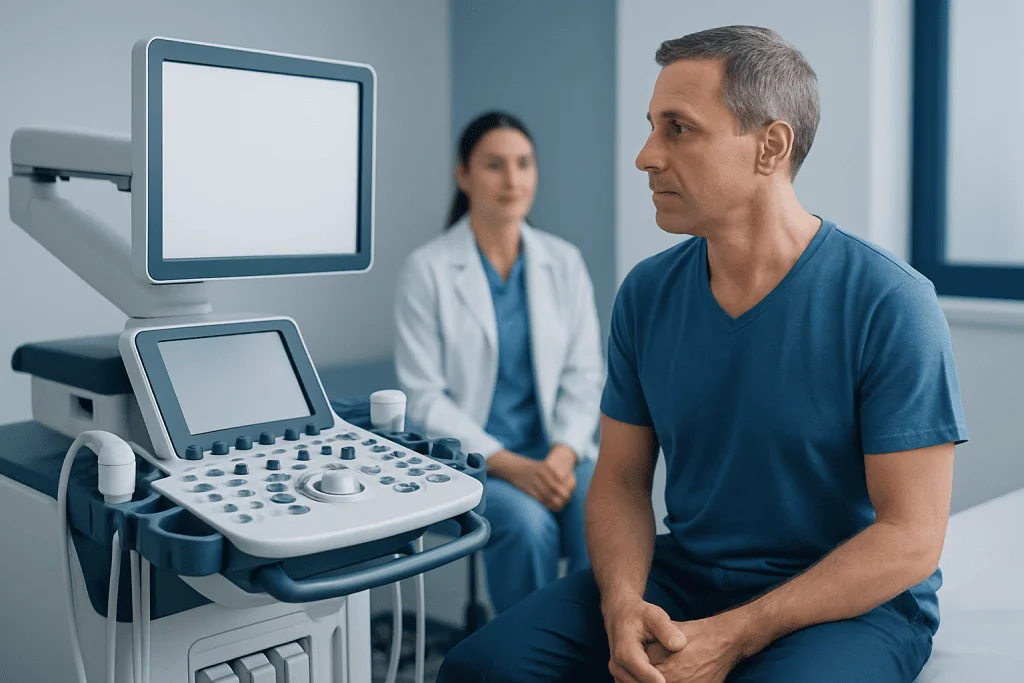
A physical examination can assess testicular size and consistency, the epididymis, veins, fluid, hernias, and signs of inflammation. Scrotal ultrasound is often the preferred imaging test when there is uncertainty about anatomy, a suspected varicocele, a lump, a size difference, or pain. It is noninvasive and can assess the testes and blood flow without using radiation.
Blood tests may be appropriate when symptoms or examination suggest a hormonal issue. These can include morning testosterone and selected pituitary or reproductive hormone tests. Semen analysis may be recommended for people trying to conceive or those with a history suggesting possible impaired sperm production. Testing is chosen according to the individual situation; not everyone needs every test.
A diagnosis is based on the overall pattern rather than a single measurement. If a concern about cancer arises, clinicians arrange timely specialist assessment. Most scrotal changes are not cancer, but early evaluation is the safest way to clarify the cause.
Treatment Depends on the Cause and Personal Goals
There is no single treatment for testicles that shrink. Management focuses on the cause, whether there are symptoms, and the person’s priorities regarding comfort, hormones, sexual health, and fertility. If the size difference is stable and testing is reassuring, monitoring may be all that is needed. Follow-up can be useful to ensure that symptoms or size do not change over time.
Infections or inflammation may need targeted treatment, while a symptomatic varicocele may be managed with observation, supportive measures, or a procedure in selected cases. Varicocele treatment can be considered when a specialist judges that intervention may benefit pain, testicular development, or fertility. Prior torsion or significant injury may require individualized follow-up to assess remaining testicular function.
When low testosterone is confirmed, clinicians first look for the underlying reason. Testosterone therapy may be appropriate for some people with clear symptoms and repeatedly low levels, but it can suppress sperm production and reduce testicular size further. Therefore, it is not usually the first choice for people currently trying to conceive without specialist guidance. Fertility-preserving options depend on the diagnosis and should be discussed with an endocrinologist, urologist, or reproductive specialist.
People who have had chemotherapy, radiation, or surgery affecting the testes may benefit from ongoing endocrine and fertility assessment. Before treatments that could affect fertility, sperm banking may be discussed where feasible. Care is individualized, and no treatment can guarantee restoration of testicular size or fertility.
Prevention and Everyday Self-Care
Not every cause of testicular atrophy can be prevented, but practical steps can support testicular health. Avoiding non-prescribed anabolic steroids and “testosterone boosters” is particularly important. These products may contain unlisted ingredients or interfere with natural hormone signaling. Anyone using prescribed testosterone or other hormone therapy should have regular follow-up rather than changing treatment independently.
Protective athletic equipment can reduce the risk of testicular trauma during contact sports or activities with a risk of impact. Safer-sex practices and timely testing for sexually transmitted infections can lower the likelihood of infections that may affect the reproductive organs. Vaccination against mumps according to local public health recommendations also helps prevent mumps-related orchitis.
A healthy lifestyle cannot reverse every cause of shrinkage, but avoiding tobacco, limiting alcohol, maintaining a healthy weight, managing long-term conditions, sleeping adequately, and staying physically active support general vascular and hormonal health. A monthly self-awareness routine, rather than anxious repeated checking, can help a person recognize new lumps, persistent asymmetry, or changes in firmness.
Home remedies, supplements, or exercises should not be relied on to enlarge the testes. There is no good evidence that they reverse true atrophy, and some marketed products can be unsafe. Professional assessment is more useful when a real change is suspected.
When to Seek Medical Care
Urgent medical care is needed for sudden severe pain in one testicle, particularly if pain begins quickly or is associated with nausea, vomiting, swelling, or a high-riding testicle. These may be signs of testicular torsion, in which blood flow can be reduced. Torsion is time-sensitive, so people should seek emergency care rather than wait for symptoms to settle.
A non-urgent but timely medical appointment is appropriate for testicles that appear to shrink over weeks or months, a new or persistent size difference, a lump, firmness, swelling, recurrent discomfort, reduced libido, erectile difficulties, breast enlargement, or fertility concerns. A clinician can explain which tests are appropriate and provide reassurance when findings are benign.
Acibadem International’s multidisciplinary specialists and JCI-accredited hospitals can assess scrotal and hormonal concerns for international patients, with urology, endocrinology, imaging, and fertility services involved as needed. The right care plan depends on the cause and should be made with a qualified healthcare professional.
Frequently asked questions
Can testicles shrink naturally with age?
Some gradual changes in testicular tissue and testosterone production can occur with aging. However, a noticeable, rapid, or one-sided change should be assessed rather than assumed to be age-related. A clinician can check for other explanations, including hormonal conditions and varicocele.
Can testosterone therapy make testicles shrink?
Yes. External testosterone can reduce the hormonal signals that stimulate the testes, which may decrease sperm production and testicular volume. It can be medically appropriate for selected patients, but fertility goals should be discussed before starting treatment.
Does a varicocele cause testicular shrinkage?
A varicocele can be associated with reduced testicular growth or volume in some people, particularly when it is significant or longstanding. Not every varicocele causes symptoms or needs a procedure. Assessment is recommended when there is pain, a size difference, infertility, or abnormal semen testing.
Can testicular shrinkage be reversed?
Whether improvement is possible depends on the cause and how long it has been present. Treating an infection, correcting a varicocele in selected cases, or addressing a hormonal problem may help protect function, but size may not always return fully. The main goal is to preserve health, hormone function, and fertility where possible.
Is one testicle being smaller than the other normal?
A mild difference in size or position is common and often normal. A new, increasing, or clearly marked difference should be checked, especially if there is pain, a lump, or a change in firmness. Ultrasound may be used if the examination is uncertain.
What tests are used for shrinking testicles?
A clinician may perform a physical examination and order a scrotal ultrasound to assess testicular structure and blood flow. Depending on symptoms and goals, blood tests for hormones and a semen analysis may also be considered. The specific tests depend on the suspected cause.
This article is for general information only and is not a substitute for professional medical advice. Please consult a qualified doctor about your individual situation.
Explore treatments in Turkey — costs, top hospitals & a free quote
JCI-accredited · board-certified surgeons · reply within 24h
Add us as a Preferred Source to see more of our trusted health content across Google Search, AI Overviews and Discover.

More from the Health Library

Hell’s itch: Symptoms, Causes, and Treatment — Complete Patient Guide

Broken Tooth: A Complete Medical Overview

Synovial: What Patients Need to Know

Coagulation Clotting: An Evidence-Based Guide for Patients

Asphyxiation: An Evidence-Based Guide for Patients