Wireless Capsule pH Monitoring: Testing Acid Reflux Without a Nasal Tube

Wireless capsule pH monitoring tracks acid in the esophagus for 48 hours or longer without a nasal tube. It is commonly used to evaluate persistent heartburn, regurgitation, chest discomfort, chronic cough, or throat symptoms linked to reflux.
Key Takeaways
- Wireless capsule pH monitoring tracks acid in the esophagus for 48 hours or longer without a nasal tube.
- It is commonly used to evaluate persistent heartburn, regurgitation, chest discomfort, chronic cough, or throat symptoms linked to reflux.
- The test helps doctors confirm GERD, assess symptom patterns, and check how well treatment is working.
- A small capsule is attached during endoscopy and usually passes naturally through the digestive tract.
- Patients typically continue normal daily activities and record meals, sleep, and symptoms during monitoring.
Wireless capsule pH monitoring is a modern test that measures acid exposure in the esophagus without a catheter passing through the nose. It can help confirm gastroesophageal reflux disease (GERD), connect symptoms to reflux episodes, and guide treatment decisions more comfortably for many patients.
Overview
Wireless capsule pH monitoring is a diagnostic test used to measure how often stomach acid moves up into the esophagus. The esophagus is the tube that carries food from the mouth to the stomach. When acid repeatedly flows backward, it can cause symptoms such as heartburn, regurgitation, chest discomfort, chronic cough, or throat irritation. This backward flow is commonly called acid reflux, and when it becomes frequent or troublesome it may be diagnosed as gastroesophageal reflux disease (GERD).
Traditional pH monitoring often uses a thin catheter placed through the nose into the esophagus for about 24 hours. Wireless capsule pH monitoring offers another option. Instead of a nasal tube, a small capsule is temporarily attached to the lining of the esophagus. It sends pH data to a receiver that the patient carries or wears, allowing monitoring while the person goes about normal daily activities.
This test is especially useful when symptoms are unclear, when reflux treatment has not provided enough relief, or when a doctor wants objective evidence of acid exposure before planning further care. It can also help distinguish acid-related symptoms from other possible causes. For many people, the wireless approach feels less intrusive than catheter-based testing.
How the Test Works
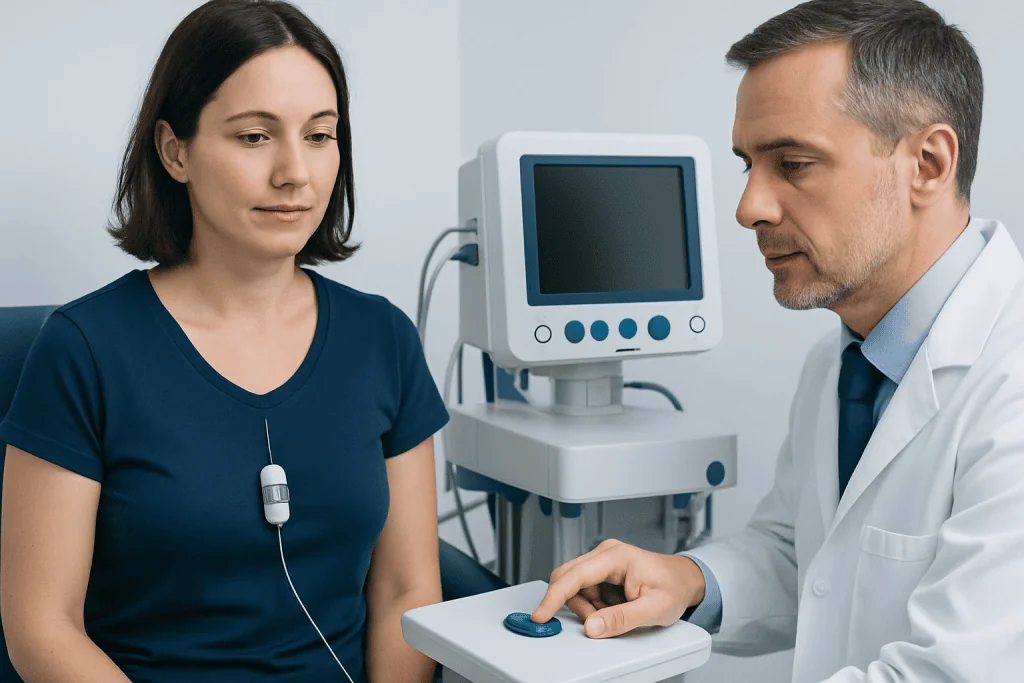
The capsule used in wireless pH monitoring is very small and is placed in the lower esophagus, usually during an upper endoscopy. Once attached, it continuously measures the acidity level in that area for a set period, often 48 hours and sometimes longer depending on the system used. The information is transmitted to a recording device kept close to the body.
During the monitoring period, the patient is usually asked to eat, sleep, work, and perform regular routines as normally as possible. This is important because the goal is to capture what happens in everyday life rather than in an artificial setting. The patient also records symptoms such as heartburn, cough, chest pain, hoarseness, or regurgitation, along with meal times and when they lie down.
After the study ends, the stored data are analyzed by the medical team. They look at how often acid reflux occurs, how long episodes last, and whether symptoms happen at the same time as acid exposure. This can provide a clearer picture than symptoms alone. In some cases, the findings are considered together with other tests such as upper endoscopy or esophageal manometry to better understand esophageal function.
Who May Need Wireless Capsule pH Monitoring

A doctor may recommend wireless capsule pH monitoring for people with symptoms that suggest reflux but are not fully explained by history, examination, or initial treatment. Common examples include persistent heartburn, sour-tasting fluid coming up into the throat, non-cardiac chest discomfort, chronic cough, throat clearing, hoarseness, or symptoms that worsen after meals or when lying down.
The test can also be helpful when symptoms continue despite reflux medications, when a person cannot tolerate a nasal catheter, or when a specialist needs objective proof of acid reflux before considering advanced treatment. Some patients are evaluated before anti-reflux procedures or surgery, while others need testing to understand whether their symptoms are truly due to acid reflux.
Wireless monitoring is not the right choice for every person. Suitability depends on the patient’s age, anatomy, swallowing function, medical history, and whether an endoscopy is appropriate. A gastroenterologist will explain whether this test or another form of reflux evaluation is more suitable.
- Unexplained or persistent reflux symptoms
- Symptoms that continue despite treatment
- Possible reflux-related throat or respiratory symptoms
- Assessment before anti-reflux intervention
- Preference to avoid a nasal catheter when appropriate
What to Expect Before, During, and After the Test
Preparation instructions vary, so patients should follow the advice of their own care team. They may be asked to stop certain acid-suppressing medicines for a period before the test if the goal is to measure reflux without treatment. In other cases, the doctor may want to test while the patient is taking medication to see whether acid suppression is adequate. Fasting is often required for several hours before capsule placement, especially if endoscopy is planned.
During placement, the capsule is attached to the esophageal lining. This is commonly done during endoscopy, and sedation may be used depending on the setting and the patient’s needs. The procedure itself is usually brief. After placement, some people notice a mild awareness in the chest or a slight sensation when swallowing, but many tolerate the capsule well.
Once at home, the patient continues daily routines and keeps a careful diary or enters events on the receiver. Meals, body position, sleep, and symptoms should be recorded as instructed. The recording device is later returned so the data can be reviewed. The capsule typically detaches on its own and passes naturally through the digestive tract without the patient noticing.
Most people can resume normal activities soon after the procedure, although the doctor may give temporary restrictions based on sedation, swallowing comfort, or the type of monitor used. Patients should ask when they can drive, return to work, exercise, and restart any paused medications.
Benefits and Limitations
The main advantage of wireless capsule pH monitoring is comfort. Because there is no catheter passing through the nose, many patients find it easier to eat, speak, sleep, and carry out daily activities. This may provide a more natural picture of reflux patterns. A longer recording period can also increase the chance of detecting intermittent acid reflux that may be missed in a shorter study.
Another important benefit is that the test gives objective data. Symptoms alone do not always show whether reflux is the true cause. pH monitoring can measure acid exposure and compare it with symptom timing, which helps doctors make better-informed treatment decisions. This can be useful for avoiding unnecessary treatment as well as for planning further evaluation.
Like any medical test, it also has limitations. Wireless pH monitoring mainly detects acid reflux, so it may not fully assess non-acid or weakly acidic reflux. Some people may feel brief chest discomfort or throat awareness after placement. In addition, capsule placement usually involves endoscopy, which may not be needed for catheter-based methods. The best test depends on the question the doctor is trying to answer.
Understanding the Results
Results from wireless capsule pH monitoring are reviewed by a specialist, usually a gastroenterologist. The report typically includes how much time the esophagus was exposed to acid, how many reflux episodes occurred, and whether symptoms recorded by the patient matched those episodes. These details help determine whether acid reflux is likely causing the patient’s complaints.
If the results show abnormal acid exposure, this supports a diagnosis of GERD and may help explain symptoms such as heartburn or regurgitation. If symptoms occur without significant acid reflux, the doctor may consider other possibilities, including reflux hypersensitivity, functional heartburn, swallowing disorders, or conditions outside the digestive tract. Sometimes additional evaluation such as 24-hour pH impedance monitoring is helpful, especially when non-acid reflux is suspected.
Test results are only one part of the overall picture. Doctors also consider the patient’s symptoms, medical history, endoscopy findings, response to medication, and any related conditions such as hiatal hernia. Based on this full assessment, the care plan may include lifestyle changes, medication adjustments, or referral for other treatments.
Treatment Planning After Diagnosis
When wireless capsule pH monitoring confirms acid reflux, treatment is tailored to the severity of symptoms, the amount of acid exposure, and the patient’s overall health. Many people are managed with lifestyle measures such as avoiding large late meals, maintaining a healthy weight when advised, reducing foods that reliably trigger symptoms, and elevating the head of the bed if nighttime reflux is a problem. Medication may also be recommended to reduce acid and allow irritated tissue to heal.
If symptoms continue despite medical treatment, or if objective testing shows significant reflux, a doctor may discuss procedural or surgical options. In selected patients, more advanced evaluation is used to help plan therapy and improve the chance of a good outcome. Depending on the case, this may include imaging, manometry, or a detailed review of anatomy and motility.
For some individuals, anti-reflux surgery may be considered. One established option is fundoplication, which aims to strengthen the barrier between the stomach and esophagus. Decisions about treatment should always be individualized, balancing symptoms, test results, risks, and patient preferences.
Near the end of the care pathway, some patients may seek evaluation in centers experienced with complex reflux diagnosis. Acibadem International’s multidisciplinary specialists and JCI-accredited hospitals evaluate and treat reflux-related conditions for international patients using individualized diagnostic planning.
Safety, Self-care, and When to Contact a Doctor
Wireless capsule pH monitoring is generally considered safe when performed in appropriate patients by experienced teams. Mild throat awareness, temporary chest sensation, or slight discomfort with swallowing can occur after placement, but these effects are often short-lived. Patients should carefully follow all instructions about meals, medications, and returning the recorder so the test produces reliable results.
Good self-care during the monitoring period includes maintaining usual habits unless told otherwise, keeping an accurate symptom diary, and avoiding activities or devices restricted by the care team. It can be tempting to change eating patterns to reduce symptoms, but doing so may make the test less representative of daily life. If uncertain, patients should ask their doctor what counts as a normal routine for the purpose of the study.
Medical advice should be sought promptly if severe chest pain, trouble swallowing that is getting worse, vomiting, bleeding, fever, or other concerning symptoms develop after the procedure. These problems are not common, but it is important to know when to ask for help. Patients should also contact their doctor if they are unsure when to restart medications or if symptoms continue to interfere with daily life after testing.
Frequently asked questions
What is wireless capsule pH monitoring used for?
It is used to measure acid exposure in the esophagus and help diagnose acid reflux or GERD. The test can also show whether symptoms such as heartburn, chest discomfort, cough, or throat irritation happen at the same time as reflux episodes.
How is wireless capsule pH monitoring different from a traditional reflux test?
Traditional reflux monitoring often uses a thin catheter placed through the nose into the esophagus for about 24 hours. Wireless capsule pH monitoring avoids the nasal tube by attaching a small capsule to the esophagus, which many patients find more comfortable.
Does the capsule stay in the body permanently?
No. The capsule is designed to detach on its own after the monitoring period and pass naturally through the digestive tract. Most people do not notice when this happens.
Will the test be uncomfortable?
Many patients tolerate the test well, especially compared with a nasal catheter. Some may feel a mild sensation in the chest or notice swallowing awareness for a short time after placement, but this usually improves.
Do patients need to stop reflux medication before the test?
Sometimes, but not always. Whether medicines should be stopped depends on the reason for testing, so patients should follow the exact instructions from their doctor rather than making changes on their own.
Can normal daily activities continue during monitoring?
In most cases, yes. Patients are usually encouraged to continue regular meals and routines so the test reflects real-life reflux patterns, although specific restrictions may apply depending on the equipment and whether sedation was used.
What happens if the results are normal but symptoms continue?
A normal test does not mean symptoms should be ignored. It may suggest that acid reflux is not the main cause, and the doctor may recommend other tests or evaluate for non-acid reflux, esophageal sensitivity, swallowing problems, or conditions unrelated to the esophagus.
References
- American College of Gastroenterology
- National Institute of Diabetes and Digestive and Kidney Diseases
- American Gastroenterological Association
- National Institute for Health and Care Excellence
- ASGE – American Society for Gastrointestinal Endoscopy
This article is for general information only and is not a substitute for professional medical advice. Please consult a qualified doctor about your individual situation.
Persistent digestive symptoms? Get evaluated in Turkey
JCI-accredited · board-certified surgeons · reply within 24h
Add us as a Preferred Source to see more of our trusted health content across Google Search, AI Overviews and Discover.