Women’s Health in Turkey: What International Patients Should Know

Turkey offers a wide range of women’s health services, from routine checkups to advanced treatment. International patients should prepare medical records, medication lists, and questions before travel.
Key Takeaways
- Turkey offers a wide range of women’s health services, from routine checkups to advanced treatment.
- International patients should prepare medical records, medication lists, and questions before travel.
- Care may involve gynecologists, radiologists, fertility specialists, endocrinologists, and surgeons working together.
- Treatment plans depend on age, symptoms, reproductive goals, and overall health.
- Clear communication, realistic recovery planning, and follow-up arrangements are important parts of safe care.
Women’s health in Turkey covers preventive care, gynecology, fertility, pregnancy support, and treatment for common female health conditions. For international patients, understanding services, planning, and follow-up can help make care smoother and more reassuring.
Overview of Women’s Health in Turkey
Women’s health in Turkey includes a broad range of services that support health at every life stage. These services may include routine gynecologic exams, cervical cancer screening, breast assessment, menstrual health care, family planning, fertility support, pregnancy monitoring, menopause care, and treatment for benign or more complex gynecologic conditions. For international patients, this means that both preventive care and treatment can often be organized within the same healthcare network.
Many women travel for evaluation of symptoms such as pelvic pain, heavy periods, irregular bleeding, ovarian cysts, fibroids, infertility concerns, or menopause-related issues. Others may seek second opinions, advanced imaging, minimally invasive surgery, or coordinated care that combines multiple specialties. A patient’s age, symptoms, medical history, and reproductive plans all shape the most suitable care pathway.
Turkey has modern hospitals, specialist physicians, and diagnostic services that can support women with common and complex needs. International patients often value having access to consultation, testing, treatment planning, and aftercare coordination in one place. Even so, the right choice depends on the individual condition, the urgency of care, and the importance of communication before and after treatment.
Common Women’s Health Services International Patients May Seek
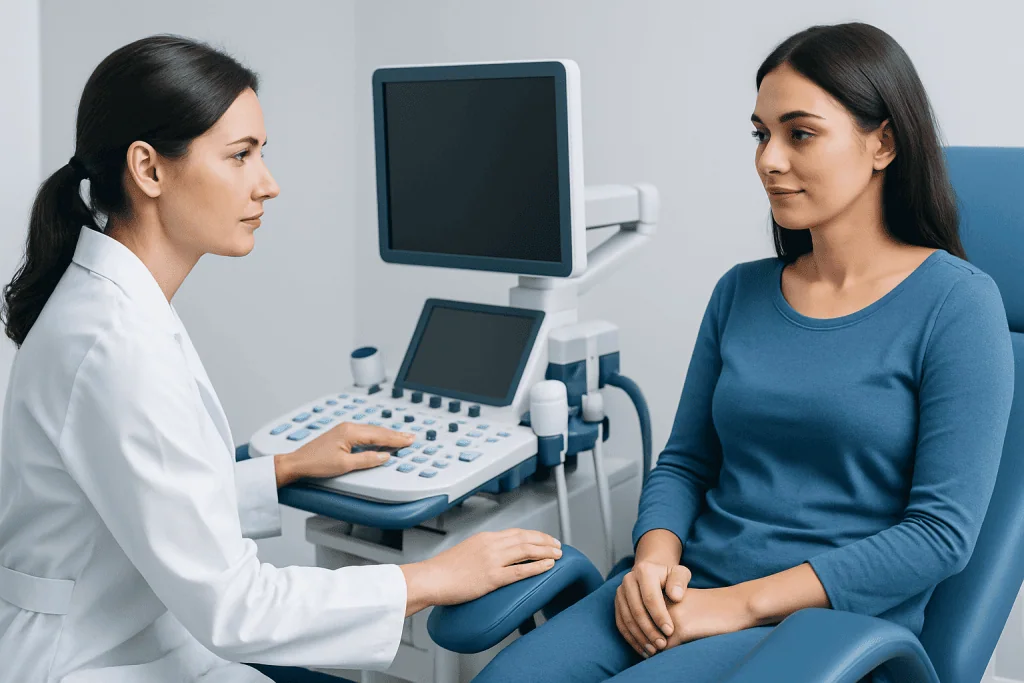
Gynecology is one of the main areas of women’s health sought by international patients in Turkey. This can include evaluation of abnormal bleeding, pelvic pain, vaginal infections, ovarian cysts, uterine fibroids, endometriosis, and menopause symptoms. Depending on the concern, doctors may recommend examination, ultrasound, laboratory tests, and sometimes hysteroscopy or laparoscopy to understand the cause more clearly.
Fertility care is another major reason women travel. Assessment may involve ovulation testing, hormonal evaluation, ovarian reserve testing, imaging of the uterus and ovaries, and review of the partner’s fertility as well. For some patients, lifestyle guidance and medication are enough, while others may need more advanced options such as IVF treatment. Women considering fertility care often benefit from discussing timing, success expectations, and follow-up needs before making travel plans.
Breast health and screening are also important parts of women’s care. Depending on age and symptoms, a doctor may advise clinical breast examination, mammography, ultrasound, or MRI. In addition, women may travel for support with endocrine conditions that affect reproductive health, such as thyroid disorders or polycystic ovary syndrome. When needed, a multidisciplinary plan may include polycystic ovary syndrome (PCOS), nutrition counseling, reproductive endocrinology input, and imaging services.
- Routine gynecologic checkups and screening
- Evaluation of menstrual problems and pelvic pain
- Fertility assessment and assisted reproduction
- Pregnancy consultation and maternal care planning
- Menopause support and hormone-related care
- Minimally invasive gynecologic surgery when appropriate
What to Prepare Before Traveling for Care
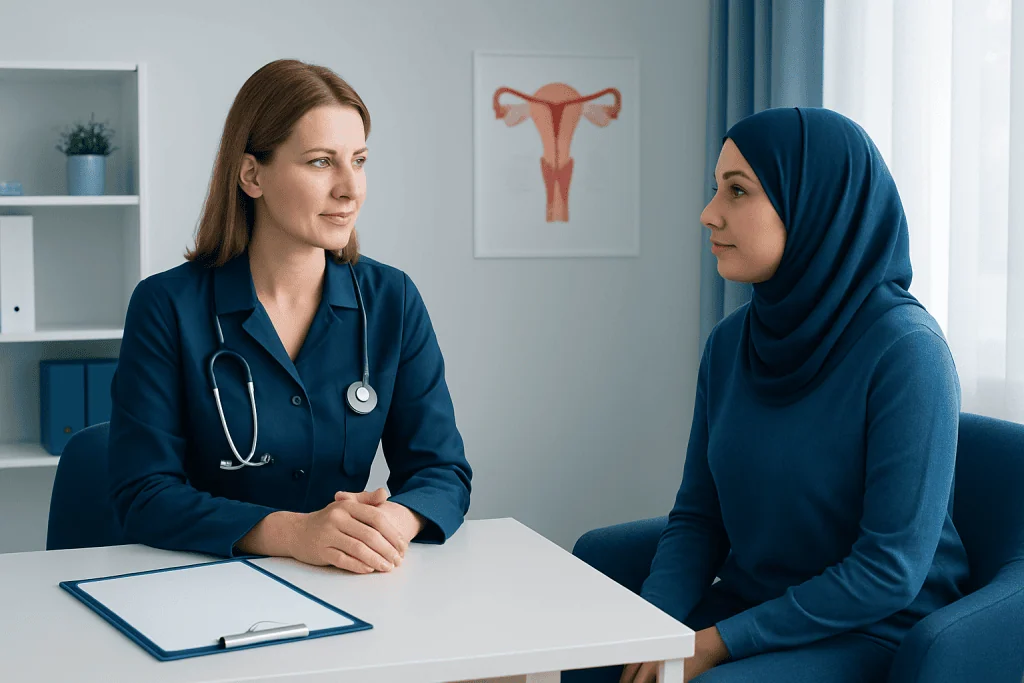
Good preparation can make women’s health care in Turkey more efficient and less stressful. Before traveling, patients should gather relevant medical records, including previous test results, imaging reports, pathology findings, operation notes, vaccination history when relevant, and a list of current medications and supplements. It is also helpful to write down symptoms, their duration, any triggers, and questions for the doctor.
For fertility, menstrual, or hormonal concerns, details about cycle length, bleeding patterns, past pregnancies, miscarriages, contraception use, and previous treatments are often important. Women who have had prior gynecologic surgery should bring those records if possible. If there is a personal or family history of breast, ovarian, uterine, or colon cancer, that information should be shared clearly because it may affect screening and treatment decisions.
Travel planning should also consider practical issues such as timing within the menstrual cycle, length of stay, language support, recovery needs, and whether a companion is advisable. Some evaluations or treatments are completed quickly, while others require several visits over days or weeks. It is sensible to ask in advance whether test results are available the same day, whether fasting is needed, and how soon normal activities or flights may be resumed after a procedure.
Diagnosis and Assessment: What the Process May Involve
The diagnostic process begins with a detailed consultation. The doctor usually asks about symptoms, menstrual history, pregnancies, medical conditions, medications, allergies, and family history. This conversation helps identify whether symptoms are likely to be hormonal, structural, infectious, inflammatory, or related to another body system. A physical and gynecologic examination may be recommended when appropriate and with patient consent.
Common tests in women’s health include blood work, urine testing, pelvic ultrasound, cervical screening, breast imaging, and hormonal assessment. If abnormal bleeding is present, the doctor may look for causes such as fibroids, polyps, hormonal imbalance, pregnancy-related conditions, or less commonly precancerous changes. For pelvic pain, the assessment may consider endometriosis, infection, ovarian cysts, urinary causes, bowel conditions, or muscle-related pain.
Some women may need additional procedures. Hysteroscopy can help assess the inside of the uterus, and laparoscopy can help diagnose and sometimes treat certain pelvic conditions. If surgery is being considered, imaging and preoperative evaluation help the team choose the safest and most effective approach. In more complex cases, care may involve oncology, endocrinology, radiology, pathology, or fertility specialists so that treatment planning reflects the patient’s full needs.
Treatment Options and Personalized Care
Treatment depends on the diagnosis, severity of symptoms, age, future pregnancy plans, and general health. Many women’s health concerns can be managed with monitoring, lifestyle adjustments, or medication. Examples include some menstrual disorders, menopausal symptoms, mild hormonal imbalance, and selected ovarian cysts. Infections may need targeted medicines, while chronic conditions often benefit from ongoing review rather than one-time treatment.
When procedures are needed, minimally invasive techniques are often considered because they may reduce pain and support recovery. Depending on the condition, options may include hysteroscopy, laparoscopy, cyst removal, fibroid treatment, or surgery involving the uterus or ovaries. Some women with fibroids, heavy bleeding, or uterine disease may be candidates for specialist gynecologic surgical care if a more advanced assessment is needed, while others may need treatment related to endometriosis or other benign conditions.
Reproductive goals are a key part of treatment planning. A woman hoping to preserve fertility may be offered different options from someone who has completed childbearing. Menopause care also benefits from personalization, with discussion of symptom relief, bone health, cardiovascular risk, and the pros and cons of hormone therapy when relevant. The best treatment plan is usually the one that balances medical benefit with the patient’s preferences, values, and day-to-day life.
Safety, Recovery, and Follow-Up for International Patients
Safe care does not end when a procedure or consultation is completed. International patients should understand what recovery may involve, how long they may need to stay in Turkey, and what symptoms should prompt urgent medical review. Even after minor procedures, rest, hydration, movement as advised, and attention to discharge instructions are important. After surgery, questions about wound care, bleeding, pain control, sexual activity, exercise, and return to work should be discussed clearly.
Follow-up planning is especially important when a patient will return home soon after treatment. It helps to know which test results will be available before departure, which results may arrive later, and how they will be communicated. Patients should also ask whether remote follow-up is possible and whether reports can be shared with their doctor back home. This is particularly important after fertility treatment, biopsy, surgery, or care for ongoing conditions that need repeat imaging or blood tests.
For many women, emotional reassurance matters as much as medical planning. Gynecologic symptoms, infertility concerns, and pregnancy-related questions can feel personal and stressful. Clear explanations, privacy, and time for questions can improve the care experience. Near the end of the care journey, some international patients choose centers such as Acibadem International, where multidisciplinary specialists in JCI-accredited hospitals provide diagnosis and treatment support for women’s health needs.
Prevention, Routine Care, and Women’s Health Across Life Stages
Preventive care remains one of the most valuable parts of women’s health. Regular checkups can help identify concerns early, sometimes before symptoms develop. Depending on age and personal risk, routine care may include cervical screening, breast screening, vaccination, blood pressure checks, diabetes and cholesterol assessment, and counseling about contraception, sexual health, and healthy lifestyle habits. Women with a family history of cancer or genetic risk may need more tailored surveillance.
Adolescence, reproductive years, pregnancy, postpartum recovery, and menopause all bring different health priorities. Younger women may need support for menstrual irregularity, acne, anemia, or contraception. Reproductive-age women may seek care for fertility, miscarriage evaluation, pelvic pain, or fibroids. During menopause, hot flashes, sleep changes, vaginal dryness, mood changes, bone health, and urinary symptoms can become more important and deserve individualized guidance.
Healthy routines can support medical care but do not replace it. A balanced diet, regular activity, sleep, stress management, smoking avoidance, and moderation in alcohol intake all contribute to general and reproductive health. Women should not ignore persistent symptoms such as abnormal bleeding, breast changes, severe pelvic pain, or unexplained weight loss, even if they seem mild at first.
When to See a Doctor
Women should seek medical advice if they have symptoms that are new, persistent, worsening, or affecting daily life. Examples include heavy periods, bleeding between periods, bleeding after menopause, ongoing pelvic pain, unusual vaginal discharge, pain during intercourse, a breast lump, or difficulty becoming pregnant. These symptoms do not always mean a serious condition, but they do deserve proper assessment.
Urgent medical attention may be needed for severe abdominal or pelvic pain, heavy bleeding, fainting, fever with pelvic symptoms, or signs of pregnancy complications. Women who are pregnant should contact a doctor promptly if they have bleeding, significant pain, reduced fetal movement later in pregnancy, or symptoms of high blood pressure such as severe headache or visual disturbance. Anyone with sudden shortness of breath, chest pain, or one-sided leg swelling should seek emergency care.
For international patients, it is often wise to seek advice before travel if symptoms are severe or rapidly changing. A hospital can help determine whether a clinic visit, imaging test, or urgent evaluation is most appropriate. Early assessment often makes treatment planning clearer and helps avoid unnecessary delays.
Frequently asked questions
What does women’s health in Turkey usually include?
Women’s health in Turkey commonly includes gynecology, fertility assessment, pregnancy-related care, menopause support, breast screening, and treatment for common reproductive health conditions. Services may range from routine checkups to imaging, laboratory testing, minimally invasive procedures, and surgery.
Can international patients arrange both diagnosis and treatment in one trip?
In some cases, yes. Many evaluations can begin with consultation, imaging, and blood tests, followed by a treatment plan if needed. However, the length of stay depends on the condition, the timing of test results, and whether recovery or repeated visits are required.
What records should a woman bring before traveling for care?
Helpful records include previous imaging, blood tests, pathology reports, medication lists, allergy information, surgery notes, and details of past pregnancies or fertility treatment. A written symptom timeline and family history can also help the doctor make faster, more informed decisions.
Is women’s health treatment always surgical?
No. Many concerns are managed with monitoring, lifestyle changes, medication, or hormone-related treatment rather than surgery. Procedures are usually considered when symptoms are significant, diagnosis is uncertain, fertility is affected, or a structural problem needs correction.
How is follow-up handled after returning home?
Follow-up may involve written reports, pathology results, imaging summaries, and remote communication when available. Patients should also arrange continued care with a doctor in their home country, especially after surgery, fertility treatment, biopsy, or treatment for a chronic condition.
When should a woman seek urgent medical attention?
Urgent assessment is important for severe pelvic pain, very heavy bleeding, fainting, fever with pelvic symptoms, or signs of pregnancy complications. Emergency care is also needed for symptoms such as chest pain, sudden shortness of breath, or significant one-sided leg swelling.
References
- World Health Organization
- American College of Obstetricians and Gynecologists
- International Federation of Gynecology and Obstetrics
- Centers for Disease Control and Prevention
- National Health Service
This article is for general information only and is not a substitute for professional medical advice. Please consult a qualified doctor about your individual situation.
Oncology care in Turkey — second opinion and treatment plan
JCI-accredited · board-certified surgeons · reply within 24h
Add us as a Preferred Source to see more of our trusted health content across Google Search, AI Overviews and Discover.
Check your numbers in seconds
BMI, calories, due date, blood pressure and 30+ more clinical calculators — free, instant, doctor-reviewed ranges.