Women’s Health News Today: An Evidence-Based Guide for Patients

Reliable women's health news should be grounded in screening guidelines, symptom awareness, and individualized medical advice. Heart health, breast health, cervical screening, bone health, mental health, and reproductive health all play important roles across the lifespan.
Key Takeaways
- Reliable women's health news should be grounded in screening guidelines, symptom awareness, and individualized medical advice.
- Heart health, breast health, cervical screening, bone health, mental health, and reproductive health all play important roles across the lifespan.
- Hormonal changes during puberty, pregnancy, postpartum, perimenopause, and menopause can affect both physical and emotional well-being.
- New or persistent symptoms such as abnormal bleeding, breast changes, pelvic pain, chest pain, or shortness of breath should be medically assessed.
- Prevention includes regular checkups, vaccinations, healthy lifestyle habits, and age-appropriate screening tests.
Women's health news today is best understood as practical, evidence-based guidance on prevention, common symptoms, reproductive and hormonal health, mental well-being, and timely medical care. Rather than following headlines alone, patients benefit most from knowing which health topics matter at each life stage and which symptoms should be checked by a clinician.
What women's health news today really means
Women’s health news today is not only about new research headlines. For most patients, it means understanding the health issues that commonly affect women, knowing which preventive tests are recommended, and recognizing symptoms that should not be ignored. Good health information should help people make informed decisions with their doctor rather than create confusion or anxiety.
A patient-centered view of women’s health includes more than reproductive care. It also covers heart health, bone strength, thyroid conditions, mental health, sleep, sexual health, digestive symptoms, and cancer screening. The most useful updates are often the ones that clarify everyday questions, such as when periods are considered abnormal, how menopause symptoms are managed, or why cardiovascular risk deserves attention in women.
Health needs also change over time. Teenagers may need guidance on menstrual health and vaccinations, adults may focus on contraception, pregnancy planning, and screening, and older women may have questions about menopause, bone loss, and chronic disease prevention. An evidence-based approach puts these life-stage concerns into context so that care can be proactive, not reactive.
Core areas of women's health across the lifespan
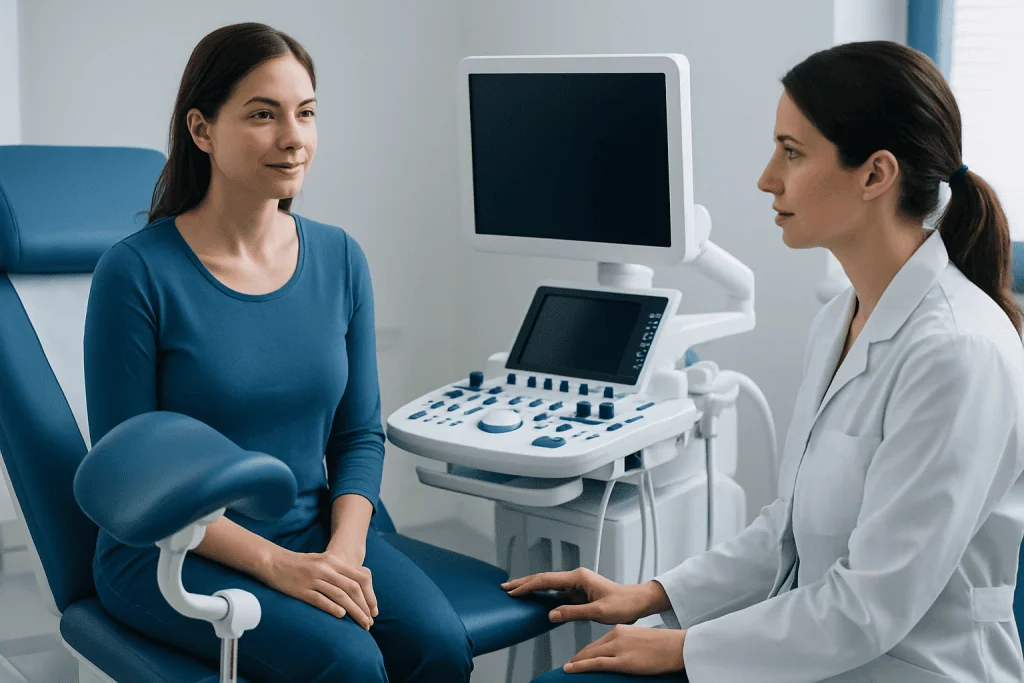
Women’s health is broad, and different topics become more important at different ages. Menstrual cycles, fertility, pregnancy, contraception, and menopause are central parts of care, but they are only part of the picture. Blood pressure, cholesterol, blood sugar, weight, sleep quality, physical activity, and emotional well-being all influence long-term health outcomes.
Breast health and cervical health remain important priorities. Routine breast awareness, recommended imaging when appropriate, and cervical screening based on age and risk can support early detection of disease. Patients with concerns about a lump, nipple discharge, or unusual pelvic symptoms may need further assessment for conditions such as breast cancer or cervical cancer, although many symptoms have non-cancerous causes.
Heart and vascular disease is another major topic in women’s health. Symptoms of heart disease in women can sometimes be less typical, and risk may be underestimated. Preventive care should include attention to smoking, diabetes, high blood pressure, high cholesterol, and family history, as well as pregnancy-related factors such as gestational diabetes or high blood pressure during pregnancy.
- Reproductive and sexual health
- Breast and cervical health
- Heart and metabolic health
- Mental health and sleep
- Bone health and menopause care
- Healthy aging and cancer prevention
Common symptoms and health changes women should not overlook
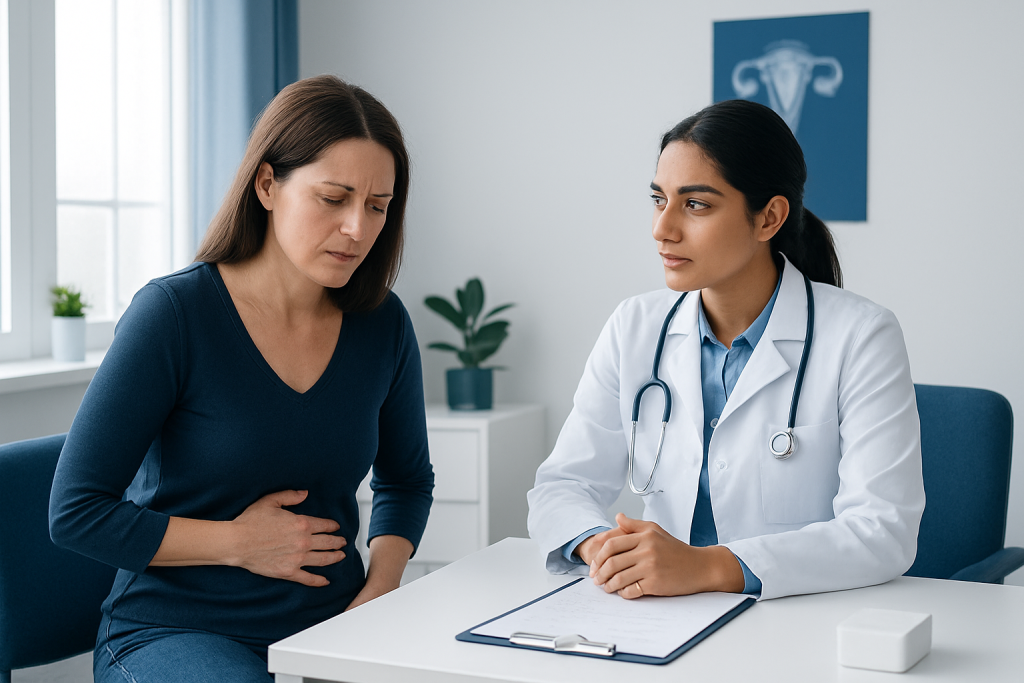
Many everyday symptoms are benign, but some deserve medical review, especially if they are new, severe, worsening, or persistent. Examples include unusually heavy periods, bleeding between periods, bleeding after menopause, ongoing pelvic pain, pain during sex, changes in vaginal discharge, breast lumps, skin dimpling, or nipple discharge. These symptoms do not always mean a serious condition, but they should be assessed rather than dismissed.
General symptoms can also be relevant to women’s health. Fatigue, unexplained weight change, hair thinning, constipation, mood changes, palpitations, or heat and cold intolerance may suggest thyroid disease, anemia, stress-related illness, or hormonal changes. Headaches, sleep disturbance, low mood, anxiety, and concentration problems may become more noticeable around hormonal transitions, including the postpartum period and perimenopause.
Some symptoms need urgent attention. Chest pain, sudden shortness of breath, one-sided weakness, confusion, fainting, severe headache, or heavy bleeding should be evaluated promptly. Severe lower abdominal pain, especially with fever, vomiting, or possible pregnancy, may also require urgent care.
Hormones, reproductive health, and life-stage changes
Hormonal shifts are a normal part of life, but their effects can vary widely from person to person. Puberty begins menstrual cycles and breast development, the reproductive years may involve contraception or fertility planning, pregnancy brings major physical changes, and menopause marks the end of menstrual periods. Each stage can raise different questions about symptoms, timing, and treatment options.
Irregular periods, severe menstrual pain, acne, unwanted hair growth, and difficulty becoming pregnant may be linked to hormone-related conditions such as polycystic ovary syndrome (PCOS). In other cases, fibroids, endometriosis, thyroid disorders, or lifestyle factors may play a role. Care often starts with a detailed history, physical examination, and selected blood tests or imaging.
Menopause and perimenopause often bring hot flashes, night sweats, sleep disruption, mood changes, vaginal dryness, and changes in sexual comfort. Management depends on symptoms, medical history, and personal preferences. Some women benefit from lifestyle measures, while others may consider structured medical options after review with a qualified clinician.
Fertility and pregnancy care also remain key parts of women’s health reporting and clinical care. For patients exploring family building, specialist assessment may include ovulation evaluation, hormone testing, and reproductive imaging. When appropriate, clinicians may discuss options such as IVF treatment as part of individualized fertility care.
How evidence-based screening and diagnosis work
One of the most important parts of women’s health is screening. Screening aims to detect disease early, often before symptoms begin. The right schedule depends on age, personal history, family history, sexual history, and other risk factors. A clinician can help patients understand which tests apply to them and how often they should be repeated.
Common screening topics include cervical screening, breast imaging when indicated, blood pressure checks, cholesterol testing, diabetes screening, and bone health assessment in later life or in those at higher risk. Sexual health testing and vaccinations may also be recommended. For some women with a strong family history of cancer, more personalized risk assessment may be appropriate.
Diagnosis differs from screening. When symptoms are present, doctors may use blood tests, urine tests, pelvic examination, ultrasound, mammography, or other imaging to identify the cause. If a breast change needs further evaluation, assessment may include mammography and, when necessary, additional specialist review. If abnormal bleeding, fibroids, ovarian cysts, or pelvic pain are suspected, imaging such as ultrasound may help guide diagnosis.
Treatment, prevention, and self-care
Treatment in women’s health depends on the underlying diagnosis, symptom severity, age, and personal goals. Some concerns can be managed with observation, lifestyle changes, or short-term medication, while others need long-term follow-up or procedural treatment. Shared decision-making is important, especially for hormonal treatment, contraception, fertility planning, and menopause care.
Prevention remains one of the strongest tools in women’s health. A balanced diet, regular physical activity, adequate sleep, stress management, smoking cessation, and limiting alcohol can support cardiovascular, metabolic, bone, and mental health. Vaccinations, including those recommended for age and risk, are also part of preventive care.
Self-care is useful, but it should not replace medical assessment when symptoms are persistent or concerning. Keeping a symptom diary can help identify patterns in bleeding, pain, sleep, mood, or hot flashes. Bringing this information to an appointment may make consultations more productive and help clinicians decide whether further tests are needed.
For international patients who need coordinated evaluation, Acibadem International’s multidisciplinary specialists and JCI-accredited hospitals diagnose and treat a wide range of women’s health conditions with individualized care plans.
When to seek medical care
Medical care should be sought when a symptom is new, severe, persistent, or clearly different from a person’s usual pattern. This includes heavy menstrual bleeding, bleeding after menopause, breast changes, pelvic pain lasting more than a few days, persistent bloating, fainting, or recurring urinary or vaginal symptoms. It is also sensible to seek care if symptoms interfere with work, sleep, daily activities, or emotional well-being.
Urgent care is important for chest pain, sudden shortness of breath, signs of stroke, severe headache, heavy uncontrolled bleeding, or severe abdominal pain, especially during pregnancy or if pregnancy is possible. Postpartum patients should also seek prompt assessment for heavy bleeding, fever, chest symptoms, severe headache, or severe mood changes. Early evaluation can be reassuring when symptoms are benign and can support timely treatment when they are not.
Routine checkups matter even when no symptoms are present. Preventive visits give patients the chance to review screening, contraception, fertility planning, menopause concerns, family history, vaccinations, and lifestyle goals with a qualified doctor.
Frequently asked questions
What does women's health news today usually cover?
It usually includes preventive care, screening recommendations, menstrual and menopausal health, fertility, pregnancy, breast health, mental health, and chronic disease prevention. The most useful information helps patients understand what applies to their age, symptoms, and risk factors.
How often should women have preventive checkups?
The best schedule depends on age, medical history, medications, symptoms, and risk factors. Many people benefit from regular primary care and gynecologic review, even when they feel well, because screening and prevention are easier when planned in advance.
Are irregular periods always a sign of a serious problem?
Not always. Irregular periods can happen with stress, weight changes, exercise changes, perimenopause, thyroid disorders, PCOS, and other common conditions. However, persistent irregularity, very heavy bleeding, severe pain, or bleeding after menopause should be assessed by a doctor.
Why is heart health an important part of women's health?
Heart and vascular disease affects women across the lifespan and may not always present in the same way it does in men. Blood pressure, cholesterol, diabetes, smoking, family history, and pregnancy-related complications can all influence future risk.
When should a breast lump be checked?
Any new breast lump or breast change should be assessed by a clinician, even though many breast lumps are not cancer. Additional evaluation may include examination and imaging based on age, symptoms, and medical history.
Can menopause symptoms be treated?
Yes. Treatment depends on the type and severity of symptoms, overall health, and personal preferences. Options may include lifestyle changes, non-hormonal approaches, or hormonal treatment after medical review.
References
- World Health Organization
- American College of Obstetricians and Gynecologists
- Centers for Disease Control and Prevention
- National Institutes of Health
- U.S. Preventive Services Task Force
This article is for general information only and is not a substitute for professional medical advice. Please consult a qualified doctor about your individual situation.
Explore treatments in Turkey — costs, top hospitals & a free quote
JCI-accredited · board-certified surgeons · reply within 24h
Add us as a Preferred Source to see more of our trusted health content across Google Search, AI Overviews and Discover.
Check your numbers in seconds
BMI, calories, due date, blood pressure and 30+ more clinical calculators — free, instant, doctor-reviewed ranges.

More from the Health Library

Buttermilk Substitute — Explained by Medical Evidence, Not Myths

Dry Nose: A Complete Medical Overview
Pictures of Moles: What Patients Need to Know

Hypochromia — Explained by Medical Evidence, Not Myths

Clopidogrel: An Evidence-Based Guide for Patients