Wood Therapy: Diagnosis, Outlook, and Modern Treatment Approaches
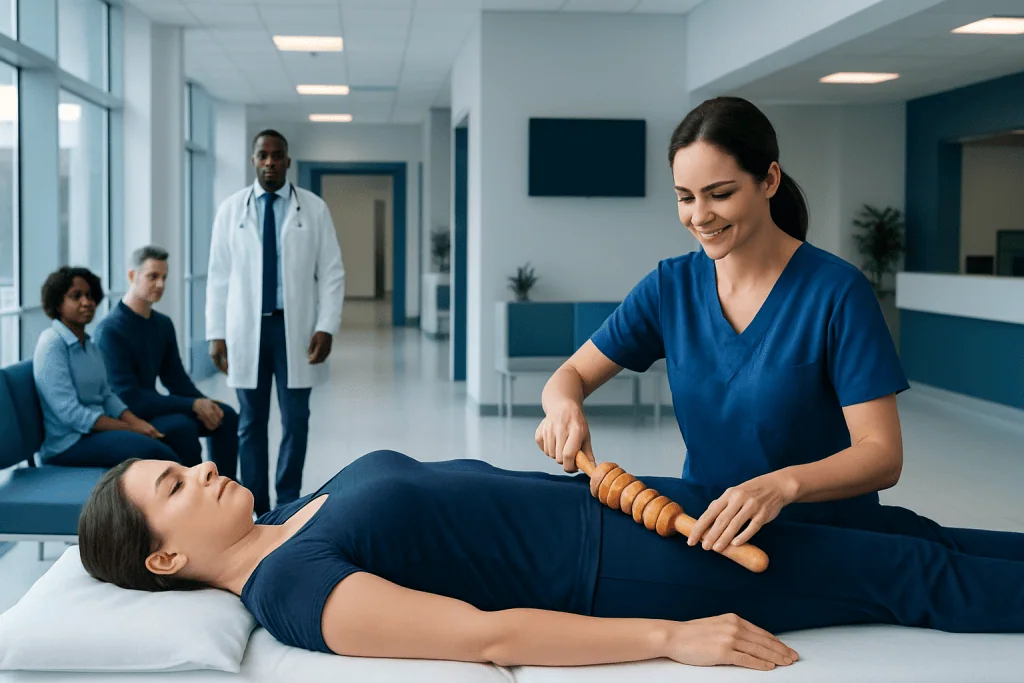
Wood therapy is a massage technique, not a medical diagnostic test or a proven fat-loss treatment. Any reduction in swelling, measurements, or cellulite visibility is usually temporary and may reflect fluid movement or skin changes.
Key Takeaways
- Wood therapy is a massage technique, not a medical diagnostic test or a proven fat-loss treatment.
- Any reduction in swelling, measurements, or cellulite visibility is usually temporary and may reflect fluid movement or skin changes.
- Bruising, pain, skin irritation, and worsening of some vascular or skin conditions are possible risks.
- Persistent swelling, painful lumps, skin changes, or sudden body-shape changes should be assessed by a qualified clinician rather than attributed to cosmetic concerns.
- Evidence-based options depend on the person’s goal, such as treating obesity, addressing lymphedema, or improving cellulite appearance.
Wood therapy is a form of body massage using shaped wooden tools, often promoted for body contouring, cellulite reduction, and lymphatic drainage. Current evidence does not show that it permanently removes fat, diagnoses health conditions, or reliably treats cellulite, although some people may find it relaxing when performed safely.
Wood Therapy: What It Is and What It Can Realistically Do
Wood therapy, also called maderotherapy or wood massage, is a bodywork practice that uses handheld wooden rollers, cups, sculpted boards, and other shaped tools. A practitioner moves these tools over the skin with pressure and massage strokes, most commonly on the thighs, buttocks, abdomen, arms, or back. It is often offered in wellness and aesthetic settings.
Promotional claims may suggest that wood therapy breaks down fat, removes toxins, reshapes the body, or treats cellulite. These claims should be interpreted carefully. Massage can temporarily affect fluid distribution, muscle tension, and the appearance of the skin, but there is no good-quality evidence that wooden tools dissolve fat cells, produce lasting weight loss, or permanently change body contours.
Wood therapy has no role in diagnosing medical conditions. It cannot determine whether a person has lymphedema, lipedema, a circulation problem, hormonal changes, or a skin disorder. When swelling, pain, skin texture changes, or body-shape concerns are new or persistent, a medical assessment is the safest starting point.
Why People Choose Wood Massage
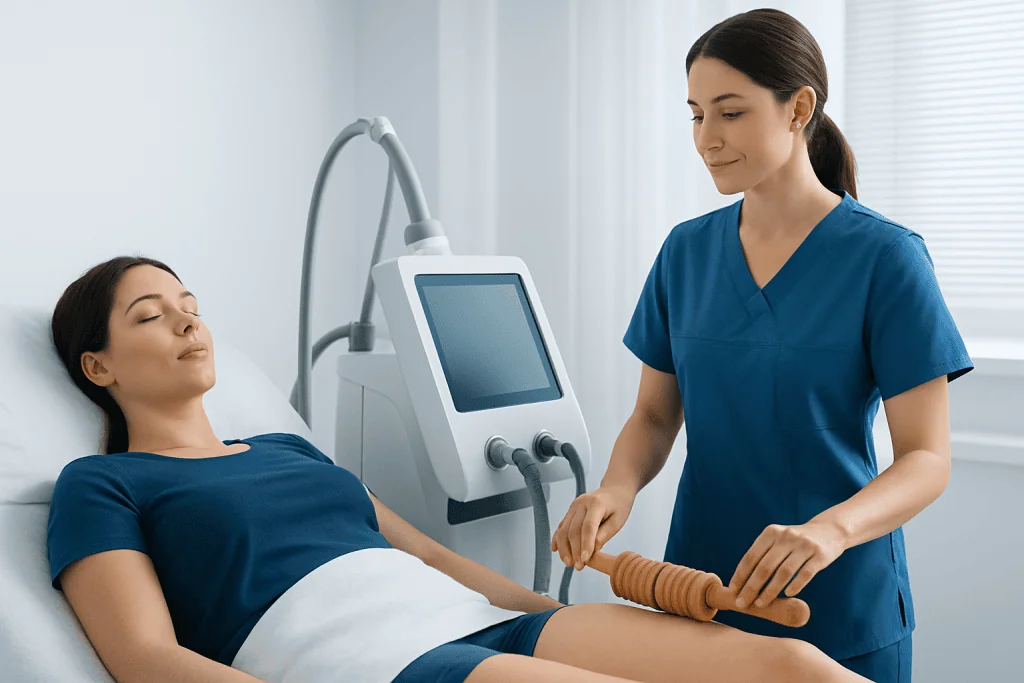
People may seek wood therapy for relaxation, a sense of muscle release, or temporary improvement in puffiness after sitting for long periods or retaining fluid. Like other forms of massage, gentle treatment may help some individuals feel calmer and less tense. The experience can also support a self-care routine when it is comfortable, hygienic, and provided by an appropriately trained practitioner.
Cellulite is a particularly common reason for seeking treatment. It is a harmless, very common skin-texture change caused by the way fat, fibrous connective tissue, skin thickness, and hormones interact. It is not a sign that the body contains toxins, and it occurs in people of many body sizes and activity levels.
Pressure and massage may briefly make cellulite look less noticeable by changing local circulation or reducing superficial fluid retention. However, this effect is generally short lived. A person considering wood therapy should view it as an optional cosmetic massage rather than a replacement for medical care or an established treatment for fat reduction.
What the Evidence Says About Results

Research specifically evaluating wood therapy is limited, and high-quality studies showing durable benefits are lacking. Claims about “lymphatic detox,” fat breakdown, or permanent inch loss are not supported by established medical evidence. The liver, kidneys, lungs, digestive system, and skin already perform the body’s normal waste-processing functions; massage does not replace these systems.
Massage techniques can sometimes help with temporary fluid movement and comfort. However, medically supervised lymphatic drainage is different from cosmetic body massage. It is a specialized approach that may be used for selected patients, such as those with diagnosed lymphedema, and should be planned by clinicians or trained therapists who understand the underlying condition.
For people whose goal is weight management, long-term changes depend on factors such as nutrition, physical activity, sleep, medical conditions, medications, and psychological wellbeing. A clinician can help identify safe, evidence-based options. Cosmetic procedures may be appropriate for some individuals, but they should be chosen after a personalized consultation rather than based on claims made for massage tools.
Safety, Side Effects, and Who Should Avoid It
Wood therapy can cause redness, tenderness, bruising, or skin irritation, especially when firm pressure is used. Painful treatment is not necessary for benefit and may increase the chance of tissue injury. Tools that are poorly cleaned or used on broken skin can also increase the risk of irritation or infection.
It is sensible to avoid wood massage over open wounds, active rashes, sunburn, skin infections, unexplained lumps, or areas that are painful or inflamed. People with fragile skin, a bleeding disorder, or those using medicines that increase bruising risk should seek medical advice before having deep-pressure massage.
A clinician should also be consulted first by people with known or suspected blood clots, significant varicose veins, peripheral vascular disease, heart failure, uncontrolled swelling, cancer treatment-related swelling, or recent surgery. During pregnancy, abdominal and deep-pressure treatments should only be considered after advice from the maternity care team. A qualified professional should never promise to treat a medical condition through wood therapy alone.
- Stop treatment if there is sharp pain, numbness, significant bruising, dizziness, or worsening swelling.
- Ask how the tools are cleaned between clients and whether the practitioner has relevant massage training.
- Do not allow treatment over a new lump, an area of reduced sensation, or skin that has changed color without medical assessment.
How Health Professionals Assess Similar Concerns
Because wood therapy is not diagnostic, clinicians use a medical history and physical examination to investigate symptoms such as swelling, pain, skin dimpling, or changes in body shape. They may ask when symptoms started, whether one side is more affected than the other, whether there is shortness of breath, and whether there has been surgery, injury, pregnancy, travel, or a medication change.
Depending on the concern, assessment may include blood tests, ultrasound, vascular studies, or other imaging. For example, a sudden swollen leg may require urgent evaluation to exclude a blood clot. Persistent leg heaviness and visible veins may point toward venous disease, while swelling after lymph node treatment may need specialist assessment for lymphedema.
Cellulite usually does not need tests because it is a normal cosmetic concern rather than a disease. Still, a clinician can distinguish cellulite from conditions that may need care, including infection, edema, lipedema, or skin and soft-tissue changes. This distinction matters because the appropriate treatment and outlook differ substantially.
Modern, Evidence-Based Approaches for Different Goals
The most appropriate approach depends on what a person hopes to improve. For general wellbeing, regular movement, strength training, balanced nutrition, adequate sleep, and stress management can support physical health and body confidence. These measures do not eliminate cellulite, but they may improve muscle tone, circulation, and overall wellbeing.
For cellulite, no treatment works perfectly or permanently for everyone. Dermatology and aesthetic specialists may discuss options such as subcision for selected forms of cellulite, energy-based procedures, or topical treatments with modest and variable effects. A consultation should cover expected benefits, limitations, possible side effects, recovery needs, and whether the concern is truly cellulite rather than another condition.
For localized fat deposits, non-surgical body contouring technologies and surgical procedures may be considered by suitable candidates, but these are not weight-loss treatments. For excess weight that affects health, structured lifestyle support and medically guided treatment can be more appropriate. The safest plan is individualized and should be based on a person’s health history, examination, and goals.
Acibadem International’s multidisciplinary specialists and JCI-accredited hospitals support international patients with assessment and treatment planning for aesthetic, skin, vascular, and weight-related concerns when clinically appropriate.
When to Seek Medical Care
Medical care is recommended for swelling that is sudden, one-sided, painful, persistent, or progressively worsening. A person should seek urgent medical attention for leg swelling accompanied by chest pain, shortness of breath, coughing blood, fainting, or a rapid heartbeat, as these symptoms may indicate a serious circulation or lung problem.
A clinician should also assess a new lump, unexplained bruising, skin warmth or redness, fever, an ulcer that does not heal, or marked changes in skin color. These symptoms should not be treated with deep massage until the cause is known. Pressure over an undiagnosed problem can worsen discomfort or delay appropriate care.
For cosmetic concerns alone, a consultation with a dermatologist, plastic surgeon, or other qualified clinician can help a person understand realistic options. They can explain whether wood therapy is reasonable as a comfort-focused massage and whether another approach better matches the person’s goals and health needs.
Frequently asked questions
Does wood therapy work for weight loss?
Wood therapy is not a proven weight-loss treatment. Massage may cause a temporary change in fluid retention or body measurements, but it does not remove fat cells or create lasting weight loss. Sustainable weight management usually requires an individualized approach that considers nutrition, activity, sleep, health conditions, and, when appropriate, medical treatment.
Can wood therapy get rid of cellulite permanently?
There is no reliable evidence that wood therapy permanently removes cellulite. It may temporarily change the skin’s appearance through massage and fluid movement, but cellulite commonly returns. A dermatologist can discuss evidence-based options and their expected limitations.
Is wood therapy painful?
It should not cause sharp or intense pain. Firm pressure can lead to temporary tenderness or redness, but pain and extensive bruising are signs that the pressure may be too strong or that treatment should stop. People should communicate discomfort immediately and avoid treatment on sensitive or injured skin.
Can wood therapy improve lymphatic drainage?
Massage may temporarily move superficial fluid, but wood therapy is not the same as medical lymphatic drainage. People with diagnosed or suspected lymphedema need assessment and guidance from qualified healthcare professionals. Unsupervised deep-pressure massage may not be appropriate for all causes of swelling.
Who should not have wood therapy?
People with open wounds, active skin infections, unexplained swelling, suspected blood clots, significant circulation problems, or a high risk of bleeding should avoid treatment unless a clinician says it is safe. Those recovering from surgery, undergoing cancer treatment, or who are pregnant should also ask their healthcare team first. The practitioner should be informed about all relevant medical conditions and medicines.
How can someone choose a safer wood therapy practitioner?
A person can ask about the practitioner’s massage training, experience, hygiene practices, and whether tools are cleaned between clients. The practitioner should take a health history, respect boundaries, avoid making medical claims, and stop if treatment is painful. Anyone promising permanent fat loss, detoxification, or treatment of a medical condition should be approached with caution.
References
- American Academy of Dermatology Association
- National Center for Complementary and Integrative Health
- Mayo Clinic
- National Health Service
- Cleveland Clinic
This article is for general information only and is not a substitute for professional medical advice. Please consult a qualified doctor about your individual situation.
Explore treatments in Turkey — costs, top hospitals & a free quote
JCI-accredited · board-certified surgeons · reply within 24h
Add us as a Preferred Source to see more of our trusted health content across Google Search, AI Overviews and Discover.

More from the Health Library



Related Specialists

Prof. Dr. Hatice İlgen Şaşmaz
Pediatrics
Dt. Ekin Saydam
Oral & Dental Health
Dr. Emine Çiğdem Kırçiçeği Çiçekdağ
Anesthesiology
Prof. Dr. Yusuf Kenan Yalçınbaş
Cardiovascular Surgery