Xerosis: Symptoms, Causes, and Treatment Options

Xerosis means abnormally dry skin and is common in children, older adults, and people living in dry or cold climates. Typical symptoms include rough texture, scaling, itching, mild redness, and cracks, especially on the hands, legs, and arms.
Key Takeaways
- Xerosis means abnormally dry skin and is common in children, older adults, and people living in dry or cold climates.
- Typical symptoms include rough texture, scaling, itching, mild redness, and cracks, especially on the hands, legs, and arms.
- Dry weather, hot showers, harsh soaps, aging, and some medical conditions can all contribute to xerosis.
- Treatment focuses on restoring the skin barrier with moisturizers, avoiding irritants, and addressing underlying causes when present.
- Medical care is important if dry skin is severe, painful, infected, widespread, or not improving with home care.
Xerosis is the medical term for unusually dry skin. It commonly causes roughness, tightness, flaking, and itching, and it often improves with regular moisturizing, gentle cleansing, and management of any underlying trigger.
What is xerosis?
Xerosis is the medical term for very dry skin. It develops when the skin loses too much water or does not produce enough protective oils, making the outer skin barrier less effective. As a result, the skin may feel tight, rough, itchy, or sensitive, and it may look flaky or cracked.
This condition is common and can affect people of all ages, although it is seen more often in older adults and in people exposed to dry air, frequent handwashing, or irritating skin products. Xerosis is not usually dangerous, but it can become uncomfortable and may interfere with sleep, daily activities, or quality of life if symptoms are persistent.
Xerosis can happen on its own or alongside other skin conditions. In some people, it is mainly related to weather, bathing habits, or aging. In others, it may be associated with skin inflammation such as eczema, or with broader health issues that affect hydration, circulation, or skin barrier function.
How xerosis feels and looks
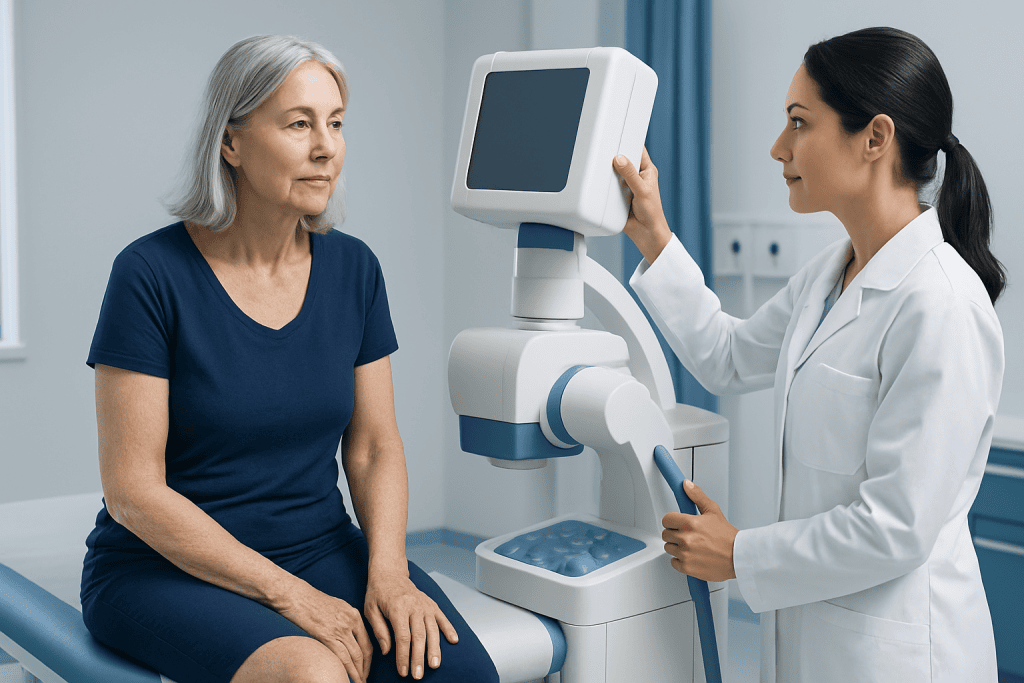
Xerosis can range from mild dryness to more noticeable irritation. Many people first notice that their skin feels tight after bathing or washing. The skin may then become rough, dull, and less flexible. In darker or lighter skin tones alike, dry areas can also appear ashy, scaly, or uneven in texture.
Common symptoms of xerosis include:
- Rough or flaky skin
- Itching
- A feeling of tightness, especially after bathing
- Fine scaling or peeling
- Mild redness or irritation
- Small cracks or fissures
- Stinging when products are applied
Symptoms often appear on the lower legs, hands, arms, elbows, and trunk, but xerosis can affect almost any body area. In more severe cases, scratching can break the skin and increase the risk of inflammation or infection. If the skin becomes thickened, intensely red, weepy, or painful, the dryness may be more than simple xerosis and should be assessed by a clinician.
Why xerosis happens

Xerosis usually develops because the skin barrier is not holding moisture effectively. The outer layer of skin depends on natural oils, water, and structural proteins to stay smooth and resilient. When this barrier is disrupted, water escapes more easily and the skin becomes dry, rough, and prone to irritation.
Everyday causes are very common. Cold weather, low indoor humidity, wind exposure, long hot showers, frequent swimming, harsh cleansers, alcohol-based products, and repeated handwashing can all dry the skin. Aging also plays an important role because older skin naturally contains less oil and may recover more slowly after irritation.
Some people are more likely to develop xerosis because of underlying conditions or treatments. Examples include atopic dermatitis, thyroid disease, diabetes, kidney disease, poor nutrition, and certain medications that reduce skin oils or increase dryness. Persistent dry skin may sometimes overlap with psoriasis or other inflammatory skin disorders, which is one reason ongoing symptoms deserve proper evaluation.
Who is at higher risk?
Xerosis can affect anyone, but several factors raise the likelihood of developing it. Older adults are especially prone because the skin becomes thinner, produces less oil, and loses moisture more easily with age. People who live in cold, windy, or desert climates may also notice seasonal flares, particularly during winter when indoor heating lowers humidity.
Occupational and lifestyle exposures matter as well. Healthcare workers, cleaners, hairdressers, food service workers, and others who wash their hands often may develop dryness on the hands and wrists. People who use fragranced products, strong soaps, exfoliants, or very hot water may unintentionally weaken the skin barrier over time.
Children with sensitive skin and adults with a history of allergies or eczema may be more vulnerable. Risk also rises in people with chronic illnesses or in those receiving treatments that affect the skin. Understanding these factors helps guide prevention, since xerosis often improves when triggers are reduced and moisture is restored consistently.
How doctors diagnose xerosis
Xerosis is usually diagnosed through a medical history and skin examination. A doctor will ask when the dryness started, which areas are affected, what products are used on the skin, whether itching is severe, and whether there are other symptoms such as rash, pain, or sleep disturbance. This conversation often reveals a clear trigger, such as climate, bathing habits, or occupational exposure.
During the examination, the clinician looks at the pattern of dryness, scaling, redness, and cracking. This helps distinguish simple xerosis from other conditions that can look similar, including eczema, contact dermatitis, fungal infections, and inflammatory disorders. If symptoms are recurrent or severe, the doctor may consider whether a skin disease or a systemic medical problem is contributing.
Additional tests are not always needed, but they may be recommended if the presentation is unusual or if treatment is not helping. In selected cases, evaluation may include allergy review, blood tests for related medical conditions, or referral to a dermatologist. If another skin condition is suspected, clinicians may discuss specialized care such as dermatology evaluation to confirm the diagnosis and tailor treatment.
Treatment options for xerosis
The main goal of xerosis treatment is to repair and protect the skin barrier. For many people, the most effective step is regular use of a fragrance-free moisturizer, especially right after bathing or handwashing while the skin is still slightly damp. Ointments and thicker creams usually work better than light lotions because they reduce water loss more effectively.
Gentle skin care is just as important as moisturizing. Doctors often recommend short lukewarm showers, mild non-soap cleansers, and avoidance of scrubbing, harsh exfoliants, and heavily fragranced products. Wearing gloves for wet work, using a humidifier in dry environments, and choosing soft fabrics can also help reduce irritation.
If itching, inflammation, or cracking is more pronounced, a doctor may recommend medicated creams or ointments for a limited period. When xerosis is linked to another condition, treatment should also address that cause. For example, people with associated inflammatory skin disease may need a broader skin treatment plan. In selected cases, support from allergy assessment or other specialists may be useful if triggers such as irritants or contact sensitivities are suspected.
When dryness is severe or repeatedly flares, structured skin care advice from a clinician can make a significant difference. Near the end of the care pathway, patients who need specialist input may also seek evaluation at centers such as Acibadem International, where multidisciplinary specialists in JCI-accredited hospitals diagnose and treat skin conditions for international patients.
Prevention and daily self-care
Daily habits play a central role in preventing xerosis. Moisturizing once or twice a day is often the foundation of care, especially after bathing, showering, or washing hands. Applying moisturizer within a few minutes of drying the skin helps trap water in the outer skin layer.
Helpful self-care measures include:
- Use fragrance-free, gentle cleansers
- Take short showers with lukewarm rather than hot water
- Pat the skin dry instead of rubbing
- Apply a thick cream or ointment after bathing
- Use gloves when cleaning or washing dishes
- Run a humidifier in very dry indoor air if practical
- Choose soft, breathable fabrics and avoid irritating wool directly on the skin
People with chronic dry skin often do better with a simple routine than with many products. If skin remains irritated despite careful self-care, a clinician can check for an underlying condition such as seborrheic dermatitis or another form of dermatitis. Long-term control usually comes from combining trigger avoidance with consistent barrier repair rather than relying on occasional treatment only when symptoms become severe.
When to seek medical care
Many cases of xerosis improve with home care, but medical advice is important when symptoms are severe or persistent. A person should consider seeing a doctor if dryness lasts for weeks despite regular moisturizing, if itching disrupts sleep, or if the skin becomes painful, swollen, or extensively cracked.
Prompt assessment is also recommended if there are signs of infection, such as warmth, pus, crusting, or increasing redness. Widespread rash, bleeding from scratching, or skin changes that keep returning may indicate eczema, contact dermatitis, or another condition needing targeted treatment. In these situations, a doctor may recommend further skin assessment and, when appropriate, specialist dermatology care.
People with diabetes, kidney disease, thyroid disorders, or weakened immune systems should not ignore persistent skin dryness. Because xerosis can sometimes reflect an underlying health issue, professional evaluation can help identify the cause and reduce complications. Early care is especially helpful when dry skin begins to interfere with comfort, daily function, or skin healing.
Frequently asked questions
Is xerosis the same as ordinary dry skin?
Xerosis is the medical term for dry skin, especially when dryness is more noticeable or persistent. In everyday use, people may say dry skin, while clinicians may use xerosis in medical records or discussions.
What is the best moisturizer for xerosis?
In general, thicker fragrance-free creams or ointments work better than thin lotions because they reduce water loss more effectively. The best choice is one a person can use consistently without irritation, ideally after bathing and handwashing.
Can xerosis cause itching?
Yes. Itching is one of the most common symptoms of xerosis because dry skin is more easily irritated and less able to protect nerve endings in the skin. Scratching can make the problem worse by damaging the skin barrier further.
Does drinking more water cure xerosis?
Good hydration supports overall health, but xerosis is usually not solved by drinking water alone. Most treatment focuses on protecting the skin barrier from the outside with moisturizers and gentle skin care habits.
Can xerosis be a sign of another medical condition?
Sometimes. While xerosis is often caused by weather, aging, or skin care habits, persistent or severe dryness can also be associated with eczema, thyroid disease, diabetes, kidney disease, or certain medications. A doctor can help determine whether more evaluation is needed.
When should someone worry about dry skin?
Dry skin deserves medical attention if it becomes painful, cracked, infected, widespread, or does not improve with regular moisturizers and gentle care. It is also a good idea to seek help if itching affects sleep or if there is a recurring rash.
References
- American Academy of Dermatology
- National Eczema Association
- National Institute on Aging
- Mayo Clinic
- Merck Manual Consumer Version
This article is for general information only and is not a substitute for professional medical advice. Please consult a qualified doctor about your individual situation.
Explore treatments in Turkey — costs, top hospitals & a free quote
JCI-accredited · board-certified surgeons · reply within 24h
Add us as a Preferred Source to see more of our trusted health content across Google Search, AI Overviews and Discover.