Xerostomia: What Patients Need to Know

Xerostomia means persistent dry mouth, not just temporary thirst. Common causes include medications, dehydration, mouth breathing, aging-related factors, and certain medical conditions.
Key Takeaways
- Xerostomia means persistent dry mouth, not just temporary thirst.
- Common causes include medications, dehydration, mouth breathing, aging-related factors, and certain medical conditions.
- Saliva is important for speaking, swallowing, tasting, and protecting teeth and oral tissues.
- Treatment focuses on the underlying cause and may include medication review, hydration, saliva substitutes, and dental care.
- Persistent dry mouth can increase the risk of cavities, mouth infections, and difficulty eating or sleeping.
Xerostomia is the medical term for dry mouth, usually caused by reduced saliva production or changes in saliva quality. It is often manageable, but because saliva protects the mouth and teeth, ongoing symptoms should be evaluated to identify the cause and prevent complications.
Overview
Xerostomia is the medical term for dry mouth. It happens when the salivary glands do not make enough saliva, or when saliva changes in a way that leaves the mouth feeling dry, sticky, or uncomfortable. Although many people notice occasional dryness after exercise, during illness, or after waking up, xerostomia refers to symptoms that are persistent or recurrent.
Saliva does much more than keep the mouth moist. It helps with chewing, swallowing, speech, taste, and digestion. It also protects the teeth and oral tissues by washing away food particles, buffering acids, and helping control bacteria and fungi. For that reason, xerostomia can affect both day-to-day comfort and long-term oral health.
Dry mouth is not a disease by itself. Instead, it is usually a symptom with many possible causes, including medicines, dehydration, medical conditions, cancer treatments, and salivary gland disorders. Understanding the reason for xerostomia is the key step in choosing the most effective treatment.
How xerostomia feels and why it matters
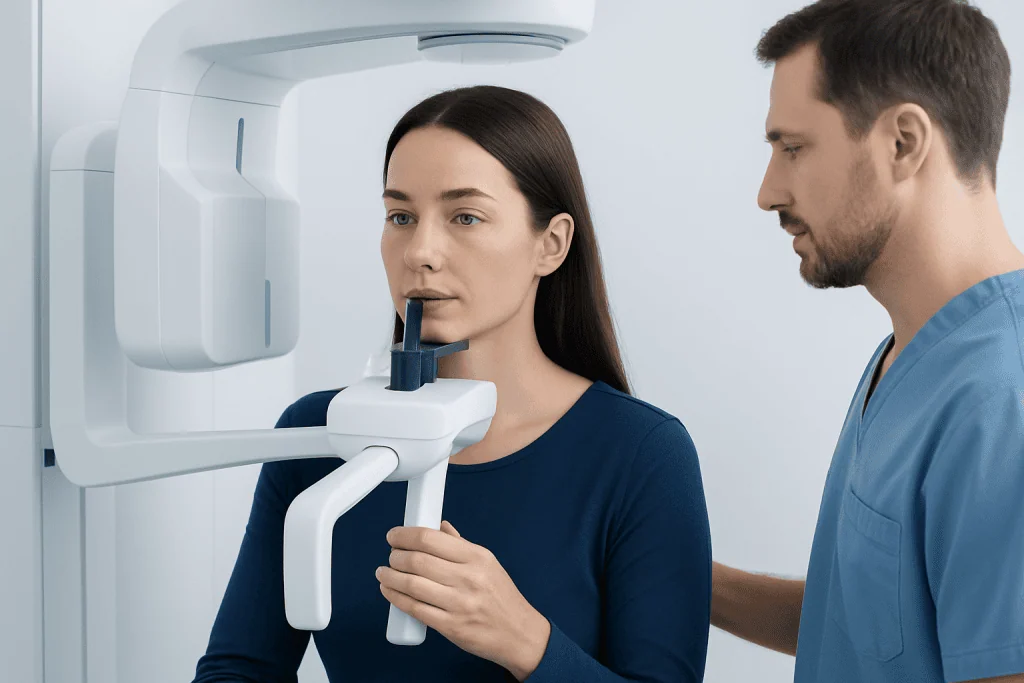
People experience xerostomia in different ways. Some describe a constant dry or sticky feeling, while others notice trouble swallowing dry foods, the need to sip water often, or a burning sensation in the mouth. Symptoms may be worse at night, which can disturb sleep and lead to frequent waking for water.
Common symptoms and related signs include:
- Dry, sticky, or rough feeling in the mouth
- Thick or stringy saliva
- Difficulty chewing, swallowing, or speaking
- Changes in taste
- Burning mouth or sore throat
- Cracked lips or dry corners of the mouth
- Bad breath
- Increased thirst, especially at night
- More frequent cavities or gum irritation
Xerostomia matters because saliva is part of the mouth’s natural defense system. When saliva is reduced, the risk of tooth decay rises, especially near the gumline. People may also be more likely to develop mouth sores, fungal infections such as oral thrush, or irritation from dentures. Eating can become less enjoyable, and nutrition may be affected if certain foods are avoided because they are hard to swallow.
Causes and risk factors

The most common cause of xerostomia is medication use. Many prescription and over-the-counter medicines can reduce saliva, including some used for allergies, depression, anxiety, high blood pressure, bladder symptoms, pain, and colds. The likelihood can increase when a person takes several medicines at the same time.
Other common causes include dehydration, fever, vomiting, diarrhea, smoking, alcohol use, and mouth breathing during sleep. Stress and anxiety may also make the mouth feel dry, even when salivary glands are still functioning. Older adults may be more affected, often because they are more likely to use multiple medications or have chronic health conditions, rather than from aging alone.
Some medical conditions can contribute to xerostomia. These include diabetes, autoimmune disorders such as Sjogren's syndrome, neurological disorders, and problems affecting the salivary glands. Salivary gland stones, inflammation, or other structural conditions may also reduce saliva flow. In some cases, ongoing dry mouth may appear alongside related oral symptoms that need separate evaluation, such as oral thrush.
Cancer treatment is another important cause. Radiation therapy to the head and neck can damage salivary glands, and some forms of chemotherapy may temporarily change saliva production. When dry mouth follows treatment for cancers of the mouth, throat, or nearby tissues, coordinated care may involve dental, ENT, and oncology teams, including assessment related to mouth cancer when clinically appropriate.
How doctors diagnose xerostomia
Diagnosis begins with a detailed history. A doctor or dentist will usually ask when the dryness started, whether symptoms are constant or worse at certain times, what medicines or supplements are being taken, and whether there are related symptoms such as dry eyes, mouth sores, increased cavities, weight loss, or trouble swallowing. This conversation often provides important clues.
An examination of the mouth helps assess moisture, saliva consistency, dental health, tongue changes, gum irritation, and signs of infection. The clinician may look for saliva pooling under the tongue, examine salivary gland areas for tenderness or swelling, and review the condition of dentures if relevant. Because xerostomia can affect more than one body system, medical history outside the mouth is also important.
Additional tests are sometimes needed. These may include blood tests for underlying diseases, measurement of saliva flow, imaging of the salivary glands, or referral to a specialist such as a dentist, ENT doctor, rheumatologist, or endocrinologist. If a structural salivary gland problem is suspected, targeted imaging or procedures may help clarify the cause.
It is helpful for patients to bring a full list of medications, including nonprescription products. Dry mouth is often multifactorial, and identifying each contributing factor can make treatment more successful.
Treatment options and symptom relief
Treatment for xerostomia depends on the cause. If a medication is contributing, a doctor may consider adjusting the timing, changing the dose, or switching to a suitable alternative. Patients should not stop prescribed medicines on their own, because the benefits of treatment may still outweigh the side effect, and safe changes require medical guidance.
Practical symptom relief often starts with simple measures: drinking water regularly, taking small sips during meals, using a humidifier at night, and avoiding tobacco, excess alcohol, and caffeine if they worsen dryness. Sugar-free chewing gum or lozenges may stimulate saliva in people who still have some gland function. Products designed for dry mouth, such as saliva substitutes, moisturizing gels, or mouth rinses, can also improve comfort.
Dental protection is an important part of treatment. A dentist may recommend fluoride products, more frequent cleanings, and strategies to reduce cavity risk. If swallowing is difficult, softer foods, sauces, and moist preparation methods can help. In selected cases, prescription medicines that stimulate saliva may be considered when appropriate and safe for the individual.
When xerostomia is linked to a specific disease or gland disorder, treatment may involve specialist care. Depending on the cause, clinicians may evaluate the salivary glands with imaging such as MRI, inspect oral and throat structures with endoscopy, or address significant structural problems through targeted salivary gland surgery. At Acibadem International, multidisciplinary specialists in JCI-accredited hospitals diagnose and treat xerostomia and related conditions for international patients.
Prevention and self-care
Not every case of xerostomia can be prevented, but daily habits can reduce discomfort and protect oral health. Good hydration is a basic step. Water is usually the best choice, and frequent small sips may be more helpful than drinking large amounts at once. Many people benefit from keeping water nearby during the day and at the bedside at night.
Oral care becomes especially important when saliva is reduced. Brushing with fluoride toothpaste, cleaning between the teeth, and attending regular dental checkups can help prevent cavities and gum problems. Alcohol-free mouth rinses may be gentler for dry mouth than products that contain alcohol. For denture wearers, careful cleaning and proper fit are important to reduce irritation.
Food choices can also make a difference. Limiting very sugary or acidic foods and drinks may lower the risk of tooth decay. Adding moisture to meals with broths, gravies, yogurt, or sauces can make eating easier. If spicy, salty, or rough-textured foods sting the mouth, choosing softer and milder options may improve comfort.
People who breathe through the mouth at night may find it helpful to discuss snoring, nasal blockage, or sleep-related breathing problems with a doctor. Addressing those issues can sometimes reduce overnight dryness and improve sleep quality.
When to seek medical care
Medical or dental evaluation is advisable if xerostomia lasts more than a few weeks, keeps coming back, or begins to interfere with eating, swallowing, speaking, sleeping, or wearing dentures. Dry mouth should also be assessed if it appears soon after starting a new medicine, or if it is accompanied by dry eyes, joint symptoms, facial swelling, mouth sores, or repeated oral infections.
Prompt assessment is especially important when dry mouth occurs with unexplained weight loss, severe dental pain, blood in the saliva, a new lump, or difficulty swallowing that is getting worse. These symptoms do not always indicate a serious problem, but they should not be ignored.
For many patients, xerostomia is manageable once the cause is identified. Early attention can improve comfort, protect the teeth, and help prevent complications. A qualified doctor or dentist can guide the next steps and tailor treatment to the individual’s overall health.
Frequently asked questions
Is xerostomia the same as being thirsty?
No. Thirst is the body's signal that it needs fluid, while xerostomia refers to a dry mouth sensation usually related to reduced or altered saliva. A person can feel dry mouth even when drinking enough water, especially if medicines or medical conditions are involved.
Can xerostomia damage the teeth?
Yes, persistent dry mouth can increase the risk of tooth decay, gum irritation, and mouth infections. Saliva helps neutralize acids and wash away food particles, so lower saliva levels reduce this natural protection.
Which medications commonly cause dry mouth?
Many medicines can contribute, including some antihistamines, antidepressants, anti-anxiety medicines, blood pressure drugs, bladder medications, and pain treatments. The risk can be higher when several medicines with drying effects are taken together. A doctor or pharmacist can review whether a medication may be contributing.
Does drinking more water cure xerostomia?
Water can help relieve symptoms and is an important part of self-care, but it does not always solve the underlying problem. If dry mouth is caused by a medicine, salivary gland problem, autoimmune disease, or cancer treatment, further evaluation and targeted treatment may be needed.
Can stress or anxiety cause dry mouth?
Yes, stress and anxiety can make the mouth feel dry and may temporarily reduce saliva flow in some people. However, persistent xerostomia should not automatically be attributed to stress, especially if there are other symptoms or dental problems.
When should someone with xerostomia see a doctor?
A doctor or dentist should be consulted if dry mouth is persistent, keeps returning, or affects eating, swallowing, speaking, sleeping, or oral health. Evaluation is also important if there are related symptoms such as dry eyes, mouth sores, swelling, repeated infections, or a recent medication change.
This article is for general information only and is not a substitute for professional medical advice. Please consult a qualified doctor about your individual situation.
Explore treatments in Turkey — costs, top hospitals & a free quote
JCI-accredited · board-certified surgeons · reply within 24h
Add us as a Preferred Source to see more of our trusted health content across Google Search, AI Overviews and Discover.
Check your numbers in seconds
BMI, calories, due date, blood pressure and 30+ more clinical calculators — free, instant, doctor-reviewed ranges.

More from the Health Library

Medical Emergency: What Patients Need to Know

Anal Fissure: What Patients Need to Know

Heart Labeled: What Patients Need to Know

Ultra Tampons: A Complete Medical Overview

External Intercostals: What Patients Need to Know