Yoga Benefits: What Patients Need to Know

Yoga can support physical fitness, stress reduction, sleep, and body awareness. Benefits are often gradual and depend on regular, appropriate practice rather than difficult poses.
Key Takeaways
- Yoga can support physical fitness, stress reduction, sleep, and body awareness.
- Benefits are often gradual and depend on regular, appropriate practice rather than difficult poses.
- Many styles and modifications make yoga accessible for beginners, older adults, and people with health conditions.
- Yoga is generally safe when taught properly, but some poses may not suit people with injuries, balance problems, glaucoma, or certain heart and spine conditions.
- Yoga can complement medical treatment but should not replace diagnosis or treatment for ongoing symptoms.
Yoga benefits can include improved flexibility, strength, balance, breathing control, stress management, and overall well-being. For many people, yoga is a useful complement to medical care and exercise, especially when poses are adapted to age, fitness level, pain, pregnancy, or chronic health conditions.
Overview: what yoga benefits can offer
Yoga benefits are broad but practical. In everyday terms, yoga may help improve flexibility, muscle strength, posture, balance, breathing awareness, stress control, and sleep quality. Many people also find that it supports concentration and helps them feel more connected to their body, which can make healthy habits easier to maintain.
Unlike some forms of exercise that focus mainly on endurance or strength, yoga combines movement, controlled breathing, and attention to the present moment. This combination is one reason yoga is often used not only for fitness, but also as part of a wider wellness plan. For some people, it may be especially helpful during recovery, busy periods of life, or times of emotional strain.
Yoga is not one single routine. There are gentle forms centered on stretching and relaxation, and more active forms that build heat, stamina, and muscle control. Because of this variety, the health effects depend on the style, the instructor, the person’s goals, and whether the practice is adapted for any medical needs.
It is also important to set realistic expectations. Yoga is not a cure-all, and it does not replace medical care for pain, injuries, depression, heart disease, or other health problems. However, when practiced safely, it can be a valuable part of a balanced approach to physical and mental well-being.
How yoga may help the body
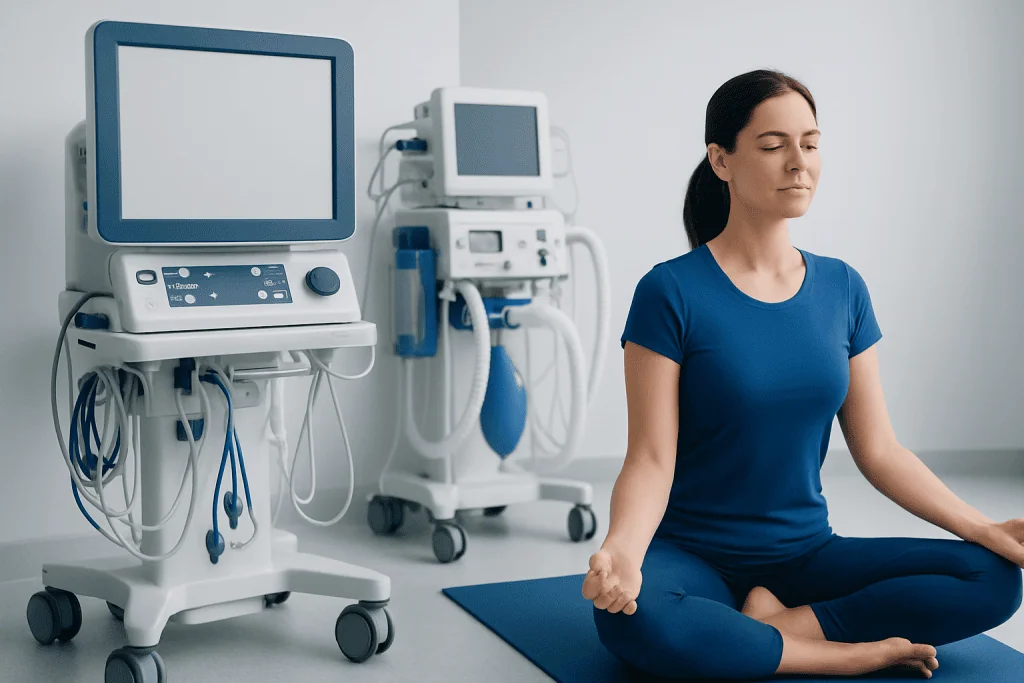
One of the most recognized yoga benefits is improved flexibility. Gentle, repeated stretching may increase range of motion in muscles and joints over time. This can make daily activities easier, such as bending, reaching, climbing stairs, or sitting with better posture. Better mobility may also help some people feel less stiff, particularly if they spend long hours sitting.
Yoga can also build strength. Many poses ask the body to support its own weight, which can strengthen the legs, hips, back, shoulders, and core muscles. Core strength is especially important because it helps stabilize the spine and may support better movement patterns during work, walking, and other exercise.
Balance and coordination are additional physical benefits. Standing poses and transitions challenge the body to stay steady, which can be useful as people age. Better balance may lower the risk of falls in some individuals, especially when yoga is part of a broader activity plan. Breath-focused movement may also support more efficient breathing patterns and body awareness during exercise.
Some people use yoga as part of managing long-term musculoskeletal discomfort, especially when guided by a clinician or a qualified instructor. For example, carefully adapted movement can be useful alongside rehabilitation for some forms of back or neck discomfort, though persistent symptoms may need assessment for conditions such as lumbar herniated disc or other spine problems.
How yoga may support mental well-being

Yoga is often associated with stress relief, and this is one of the most meaningful benefits for many patients. Slow breathing, structured movement, and periods of quiet attention can help reduce the feeling of being constantly “switched on.” Some people notice they feel calmer after a single session, while others experience benefits gradually with regular practice.
Another reason yoga may help mental well-being is that it creates a routine for self-care. Setting aside time to move, breathe, and notice physical sensations can improve body awareness and help people recognize tension earlier. This may support healthier coping strategies for daily stress, work pressure, or poor sleep.
Yoga may also be helpful for sleep quality. Gentle evening practice, stretching, or relaxation-based yoga may make it easier for some people to fall asleep or feel less physically restless. Better sleep can then contribute to improved mood, concentration, and energy during the day.
That said, yoga is not a substitute for professional mental health treatment. If a person has severe anxiety, depression, trauma-related symptoms, panic attacks, or significant sleep problems, medical assessment is important. Yoga may be used as a supportive tool, but ongoing symptoms may need structured care such as counseling, medication, or other psychiatric care.
Who may benefit most from yoga
Yoga can be helpful for a wide range of people because it can be adapted to different ages, fitness levels, and health goals. Beginners often appreciate yoga as an entry point to movement because it can start gently and progress slowly. People who feel intimidated by high-intensity exercise may find yoga more approachable and easier to continue long term.
Older adults may benefit from yoga for mobility, posture, confidence with movement, and balance training, especially if classes are paced appropriately. Office workers may use yoga to address stiffness from prolonged sitting. Athletes sometimes add yoga to support flexibility, recovery, and body control between training sessions.
People living with chronic conditions may also explore yoga as part of a broader care plan, provided their doctor agrees. For example, some individuals with back pain, arthritis, obesity, or stress-related symptoms may find it useful when exercises are tailored to their abilities. In rehabilitation settings, a clinician may recommend movement therapy or structured physical therapy and rehabilitation before returning to independent yoga practice.
Pregnant women, people recovering from surgery, and those with limited mobility can often still participate using chair yoga, restorative yoga, or one-to-one instruction. The key is choosing the right style and receiving guidance on which movements to avoid or modify.
Limits, risks, and common misconceptions
Although yoga is often gentle, it is not risk-free. Strains, sprains, worsening joint pain, dizziness, and falls can happen if poses are forced, held too long, or attempted without enough preparation. The risk may be higher in people with osteoporosis, balance problems, uncontrolled blood pressure, recent surgery, glaucoma, hernias, or significant neck and spine disease.
A common misconception is that yoga always means deep stretching. In reality, pushing into pain is not the goal. Mild effort or stretching sensation may be expected, but sharp pain, numbness, tingling, chest discomfort, severe shortness of breath, or lightheadedness are warning signs to stop and seek advice.
Another misconception is that harder yoga is better yoga. Advanced poses are not required to gain health benefits. Simple, consistent practice often brings more benefit than occasional intense sessions. The safest approach is to build gradually and focus on controlled movement, breathing, and alignment rather than performance.
People with symptoms such as persistent back pain, radiating leg pain, repeated falls, or joint instability should not self-diagnose. Evaluation may be needed to identify causes such as a herniated disc, arthritis, or another condition before starting or advancing a yoga program.
How to start yoga safely and make it sustainable
Starting yoga does not require advanced flexibility or special athletic ability. For most beginners, the safest first step is to choose a beginner-friendly class, gentle yoga session, or medically informed program. A qualified instructor should encourage modifications, explain pose options, and support a pace that matches the individual rather than the group.
Simple preparation can reduce the chance of injury. It helps to wear comfortable clothing, use a stable mat, stay hydrated, and avoid heavy meals immediately before practice. People should also inform the instructor about pregnancy, recent surgery, chronic pain, dizziness, joint replacements, eye disease, or cardiovascular concerns.
Consistency matters more than duration. Even short sessions practiced several times a week may be beneficial. Many people do well by combining yoga with walking, strength training, and other forms of exercise. This creates a more balanced routine for heart health, muscle fitness, and mobility.
If a person has a known medical condition, especially involving the heart, lungs, nervous system, or musculoskeletal system, it is sensible to ask a clinician which movements are appropriate. In some cases, supervised exercise planning, rehabilitation, or orthopedic assessment may be helpful before beginning more demanding poses.
When to seek medical care
Yoga-related discomfort that settles quickly is often minor, but some symptoms deserve medical attention. A person should seek medical care if pain is severe, if a joint looks swollen or unstable, or if symptoms continue for several days despite rest and avoiding the triggering movement. Ongoing numbness, weakness, or radiating pain should also be assessed.
Urgent evaluation is important for chest pain, fainting, sudden shortness of breath, sudden severe headache, loss of balance, or signs of a serious injury after a fall. These symptoms are not typical effects of healthy exercise and should not be ignored.
Medical advice is also appropriate before starting yoga for people with recent surgery, uncontrolled chronic disease, frequent dizziness, advanced osteoporosis, pregnancy-related complications, or significant eye conditions such as glaucoma. The goal is not to discourage movement, but to make sure the activity is chosen safely.
For patients who need specialist input, Acibadem International’s multidisciplinary specialists and JCI-accredited hospitals diagnose and treat musculoskeletal, neurological, and other health conditions for international patients. A personalized assessment can help determine whether yoga is suitable, what modifications are needed, and whether additional treatment or rehabilitation would be more appropriate first.
Frequently asked questions
What are the main yoga benefits for overall health?
The main yoga benefits include improved flexibility, strength, balance, posture, and stress management. Many people also report better sleep, breathing awareness, and a greater sense of well-being when they practice regularly.
Is yoga enough exercise on its own?
Yoga can be a meaningful part of a healthy routine, but whether it is enough depends on the style and the person’s goals. Many adults still benefit from combining yoga with aerobic activity and strength training for broader heart and muscle health.
Can beginners do yoga even if they are not flexible?
Yes. Flexibility is not a requirement for starting yoga, and many people begin specifically to improve mobility over time. Beginner classes and modified poses can make practice accessible and safe.
Can yoga help with back pain?
Some people with back pain find that gentle, well-guided yoga helps reduce stiffness and improve movement. However, persistent, severe, or radiating pain should be medically assessed first, because the cause may need targeted treatment.
Is yoga safe for older adults?
Yoga can be safe and helpful for older adults when the class is appropriate and poses are adapted for balance, joint health, and strength. Chair yoga, gentle yoga, and one-to-one instruction may be especially useful for those with limited mobility or fall risk.
How often should someone practice yoga to notice benefits?
Benefits often develop gradually, and regular practice matters more than long sessions. Many people notice changes with short sessions done a few times each week, especially when yoga is practiced consistently and safely.
This article is for general information only and is not a substitute for professional medical advice. Please consult a qualified doctor about your individual situation.
Explore treatments in Turkey — costs, top hospitals & a free quote
JCI-accredited · board-certified surgeons · reply within 24h
Add us as a Preferred Source to see more of our trusted health content across Google Search, AI Overviews and Discover.

More from the Health Library

Attcrm: A Complete Medical Overview

Chlorzoxazone — Explained by Medical Evidence, Not Myths

Sperm Cell — Explained by Medical Evidence, Not Myths

Frostnip: A Complete Medical Overview

Ipmn Pancreas: An Evidence-Based Guide for Patients