Yoga for Beginners — Explained by Medical Evidence, Not Myths
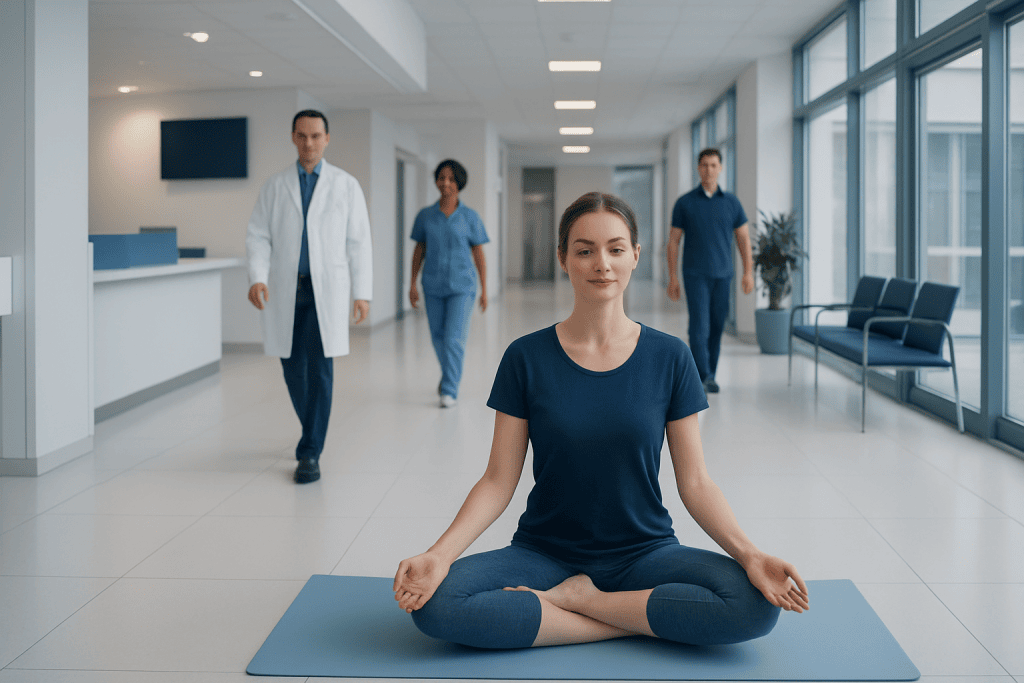
Yoga can support flexibility, balance, muscle strength, stress reduction, and general wellbeing. Beginners do not need advanced poses; simple, well-aligned movements are often the safest and most effective place to start.
Key Takeaways
- Yoga can support flexibility, balance, muscle strength, stress reduction, and general wellbeing.
- Beginners do not need advanced poses; simple, well-aligned movements are often the safest and most effective place to start.
- A gradual approach, normal breathing, and attention to pain signals help reduce the risk of strain or injury.
- Yoga may benefit some chronic conditions, but it should complement—not replace—medical care.
- People with pregnancy, recent surgery, severe pain, dizziness, heart disease, or spine problems should ask a doctor which styles and poses are appropriate.
Yoga for beginners is generally a safe, low-impact way to improve flexibility, balance, strength, breathing, and stress control when approached gradually. Medical evidence supports yoga as a useful wellness practice for many people, but it is not a cure-all and should be adapted to individual health needs.
Overview: What yoga for beginners really means
Yoga for beginners means starting with simple postures, controlled breathing, and short sessions that match a person’s mobility and fitness level. From a medical perspective, yoga is best understood as a mind-body exercise practice rather than a test of flexibility or a collection of difficult poses. For most healthy adults, beginner yoga can be a practical way to move more, reduce stress, and build body awareness.
Evidence suggests that regular yoga may help improve balance, flexibility, muscle endurance, sleep quality, and emotional wellbeing. It may also ease some types of persistent musculoskeletal discomfort when practiced appropriately. However, yoga is not a universal treatment and it does not work the same way for every person. Benefits usually come from consistency, proper instruction, and choosing techniques that fit the individual’s health status.
One reason myths persist is that yoga is often presented in extreme forms on social media. In reality, many evidence-based benefits come from gentle or moderate practice. A beginner does not need to sit cross-legged comfortably, touch the toes, or hold long poses. Chairs, blocks, straps, cushions, and wall support can make the practice safer and more accessible.
What medical evidence says about the benefits

Research on yoga is broad, although study quality varies by condition and style. Overall, medical evidence supports yoga as a helpful lifestyle practice for improving flexibility, balance, and functional movement. Many people also report better stress control, calmer breathing, and improved concentration. These effects are biologically plausible because yoga combines movement, breath regulation, and focused attention.
For mental wellbeing, yoga may reduce perceived stress and support mood in some people, especially when practiced regularly. It is not a substitute for professional care when someone has significant anxiety, depression, trauma-related symptoms, or other mental health conditions, but it can be a useful complement to treatment. If stress is strongly affecting daily life, assessment for depression or other mental health concerns may be appropriate.
For physical health, gentle yoga may help with stiffness, posture awareness, and certain types of back or neck discomfort. Some rehabilitation plans for herniated disc or recurrent muscle tension include carefully selected stretching and strengthening under professional guidance. Evidence is less clear for claims that yoga can detoxify the body, replace cardiovascular exercise, cure hormonal problems, or eliminate chronic pain on its own. Those claims go beyond what good evidence can support.
Common myths beginners should ignore

A common myth is that yoga is only for very flexible people. In fact, flexibility is one possible result of practice, not a requirement for starting. People with tight muscles, limited mobility, larger bodies, or older age can still benefit from beginner-friendly yoga. Another myth is that difficult poses are necessary for results. Medically, the opposite is often true: a simpler, stable pose with good alignment is usually safer and more effective than an advanced one done with strain.
Another misconception is that yoga is always risk-free because it is gentle. Any physical activity can cause injury if it is done too intensely, too quickly, or with poor technique. Overstretching, holding the breath, forcing the neck, or repeatedly loading sensitive wrists, knees, or the lower back can trigger pain. That is why instructors often encourage a “mild effort” approach rather than pushing to the edge of discomfort.
Some beginners also believe yoga should replace medical treatment. Evidence does not support using yoga as the sole treatment for heart symptoms, severe joint disease, major depression, or neurological problems. Instead, yoga may fit into a broader care plan. For example, people who need structured recovery after injury or surgery may benefit more from physical therapy and rehabilitation before or alongside a yoga program.
How beginners can start safely
The safest way to begin is with short, manageable sessions two to four times per week. Ten to twenty minutes is enough at first. Styles described as gentle, beginner, restorative, chair-based, or hatha are often easier entry points than fast-paced or highly heated classes. A qualified instructor should offer options, encourage normal breathing, and avoid pressuring students into pain.
Good beginner sessions usually include a warm-up, a few basic standing and seated poses, calm breathing, and a short relaxation period. Helpful early poses may include mountain pose, cat-cow, child’s pose with support if comfortable, seated forward fold with bent knees, gentle twists, bridge pose, and supported balance work near a wall. People with wrist pain can often modify floor-based positions by using fists, forearms, wedges, or chairs.
Safety cues matter. Pain is different from a stretch sensation; sharp, pinching, electric, or radiating pain is a signal to stop. Breath-holding can raise strain and reduce stability, so steady breathing is important. If someone has chronic back pain, arthritis, balance problems, or deconditioning, a clinician may suggest an individualized exercise plan, sometimes including orthopedic rehabilitation or supervised exercise instruction before independent classes.
- Wear comfortable clothing and use a stable, non-slip surface.
- Move slowly into and out of poses.
- Keep knees slightly bent if hamstrings are tight.
- Use blocks, cushions, or a chair without hesitation.
- Stop any movement that causes dizziness, numbness, or joint pain.
Who should modify yoga or ask a doctor first
Many people can begin beginner yoga without difficulty, but some situations call for caution. A person should ask a doctor before starting if they have recent surgery, severe osteoporosis, uncontrolled high blood pressure, significant heart or lung disease, repeated falls, severe arthritis, or a spinal condition with nerve symptoms. Pregnancy, especially with complications or pelvic pain, also deserves tailored advice on safe positioning and intensity.
People with low back pain, neck pain, sciatica, joint instability, or prior dislocations may still be able to practice, but they often need modified poses and close attention to form. Certain movements, such as deep forward folds, strong twists, headstands, shoulder stands, or aggressive backbends, may not be appropriate in some conditions. If symptoms include radiating leg pain, weakness, or numbness, evaluation for sciatica or another nerve-related problem is sensible before continuing.
Those with dizziness, fainting, migraines triggered by inversion, or eye conditions affected by pressure changes should be especially careful with rapid position changes or upside-down poses. Beginners with chronic disease do not need to avoid yoga altogether, but a personalized plan is safer than guessing. In some cases, medical assessment, rehabilitation, or supervised exercise provides the best starting point.
A realistic beginner routine and what progress looks like
A realistic beginner routine focuses on comfort, repetition, and body awareness rather than intensity. Progress often shows up as easier daily movement, better posture, less stiffness after sitting, calmer breathing during stress, and improved confidence with balance. Large gains in flexibility are not necessary to consider the practice successful.
One simple weekly structure is two or three short sessions that alternate between mobility, gentle strengthening, and relaxation. For example, one session might emphasize breathing, cat-cow, supported child’s pose, and a short relaxation. Another could include mountain pose, chair-supported squats, gentle lunges, bridge pose, and side stretches. Walking and basic strength exercise can be added on other days because yoga does not need to do everything.
Beginners should expect some mild muscle awareness, especially in the legs and core, but not lingering joint pain. Improvement usually comes gradually over weeks, not overnight. If a person feels worse after most sessions, the style may be too intense, the poses may need modification, or an underlying issue may need evaluation. Some people benefit from structured movement support such as Pilates or rehabilitation-based exercise to build core control before progressing to more demanding yoga classes.
When to seek medical care
Medical care is important if yoga brings on chest pain, severe shortness of breath, fainting, loss of balance with injury, or new neurological symptoms such as weakness, numbness, or loss of bladder or bowel control. These are not routine exercise effects and should not be ignored. Sudden swelling, severe joint pain, or back pain after a specific movement also deserves prompt assessment.
A doctor should also be consulted if pain keeps returning during or after practice, especially in the neck, lower back, hips, knees, or wrists. Repeated pain may reflect technique issues, overuse, or an underlying condition that needs diagnosis. Persistent dizziness, headaches triggered by certain poses, or symptoms that disrupt sleep are other reasons to seek advice.
If expert assessment is needed, Acibadem International’s multidisciplinary specialists and JCI-accredited hospitals diagnose and treat musculoskeletal, neurological, and rehabilitation-related conditions for international patients. The goal is to identify whether symptoms are related to exercise technique, a temporary strain, or a medical issue that needs targeted care.
Frequently asked questions
Is yoga for beginners safe?
For most healthy adults, beginner yoga is generally safe when it starts slowly and uses basic poses. Safety improves when the person avoids pain, breath-holding, and advanced positions, and asks for medical advice if they have a chronic condition or recent injury.
How often should a beginner do yoga?
Many beginners do well with two to four short sessions per week. Even 10 to 20 minutes at a time can be helpful if practice is consistent and balanced with rest and other forms of movement.
Does a beginner need to be flexible to start yoga?
No. Flexibility is not a requirement for yoga; it is one possible result over time. Beginners can use bent knees, chairs, blocks, straps, and cushions to make poses more comfortable and accessible.
Can yoga help with stress and sleep?
It may. Breathing exercises, gentle movement, and relaxation techniques can support stress reduction and better sleep in some people, especially when practiced regularly. However, persistent insomnia or severe anxiety should still be discussed with a healthcare professional.
Can yoga replace other exercise?
Usually not completely. Yoga can improve mobility, balance, and body awareness, but many people also benefit from walking, strength training, and other aerobic activity for overall health. A well-rounded routine often works best.
What should a beginner avoid in yoga?
Beginners should avoid forcing stretches, copying advanced poses, and pushing through sharp or radiating pain. Deep backbends, extreme twists, inversions, or prolonged weight-bearing on painful joints may need to be skipped or modified.
References
- World Health Organization
- National Center for Complementary and Integrative Health
- American College of Sports Medicine
- National Institutes of Health
- Centers for Disease Control and Prevention
This article is for general information only and is not a substitute for professional medical advice. Please consult a qualified doctor about your individual situation.
Joint and spine care in Turkey — expert assessment & treatment
JCI-accredited · board-certified surgeons · reply within 24h
Add us as a Preferred Source to see more of our trusted health content across Google Search, AI Overviews and Discover.