Yoga for Stress Management: What Patients Need to Know
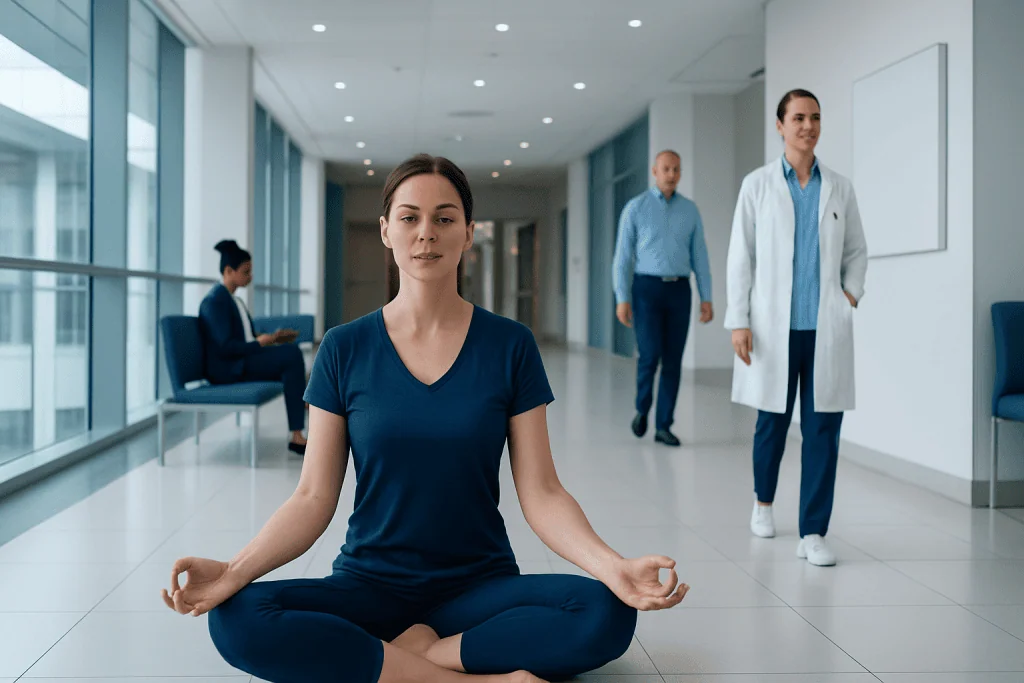
Yoga may help reduce stress by combining movement, breathing, and mindful attention. Gentle, regular practice is often more effective than intense or occasional sessions.
Key Takeaways
- Yoga may help reduce stress by combining movement, breathing, and mindful attention.
- Gentle, regular practice is often more effective than intense or occasional sessions.
- Yoga can support better sleep, muscle relaxation, and emotional resilience.
- People with pain, heart disease, pregnancy, or balance problems may need modifications.
- Persistent anxiety, low mood, panic, or physical symptoms should be discussed with a doctor.
Yoga for stress management can be a helpful, evidence-informed tool for reducing physical tension, calming the mind, and improving overall well-being. It works best as a regular practice that combines movement, breathing, and relaxation, and it should complement—not replace—medical care when stress is severe or persistent.
What yoga for stress management means
Yoga for stress management is a practical approach that uses gentle physical postures, breathing exercises, and relaxation techniques to help the body and mind shift out of a prolonged stress response. Many patients find that it reduces muscle tension, slows breathing, and creates a greater sense of control during busy or emotionally difficult periods. It is not simply exercise; it is a mind-body practice that can support both physical comfort and emotional regulation.
Stress affects the nervous system, sleep, concentration, and even digestion. When stress becomes ongoing, the body may remain in a heightened state of alertness, making it harder to rest and recover. Yoga aims to counter this by encouraging slower breathing, focused attention, and controlled movement. These elements can help activate the body’s relaxation response and improve awareness of how stress is showing up physically.
For some people, yoga is most useful as part of a broader stress-care plan that may also include sleep hygiene, counseling, regular physical activity, and treatment for underlying medical issues. If stress is linked with ongoing anxiety, panic symptoms, or sleep problems, patients may also benefit from assessment for related conditions such as anxiety disorders or sleep disorders.
How yoga may help the body and mind
Stress often creates a cycle of shallow breathing, muscle tightness, racing thoughts, and poor sleep. Yoga may help interrupt that cycle in several ways. Slow, deliberate breathing can reduce the feeling of breathlessness that sometimes accompanies stress. Gentle stretching and posture work may ease tension in the neck, shoulders, jaw, and lower back—common places where stress is held in the body.
Yoga also encourages attention to the present moment. This can be helpful for patients who feel mentally overloaded, distracted, or caught in repetitive worry. By focusing on breath, alignment, and sensation, many people experience a temporary reduction in mental clutter. Over time, some develop better awareness of early stress signals, which may help them respond sooner with rest, pacing, or coping strategies.
There may also be indirect benefits. Patients who practice yoga regularly often report better sleep quality, improved energy, and a greater sense of emotional steadiness. These changes can make day-to-day stress feel more manageable. However, effects vary from person to person, and yoga should not be viewed as a cure for significant mental health conditions or for stress caused by untreated medical illness.
What a stress-focused yoga practice usually includes
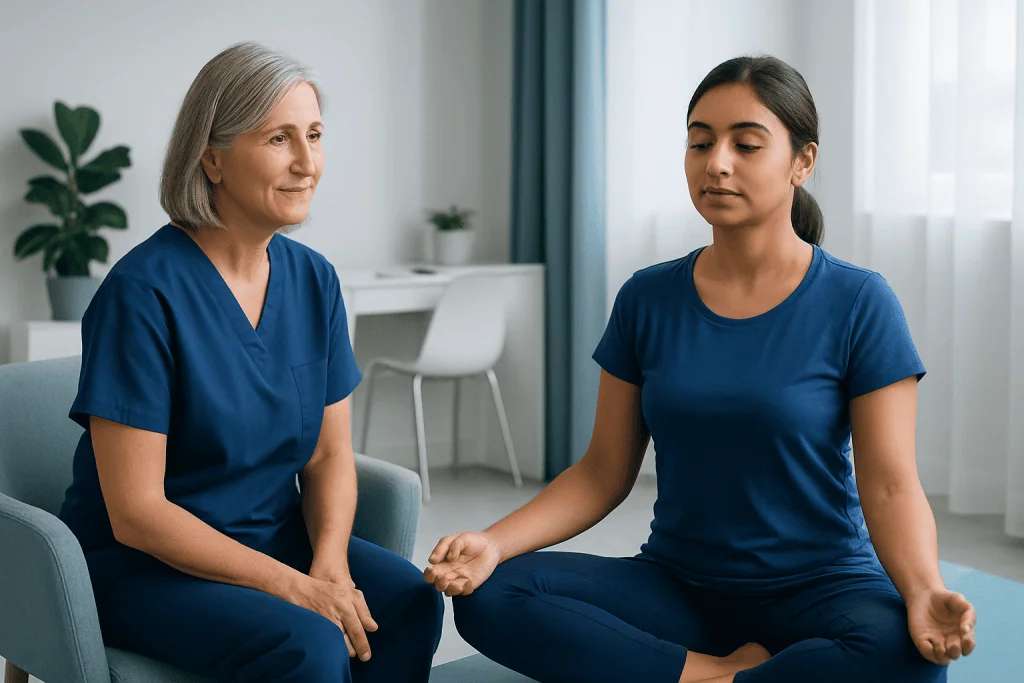
Yoga for stress management does not need to be advanced or physically demanding. In many cases, the most helpful styles are gentle and accessible. A typical stress-focused session may include simple seated or lying breathing exercises, slow stretches, supported poses, and a brief relaxation period at the end. The goal is usually to calm the nervous system rather than to improve flexibility or athletic performance.
Common techniques include diaphragmatic breathing, extended exhalation, gentle twists, forward folds, and guided body awareness. Restorative yoga and beginner-friendly hatha yoga are often well suited to stress reduction. Some patients also benefit from guided meditation or mindfulness components, especially when stress is accompanied by mental overactivity or difficulty winding down before sleep.
Useful elements may include:
- Breathing exercises that slow and deepen the breath
- Gentle postures that reduce tension in tight muscle groups
- Mindfulness practices that improve focus and awareness
- Relaxation at the end of practice, such as lying rest or guided calm breathing
- Short, regular sessions that feel sustainable rather than overwhelming
Patients who want structured support may benefit from supervised programs that combine movement and therapeutic exercise, such as physical therapy and rehabilitation, especially if stress is contributing to muscle pain or posture-related discomfort.
Who may benefit most—and when caution is needed
Yoga may be especially helpful for people who notice that stress shows up in the body through headaches, tight shoulders, fatigue, poor sleep, or a sense of being constantly tense. It can also be useful for people who prefer a non-drug, self-directed method to support relaxation. Office workers, caregivers, students, and people recovering from illness or burnout often find gentle yoga approachable because it can be adapted to different ages and fitness levels.
At the same time, yoga is not one-size-fits-all. Some poses may not be appropriate for people with balance problems, joint instability, recent surgery, severe osteoporosis, uncontrolled high blood pressure, certain eye conditions, or significant back or neck pain. Very intense classes, prolonged breath-holding, or hot yoga may be unsuitable for some patients. People who are pregnant should seek guidance on modifications, and anyone with a chronic medical condition should ask a clinician what type of activity is safest.
Emotional responses also matter. For some patients with trauma histories, panic, or severe anxiety, quiet body-focused practices can initially feel uncomfortable rather than soothing. In these cases, shorter sessions, trauma-informed instruction, or a more gradual approach may help. If stress is associated with chest discomfort, palpitations, fainting, severe insomnia, or worsening mood, medical assessment is important before relying on self-care alone.
How to start yoga safely for stress relief
Beginning slowly is often the best approach. Patients do not need expensive equipment or long sessions to benefit. A quiet space, comfortable clothing, and a non-slip mat or firm surface are usually enough. Starting with 10 to 15 minutes a few times a week may feel more realistic than trying to complete long classes. Consistency usually matters more than intensity.
It can help to choose beginner-level, gentle, or restorative classes rather than fast-paced formats. Clear instruction is important, especially for people with pain, mobility limitations, or no previous yoga experience. If a movement causes pain, dizziness, shortness of breath, or a sense of strain, it should be stopped or modified. Yoga for stress management should generally feel calming and sustainable, not punishing.
Simple steps for a safer start include:
- Choose a beginner or restorative style
- Practice after discussing limitations with a healthcare professional if there is a medical condition
- Avoid comparing flexibility or performance with others
- Use props such as cushions, blocks, or chairs when needed
- Stop if symptoms worsen or if pain appears sharp, radiating, or persistent
Patients with ongoing neck, back, or joint discomfort may benefit from evaluation and a tailored plan through orthopedic care or rehabilitation support before starting a new routine.
How yoga fits with medical treatment and other stress strategies
Yoga can be a valuable part of a broader health plan, but it works best when matched to the cause and severity of stress. For mild to moderate everyday stress, regular yoga may provide meaningful support. For more persistent symptoms, it is often most effective when combined with established treatments such as psychotherapy, structured exercise, sleep interventions, and medical review of contributing conditions.
Patients should remember that stress can overlap with anxiety, depression, thyroid problems, chronic pain, menopause, sleep disorders, and cardiovascular symptoms. If the main problem is severe worry, panic episodes, persistent sadness, or inability to function normally, yoga should be seen as supportive care rather than a substitute for diagnosis and treatment. In some cases, clinicians may recommend counseling, medication, or referral to a specialist.
Helpful companion strategies include regular sleep and wake times, limiting excessive caffeine, staying physically active, eating balanced meals, and building pauses into the day. Patients whose stress is linked to difficult emotional symptoms may need care through psychiatry or psychological support. Near the end of the care pathway, patients may also seek integrated evaluation from centers such as Acibadem International, where multidisciplinary specialists in JCI-accredited hospitals diagnose and treat stress-related health concerns for international patients.
When to seek medical care
Yoga is generally a supportive wellness practice, but some symptoms need medical attention. Patients should contact a healthcare professional if stress is frequent, lasts for weeks, disrupts sleep, affects appetite, or interferes with work, school, or relationships. Medical review is also important if there are signs that stress may be masking another condition, such as persistent fatigue, unexplained weight change, headaches, digestive symptoms, or ongoing pain.
Urgent medical care is needed for chest pain, severe shortness of breath, fainting, suicidal thoughts, sudden confusion, or symptoms that suggest a heart, neurological, or psychiatric emergency. Panic symptoms can feel intense and frightening, but because some emergencies can look similar, it is safest to get prompt evaluation when symptoms are new, severe, or unusual.
Patients should also seek advice if yoga itself triggers pain, dizziness, worsening anxiety, or repeated discomfort in the neck, back, or joints. A doctor or qualified therapist can help identify safer modifications and determine whether further testing or treatment is needed.
Frequently asked questions
Is yoga for stress management really effective?
Yoga can be helpful for many people because it combines gentle movement, breathing, and focused attention. These elements may lower physical tension and improve relaxation. Results vary, and it usually works best when practiced regularly rather than occasionally.
What type of yoga is best for stress relief?
Gentle styles such as restorative yoga, beginner hatha yoga, and slow, breath-centered sessions are often the most suitable for stress relief. Very intense or competitive classes are usually less helpful when the main goal is calming the nervous system. The best style is one that feels safe, comfortable, and sustainable.
How often should someone practice yoga for stress?
Short, regular sessions are often more useful than long, infrequent ones. Many people start with 10 to 20 minutes several times a week and adjust based on comfort and schedule. Consistency matters more than complexity.
Can yoga replace medication or therapy for anxiety or depression?
Yoga should not replace prescribed treatment for anxiety, depression, or other mental health conditions without medical advice. It can be a supportive addition to therapy, lifestyle changes, and medication when needed. Anyone with significant or worsening symptoms should speak with a qualified clinician.
Is yoga safe for beginners or older adults?
Yoga can be safe for beginners and older adults when the practice is adapted to individual needs. Chair-based options, props, and supervised beginner classes can make it more accessible. People with medical conditions, balance problems, or chronic pain should ask a healthcare professional what modifications are appropriate.
Can yoga help with stress-related sleep problems?
Yoga may help some people sleep better by reducing tension and encouraging a slower, calmer transition into rest. Gentle evening stretching, breathing exercises, and relaxation practices are often more helpful than vigorous sessions before bed. If sleep problems are persistent, medical assessment is advisable.
References
- World Health Organization
- National Center for Complementary and Integrative Health
- American Psychological Association
- National Institute of Mental Health
- Centers for Disease Control and Prevention
This article is for general information only and is not a substitute for professional medical advice. Please consult a qualified doctor about your individual situation.
Explore treatments in Turkey — costs, top hospitals & a free quote
JCI-accredited · board-certified surgeons · reply within 24h
Add us as a Preferred Source to see more of our trusted health content across Google Search, AI Overviews and Discover.

More from the Health Library

Doggystyle: What Patients Need to Know

Ear Irrigation: What Patients Need to Know

Frothy Sputum: An Evidence-Based Guide for Patients

Prickley Pear: A Complete Medical Overview

5 Elements: An Evidence-Based Guide for Patients