Yoni Massage: An Evidence-Based Guide for Patients

Yoni massage is a non-medical wellness term, not a formal diagnosis or standard medical therapy. Gentle external touch may help some people with relaxation and body awareness, but benefits vary and evidence is limited.
Key Takeaways
- Yoni massage is a non-medical wellness term, not a formal diagnosis or standard medical therapy.
- Gentle external touch may help some people with relaxation and body awareness, but benefits vary and evidence is limited.
- Pain, burning, bleeding, discharge, or persistent discomfort should not be attributed to massage alone and deserve medical evaluation.
- For pelvic pain or sexual pain, assessment may include gynecology, pelvic floor physical therapy, and screening for infections or skin conditions.
- Consent, comfort, hygiene, and stopping with any pain are essential for safety.
Yoni massage refers to intentional touch of the vulva and surrounding pelvic tissues, often discussed in the context of relaxation, body awareness, and sexual wellness. It is not a standard medical treatment, but some related techniques may overlap with clinician-guided pelvic floor therapy for selected symptoms such as pelvic tension or pain.
Overview: What yoni massage means
Yoni massage is a term often used outside conventional medicine to describe massage or intentional touch involving the vulva, vaginal opening, and nearby pelvic tissues. In wellness settings, it is commonly framed as a practice for relaxation, self-awareness, intimacy, or stress relief. In medical care, however, the term itself is not a recognized treatment category.
It is helpful to distinguish wellness language from healthcare practice. Some techniques people associate with yoni massage may overlap with evidence-based approaches such as external soft-tissue work, scar massage, relaxation training, or clinician-guided pelvic floor physical therapy. These medical approaches are used for specific symptoms, such as pelvic floor tension, pain with intercourse, or recovery after childbirth or surgery.
Because the topic involves intimate anatomy, reliable information matters. A patient-friendly, evidence-based approach focuses on anatomy, consent, comfort, hygiene, and the need to evaluate symptoms that might point to infection, a skin disorder, hormone-related changes, or another treatable cause.
What it may and may not do
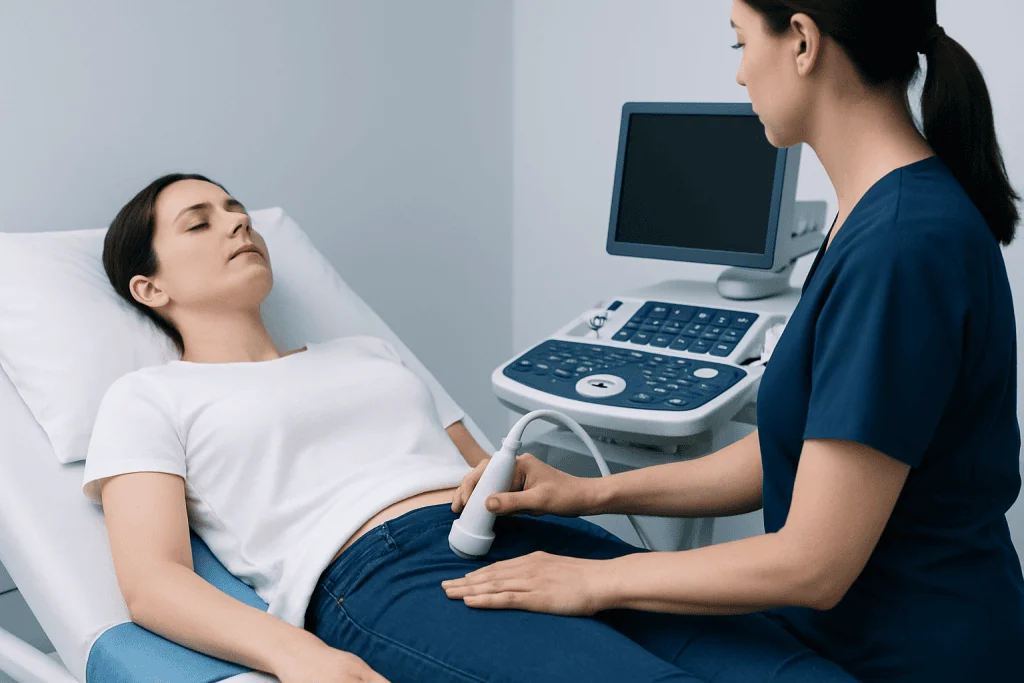
Some people report that gentle vulvar or pelvic massage helps them feel more relaxed, more connected to their body, or more aware of areas of tension. Relaxation itself can be meaningful, especially when stress contributes to general muscle tightness. For a person who is comfortable with touch and has no underlying medical problem, gentle external massage may be part of a broader self-care routine.
At the same time, yoni massage should not be viewed as a cure for gynecologic symptoms, sexual pain, infertility, trauma, hormonal symptoms, or chronic pelvic disorders. Evidence for the wellness practice as a stand-alone intervention is limited, and research is much stronger for targeted medical evaluation and pelvic floor rehabilitation when symptoms are present.
When pain is involved, more pressure is not better. Persistent discomfort during touch can signal pelvic floor spasm, vulvar skin irritation, infection, hormonal dryness, or a pain condition such as vaginismus. Identifying the reason for symptoms usually matters more than trying multiple self-directed techniques.
Possible uses in a clinical context

Although yoni massage is not a formal medical therapy, related methods may be used by trained clinicians as part of care. Pelvic floor physical therapists sometimes use breathing work, posture training, relaxation, trigger-point release, stretching, and external or internal manual therapy when these are appropriate and consented to. The goal is not sensual stimulation; it is symptom relief and improved function.
Examples of symptoms that may lead to a clinical assessment include pelvic heaviness, pain with tampon use, pain with intercourse, muscle guarding, postpartum pelvic discomfort, and tension associated with chronic stress. In these situations, a specialist may recommend pelvic floor physical therapy after a full history and exam.
Some patients also need evaluation for structural or gynecologic conditions rather than muscle tension alone. Depending on symptoms, a doctor may consider problems such as infection, endometriosis, vulvar dermatitis, cysts, or hormonal changes. If there is pain deeper in the pelvis, a broader work-up for endometriosis or other causes may be needed.
Safety, consent, and hygiene
Safety starts with consent and comfort. Any touch involving intimate areas should be fully voluntary, easy to pause, and stopped immediately if there is pain, fear, numbness, or emotional distress. If the activity is with a partner, clear communication before and during the experience is essential.
Hygiene also matters. Hands should be clean, nails trimmed, and any products used on the vulvar area should be gentle and fragrance-free. Harsh oils, perfumed products, warming agents, and household items can irritate delicate skin. If a lubricant is used, choosing one intended for intimate use may reduce friction.
It is usually best to avoid massage if there is active irritation, a rash, sores, unexplained bleeding, fever, new discharge, or suspected infection. People who are pregnant, recently postpartum, healing from pelvic surgery, or recovering from gynecologic treatment should ask their clinician what is safe for their situation. Those with trauma-related concerns may benefit from a slower, trauma-informed discussion with a qualified professional.
Symptoms that need medical evaluation
Not all genital or pelvic symptoms are due to tension. Burning, itching, a strong odor, unusual discharge, bleeding after sex, swelling, visible skin changes, or a new lump may suggest infection, inflammation, a dermatologic condition, or another medical issue. These symptoms should be assessed rather than managed with repeated massage.
Pain with intercourse can have several causes, including pelvic floor dysfunction, vaginal dryness, infections, scar sensitivity, hormonal changes, and conditions affecting the vulva or cervix. Some causes are straightforward to treat once identified. Others may require coordinated care from gynecology, dermatology, pain specialists, or rehabilitation professionals.
Doctors may evaluate related concerns with a pelvic exam, swabs or urine testing, imaging, or referral for gynecologic assessment and treatment. When symptoms suggest the urinary tract is involved, such as burning with urination or bladder discomfort, clinicians may also consider urologic evaluation as part of a broader pelvic health work-up.
How doctors diagnose pelvic or vulvar discomfort
A careful diagnosis begins with listening. A clinician will usually ask where the discomfort is felt, when it started, whether it is related to touch, sex, urination, menstrual cycles, exercise, childbirth, or surgery, and whether there are skin symptoms such as itching or redness. This history often provides important clues.
The physical exam may include a gentle external inspection of the vulva and surrounding skin, followed by an internal exam only if appropriate and with the patient’s consent. In some cases, clinicians assess pelvic floor muscle tone and tenderness to see whether muscle overactivity is contributing to symptoms. Lab tests may be used to check for infection, and imaging can help if there is concern about deeper pelvic causes.
The purpose of diagnosis is to identify the actual source of symptoms, not simply to label them as stress-related. For many patients, reassurance is important: pelvic and vulvar symptoms are common, and effective treatment often begins once the underlying issue is clarified.
Treatment options and self-care
Treatment depends on the cause. If a person has a skin condition, irritation, or infection, medical treatment is usually more helpful than massage. If the main problem is pelvic floor tension or pain with penetration, treatment may involve relaxation techniques, education about anatomy, breathing exercises, and structured rehabilitation. A specialist may advise gradual desensitization, lifestyle changes, or specific therapies based on the diagnosis.
Self-care can still play a role. Helpful steps may include avoiding scented soaps and irritants, wearing breathable underwear, using appropriate lubrication during sexual activity, managing constipation, and reducing activities that worsen symptoms. For some people, mindfulness, stress reduction, and gentle external touch around the hips, lower abdomen, or inner thighs can support comfort without focusing directly on painful tissue.
When symptoms are ongoing, professional guidance is often the safest way forward. In complex cases, multidisciplinary care may be useful. Near the end of the care pathway, patients may wish to know that Acibadem International’s multidisciplinary specialists in JCI-accredited hospitals diagnose and treat pelvic and women’s health conditions for international patients.
When to seek medical care
Medical care is important if genital or pelvic discomfort is persistent, worsening, or interfering with daily life, exercise, urination, tampon use, or sexual activity. A clinician should also assess any new lump, rash, sores, unexplained bleeding, fever, or unusual discharge. These symptoms may have treatable causes and should not be overlooked.
Urgent evaluation is needed for severe pelvic pain, heavy bleeding, fainting, fever with pelvic symptoms, or signs of a significant allergic reaction after using a product on the skin. It is also wise to seek help if intimate touch triggers anxiety, panic, or resurfacing trauma; emotional safety is part of healthcare.
In general, yoni massage should be seen as a personal wellness practice rather than a substitute for diagnosis or treatment. If there is uncertainty about what is safe, a qualified doctor or pelvic health therapist can help clarify the next best step.
Frequently asked questions
Is yoni massage a medical treatment?
No. Yoni massage is a wellness term rather than a standard medical treatment. Some related techniques may overlap with pelvic floor therapy, but medical care is based on diagnosis, consent, and symptom-focused treatment.
Can yoni massage help with pelvic pain?
It may help some people relax, but pelvic pain has many possible causes and should not be self-diagnosed. If pain is ongoing or occurs with penetration, urination, or menstruation, a medical evaluation is the safest next step.
Is it normal to feel sore afterward?
Mild temporary sensitivity can occur with friction or pressure, but pain should not be expected or pushed through. Ongoing soreness, burning, bleeding, or irritation suggests that the tissue may be inflamed or that another condition needs attention.
When should someone avoid yoni massage?
It is best avoided during active infection, unexplained bleeding, open sores, significant irritation, or severe pain. People who are pregnant, recently postpartum, or recovering from surgery should ask a clinician what is appropriate for them.
What is the difference between yoni massage and pelvic floor physical therapy?
Pelvic floor physical therapy is a healthcare service provided by trained clinicians to treat specific symptoms such as muscle tension, pain, or dysfunction. Yoni massage is a non-medical wellness practice and is not a substitute for evaluation or treatment.
Can yoni massage treat vaginismus or painful sex?
Not by itself. Conditions such as vaginismus and painful sex often improve most with proper diagnosis and a structured plan, which may include education, pelvic floor therapy, lubrication strategies, and treatment of any underlying medical cause.
This article is for general information only and is not a substitute for professional medical advice. Please consult a qualified doctor about your individual situation.
Explore treatments in Turkey — costs, top hospitals & a free quote
JCI-accredited · board-certified surgeons · reply within 24h
Add us as a Preferred Source to see more of our trusted health content across Google Search, AI Overviews and Discover.

More from the Health Library

Tubal Ligation Reversal: What Patients Need to Know

Eisoptrophobia: An Evidence-Based Guide for Patients

Lactic Acid for Skin: An Evidence-Based Guide for Patients

Blue Tansy: An Evidence-Based Guide for Patients

Pumpkin Seeds High in Magnesium: A Complete Medical Overview