Your First Oncology Appointment: Step-by-Step Guide

The first oncology appointment usually focuses on reviewing test results, medical history, symptoms, and treatment options. Bringing records, medication lists, insurance or identification documents, and a support person can make the visit easier.
Key Takeaways
- The first oncology appointment usually focuses on reviewing test results, medical history, symptoms, and treatment options.
- Bringing records, medication lists, insurance or identification documents, and a support person can make the visit easier.
- Patients can expect time for questions about diagnosis, stage, treatment goals, side effects, and timing.
- Additional tests may be needed before a final treatment plan is confirmed.
- It is reasonable to take notes, ask for explanations in plain language, and request a second opinion if needed.
- Emotional support, nutrition guidance, and practical planning are often part of cancer care from the beginning.
A first oncology appointment is designed to explain the diagnosis, confirm important details, and outline the next steps in care. Knowing what to bring, what questions to ask, and how decisions are made can help patients feel more prepared and informed.
Overview: What a First Oncology Appointment Is For
A first oncology appointment is an important early step after a possible or confirmed cancer diagnosis. Its main purpose is to help the oncology team understand the patient’s health situation in detail, review available test results, and begin building a treatment plan. The visit also gives the patient and family a chance to ask questions and understand what comes next.
In many cases, one appointment does not answer every question immediately. Cancer care often depends on pathology reports, imaging, blood tests, and sometimes additional biopsies or specialist reviews. For that reason, the first consultation may focus on gathering information, explaining the diagnosis as clearly as possible, and identifying any further tests needed before treatment starts.
The exact structure of the visit can vary depending on the type of cancer, the patient’s symptoms, and whether the appointment is with a medical oncologist, radiation oncologist, or surgical oncologist. Some people are referred because of an abnormal scan or biopsy, while others already have a diagnosis and need advice on the best treatment approach. Even when the situation feels overwhelming, the goal of the appointment is to create clarity and a safe plan.
How to Prepare Before the Visit
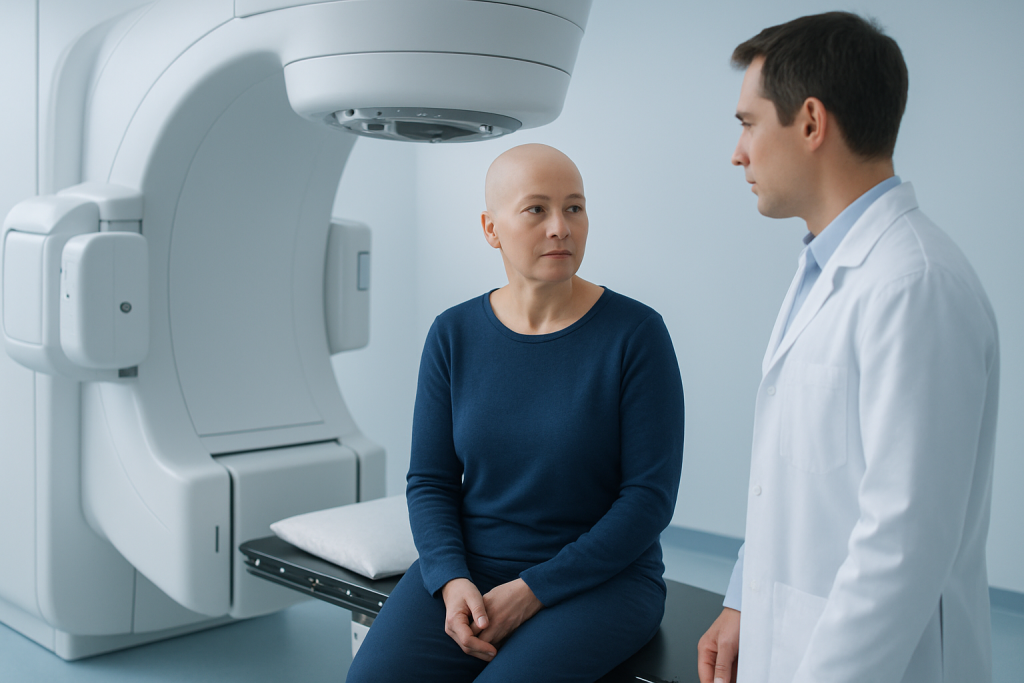
Preparation can make the first oncology appointment more productive and less stressful. Patients are usually encouraged to bring all available medical records related to the diagnosis. These may include pathology reports, biopsy results, blood test reports, imaging results, and CDs or digital copies of scans when available. A complete medication list, including vitamins and supplements, is also helpful.
It can be useful to write down symptoms, past medical conditions, allergies, previous surgeries, and family history of cancer before the visit. Bringing a notebook or using a phone to record questions can help patients remember important topics during the discussion. Common questions include what type of cancer is suspected or confirmed, whether it has spread, what treatment choices exist, and how urgently treatment should begin.
Many people find it helpful to bring a trusted family member or friend. A support person can listen, take notes, and provide emotional support. If language interpretation is needed, arranging this in advance may improve communication. Wearing comfortable clothing and allowing extra time for registration, possible blood tests, or paperwork can also make the day easier.
- Bring identification, referral documents, and insurance information if required.
- Carry copies of test results and imaging whenever possible.
- Prepare a list of medications, allergies, and current symptoms.
- Write down questions and concerns in advance.
- Consider bringing a support person to help listen and remember details.
What Usually Happens During the Appointment

At the beginning of the visit, the oncology team will usually review the patient’s medical history and the events leading to the referral. This often includes symptoms, previous tests, current medications, and any personal or family history that may affect diagnosis or treatment. A physical examination may also be performed, depending on the cancer type and the patient’s condition.
The oncologist then explains what is known so far. This may include the type of cancer, where it started, and whether more information is needed to determine the stage. Patients often hear unfamiliar terms such as grade, stage, biomarkers, or molecular testing. These details can help guide treatment and predict how the cancer may behave, so it is appropriate to ask for simple explanations of each term.
Some first visits lead directly to a treatment recommendation, while others end with a plan for more testing. Depending on the situation, the oncologist may discuss options such as chemotherapy, surgery, radiation therapy, targeted therapy, hormone therapy, or immunotherapy. The team may also explain how different specialists work together in multidisciplinary cancer care and why recommendations sometimes change as more information becomes available.
Questions Patients May Want to Ask
Many patients worry that they will forget what to ask once the consultation starts. This is common, especially when hearing difficult news. Preparing a short list of questions can help make the discussion more focused and useful. There is no need to understand every detail at once, but it is important to leave the visit with a general sense of the diagnosis and next steps.
Helpful questions often include: What type of cancer is this? Has it been staged yet? Are more tests needed? What are the treatment goals, such as cure, control, or symptom relief? What side effects are common, and how are they managed? Patients may also ask how quickly treatment should begin and whether getting a second opinion would be reasonable in their case.
Practical questions matter too. Patients can ask where treatment will be given, how often visits may be needed, whether they may continue working or traveling, and who to contact between appointments. It may also help to ask whether supportive services such as nutrition counseling, pain management, fertility advice, psychosocial support, or palliative care could be useful during treatment.
Tests, Diagnosis, and Treatment Planning
One of the most important parts of the first oncology appointment is understanding how the diagnosis is confirmed. Cancer diagnosis often depends on biopsy and pathology review, but imaging and blood tests may also be needed to show the size of the tumor or whether it has spread. In some cases, the oncologist may request repeat testing, expert pathology review, or advanced imaging before finalizing a treatment plan.
Treatment planning is highly individualized. The oncology team considers the cancer type, stage, tumor biology, symptoms, age, overall health, and patient preferences. For some cancers, genetic or molecular testing of the tumor helps identify whether immunotherapy or other specialized treatments may be appropriate. In other situations, surgery may be the first step, followed by additional therapy based on the final pathology findings.
Patients may also learn that cancer care is often delivered in sequence. For example, one person may need surgery first and then chemotherapy, while another may receive medicines before surgery to shrink a tumor. Some patients are referred to a disease-specific center for conditions such as breast cancer or lung cancer, where planning may involve several specialists reviewing the case together. This step-by-step process helps match treatment to the individual diagnosis rather than using a single approach for everyone.
Emotional Support, Daily Life, and Self-Care
It is normal to feel anxious, shocked, confused, or emotionally numb before and after a first oncology appointment. Many patients find that the period between diagnosis and treatment planning is one of the hardest parts because there is still uncertainty. Reassurance often comes from understanding the plan, having a clear contact point, and knowing that support is available throughout treatment.
Simple self-care measures can help during this time. Rest, regular meals, hydration, gentle physical activity when possible, and staying connected with supportive people can make a meaningful difference. Patients do not need to manage everything alone. Social workers, psychologists, nurses, dietitians, and patient navigators may all be part of the care team, depending on the center.
It can also help to take one step at a time. Keeping a folder for reports, writing down appointments, and using a calendar for tests and medications may reduce stress. Some people want detailed information immediately, while others prefer smaller amounts of information at each visit. Both approaches are valid, and patients can tell the team what communication style feels most comfortable.
When to Follow Up and When to Seek Urgent Help
After the first oncology appointment, the patient should usually know what happens next. This may include more tests, another consultation, referral to another specialist, or a planned treatment start date. If any part of the plan is unclear, patients should contact the clinic and ask for clarification. Understanding the timeline can reduce uncertainty and help with practical arrangements such as work leave, childcare, or travel.
Patients should also know which symptoms need urgent medical attention. Sudden shortness of breath, chest pain, high fever, heavy bleeding, severe uncontrolled pain, confusion, dehydration, or inability to keep fluids down should be reported promptly. The care team can explain which warning signs are especially important for the patient’s specific diagnosis and overall health.
For those seeking care abroad or coordinating complex treatment, choosing an experienced center may provide access to multiple specialists in one place. Acibadem International’s multidisciplinary specialists and JCI-accredited hospitals diagnose and treat cancer for international patients, with care plans tailored to the individual’s condition and treatment goals.
Frequently asked questions
How long does a first oncology appointment usually take?
The length can vary, but first visits are often longer than routine appointments because they involve reviewing records, discussing diagnosis, and planning next steps. Some visits also include an examination or additional tests, so patients should allow extra time.
Should a family member or friend come to the appointment?
Many patients find it helpful to bring a trusted support person. This person can take notes, help remember information, and provide emotional support during a stressful conversation.
Will treatment start at the first oncology appointment?
Sometimes treatment can be scheduled soon after the first visit, but it does not always begin that day. Many patients need additional tests, pathology review, or meetings with other specialists before the final treatment plan is confirmed.
What if the patient does not understand the diagnosis or medical terms?
It is completely appropriate to ask the oncologist to explain things in simpler language. Patients can also ask the team to repeat information, write down key points, or provide printed summaries when available.
Is it acceptable to get a second opinion?
Yes, second opinions are a normal part of cancer care and can help patients feel more confident about the diagnosis and treatment plan. In many situations, another specialist may confirm the original recommendation or offer additional options to consider.
What records are most important to bring?
The most useful records usually include pathology or biopsy reports, imaging reports, scan images if available, blood test results, referral notes, and a medication list. If some records are missing, the clinic may still be able to help obtain them.
References
- National Cancer Institute
- American Society of Clinical Oncology
- World Health Organization
- National Comprehensive Cancer Network
- Centers for Disease Control and Prevention
This article is for general information only and is not a substitute for professional medical advice. Please consult a qualified doctor about your individual situation.
Oncology care in Turkey — second opinion and treatment plan
JCI-accredited · board-certified surgeons · reply within 24h
Add us as a Preferred Source to see more of our trusted health content across Google Search, AI Overviews and Discover.

Medical Oncology Department
Medical treatment of cancer with chemotherapy, immunotherapy and targeted therapies under a multidisciplinary tumor board.
60 specialists in this unit