Zygote: A Complete Medical Overview

A zygote is the single cell formed immediately after fertilization. It contains genetic material from both the egg and the sperm.
Key Takeaways
- A zygote is the single cell formed immediately after fertilization.
- It contains genetic material from both the egg and the sperm.
- The zygote quickly begins dividing and developing into an embryo.
- Most questions about zygotes arise in discussions of conception, fertility, and IVF.
- Problems at the zygote or early embryo stage may affect implantation or pregnancy progression.
A zygote is the first cell created when a sperm fertilizes an egg. It carries a complete set of genetic material and marks the beginning of embryonic development, making it a key concept in human reproduction and fertility care.
Overview: What Is a Zygote?
A zygote is the very first cell formed after a sperm cell successfully fertilizes an egg cell. In humans, this happens when the genetic material from both parents combines into one complete set of chromosomes. In simple terms, the zygote is the earliest biological starting point of a new embryo.
This stage is brief but very important. Soon after it forms, the zygote starts dividing into more cells while traveling through the fallopian tube toward the uterus. These early divisions do not make the overall structure larger at first; instead, the single cell is partitioned into many smaller cells as development begins.
People often encounter the term zygote when learning about reproduction, pregnancy, infertility, or assisted reproductive techniques such as IVF treatment. Understanding what a zygote is can make it easier to follow discussions about conception, embryo growth, implantation, and the earliest stages of pregnancy.
How a Zygote Forms
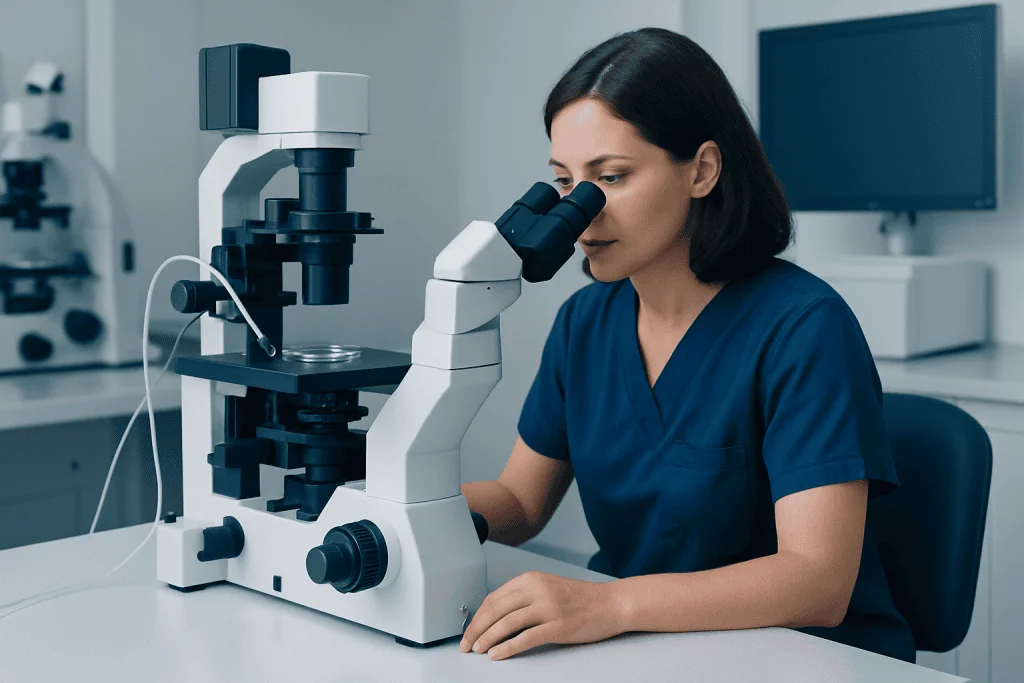
Zygote formation begins with ovulation, when an ovary releases a mature egg. If sperm reaches the egg in the fallopian tube, one sperm may penetrate the egg’s outer layers. Once this happens, changes in the egg help prevent additional sperm from entering, which supports normal fertilization.
After entry, the genetic material from the sperm and egg comes together. Each contributes half of the total chromosome set, and their union creates a single-cell zygote with a full human genome. This genetic combination helps determine many inherited traits, although gene expression and later development are influenced by several complex biological processes.
The zygote then begins a series of cell divisions called cleavage. It progresses through early stages that lead to a morula and then a blastocyst. If development continues normally, the blastocyst reaches the uterus and may implant in the uterine lining, which is essential for pregnancy to continue.
Why the Zygote Matters in Early Development

The zygote matters because it is the first organized step in human development after fertilization. It contains the full DNA needed to guide cell division, tissue formation, and the later development of organs and body systems. Although this is only one cell at the start, it represents the beginning of a highly coordinated developmental process.
During the first several days, the zygote and the cells that arise from it must divide in an orderly way. These events prepare the conceptus for implantation in the uterus. Successful implantation depends not only on the developing embryo but also on the health of the uterine lining, hormone balance, and timing within the menstrual cycle.
Because this stage is so early, many changes happen before a person even knows they are pregnant. Questions about the zygote often overlap with broader topics such as ovulation, fertility assessment, and conditions that may affect conception, including infertility.
What Can Affect Zygote Development?
Several factors can influence whether a zygote forms and develops normally. Egg quality, sperm quality, age, hormonal balance, and the health of the reproductive organs all play a role. Even when fertilization occurs, not every zygote continues to develop into a viable embryo or implants successfully in the uterus.
Chromosomal abnormalities are one important reason early development may stop. These changes can arise in the egg, sperm, or during the first cell divisions. In many cases, this happens naturally and is not caused by anything a person did or did not do. Early developmental arrest is common in human reproduction, including natural conception.
Other factors may also interfere with early pregnancy, such as problems with ovulation, blocked fallopian tubes, uterine abnormalities, endometriosis, or certain male-factor fertility issues. Lifestyle and health factors, including smoking, heavy alcohol use, uncontrolled chronic illness, and severe nutritional deficiencies, may also reduce the chance of healthy conception and development.
- Maternal and paternal age
- Egg and sperm health
- Hormone levels and ovulation patterns
- Fallopian tube and uterine conditions
- Genetic or chromosomal abnormalities
- General health and lifestyle factors
Zygote in Natural Conception and IVF
In natural conception, the zygote usually forms in the fallopian tube after intercourse during the fertile window. It then travels to the uterus over several days. This process is not felt directly, and there are usually no symptoms that specifically indicate zygote formation. Early pregnancy symptoms, when they appear, typically happen later.
In fertility medicine, specialists may observe fertilization and early embryo development more closely. During in vitro fertilization, eggs are collected and combined with sperm in the laboratory. If fertilization occurs, the resulting zygote can be monitored as it develops into an embryo before transfer to the uterus.
Some patients may need additional techniques to support fertilization, depending on the cause of infertility. For example, when sperm has difficulty entering the egg on its own, fertility specialists may consider intracytoplasmic sperm injection as part of assisted reproduction. In selected cases, genetic assessment of embryos may also be discussed before transfer, depending on medical history and specialist advice.
How Doctors Evaluate Problems Related to Early Fertilization
There is no routine test done in everyday pregnancy care to check a zygote directly after natural conception. Instead, when conception is delayed or recurrent early pregnancy loss is suspected, doctors evaluate the factors that affect fertilization and implantation. This may include a review of menstrual history, ovulation patterns, prior pregnancies, and general medical conditions.
Common fertility testing may involve blood tests for hormones, semen analysis, ultrasound, and imaging or procedures to assess the uterus and fallopian tubes. Depending on the situation, a specialist may also look for conditions such as ovulation disorders, endometriosis, uterine polyps, fibroids, or tubal blockage. These tests help identify why fertilization, zygote development, or implantation may not be happening as expected.
In assisted reproduction, laboratory assessment can provide more information about fertilization success and embryo growth. If pregnancy losses happen repeatedly, doctors may also discuss genetic factors or evaluations related to recurrent pregnancy loss when clinically appropriate.
Supporting Reproductive Health: Prevention and Self-Care
No one can fully control whether a zygote will form or develop normally, but healthy reproductive habits can support the best possible conditions for conception. A balanced diet, regular sleep, exercise, avoiding tobacco, and limiting alcohol are sensible steps for both partners. Managing chronic conditions such as diabetes or thyroid disease is also important before trying to conceive.
People planning pregnancy are often advised to discuss preconception care with a qualified clinician. This may include medication review, vaccination updates, folic acid guidance, and evaluation of menstrual or fertility concerns. Seeking help early can be especially useful for those with irregular periods, known reproductive conditions, or a history of miscarriage.
For individuals or couples who need specialist support, fertility care may include ovulation tracking, treatment of underlying conditions, or advanced reproductive options. Near the end of the care pathway, centers such as Acibadem International offer multidisciplinary fertility evaluation and treatment in JCI-accredited hospitals for international patients, including approaches such as egg freezing when medically appropriate.
When to Seek Medical Care
Most people do not need medical attention simply because they want to understand what a zygote is. However, it is reasonable to seek care if pregnancy is not happening after a period of trying, if menstrual cycles are very irregular, or if there is a history of miscarriage, pelvic infection, endometriosis, or known male-factor fertility concerns.
Medical advice is also important for symptoms such as severe pelvic pain, abnormal bleeding, fever, or signs of a possible ectopic pregnancy in early gestation. Anyone who has a positive pregnancy test followed by one-sided pain, dizziness, fainting, or heavy bleeding should seek urgent medical evaluation.
A reproductive health specialist can help clarify whether the issue relates to ovulation, fertilization, implantation, or another medical condition. Early assessment can guide the safest next steps and help patients understand the range of available diagnostic and treatment options.
Frequently asked questions
What is a zygote in simple terms?
A zygote is the first single cell created when a sperm fertilizes an egg. It contains the full set of genetic material needed to begin human development.
How long does the zygote stage last?
The zygote stage is very short. It begins at fertilization and quickly transitions into early cell division stages over the next day or so, before continuing toward the morula and blastocyst stages.
Is a zygote the same as an embryo?
Not exactly. A zygote is the earliest single-cell stage immediately after fertilization, while an embryo refers to later early developmental stages after the cell has divided multiple times.
Can a zygote be seen on an ultrasound?
No, a zygote is far too small to be seen on a standard pregnancy ultrasound. Ultrasound can detect later pregnancy structures, usually after implantation and further development have occurred.
Does every zygote become a pregnancy?
No. Some zygotes do not continue developing, and some embryos do not implant in the uterus. This can happen naturally and is often related to chromosomal or other biological factors.
What is the difference between a zygote and a fetus?
A zygote is the first cell formed at fertilization, while a fetus is a much later stage of prenatal development. Many developmental steps occur between these two stages, including embryo formation and organ development.
References
- World Health Organization
- American College of Obstetricians and Gynecologists
- American Society for Reproductive Medicine
- Centers for Disease Control and Prevention
- National Institutes of Health
This article is for general information only and is not a substitute for professional medical advice. Please consult a qualified doctor about your individual situation.
IVF & fertility treatment in Turkey — success rates and costs
JCI-accredited · board-certified surgeons · reply within 24h
Add us as a Preferred Source to see more of our trusted health content across Google Search, AI Overviews and Discover.
Check your numbers in seconds
BMI, calories, due date, blood pressure and 30+ more clinical calculators — free, instant, doctor-reviewed ranges.

More from the Health Library

Barre — Explained by Medical Evidence, Not Myths

Clenbuterol: A Complete Medical Overview

Upper Body Workout: What Patients Need to Know

Infant in Crib: An Evidence-Based Guide for Patients

Liver Flukes: What Patients Need to Know