

After You Accept a Treatment Quote in Turkey: Your Next Steps Before Travel

After you accept a treatment quote in Turkey, the work shifts from deciding to coordinating. Expect requests for complete medical records, a discussion of realistic dates, and confirmation of which parts of the plan still depend on in-person assessment. Only then book flights, prepare a document folder, arrange any companion, and agree how admission, discharge and follow-up will work before you travel.
You have said yes to the quote. What actually happens now, and what should you do first?
From this point, the process becomes practical rather than exploratory: confirming medical details, sending records, arranging travel, preparing documents, and getting ready for admission. This guide walks through each of those steps in order, including the parts that commonly cause delays, so you can travel with fewer surprises and a plan you understand.
At a glance
- Best for: International patients who have accepted a quote and are preparing to travel
- Main goal: Turn an accepted quote into a confirmed treatment and travel plan
- What to prepare: Medical records, passport and visa, medication list, travel dates, written questions
- Who helps: International patient coordinators, specialist teams, interpreters
- Typical sequence: Confirm acceptance → send records → agree dates → book travel → prepare documents → arrival checks → treatment → discharge planning
What happens after you accept a treatment quote in Turkey
Accepting a quote is the point where planning becomes detailed. After you accept a treatment quote in Turkey, the hospital or international patient team usually moves from broad eligibility discussions to practical coordination: confirming your medical information, checking whether any tests are needed before travel, and discussing dates that suit both you and the specialist team. It is normal for some details to be refined at this stage, particularly if your care plan depends on updated reports or a further specialist review. That refinement is not a warning sign. It reflects how medical planning works when the doctor has not yet examined you in person.
Expect a series of follow-up requests rather than immediate final scheduling. These typically include copies of imaging, laboratory results, a summary from your current doctor, a full medication list, and details of previous operations or ongoing conditions. Complete records sent early reduce delays and lower the chance of repeating tests unnecessarily after you arrive. Incomplete records are one of the most common reasons a confirmed date slips.
If you are working with Acibadem, a coordinator helps organise communication between you and the relevant clinical team: which documents are still needed, whether your preferred dates are realistic, and how your first hospital visit is likely to be structured. The guide At Acibadem, what happens after you accept a quote and before you arrive in Turkey describes that sequence in more detail.
One point worth stating plainly: after you accept a treatment quote in Turkey, you have not lost the right to ask questions. Anything unclear in the plan is still fair to raise, and answers in writing are easier to rely on later than answers by phone.
Confirm the treatment plan before you book travel
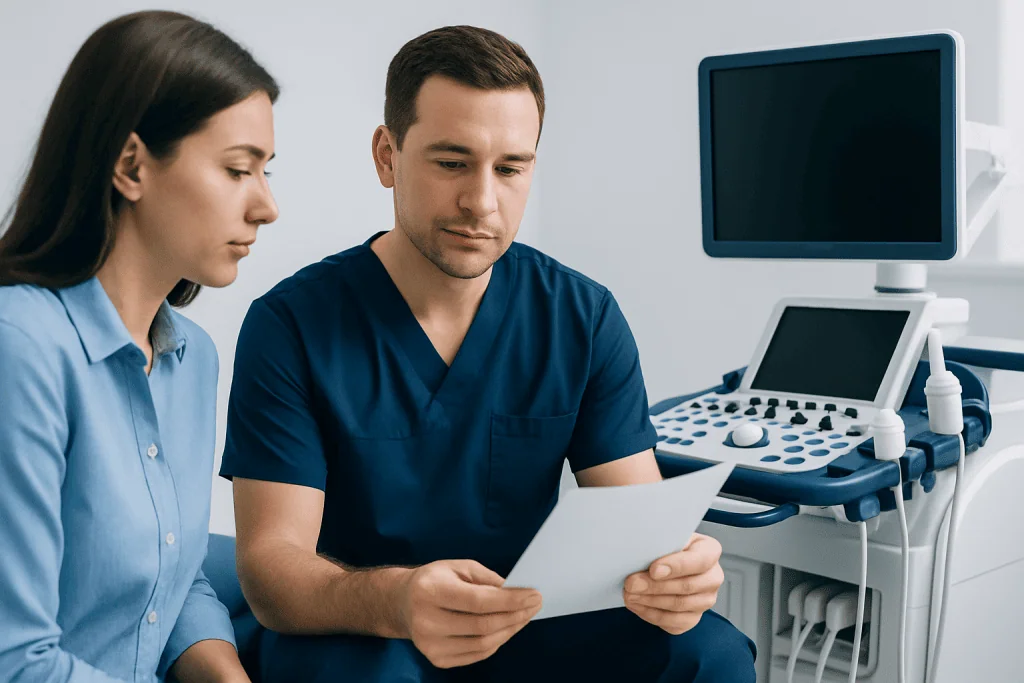
Before buying flights, make sure you understand exactly what has been quoted and what still depends on in-person assessment. A quote is built on the medical information available at the time it was prepared. Once a specialist examines you or reviews newer results, the plan may be adjusted. Again, this does not necessarily signal a problem; medicine often requires confirmation at the bedside. What matters is knowing in advance which elements are fixed and which are provisional. If your health, medication list or test results change between acceptance and departure, it is reasonable to ask whether the quote still reflects your situation — the guide on when to ask for an updated quote before travelling to Turkey covers the situations where this matters most.
Put your practical questions in writing so you can refer back to the answers. Useful points to confirm before booking anything include:
- Which doctor or department will see you first on arrival, and when
- Whether additional tests are expected before treatment, and whether any can be done at home first
- How many hospital visits are likely during your stay
- Whether your dates should stay flexible in case the plan changes after examination
- What post-treatment review is required before you can fly home
- Whether the quoted plan includes consultations, imaging, anaesthesia assessment, hospital stay and follow-up during the same trip
That last question deserves particular care, because “included” means different things at different hospitals. The guide At Acibadem, what your treatment quote includes before you travel explains how inclusions are typically structured, so you can compare your own document against it line by line.
Gather your records, documents and health information

One of the most useful things you can do after you accept a treatment quote in Turkey is build a single folder — digital and printed — containing everything that matters. Include your passport copy, the quote or confirmation email, recent reports, imaging discs or online access links, prescriptions, allergy information, and emergency contact details. If your records are not in English or Turkish, ask in advance whether the most important documents need translation, and who arranges it. Translation done at the last minute is a frequent source of delay.
Prepare your own short medical summary as well: your diagnosis or main concern, current symptoms, previous operations, chronic conditions, current medications with doses, and any past reactions to medicines or anaesthesia. Even when the hospital already holds your records, a clear one-page summary in your hand is valuable during airport transit, admission and consultations, especially if you are tired or a companion is speaking on your behalf.
Do not neglect the routine paperwork. Check your passport validity against Turkey’s entry requirements, confirm whether you need a visa or e-visa for your nationality, and review your travel insurance conditions — many standard policies treat planned medical treatment abroad differently from ordinary travel, so read the exclusions before you rely on the policy. Leave copies of your itinerary, hospital contact details and accommodation information with someone at home, particularly if you are travelling for a significant procedure.
Book travel with your medical timeline in mind
Medical travel works best when transport plans serve the care plan, not the other way around. Avoid compressing arrival, consultations, treatment and departure into a very tight window unless the hospital has specifically said your case suits it. A buffer before key appointments protects you against flight delays, fatigue after a long journey, and the possibility of extra pre-treatment tests.
When choosing flights and accommodation, think beyond price alone. Consider travel time from the airport to your hotel or hospital, how easily you will move around after treatment, and whether a companion can stay comfortably nearby. If someone is travelling with you, plan their role early — appointments, mobility support, communication — using the guide on bringing a companion to Turkey for treatment. International patient departments, including Acibadem’s, can advise on transfers, interpreters and accommodation options so the logistics match your expected pathway.
Two timing decisions deserve special caution. First, your outbound date: some conditions and some procedures mean you may need medical clearance to fly at all, which is explained in Medical fitness to fly to Turkey. Second, your return date: how soon you can fly home after treatment is a medical question, not a booking question, and is covered in how long before flying home you can travel after treatment. A flexible or changeable return ticket usually costs less stress than a fixed one that has to be rebooked from a hospital bed.
If your treatment may affect mobility or energy, plan for comfort from the start: airport assistance, a lift-access hotel room, and a slower schedule. Pack enough of your regular medicines in their original packaging for the whole trip plus a safety margin, in case your return is delayed. Any question about how those medicines fit around your treatment belongs to your treating doctor — raise it during your consultations rather than deciding alone.
Prepare financially and understand what may vary
This section contains no figures, deliberately — every case is quoted individually. What you can do after acceptance is understand the structure of your commitment. A quote covers a defined treatment plan; travel costs, companion expenses, extra hotel nights, meals, local transport and any additional tests sit around it. Keep a reserve for those variables rather than budgeting to the exact quoted plan.
Ask about payment timing and methods well before departure. It is far easier to learn now whether deposits, pre-authorisations or staged payments are required than to sort that out while travelling. If an insurer, embassy or other third party is paying, confirm exactly what documentation they need and who is responsible for approvals — and get that confirmation before you book flights, because approvals often take longer than patients expect.
Understand, too, why an estimate can legitimately change: a final diagnosis reached after examination, a change in the procedure plan, additional consultations, or a longer stay than anticipated. None of these is unusual in medical care. What protects you is clear communication — sharing any change in your health status with the hospital before travel, and asking for the plan and estimate to be reviewed in writing whenever something material changes.
Get ready for arrival, admission and your first days in Turkey
Your first 24 to 72 hours in Turkey are usually about orientation and confirmation. Depending on your treatment, you may have an initial consultation, blood tests, imaging, an anaesthesia assessment or other checks before the main procedure. Build your schedule expecting some waiting time between departments, and leave room to rest, particularly after a long-haul flight. Arriving exhausted the night before a major assessment helps nobody.
Pack for admission rather than for a holiday: comfortable loose clothing, chargers with a Turkish-compatible plug adapter, glasses or hearing aids if you use them, copies of your reports, and a short list of important phone numbers on paper as well as in your phone. If you use medical devices or have dietary, mobility or communication needs, make sure the international patient team knows before you travel, so arrangements can be discussed rather than improvised.
Many patients feel calmer once they know who will meet them on the ground. At Acibadem, coordinators and interpreters support practical communication across appointments, admission and discharge planning — help that matters most when you are tired, unfamiliar with Istanbul, or trying to keep a companion informed while focusing on your own care.
A few Turkish phrases you may hear
Searches about treatment quotes in Turkey often surface pages about Turkish sayings instead — a quirk of the word “quote”. Since you are travelling anyway, a handful of real phrases is genuinely useful. Merhaba means hello, and teşekkür ederim means thank you. Two you will hear as a patient: geçmiş olsun, said to anyone unwell or recovering, roughly “may it pass — get well soon”; and afiyet olsun, said around food, roughly “enjoy your meal”. Staff working with international patients speak English, and interpreters cover the clinical conversations, but a warm teşekkür ederim is always well received.
Plan ahead for recovery, return travel and follow-up
Before you even fly out, ask what recovery milestones you need to meet before travelling home. Depending on the treatment, this may include a follow-up examination, dressing changes, a medication review by your treating doctor, or specific advice about mobility and flying. Your return date should rest on medical clearance rather than convenience.
Ask, too, how follow-up works once you are home: which sensations are expected during recovery, which changes your team wants reported, and what the agreed channel is for questions after discharge. Before leaving Turkey, make sure you hold a discharge summary, relevant test results, prescriptions, and instructions clear enough to hand to your local doctor. The guide on what discharge documents you receive before you travel home lists what that pack typically contains.
If ongoing care continues in your home country, treat this trip as one stage of a longer journey. Confirm before departure whether remote check-ins, repeat imaging, pathology reviews or future visits are anticipated, and who initiates each one. Ten minutes of clarification in Istanbul saves weeks of uncertainty at home.
Step by step
- 1. Reply to confirm acceptance and preferred dates. Put your acceptance in writing and include your preferred travel window. If your dates are fixed by work, school or family, say so early — the team can then tell you honestly whether your schedule is realistic.
- 2. Provide all requested medical records promptly. Gather your latest reports, imaging, medication list and history and supply them as soon as possible. Complete information lets the specialist team review your case accurately and reduces unnecessary repetition after arrival.
- 3. Clarify what is included and what depends on in-person review. Ask which parts of the plan are confirmed and which may change after examination or testing in Turkey. This determines how flexible your travel bookings need to be.
- 4. Organise passport, visa, insurance and companion plans. Check passport validity and any visa rules for your nationality well in advance. If someone is coming with you, decide their role: appointments, mobility support, or simply staying close by.
- 5. Book flights and accommodation around the treatment schedule. Allow time for pre-treatment assessment, the treatment itself, and recovery before flying home. Prefer changeable return tickets over tight, fixed itineraries.
- 6. Build one medical and travel folder. Keep printed and digital copies of key records, prescriptions, hospital contacts and your itinerary together. It makes admission, airport transit and every consultation easier.
- 7. Confirm arrival support and follow-up before departure. Establish how airport transfer, interpreter support, registration, discharge and post-treatment review will work. Knowing the practical flow in advance makes the first days in Turkey far more manageable.
Your checklist
- Passport valid for the travel period and any required visa or e-visa arranged
- Written confirmation of the accepted quote and the planned dates
- Recent reports, imaging and a full medication list provided to the hospital
- Printed and digital copies of key documents packed together
- Flights and hotel booked with buffer time before and after treatment
- Companion arrangements confirmed if someone is travelling with you
- Regular medicines packed in original packaging with a spare supply
- Payment method, insurance paperwork or third-party approvals confirmed in writing
- Questions about recovery milestones and fit-to-fly timing answered before departure
Key takeaways
- After you accept a treatment quote in Turkey, the next steps are medical confirmation, document preparation and travel planning — usually in that order.
- Do not book tight travel until you know what is included and what still depends on in-person assessment.
- A complete record folder, a one-page medical summary and a full medication list save time and confusion on arrival.
- Build flexibility into flights, accommodation and budget, because tests, recovery and discharge timing can shift.
- Return dates depend on medical clearance, not on the ticket you happened to buy.
- Coordinators and interpreters exist to handle logistics so you can concentrate on treatment.
Frequently asked questions
Does accepting a treatment quote mean my treatment plan is completely final?
Not always. A quote is based on the medical information available when it was prepared, and some parts of the plan may still need confirmation after in-person examination or updated tests. Ask which elements are fixed and which are provisional, and keep the answers in writing.
When should I book my flights after accepting the quote?
Book once the hospital has given you enough clarity on timing, likely pre-treatment tests and expected length of stay. Keep some flexibility, especially on the return date, in case recovery or the final review takes longer than expected.
What documents should I bring with me to Turkey?
Your passport, the quote or booking confirmation, medical reports, imaging, prescriptions, allergy details, a full medication list, and emergency contacts. Carry both printed and digital copies; the printed set is surprisingly useful during transit and admission.
Should I travel alone or with a companion?
It depends on the treatment, your general health and your confidence with international travel. For more complex procedures, reduced mobility or language concerns, a companion adds real practical value — and their accommodation, role and schedule are worth planning before you book.
Will I need more tests after I arrive in Istanbul?
Possibly. Many patients have pre-treatment checks such as blood tests, imaging or specialist consultations after arrival to confirm the most appropriate plan. This is a routine part of preparation and does not by itself mean anything is wrong.
What should I ask before I leave Turkey after treatment?
Ask when it is medically appropriate to fly, what to expect during recovery, which changes your team wants reported, and how follow-up will work at home. Make sure you leave with a discharge summary, medication instructions and any reports your local doctor will need.
People searching this topic also find Turkish sayings — what do phrases like “geçmiş olsun” mean?
The word “quote” pulls in pages about Turkish expressions, which is why they appear alongside treatment guides. Two you will genuinely hear as a patient: geçmiş olsun, said to anyone unwell, roughly “may it pass — get well soon”, and afiyet olsun, said around meals, roughly “enjoy your food”. Teşekkür ederim means thank you.
Add us as a Preferred Source to see more of our trusted health content across Google Search, AI Overviews and Discover.

Update history
- PublishedJuly 6, 2026
- Medical review approvedSeptember 1, 2026
- Last content updateSeptember 1, 2026
References2
- CDC Travelers' Health — Medical Tourism — wwwnc.cdc.gov
- GOV.UK — Foreign travel advice: Turkey — gov.uk
More Patient Guides

CyberKnife Radiosurgery in Turkey: Candidacy, Treatment Schedule, and Travel Plans
CyberKnife radiosurgery in Turkey involves eligibility review, several planning steps and short outpatient visits; international patients can arrange care in Istanbul.
8 min read
Traveling to Turkey for Biopsy Review: What Happens Before Treatment Is Confirmed
Biopsy review in Turkey helps confirm your diagnosis before treatment, using pathology slides, reports and specialist assessment in Istanbul.
8 min read
Flying to Turkey with Recent Scan Results: How to Organize Reports and Images
Organize recent scan results for travel to Turkey by bringing reports, original image files, dates, and a clear medical summary for your…
8 min read
Questions to Ask Before Signing a Consent Form for Treatment in Turkey
Ask the right consent form questions before treatment in Turkey, including risks, alternatives, costs, language support and follow-up plans.
8 min read