

How a Treatment Plan Is Confirmed Before You Travel to Turkey

Confirmation happens in two stages. Before travel, specialists review your records, imaging and medical history and issue a preliminary plan covering the likely treatment, expected stay and next steps. The final decision is made only after an in-person examination and any updated tests in Turkey. The more complete and recent your records are, the more reliable the pre-travel plan will be.
You have a diagnosis, you have found a hospital abroad, and now you want to know one thing: can I book my flights yet? It is a fair question. The honest answer is that a good deal can be settled before you leave home, but not everything, and knowing where the line sits is what protects you from wasted trips and last-minute surprises.
This guide explains how a treatment plan is confirmed before you travel to Turkey: what specialists can decide from your records, what stays provisional until they examine you, and what that means for your flights, your budget planning and your time off work. It also covers how coordination, interpreting and follow-up support fit around the medical steps.
At a glance
- Procedure type: Pre-travel medical review and treatment planning: a process, not a procedure
- Purpose: To assess your records, outline a likely treatment pathway and let you travel with clear, realistic expectations
- Anaesthesia: Not applicable at the planning stage; depends on the treatment eventually recommended
- Hospital stay: Not applicable at the planning stage; the preliminary plan gives an expected length of stay for your case
- Estimated recovery: Varies entirely by procedure; a personalised timeline follows final confirmation
- Final result timeline: A provisional plan before travel; medical confirmation after in-person evaluation in Turkey
- Suitable department: International Patient Services together with the relevant specialist department
- International patient support: Interpreters, transfer guidance, accommodation support, appointment coordination and remote follow-up
What “confirming a treatment plan” actually means
Understanding how a treatment plan is confirmed before you travel to Turkey starts with one distinction: there are two confirmations, not one. The first is a preliminary confirmation, made remotely from your records. The second is the final medical confirmation, made in person after your doctor has examined you and reviewed any tests done at the hospital. Only the second one authorises treatment.
The preliminary stage usually begins with your first contact with the international patient team. Your medical records, imaging, laboratory results, medication list and a description of your symptoms are gathered and passed to the relevant specialty. The specialist then forms an initial opinion: whether treatment in Turkey looks appropriate, what type of treatment is likely, whether more tests will be needed, and roughly how long you should plan to stay. How records are reviewed before a plan is given is covered in detail in its own guide.
A pre-travel plan is a medical estimate, and it should be presented to you as one. In many cases the pathway outlined before travel matches what happens after arrival closely. In others, the examination or updated tests change the picture. Both are normal. What matters is that a treatment plan is confirmed before you travel to Turkey only to the extent your records allow, and that nobody pretends otherwise.
When is it recommended?
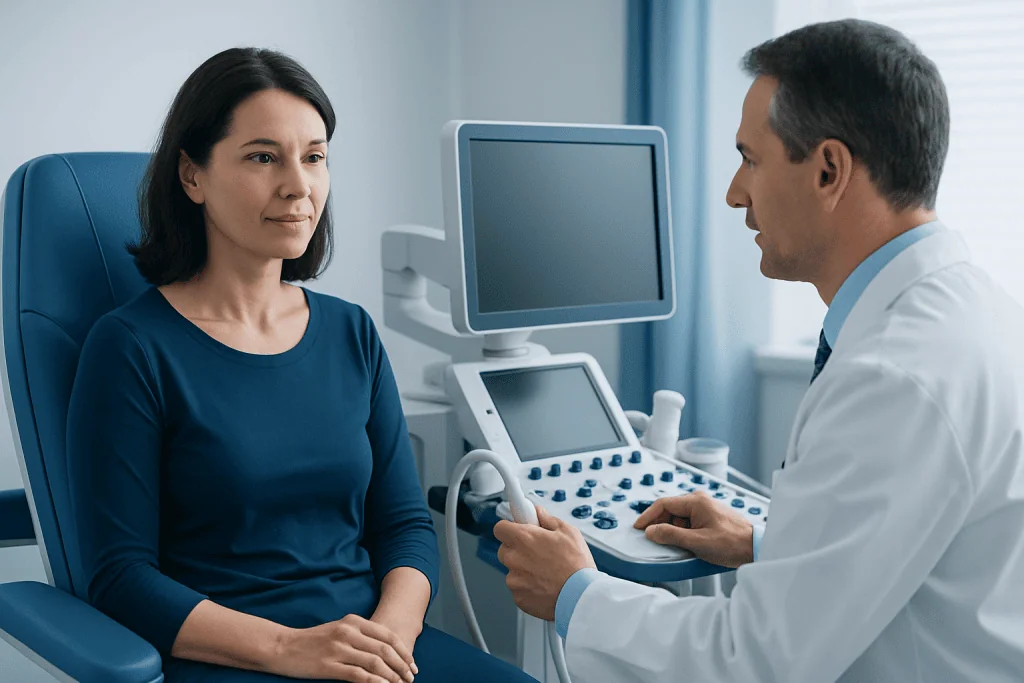
Pre-travel planning is sensible for anyone considering international travel for diagnosis, surgery or hospital-based treatment. It matters most when getting it wrong would be expensive or disruptive, which, for most people crossing a border for care, is always.
It is particularly valuable when your treatment is complex, involves more than one specialty, or depends on recent imaging or laboratory results. A structured review before travel lets the receiving team prepare, book the right consultations in the right order, and flag anything missing while you can still obtain it at home. If your case rests on pathology, the review may extend to a formal biopsy review before treatment is confirmed.
It is also recommended if you live with ongoing conditions, take regular medication, have had previous operations, or simply need a realistic estimate of your hospital stay before you can arrange leave, childcare or a companion. Careful review before travel does not remove uncertainty; it shrinks it to the parts that genuinely cannot be resolved remotely.
Who is a good candidate?

You get the most from pre-travel planning if you can share clear medical information in advance: clinic notes, scan reports and ideally the images themselves, blood results, pathology reports, procedure history and a plain summary of your current symptoms. The quality of the preliminary plan is limited by the quality of what the specialist can see.
The process suits you especially well if you want to compare treatment options before committing, understand whether a procedure is actually likely to be recommended in your case, or work out how much time to allow in Turkey for consultation, treatment and recovery checks.
Even straightforward cases benefit. Early review identifies missing documents, routes you to the right specialist first time, and clarifies whether you should travel soon, complete tests at home first, or reconsider your timeline. Some of those pre-travel tests are easier and cheaper to arrange locally than after arrival.
- Patients with a confirmed diagnosis who need a treatment pathway planned
- Patients who want a specialist opinion before booking flights
- Patients with previous surgery or complex medical histories
- Patients whose care crosses more than one department
What a preliminary plan can and cannot decide
The options in your plan depend entirely on your condition. At the planning stage, the specialist may outline one or more possible pathways: medication-based management, a minimally invasive procedure, surgery, combined treatment, or further diagnostic work-up before any definitive decision.
Sometimes your records support a fairly clear single recommendation. Sometimes the doctor identifies two reasonable options and says openly that the choice depends on examination findings or tests after arrival. Treat that honesty as a good sign. A remote opinion that leaves no room for the in-person assessment is promising more than the evidence in front of it supports.
Where your needs cross specialties, planning may involve a multidisciplinary review, so that consultations, imaging and treatment can be scheduled within one visit rather than several.
- Non-surgical management where appropriate
- Procedure-based or surgical treatment if indicated
- Additional imaging, blood tests or specialist assessments before the final decision
- Combined care plans for complex or multi-system conditions
The online evaluation and its limits
The online evaluation is usually the first practical step. Your documents and a description of your concerns are directed to the relevant specialty; depending on the condition, photographs, imaging files, laboratory results or previous operation reports may be requested to complete the picture.
The review aims to answer specific questions: is treatment potentially appropriate, are you likely fit to travel, what preparation is needed, and can treatment plausibly be scheduled soon after arrival? If key details are missing, a preliminary plan is delayed rather than guessed: a slower answer built on complete information is worth more than a fast one built on gaps.
Remote assessment has hard limits. A doctor cannot palpate a joint, listen to a chest or judge tissue quality through a scan report. Some findings only surface during physical examination or on updated tests done at the hospital. This is why serious providers describe the pre-travel plan as provisional, and why it is reasonable to ask for the plan in writing so you can see exactly what has and has not been confirmed.
Before you travel
Before departure you will typically be asked to prepare your records and practical details: passport information, current medications, known allergies, diagnoses, previous surgeries and copies of scans or reports. For visible conditions, good-quality photographs are often useful.
Send the most recent results available, particularly if your symptoms have changed. Outdated or incomplete information directly reduces the accuracy of the preliminary plan. Chronic conditions such as heart disease, diabetes or respiratory problems should be disclosed early: they affect anaesthesia planning, scheduling and travel advice, and hiding them helps nobody, least of all you.
You may also receive guidance on timing your trip, arranging your medication supply for the journey, and preparing questions for the specialist. If a procedure looks likely, general pre-operative information may be shared in advance, but specific instructions, including anything to do with fasting or your medications, come from your treating doctor after the in-person assessment, not from a coordinator and not from a guide like this one. If you carry an implant or travel with a medical device, mention it early so preparation and travel advice can be planned around it.
What happens after you arrive
The treatment phase begins only after the final in-person review. On arrival you meet the specialist, go through your history, undergo examination, and complete any required imaging or laboratory tests at the hospital.
If the findings match the preliminary assessment, the plan is confirmed largely as discussed before travel. If there are new findings, the doctor may adjust the timing, the technique, the extent of treatment, or, occasionally, whether treatment should proceed at all. An adjusted plan is not a failed plan; it is the system working as designed, with the in-person examination acting as the final safety check. This is also the point where surgical risks and safety checks are explained in detail before anything goes ahead.
Once confirmed, the department walks you through what happens next: preparation, anaesthesia if applicable, expected hospital stay and early recovery. Coordination support helps keep the sequence clear when several appointments or departments are involved in a short window.
Hospital stay and discharge
Your stay depends on the treatment you ultimately receive, not on the planning process. Some treatments are outpatient; others require one or more nights of admission. The preliminary plan gives an expected length of stay, and that estimate can move if additional tests or a different approach becomes necessary.
Before discharge, the care team reviews your progress, pain control, mobility where relevant, wound care and medication instructions, and books any follow-up appointments. For international patients, the team also considers whether you are fit to leave the hospital and, separately, fit to fly, two different judgements made at two different times.
Discharge planning includes written material as well as verbal instructions: reports, medication lists and follow-up guidance you can hand to your doctor at home. The specifics are described in what discharge documents you receive before travelling home, and your own discharge paperwork will list the warning signs relevant to your particular procedure.
Recovery timeline
Recovery depends on the treatment performed, your general health and whether extra procedures or tests are needed. Your doctor gives you a personalised timeline once the final plan is confirmed. The table below is a general framework for the planning-and-treatment journey, not a promise about your case.
| Timeframe | What to expect |
|---|---|
| First 24 hours | In-person consultation is completed or treatment begins, depending on your plan. Tests, consent discussions and case-specific instructions happen here. |
| First week | The main treatment phase, early recovery checks and discharge planning typically fall in this window. Travel readiness is assessed against your procedure and overall condition. |
| Weeks 2–4 | Recovery continues in Turkey or at home, depending on the treatment. Follow-up advice, medication guidance and activity restrictions still apply. |
| Months 1–3 | Healing and function usually continue to settle. Remote follow-up or reviews with your local doctor may be recommended, particularly after surgery or complex care. |
| Final result | Some results are apparent quickly; others take weeks or months to assess properly. The honest timeline depends on the treatment, and your doctor should state it plainly. |
If the plan changes after arrival, the recovery schedule changes with it. Keep flexibility in your return date wherever you can.
What to avoid after treatment
The single biggest thing to avoid is treating the pre-travel plan as final instructions. Always follow what your doctor tells you after the in-person assessment and treatment: that guidance supersedes everything discussed remotely.
Common precautions after many treatments include not resuming strenuous activity too early, not skipping follow-up visits, not making any change to prescribed medication without your doctor’s direction, and not undertaking long travel before medical clearance. Procedures involving wounds, dressings, implants or anaesthesia recovery come with more specific restrictions, set case by case.
For international patients, add one more: avoid booking an inflexible return flight. A short delay is sometimes needed for an extra check, a dressing change or a lab review before you are cleared to fly. A changeable ticket costs less than a rebooked one.
Risks and limitations
The planning process itself is low risk. Its main weakness is that remote information may not show the full clinical picture, which can produce a preliminary plan that needs adjusting after examination or updated tests. That is a limitation to plan around, not a reason to skip the process.
If treatment goes ahead, the risks depend on the specific procedure, the anaesthesia, your underlying health and your treatment history. They can include general medical or surgical risks, slower-than-expected recovery, unexpected findings, or a change to the planned approach. Careful physician evaluation reduces these risks; nothing removes them entirely, and any provider claiming otherwise should worry you.
The most useful thing you control is honesty. Complete disclosure of symptoms, medications, allergies, smoking status, prior operations and existing conditions is the foundation of safe planning. Your discharge documents and follow-up plan will set out what to watch for after treatment, specific to what was done.
Results and expectations
The real product of pre-travel confirmation is clarity. You should come away knowing whether treatment in Turkey looks suitable for your case, which specialty you need, what the likely pathway is, and how much time to allow for consultation, treatment and follow-up. When a treatment plan is confirmed before you travel to Turkey at this preliminary level, you can book travel with informed confidence rather than hope.
Keep the expectations realistic, though. The final plan may match the preliminary one exactly, or it may change after examination or testing. A change is not a sign that something went wrong; it usually reflects careful, individualised medicine responding to new information.
Planning works best when your records are complete, your questions are written down in advance, and your travel dates hold some slack. Even when the overall plan is confirmed early, exact scheduling, final technique and length of stay can still depend on what the in-person consultation finds.
Travel planning around the medical plan
Think beyond the treatment itself. Your trip needs room for consultation, tests, treatment, recovery and at least one control visit before flying home. Depending on your health and the procedure, travelling with a companion may be advisablebringing a companion involves planning of its own, and so does travelling for surgery alone.
Bring essential documents, original reports where available, a written medication list, and enough of your regular medicines for the whole trip. Practical questions, airport transfers, accommodation near the hospital, interpreting, help after discharge, are easier to solve before departure than after.
On general travel safety: conditions change, and the sensible habit is to check your own government’s current travel advisory for Türkiye shortly before booking and again before departure, alongside any entry, visa and travel-insurance requirements that apply to your nationality. Many travel insurance policies exclude planned medical treatment abroad, so read the policy wording rather than assuming cover.
Cost and package information
What your care costs depends on the treatment you ultimately need, the complexity of your case, the specialty involved, whether one or several procedures are required, the length of any hospital stay, the type of anaesthesia if relevant, and whether extra tests or consultations become necessary after arrival. No figure quoted before those variables are settled can be treated as final.
A preliminary quotation is built from the records reviewed before travel and the expected treatment plan. It can change if the in-person consultation identifies a different diagnosis, a broader procedure, additional imaging, a longer admission or another specialty that needs to be involved. A written quotation that states its own assumptions is worth far more than a round number.
Packages for international patients commonly bundle hospital services directly tied to the planned treatment: the procedure, standard inpatient care where applicable, scheduled medical controls, often with coordination support. What sits outside varies: flights, visas, personal expenses, companion costs, extended hotel stays, unrelated consultations, treatment of unexpected findings, or tests not in the original plan. The questions that protect you are simple: what exactly is included, what could cause the figure to change, and which services are optional.
Why choose Acibadem
Coordinated care shapes how an international treatment journey feels. Acibadem International supports patients through collecting records, arranging specialist review, planning the visit and setting realistic expectations before travel, including saying clearly when something cannot be confirmed remotely.
Where a case crosses departments, multidisciplinary review and structured hospital pathways help organise consultations, diagnostics and treatment within a limited stay. That matters most when your time in the country is short and the sequence of appointments has to work first time.
Alongside the clinical side, non-clinical support, interpreter services, transfer coordination, accommodation guidance and remote follow-up planning, is available so that the practical side of the trip does not compete with the medical one for your attention.
Medical review and disclaimer
This guide has been medically reviewed by the Acibadem International medical team. It describes how a treatment plan is typically reviewed and confirmed before travel to Turkey.
The information here is general and educational. It does not replace a medical consultation, diagnosis or individualised treatment advice, and it does not tell you what your own symptoms or records mean. Suitability for travel, testing, procedures or surgery requires physician evaluation, and a final treatment plan exists only after the relevant doctor has assessed your case and, where appropriate, examined you in person and reviewed the required tests.
Step by step
- Initial contact. The process opens with a brief description of the condition, concerns and treatment goals.
- Medical record and photo submission. Available reports, scans, laboratory results, medication list and history are gathered; photographs or imaging files are added where relevant.
- Preliminary medical review. The case goes to the relevant specialist or multidisciplinary team for an initial opinion.
- Preliminary plan and quotation. A provisional treatment pathway, expected length of stay and a quotation based on the available information are prepared, with their assumptions stated.
- Travel planning. Tentative dates, accommodation and any companion arrangements are made, ideally with flexibility built in.
- Arrival. A coordinator organises transfers and the hospital schedule.
- In-person consultation. The specialist reviews the history, discusses expectations and performs a physical assessment.
- Pre-treatment tests. Blood tests, imaging, anaesthesia review or other examinations are completed where needed.
- Final confirmation and treatment. Once the doctor confirms the plan and consent is given, treatment proceeds.
- Hospital stay. Admission continues as long as observation, inpatient care or early recovery support requires.
- First control. Early progress is checked and next steps for medication, wound care or activity are set.
- Discharge and travel clearance. Discharge and fitness to fly are assessed separately, each at the medically appropriate time.
- Remote follow-up. After the return home, follow-up can continue remotely with guidance on reports and recovery.
Your checklist
- Passport copy or travel ID details
- Summary of your current symptoms and concerns
- Full medical history, including chronic conditions
- Current medication list and supplements
- Known drug, food or material allergies
- Previous surgeries or hospital treatments
- Recent blood test results if available
- Relevant imaging and reports such as MRI, CT, X-ray, ultrasound or pathology
- Clinic letters or specialist notes from your current doctors
- Photos of the affected area if medically relevant and requested
- Emergency contact details
- Preferred travel dates and whether you will travel with a companion
Key takeaways
- A preliminary treatment plan can usually be prepared before you travel, based on records, imaging and specialist review.
- The final medical decision is confirmed only after in-person examination and any required tests in Turkey.
- Complete, recent records are the single biggest factor in how accurate the pre-travel plan will be.
- An honest preliminary plan states what is still provisional; treat that transparency as a mark of quality.
- Quotations are built from the expected plan and can change if the diagnosis, procedure or stay changes after arrival.
- Keep flexibility in your return date: a short delay for a final check is common and normal.
Frequently asked questions
Can my treatment plan be fully confirmed before I travel to Turkey?
A strong preliminary plan can usually be made from your records and specialist review, covering the likely treatment, expected stay and preparation. The final medical decision is confirmed only after in-person consultation, examination and any required tests in Turkey. Both stages are part of how a treatment plan is confirmed before you travel to Turkey, one cannot replace the other.
Why might the treatment plan change after I arrive?
Examination findings or updated tests can show details that were not visible in the records: a different extent of disease, a fitness issue, or a finding that favours another technique. Adjusting the plan in response is normal, careful medical practice, not a sign that the pre-travel review failed.
What documents are needed for an online evaluation?
The most useful set is recent and complete: medical history, scan reports and ideally the imaging files themselves, laboratory results, medication list, previous procedure notes, and photographs where the condition is visible and photos are requested. Missing or outdated documents are the most common reason a preliminary plan is delayed.
What medical treatment is Turkey famous for?
Turkey is widely known internationally for hair transplantation, and its larger hospital groups also treat international patients across fields such as oncology, cardiology, orthopaedics, ophthalmology, IVF and organ transplantation. Whatever the field, the same principle applies: the plan is provisional until a doctor has assessed you in person.
Is it safe to travel to Turkey right now?
Conditions change, so the reliable answer is procedural rather than fixed: check your own government’s current travel advisory for Türkiye shortly before booking and again before departure, and review entry, visa and insurance requirements for your nationality. An up-to-date official advisory beats any general statement in a guide.
How much does medical treatment cost in Turkey?
There is no single answer, because cost depends on the treatment, case complexity, specialty, length of stay, anaesthesia type and any extra tests or consultations. A preliminary quotation is prepared from your records and the expected plan, and it can change if the in-person assessment changes the plan. Ask what is included, what could alter the figure, and which services are optional.
Do I need to travel with a companion?
Not always. It depends on your age, general health, mobility, the type of treatment planned and how much support you may need afterwards or during travel. Some patients manage a solo journey comfortably with good planning; others are advised to bring someone, particularly after surgery under general anaesthesia.
How long should I plan to stay in Turkey?
It depends on the consultation, tests and treatment involved. Some patients need only a short visit; others should stay longer for recovery and follow-up checks before being cleared to fly. Your preliminary plan gives an expected stay for your case, treat it as an estimate and book flexible travel where possible.
Add us as a Preferred Source to see more of our trusted health content across Google Search, AI Overviews and Discover.

Update history
- PublishedJune 22, 2026
- Medical review approvedSeptember 13, 2026
- Last content updateSeptember 12, 2026
References2
- Foreign travel advice: Turkey: GOV.UK gov.uk
- Türkiye (Turkey): CDC Travelers' Health wwwnc.cdc.gov
More Patient Guides

HoLEP in Turkey: How It Compares With TURP and What Recovery Involves
HoLEP in Turkey treats enlarged prostate tissue with laser enucleation; learn how it compares with TURP, recovery, travel and follow-up.

Porcelain Veneers in Turkey: Who Is Suitable and How Many Visits Are Needed?
Porcelain veneers in Turkey can enhance tooth shape and colour in two visits for suitable patients after a personalised dental assessment.

How to Prepare for a Sedation Procedure in Turkey
Prepare safely for a sedation procedure in Turkey with guidance on fasting, medicines, travel, recovery and follow-up.

Treatment Delays in Turkey: What Happens If Tests or Recovery Change Your Schedule
Treatment delays in Turkey can happen if tests or recovery change your plan. Learn how to manage appointments, travel, accommodation and follow-up.