

How to Prepare for a Biopsy in Turkey: Before, During, and After the Test
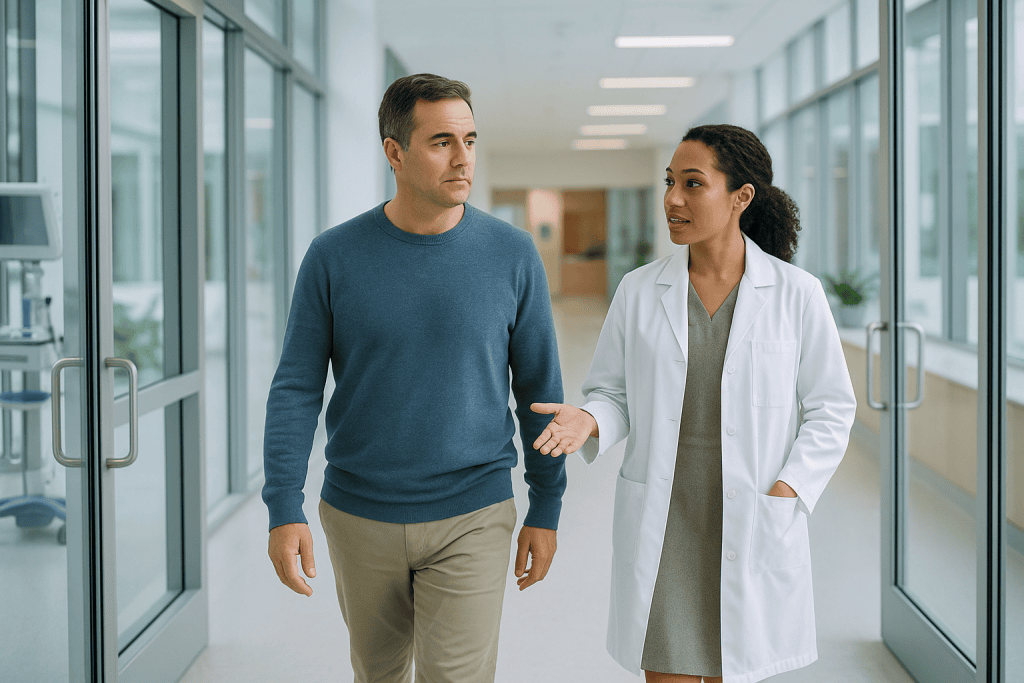
To prepare for a biopsy in Turkey, gather your recent scans, reports and medication list, confirm with the hospital whether you need to fast, and ask specifically about medicines that affect bleeding. Keep the day of the biopsy light, arrange transport if sedation is planned, and leave flexibility in your return travel, because pathology results usually take several days.
You have a biopsy booked in Turkey, and the questions start piling up. Can you eat that morning? What happens to your usual tablets? Will you be well enough to get back to the hotel on your own, and when is it sensible to fly home?
This guide explains how to prepare for a biopsy in Turkey step by step: what to sort out before you travel, what the day itself usually looks like, how the first day or two of recovery tends to go, and how results and follow-up work when you live in another country. It cannot replace the specific instructions you receive for your own procedure, and it does not try to. Where preparation rules vary by biopsy type, we say so plainly, because the honest answer to many biopsy questions is: it depends on which biopsy you are having.
At a glance
- Best for: International patients travelling to Turkey for a planned biopsy or biopsy-related assessment
- Main stages: Preparation before travel, the day of the test, the first 24–48 hours of recovery, results and follow-up
- What to prepare: Medical records, medication and allergy list, passport, insurance or payment documents, travel details
- Common practical questions: Fasting, water, blood thinners, sedation, transport, and when flying home is realistic
- Key caveat: Preparation rules differ by biopsy type: your own written instructions always take priority over general advice
What preparing for a biopsy in Turkey actually involves
A biopsy is a test in which a small sample of tissue or cells is taken so it can be examined under a microscope by a pathologist. It may be arranged after a consultation, a scan, blood tests or a second opinion, and the practical details depend heavily on the part of the body being sampled and whether imaging guidance is needed. A skin biopsy under local anaesthetic and a liver biopsy guided by ultrasound are very different experiences, even though both are called biopsies.
When you prepare for a biopsy in Turkey, you are really preparing for three things at once: the medical test itself, the travel around it, and the wait for results afterwards. Most biopsy visits in Turkey are completed as day procedures, though some involve a period of observation or additional tests on the same visit. You will usually be asked to arrive early for registration, review your medical history, sign consent forms and speak with the doctor or care team before anything happens.
If you want a fuller picture of the procedure itself, the different sampling methods, anaesthesia options and what the room looks like, our companion guide on what to expect before, during and after a biopsy in Turkey covers that ground in more detail. This guide concentrates on the preparation and logistics.
How to prepare before you travel
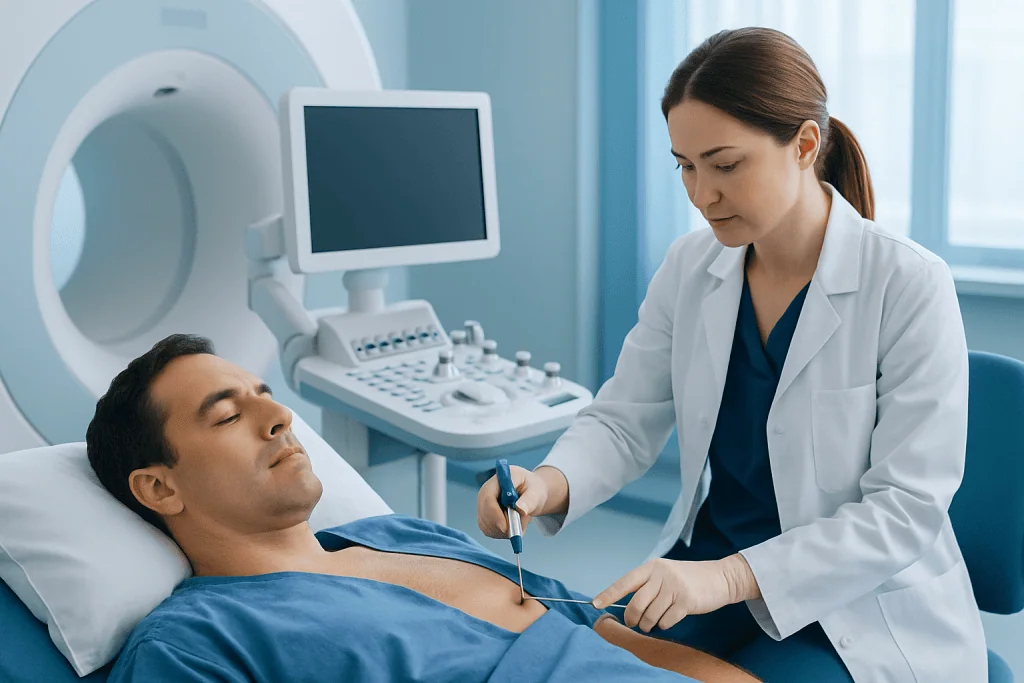
Gather your medical records in one place
The single most useful thing you can do before leaving home is collect your medical information so the team in Turkey sees the full picture. That means recent scan reports, blood test results, clinic letters, a written summary of your symptoms and their timeline, your regular medication list, and any allergy information. If you already have CT, MRI, ultrasound, mammography, PET or pathology reports, share them before you travel where possible, and keep digital or printed copies with you as well. Our guide on how to organise your test results before travelling to Turkey explains a practical way to do this.
Be aware that some tests may be repeated after you arrive, even if you bring recent results. That is not a criticism of your home hospital; it usually reflects how recent the test needs to be, or a difference in technique or laboratory standards. We explain the reasoning in why blood tests and scans are sometimes repeated in Turkey.
Confirm the fasting and medication instructions for your case
Ask the hospital in advance whether you need to stop eating or drinking before the biopsy. Some biopsies require fasting for a set number of hours, usually those involving sedation, or those in or near the digestive system, while many others do not. There is no universal rule, which is exactly why you should get the instruction in writing for your specific procedure rather than relying on what worked for someone else.
Ask specifically about medicines that affect bleeding: prescription blood thinners, aspirin, and certain supplements such as fish oil or high-dose vitamin E. Whether these need to be paused, for how long, and when to restart them is a decision for the doctor managing your biopsy, weighed against the reason you take them. Do not change anything on your own initiative. The same applies to diabetes medication if fasting is required.
Plan the practical side
Keep your passport, any visa documents, insurance paperwork and emergency contacts accessible. If your biopsy may involve sedation, do not plan to navigate the city alone straight afterwards; arrange a companion, or plan transport and accommodation close to the hospital in advance. A short pre-travel summary:
- Send records ahead if the hospital requests them
- Get the fasting instruction for your specific biopsy in writing
- Ask about blood thinners, diabetes medication and supplements, and follow only your doctor’s answer
- Wear comfortable, loose clothing on the day
- Allow spare days in Turkey in case results or a review appointment are needed
What not to do before a biopsy
Patients often ask what they should avoid, so here is the honest version. Do not stop or start any medicine without instructions from the treating doctor, including over-the-counter painkillers and supplements, some of which affect bleeding. Do not eat or drink after the cut-off time you were given, if one was given, because ignoring a fasting instruction can lead to the procedure being postponed for safety reasons. Do not plan a demanding day around the appointment: long transfers, sightseeing or a same-day flight can turn a straightforward procedure into a stressful one.
It is also sensible not to drink alcohol in the day or two before the biopsy if your team advises against it, and not to withhold information during the pre-procedure questions. Mention every medicine, every supplement, any possibility of pregnancy, and any recent illness. The team asks these questions to keep the procedure safe, and incomplete answers help no one.
Can you eat or drink water before a biopsy?
It depends entirely on the type of biopsy and the anaesthesia plan. For many biopsies done under local anaesthetic alone, skin, some breast and prostate biopsies, for example: you can usually eat and drink normally, though your own instructions always take priority. For biopsies involving sedation, or those performed during an endoscopy, fasting from food and often from liquids is standard for a set period beforehand.
Water sits in a grey zone that patients frequently get wrong. Some fasting protocols allow small sips of clear water up to a certain time; others require nothing by mouth at all. The only reliable answer is the one your hospital gives you for your procedure, with the exact cut-off times. If your biopsy is taken during an endoscopic examination, the preparation is different again: our guide on endoscopy in Turkey explains what that involves.
What to expect on the day of the biopsy
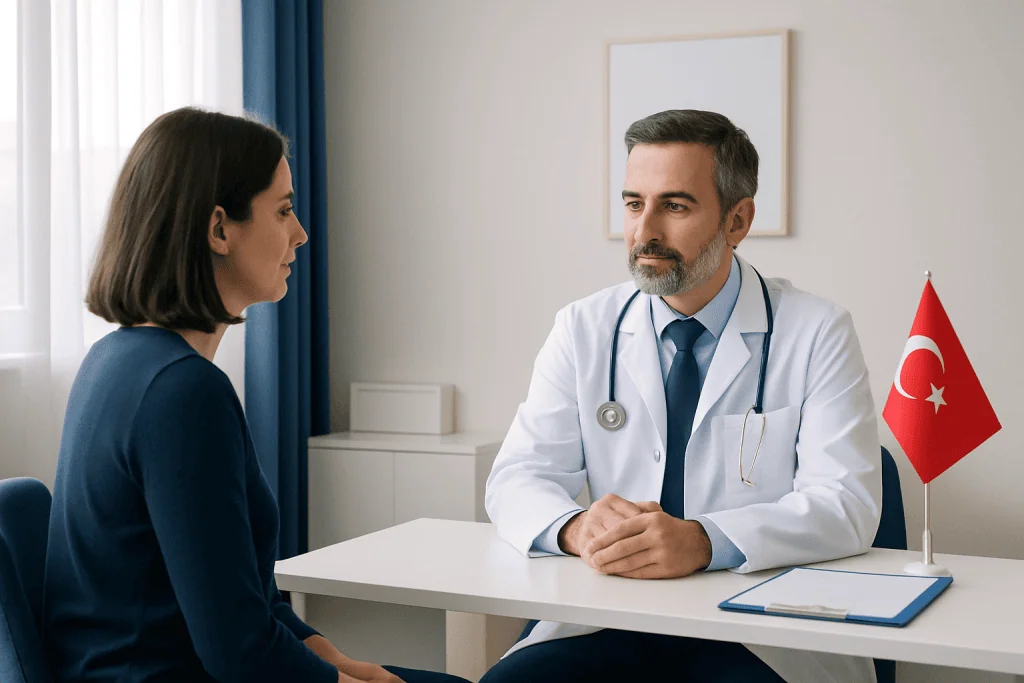
On the day, you will usually check in, complete any remaining paperwork, and have your identity and procedure details confirmed. The team may repeat questions about allergies, medications, previous operations, pregnancy status where relevant, and when you last ate or drank. This repetition is deliberate: it is a standard safety check, not a sign of disorganisation.
Depending on the type of biopsy, the sampling may be guided by ultrasound, CT or endoscopy, or done in a clinic room without imaging. Some biopsies use local anaesthetic only, meaning the area is numbed while you stay awake; you may feel pressure or a brief sting, and the sampling itself is often quicker than the preparation around it. Others involve light sedation followed by a period in a monitored recovery area.
You do not need to memorise every step in advance. What matters on the day is telling the team how you feel, mentioning any pain, dizziness, fever or recent medication changes, and asking when anything is unclear. Interpreter support and patient coordination can help you follow the sequence of the day, know where to go next, and understand when your companion can rejoin you.
Occasionally the plan changes on the day: an extra blood test before the biopsy, a different guidance method, or a short delay. This is more common in diagnostic visits than people expect, and it usually reflects the team adjusting to what your results show. Our guide on what happens if you need extra tests after arriving in Turkey covers how to keep this from derailing your trip.
Recovery and aftercare in the first 24 to 48 hours
After the biopsy, you may spend time resting in an observation area, particularly if sedation was used or the biopsy site needs monitoring. Before you leave, make sure you have written aftercare instructions and that you understand them. These typically cover wound and dressing care, bathing, activity limits, pain relief, eating and drinking, the warning signs that matter for your specific biopsy, and whom to contact about them.
Mild soreness, bruising or tiredness can be normal after some biopsies, but recovery depends on the type and location of the sample taken, so avoid comparing your experience with someone who had a different procedure. Keep the rest of the day light. Rest at your accommodation, drink fluids if you are allowed to, and avoid heavy lifting or strenuous activity until the doctor confirms it is safe.
If your stay in Turkey is short, ask before discharge whether flying is safe for your situation, when dressings should be changed, and exactly how you will receive results. These three questions are the ones international patients most often forget to ask, and the answers shape the rest of your trip.
Results, timing, and planning your stay
Many patients assume biopsy results appear immediately. They do not. The sample goes to a pathology laboratory, where specialists prepare and examine it, sometimes requesting additional staining or a second review. A final report may take several days, and complex samples can take longer. No reputable hospital can promise a fixed turnaround for every case, because the analysis itself determines how much work is needed.
For travel planning, this means one thing above all: do not book your return flight tightly around the biopsy date unless your team confirms that same-day or next-day discharge is realistic for you. If there is any chance you will need a review appointment, further imaging or a specialist discussion after the pathology report, flexibility in your schedule is worth more than a cheaper fixed ticket.
Ask how results will be communicated if you have already returned home. Reports can often be shared electronically, and remote follow-up discussions can be arranged so that your local doctor receives the pathology report, imaging notes and discharge summary in a usable format. If the biopsy is one part of a wider plan, our overview of what happens before, during and after treatment in Turkey shows how the diagnostic and treatment stages fit together.
What affects the cost of a biopsy in Turkey
You will find pages online quoting fixed prices for biopsies in Turkey. Treat them with caution, because the realistic answer is structural: the cost of a biopsy depends on the biopsy type, whether imaging guidance or sedation is needed, whether an operating theatre or a clinic room is used, the extent of pathology analysis required, and whether observation or additional tests are added on the day. A meaningful figure is only possible once a doctor has reviewed the records and confirmed which procedure is actually needed. If you compare quotes from different providers, check what each one includes: the procedure, anaesthesia, pathology and follow-up review are not always bundled the same way.
Questions worth asking before you leave the hospital
Before heading back to your hotel or the airport, check that you have the basics covered. You should know what kind of biopsy you had, what restrictions apply that evening and the next day, what sensations are expected, and which changes are not normal for your procedure. If any instruction was only verbal, ask for it in writing. It is also worth confirming the practical contact points on your discharge papers: whom to call during office hours, what the out-of-hours arrangement is, and whether follow-up instructions and reports can be provided in English or with interpreter support.
- When can I eat, drink, shower and resume normal activity?
- When should any paused medications be restarted, and who confirms this?
- What should the biopsy site look and feel like tomorrow?
- Which changes are listed as warning signs for my procedure, and whom do I contact about them?
- When and how will I receive my results?
- Do I need a follow-up visit before travelling home, and is flying restricted?
Step by step
- 1. Share your records before you travel. Send recent scans, blood tests, clinic letters and your medication list if the hospital requests them. This helps the team confirm the right procedure and group any other needed tests into the same visit.
- 2. Confirm the preparation instructions for your case. Ask directly whether you need to fast, whether water is allowed, and what happens with your regular medicines. Follow the instructions given for your own biopsy, not general online advice.
- 3. Organise the day around recovery. Keep the rest of the day free, especially if sedation may be used. Arrange a companion or confirm your transport plan so you are not managing long transfers immediately afterwards.
- 4. Arrive early with documents and questions. Bring your passport, appointment details, insurance or payment documents, and any reports not already shared, along with a short written list of questions.
- 5. Read your discharge instructions before leaving. Make sure you understand dressing care, activity limits and medicine advice, and ask again if anything is unclear, particularly if your remaining time in Turkey is short.
- 6. Plan the results pathway. Confirm how the pathology report will reach you, who will explain it, and whether a remote follow-up discussion can be arranged with your doctor at home included.
Your checklist
- Passport and appointment confirmation
- Recent scan reports and blood test results
- Current medication list, including supplements and blood thinners
- Allergy information and relevant medical history
- Comfortable clothing and any needed personal items
- Companion or transport plan for after the biopsy
- Flexible travel dates in case follow-up is needed
- Written list of questions about aftercare and results
Key takeaways
- How you prepare for a biopsy in Turkey depends on the biopsy type, always follow the written instructions given for your own case.
- Bring complete medical records and ask early about fasting, water, blood thinners and sedation.
- Never pause or restart a medicine without instructions from the treating doctor.
- Plan for rest and light activity limits in the first day or two after the test.
- Pathology results take time, so build flexibility into your stay and confirm how reports will reach you at home.
Frequently asked questions
What is the prep for a biopsy?
It varies by biopsy type. Common elements include sharing your medical records and medication list in advance, following any fasting instruction, discussing medicines that affect bleeding with the treating doctor, and arranging transport if sedation is planned. Your hospital will give you procedure-specific instructions, and those take priority over any general guidance.
What should I not do before a biopsy?
Do not change any medication on your own initiative, do not ignore a fasting cut-off if one was given, and do not withhold information about medicines, supplements, allergies or possible pregnancy during the pre-procedure questions. It is also wise not to plan demanding travel or activity on the same day as the test.
Can I drink water before my biopsy?
Sometimes yes, sometimes no. Some fasting protocols allow small amounts of clear water up to a set time; others require nothing by mouth at all; and many biopsies under local anaesthetic need no fasting whatsoever. Ask your hospital for the exact rule and cut-off times for your specific procedure.
Should I stop blood thinners before the test?
Only if the doctor managing your biopsy tells you to. Blood thinners, aspirin and some supplements affect bleeding, but stopping them without medical guidance carries its own risks. Ask for individualised instructions, including exactly when to pause and when to restart, and get them in writing.
Will I be able to go back to my hotel the same day?
Often, yes, many biopsies are day procedures. The exact plan depends on the biopsy site, whether sedation is used, and how you feel afterwards. Even when same-day return is expected, avoid a demanding schedule that day and arrange a companion or straightforward transport if sedation is involved.
How long do biopsy results usually take?
Results are rarely immediate because the sample needs laboratory preparation and pathology review. Some reports are ready within a few days; complex samples requiring additional staining or second review take longer. Ask your team for a realistic timeframe and confirm how the report will reach you if you have already returned home.
Can I travel home soon after the biopsy?
It depends on the kind of biopsy, how the procedure went, and whether a review is needed before you leave. Some patients can travel quite soon; others are advised to stay for observation or a follow-up appointment. Confirm with your treating team before locking in flights, and keep some flexibility if you can.
What if I do not speak Turkish?
Hospitals that regularly care for international patients provide interpreter or multilingual coordination support for appointments, consent discussions and discharge instructions. If language support matters to you, ask for it when arranging the visit rather than on the day, and request that reports and aftercare instructions be provided in English.
Add us as a Preferred Source to see more of our trusted health content across Google Search, AI Overviews and Discover.

Update history
- PublishedJuly 8, 2026
- Medical review approvedSeptember 1, 2026
- Last content updateSeptember 1, 2026
References3
- Biopsy: NHS nhs.uk
- Biopsy: MedlinePlus medlineplus.gov
- Biopsy: Cleveland Clinic my.clevelandclinic.org
More Patient Guides
Sleep Apnea Testing in Turkey: What Happens During Your Evaluation
Sleep apnea testing in Turkey may include a consultation, overnight sleep study or home test, and a clear review of your results…
How to Organize Your Test Results Before Traveling to Turkey
Organize your test results before traveling to Turkey by sorting records, images, medicines and timelines so your Istanbul care team can review…
When Extra Tests Are Needed Before Treatment in Turkey
Extra tests before treatment in Turkey may be needed to confirm diagnosis, timing, and safety. Here is what you can expect in…

At Acibadem, How to Prepare for Blood Tests, Scans, and Pre-Op Checks
Blood tests, scans, and pre-op checks at Acibadem in Turkey help confirm you are ready for treatment and avoid delays on the…