

Is This Treatment in Turkey Right for You?

Treatment in Turkey suits patients whose condition allows planned, non-urgent care, who are fit enough to travel, and who can stay long enough for treatment plus an early follow-up check. It is less suitable for unstable conditions or care that needs frequent short-interval reviews close to home. A pre-travel review of your medical records is the practical way to find out where your case sits.
Should you get on a plane for this, or is it wiser to stay close to home? That is usually the real question behind a search for treatment in Turkey. The honest answer depends on three things: your diagnosis, how well you can travel, and how much follow-up you will need afterwards. This guide works through each of them so you can judge whether this treatment in Turkey is right for you.
You will find here how international care is planned, what a pre-travel record review does and does not tell you, how long patients typically need to stay, what recovery planning involves, and how cost quotations are put together. Where the answer is “it depends on your case”, we say so plainly rather than pretending otherwise. For a shorter decision framework, see our companion guide on how to decide if treatment in Turkey is right for you.
At a glance
- Procedure type: Varies by diagnosis; may be diagnostic, medical, minimally invasive, or surgical
- Purpose: To diagnose, treat, relieve symptoms, improve function, or clarify the right next step
- Anaesthesia: Depends on the planned treatment; may be none, local, sedation, regional, or general
- Hospital stay: From same-day discharge to several days, depending on treatment complexity
- Estimated recovery: Treatment-specific; minor procedures may need days, major surgery weeks to months
- Stay in Turkey: Usually covers consultation, tests, treatment, and at least one follow-up check before flying
- Final result timeline: Immediate for some treatments; others need healing, rehabilitation, or ongoing monitoring
- Suitable department: Determined by your condition; may involve one specialty or a multidisciplinary team
- International patient support: Interpreters, transfer coordination, accommodation guidance, scheduling, and remote follow-up communication
What “treatment in Turkey” actually means
Treatment in Turkey is not one procedure. It describes travelling to Turkey for planned medical care: specialist evaluation, advanced imaging, a second opinion, medication-based management, a minimally invasive procedure, conventional surgery, or rehabilitation. The exact pathway depends on your diagnosis, your history, and what doctors recommend after reviewing your case in full.
So the question of whether this treatment in Turkey is right for you cannot be answered by the treatment name alone. It is answered by matching three things: what your condition needs medically, what travelling and staying abroad demands of you physically and practically, and what follow-up will look like once you are home. When those three line up, international treatment can work well. When one of them does not, the honest advice is usually to treat locally, or to travel later once your situation is more stable.
At Acibadem International, care is coordinated across a large hospital group with specialist teams in many fields. If your condition involves more than one system, your evaluation may include a multidisciplinary review, so the plan reflects your whole medical picture rather than a single symptom.
Does Turkey have good medical care?
Turkey has a large private hospital sector with modern diagnostic infrastructure, high patient volumes, and long experience treating international patients. Major hospital groups run full-service campuses with imaging, laboratories, operating theatres, and intensive care under one roof, which matters when a case turns out to be more complex than expected. As anywhere, quality varies between providers, so the sensible approach is to judge the specific hospital and team handling your case, not the country as a whole. Our guide on selecting the right hospital in Turkey explains what to look at.
What is Turkey known for medically?
International patients travel to Turkey for a broad range of care rather than one signature procedure. Commonly sought fields include orthopaedics and spine care, cardiology and cardiac surgery, oncology, ophthalmology, fertility treatment, dental care, hair restoration, and aesthetic surgery. Breadth cuts both ways: it means most conditions can be assessed here, but it also means you should confirm that the specific department relevant to your diagnosis has genuine depth in your type of case, not simply that the hospital is large.
When is treatment in Turkey recommended?
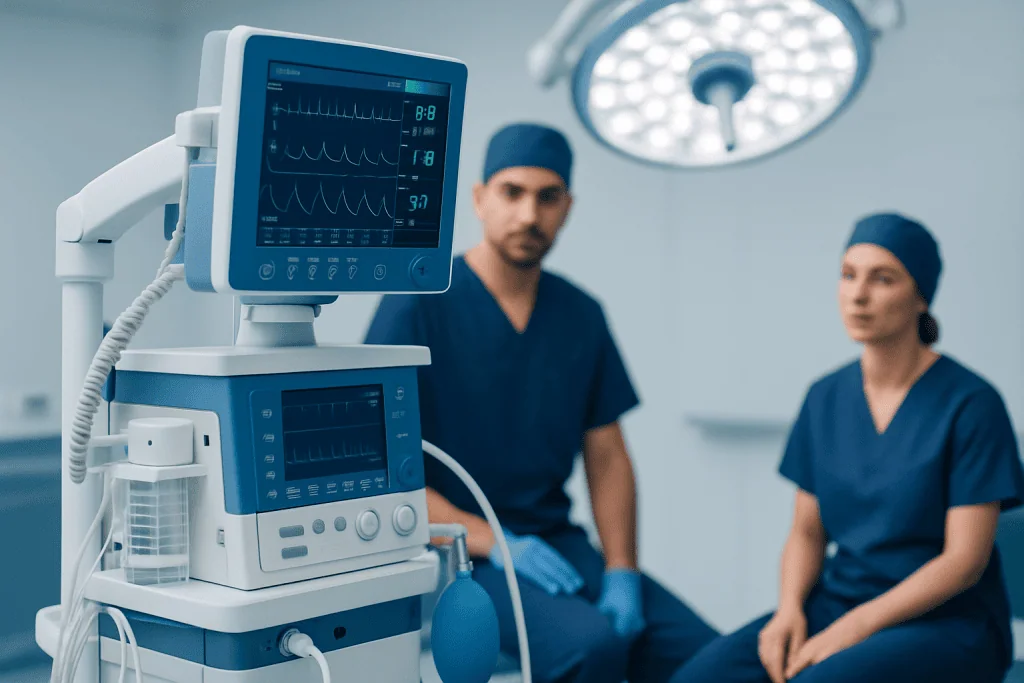
Travelling for care tends to make sense in a few recognisable situations. You need timely specialist assessment or a second opinion. Your local doctor has already identified a condition that needs a specific procedure, and you want an experienced team to review and carry out the next step. You have ongoing symptoms affecting your quality of life, previous treatment has not delivered what was expected, or you want to compare treatment options before committing. International treatment works best as planned care, arranged in advance, with time built in for testing and early recovery.
It is not suitable for everything. If a condition is medically unstable, needs urgent emergency intervention, or requires intensive short-interval follow-up that only makes sense close to home, doctors will usually advise local treatment first. That advice is not a rejection; it is the system working as it should. A proper medical review always comes before any confirmation that international treatment is appropriate.
Who is a good candidate?

Candidacy for travel is a separate question from candidacy for treatment, and both matter. You are generally well placed for international care if your condition allows planned rather than emergency treatment, you are fit enough to fly and manage airports, and you can stay in Turkey long enough for consultation, any tests, the treatment itself, and an early follow-up check before departure. Clear medical records help enormously: reports, imaging, medication lists, and details of previous surgery all shape whether this treatment in Turkey is right for you and how long you would need to stay.
Patients tend to get the most value when they arrive with a defined question: is surgery needed, is a minimally invasive option possible, what is the safest step after earlier treatment elsewhere? Complex cases can also do well here, because broad specialist coverage allows several departments to look at one patient together.
Travel is usually a poor immediate fit if there are uncontrolled medical problems, severe infection, or unstable heart or lung symptoms. In those situations, the plan often starts with stabilisation at home, sometimes alongside a remote record review, before any travel is considered.
A note on cosmetic surgery, including facelifts
A common question is whether it is a good idea to have a facelift or other aesthetic surgery in Turkey. The honest answer: aesthetic surgery is real surgery, with anaesthesia, incisions, healing time, and the same categories of risk as any other operation, wherever it is performed. Whether it is a good idea depends on your health, your anaesthesia fitness, the realism of your expectations, and the qualifications and case experience of the surgeon and hospital, not on the destination alone.
The main planning difference abroad is time. Early healing needs to be reviewed before you fly, swelling and bruising take weeks to settle, and final results take months. A decision driven mainly by convenience or a low headline price, without careful candidacy assessment, is a weak decision anywhere in the world. Treat cosmetic surgery with the same seriousness you would give any operation.
Treatment options and pathways
Your options depend entirely on your diagnosis. In broad terms, an international pathway may involve:
- Diagnostic evaluation and a second opinion, sometimes with no procedure at all
- Medication-based management and structured monitoring
- Minimally invasive or image-guided treatment
- Conventional, laparoscopic, or robotic surgery where appropriate
- Rehabilitation and planned follow-up care
Some patients travel for a second opinion and go home with a clarified diagnosis and a roadmap rather than same-day treatment. Others arrive with a likely procedure already identified and need the team to confirm suitability, complete pre-operative testing, and carry out treatment during one visit. Where more than one approach is reasonable, your doctor should explain the expected benefits, the limitations, the recovery differences, and whether staged care might be needed. In selected cases a multidisciplinary plan is recommended — for example surgery with cardiology input, or oncology with imaging and pathology review — so the recommendation reflects what is most appropriate rather than simply what is possible.
Online evaluation before travel
A remote review of your records is the single most useful step before booking anything. It typically covers your medical history, current symptoms, medication list, previous surgery, recent blood results, imaging, pathology reports, and doctor notes. From this, the specialty team can indicate likely treatment pathways, what additional tests may be needed after arrival, and roughly how long a stay to plan for. It can also prevent unnecessary travel if your condition needs urgent local care or stabilisation first. We explain the process in detail in how pre-travel medical review helps confirm the right next step.
Two limits are worth stating plainly. First, a remote review is preliminary: a final recommendation usually requires in-person examination and, often, updated tests. Even a plan discussed in advance may change after face-to-face assessment. Second, sharing records raises reasonable questions about consent and confidentiality; our guide to medical records privacy in Turkey covers how that is handled and what rights you keep over your own information.
Before the treatment
Preparation starts with accurate records and clear communication. Useful items include your passport, prior reports, imaging discs or secure digital copies, a full medication list, allergy information, and a summary of chronic conditions. If you have had earlier surgery or treatment for the same problem, those details matter most, because they can change the plan.
Depending on the care planned, pre-treatment steps may include blood tests, heart assessment, imaging, anaesthesia review, and specialist consultations. Your doctor will discuss the medical goal, expected benefits, alternatives, limitations, and the recovery process before you decide anything. If anaesthesia or surgery is involved, you may be asked to fast for a set period beforehand, and the treating team will decide whether any of your regular medicines need adjusting around the procedure — nothing changes without their specific instruction. Practical matters are best settled early too: accommodation, a companion if one is recommended, comfortable clothing, and enough time in Turkey for early recovery and a post-treatment review.
What happens during treatment
The treatment day varies by specialty, but the framework is consistent. You are checked in, your identity and plan are confirmed, and the team reviews your tests, consent forms, and any final questions. If anaesthesia is needed, the anaesthesia team meets you and confirms the safest approach for your history and procedure.
Some treatments are completed in an outpatient setting, and you return to your hotel the same day. Others involve an operating theatre or inpatient unit with closer monitoring afterwards. Throughout, the team’s job is to manage pain, monitor your condition, and support early recovery in a structured way. Where a case is complex, more than one specialist may be involved; in a full-service hospital, imaging, laboratories, theatres, and specialty teams sit within one system, which keeps coordination tighter.
Hospital stay and discharge
Stays range from a few hours to several days, depending on the treatment, your response to anaesthesia, pain control, mobility, wound care needs, and whether early monitoring is required. Before discharge, the team confirms you are medically stable and that you understand your medications, wound care, activity limits, and follow-up timing. You should receive a written summary, prescriptions, and clear advice on when you can travel, work, and exercise.
International patients usually stay in Turkey for a short period after discharge so an early control visit can happen before the flight home. This matters most after surgery, after treatment involving drains or dressings, or wherever swelling, pain, or mobility need to be reviewed before a long journey. Because of this, where you stay is a practical decision, not a tourism one — our guide on choosing where to stay near the hospital walks through the options.
Recovery timeline
Recovery depends on the condition, your general health, and whether care was medical, procedural, or surgical. Treat the table below as a planning frame, not a fixed rule; your own doctor’s advice for your case overrides it.
| Timeframe | What to expect |
|---|---|
| First 24 hours | Observation, pain or symptom control, rest, fluids as advised, and monitoring for immediate issues after treatment or anaesthesia. |
| First week | Early healing. Fatigue, soreness, or swelling may be present, alongside medication use, dressing care, and one or more control checks. |
| Weeks 2–4 | Gradual improvement in comfort and mobility for many treatments. Some patients resume light daily activities; others still need restrictions or rehabilitation. |
| Months 1–3 | Continued healing, strengthening, and medical review. Some treatments require follow-up imaging, pathology review, or therapy in this window. |
| Final result | Clear quickly for some treatments; longer where healing, scar maturation, rehabilitation, or disease monitoring is involved. |
Plan recovery as a process rather than a date. Your doctor will also advise when flying is reasonable and whether you need compression, in-flight movement, medication timing, or other precautions on the journey home. Your discharge summary will set out what to expect during healing and the follow-up schedule that applies to your case; any urgent problem that arises after you are home is always assessed by local medical services first, with your treating team kept informed.
What to avoid after treatment
Avoid anything that could interfere with healing. Depending on your treatment, that commonly means heavy lifting, intense exercise, smoking, alcohol where it conflicts with healing or prescribed medicines, and changing or stopping medication without your doctor’s instruction. Avoid flying before your doctor has cleared you, particularly after major surgery or where pain, swelling, limited mobility, or clot risk are in play.
If you are given wound care instructions, exercises, stockings, or hydration advice, following them matters as much as the treatment itself. And do not benchmark your recovery against someone else’s — even for identical procedures, healing differs with age, health status, previous treatment, and the body area involved. If you are unsure whether an activity is appropriate yet, that is a question for your care team, not a guess.
Risks and possible complications
Every medical treatment carries risk, even when routine and carefully planned. General risks may include pain, swelling, bruising, bleeding, infection, delayed healing, medication reactions, or anaesthesia-related problems. Specific treatments add specific risks: nerve irritation, scar concerns, clot risk, recurrence of symptoms, or partial rather than complete improvement. In some cases further treatment or revision is needed if the first result is incomplete or the underlying condition changes over time.
Travelling for care adds its own considerations: a long flight soon after surgery, distance from the operating team once home, and the logistics of any revision. None of these makes international treatment unreasonable, but they belong in the decision, weighed openly. Before treatment, your doctor should discuss the main risks that apply to you specifically. The purpose is neither to alarm you nor to smooth the decision over, but to let you weigh realistic benefit against realistic risk.
Results and expectations
Judging whether this treatment in Turkey is right for you comes down to goals. Some treatments aim to resolve a defined problem; others aim to reduce symptoms, improve function, slow progression, or simply confirm a diagnosis and guide future care. In many cases, success means meaningful improvement rather than perfection, and it is worth being honest with yourself about which of those you are seeking.
Your result depends on how advanced the condition is, what treatment came before, your overall health, and how closely recovery advice is followed. Surgical healing and scar maturation can continue for months; medical treatment may depend on response over time and further adjustment by your doctors. Not every symptom resolves fully, and some conditions need staged treatment or long-term monitoring. Careful physician evaluation is the only reliable way to understand what outcome is realistic in your specific case — no website, including this one, can tell you that.
Travel planning for international patients
Travel planning belongs after a preliminary medical review suggests your case is appropriate, not before. Your stay needs to cover consultation, tests, treatment, and a first follow-up visit, and it can lengthen if additional tests or slower recovery intervene — so avoid tight, non-refundable schedules. Practical planning covers passport validity, visa requirements where applicable, flight timing, airport transfers, accommodation near the hospital, travel insurance questions, and whether a companion is recommended for your type of care.
It is also worth knowing where you stand legally and practically as a patient in another country: consent, information, and complaint processes all apply to you as an international patient, and our guide to patient rights in Turkey for international patients sets these out. Acibadem International’s patient services coordinate scheduling, interpreters, transfers, accommodation guidance, and post-discharge communication, which makes the logistics considerably easier to manage alongside medical appointments in an unfamiliar country.
How costs and quotations work
This guide deliberately gives no figures, because a meaningful price only exists after your records are reviewed. What a quotation depends on is consistent, though: your diagnosis, the specialty involved, whether treatment is medical or surgical, expected hospital stay, operating theatre or procedure time, anaesthesia type, any implants or devices, laboratory and imaging needs, pathology or advanced testing, and whether more than one department is involved. The same logic applies to check-up programmes: their price reflects the scope of tests, imaging, and specialist consultations included, which is why programmes are quoted individually rather than at one flat figure.
Packages for international patients often cover the core medical elements of the planned treatment — hospital services, standard nursing care, theatre or procedure suite use, routine inpatient medications, and scheduled in-hospital controls — but inclusions vary case by case. Items commonly separate include flights, visa expenses, hotels, companion costs, transport beyond arranged transfers, treatment of unexpected findings, prolonged stays, intensive care if ever required, medications after discharge, and later follow-up at home. A written, case-specific quotation that spells out inclusions, exclusions, and how unexpected findings would be handled is the only reliable picture, and any reputable provider should give you one before you commit.
Why choose Acibadem
When you consider treatment abroad, the strength of the hospital system matters as much as the procedure. Acibadem International coordinates care across hospitals in Turkey with broad specialty coverage, modern diagnostic infrastructure, and teams experienced with international patients — valuable when a case needs input from more than one department, or when something unexpected emerges mid-treatment and the answer needs to be inside the same building.
Just as importantly, the approach is individualised. Rather than promising the same path for everyone, the medical team evaluates your records, explains the options that genuinely suit your case, and says so when travel is not the right step yet. Medical, practical, and language support are organised together, from record review through follow-up after you return home, which reduces the uncertainty that otherwise dominates treatment abroad.
Medical review and disclaimer
This guide has been reviewed by the Acibadem International medical team. It provides general information about planning treatment in Turkey, care pathways, recovery considerations, and practical points for international patients.
It is not a diagnosis, not a treatment recommendation for your specific case, and not a substitute for consultation with a qualified physician. Medical decisions should rest on your personal history, examination findings, test results, and the advice of the doctors responsible for your care. Not every patient is suitable for travel or for the same approach; final suitability, timing, and treatment choice require physician evaluation, and plans may change after in-person assessment or updated testing.
Step by step
- Initial enquiry. The process begins when a patient describes their condition, symptoms, and the treatment they are exploring.
- Medical record submission. Reports, imaging, medication details, and — where relevant — photos or videos are shared for review.
- Preliminary medical review. The appropriate specialty team assesses whether travel and treatment appear suitable, or whether local care should come first.
- Treatment plan and quotation. A preliminary plan outlines likely steps, expected stay, and a written case-specific quotation.
- Travel planning. Dates, passport or visa requirements, accommodation, and companion arrangements are settled.
- Arrival. Transfers and hospital scheduling are coordinated according to the appointment plan.
- In-person consultation. The specialist team examines the patient, reviews the history, and finalises the discussion of options.
- Pre-treatment tests. Blood tests, imaging, anaesthesia assessment, and other evaluations are completed where needed.
- Treatment. The planned medical, procedural, or surgical care is carried out according to the finalised clinical plan.
- Hospital stay. Monitoring, pain control, nursing care, and recovery support continue for the required period.
- First control visit. An early follow-up reviews healing, symptoms, results, and medications before travel home is confirmed.
- Discharge and travel clearance. Written instructions and travel advice are provided once the doctor confirms medical stability.
- Remote follow-up. After the return home, updates and reports allow the team to guide ongoing aftercare where appropriate.
Your checklist
- Passport and travel details
- Full medical history and current diagnosis if known
- List of current medications, supplements, and dosages
- Known allergies, including medication allergies
- Details of previous surgeries or hospitalisations
- Description of your current symptoms and how long you have had them
- Recent blood test results and doctor reports
- Relevant imaging such as X-rays, MRI, CT, ultrasound, or PET where applicable
- Pathology or biopsy reports if applicable
- Photos or videos if relevant to the condition being evaluated
- Contact details for your local doctor if coordination may be needed
Key takeaways
- Whether this treatment in Turkey is right for you depends on your diagnosis, your fitness to travel, and the follow-up your care will need — not on the destination alone.
- Planned, non-urgent care travels well; unstable conditions and care needing frequent short-interval review usually belong closer to home first.
- A remote pre-travel review clarifies suitability, likely steps, and what records to prepare — but the final plan is confirmed in person.
- Your stay must cover consultation, tests, treatment, and an early follow-up check before flying; build slack into your schedule.
- Costs are case-specific by nature; a written quotation that spells out inclusions and exclusions is the only reliable picture.
Frequently asked questions
How do I know if treatment in Turkey is right for me?
It depends on your diagnosis, urgency, fitness to travel, and the follow-up you will need afterwards. Planned care with a defined question — is surgery needed, is a less invasive option possible — travels well. Unstable or emergency conditions do not. A preliminary review of your medical records is the practical way to establish which category your case falls into before anything is booked.
Does Turkey have good medical care?
Turkey has a large private hospital sector with modern infrastructure, high patient volumes, and long experience with international patients. Quality varies between providers, as it does everywhere, so the useful question is not about the country but about the specific hospital and team: their specialty depth in your type of case, their facilities, and how they handle follow-up for patients who live abroad.
What medical treatment is Turkey famous for?
International patients travel to Turkey for a wide range of care rather than one procedure: orthopaedics and spine care, cardiology, oncology, ophthalmology, fertility treatment, dental care, hair restoration, and aesthetic surgery are all commonly sought. Whatever the field, the deciding factor should be the experience of the specific team with your type of case, not the popularity of the specialty.
How much does a full medical check-up cost in Turkey?
There is no single figure, because check-up programmes differ widely in scope — the number of laboratory tests, the imaging included, cardiac assessments, and specialist consultations all vary by programme and by age and risk profile. Programmes are therefore quoted individually. The reliable approach is a written quotation for a named programme, listing exactly which tests and consultations it includes.
Is it a good idea to get a facelift in Turkey?
It can be a reasonable choice for a suitable candidate, but aesthetic surgery is real surgery with real risks wherever it happens. What matters is your health and anaesthesia fitness, realistic expectations, the surgeon’s qualifications and case experience, and your willingness to stay long enough for early healing to be checked before flying. A decision based mainly on convenience or a low headline price is a weak decision anywhere.
How long do I need to stay in Turkey?
There is no single answer. Your stay needs to cover consultation, any pre-treatment tests, the treatment itself, and an early follow-up check before your doctor confirms you can fly. Minor procedures may need only a short stay; major surgery or complex treatment needs longer. The estimate given after a record review is the figure to plan around — with some slack built in.
Is it safe to fly after treatment?
It depends on the treatment and on you. Anaesthesia, pain, mobility, swelling, wound care, and clot risk all affect when flying is advisable, which is why an early control visit usually happens before departure. The timing decision belongs to your treating doctor, who may also advise precautions such as compression or regular movement during the flight.
Will I definitely have treatment as soon as I arrive?
Not always. Even when a likely plan has been discussed before travel, the final decision follows in-person consultation, examination, and any updated tests. Sometimes the honest outcome of that assessment is a modified plan, further evaluation, or a recommendation not to proceed yet — which, though frustrating, is the safeguard working as it should.
Add us as a Preferred Source to see more of our trusted health content across Google Search, AI Overviews and Discover.

Update history
- PublishedJune 22, 2026
- Medical review approvedAugust 31, 2026
- Last content updateAugust 31, 2026
References1
More Patient Guides

HoLEP in Turkey: How It Compares With TURP and What Recovery Involves
HoLEP in Turkey treats enlarged prostate tissue with laser enucleation; learn how it compares with TURP, recovery, travel and follow-up.
13 min read
Porcelain Veneers in Turkey: Who Is Suitable and How Many Visits Are Needed?
Porcelain veneers in Turkey can enhance tooth shape and colour in two visits for suitable patients after a personalised dental assessment.
14 min read
How to Prepare for a Sedation Procedure in Turkey
Prepare safely for a sedation procedure in Turkey with guidance on fasting, medicines, travel, recovery and follow-up.
12 min read
Treatment Delays in Turkey: What Happens If Tests or Recovery Change Your Schedule
Treatment delays in Turkey can happen if tests or recovery change your plan. Learn how to manage appointments, travel, accommodation and follow-up.
8 min read